If you see a Jeep Grand Cherokee and wonder if it’s a rare Trackhawk, you’re not alone. The Trackhawk is the highest-performance Grand Cherokee, powered by a supercharged V8 and loaded with unique features. But not every aggressive-looking Jeep is a Trackhawk. Many owners add badges or swap parts, making it tricky to spot the real deal. Knowing how to identify a true Trackhawk can help you avoid mistakes—especially if you’re buying or just curious.
Key Exterior Features
The first clues are visible from the outside. Trackhawks have unique touches that set them apart from other Grand Cherokee models.
- Badging: The most obvious detail is the Trackhawk badge on the rear liftgate. It’s a distinctive font and style, placed on the lower right. Some owners swap badges, so this alone isn’t enough.
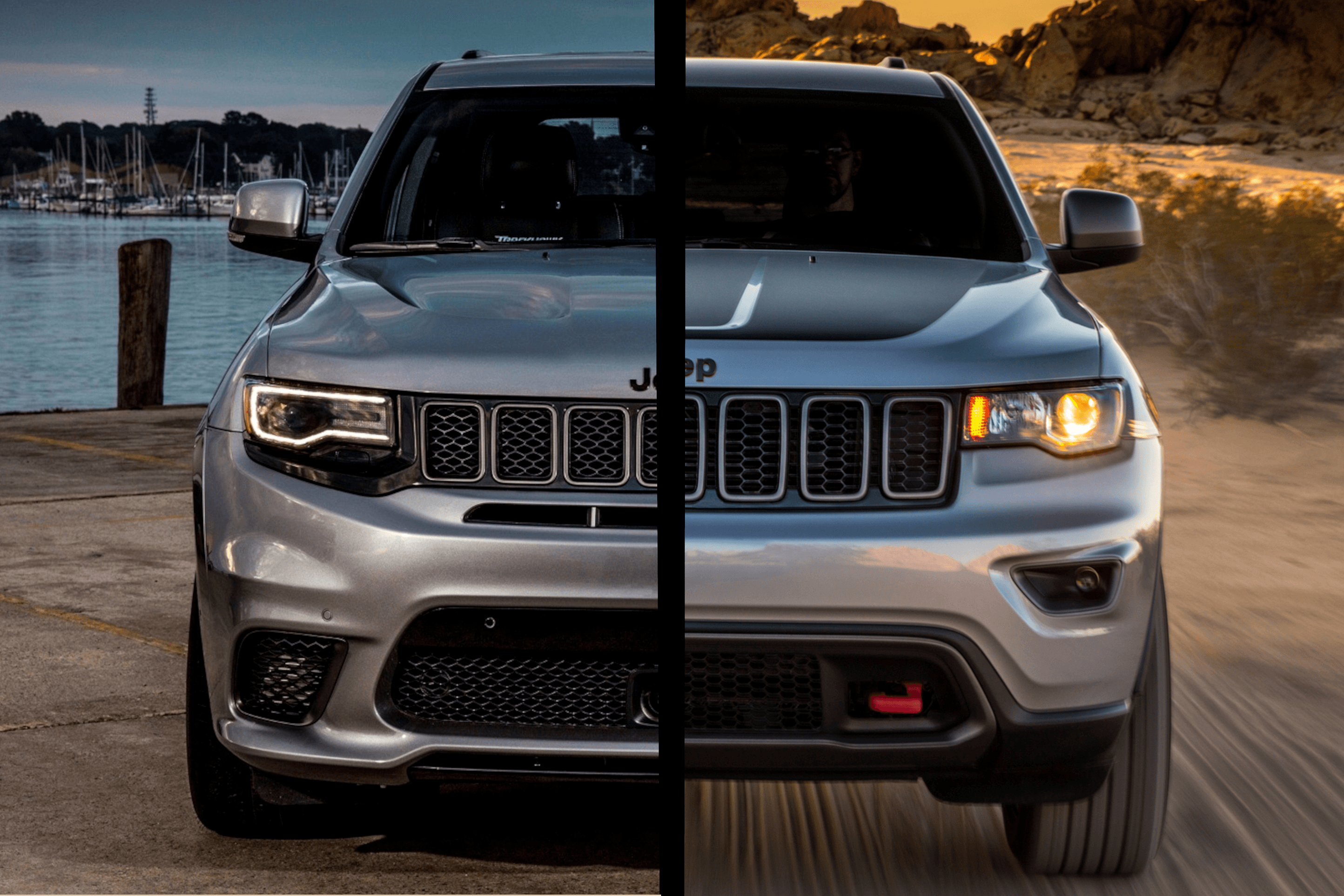
- Front Fascia: The front bumper features larger air intakes and a more aggressive design than standard Grand Cherokees. The fog lights are removed to allow extra cooling for the supercharged engine.
- Hood: The hood looks similar to the SRT model, but includes functional vents designed to extract heat from the engine bay.
- Quad Exhaust Tips: Trackhawks have four exhaust outlets, not two. These tips are larger and spaced wider apart.
- Wheels: Trackhawk wheels are 20-inch, often painted in black or bronze. They’re unique to the model and match the performance brakes.
Here’s a quick comparison of exterior features:
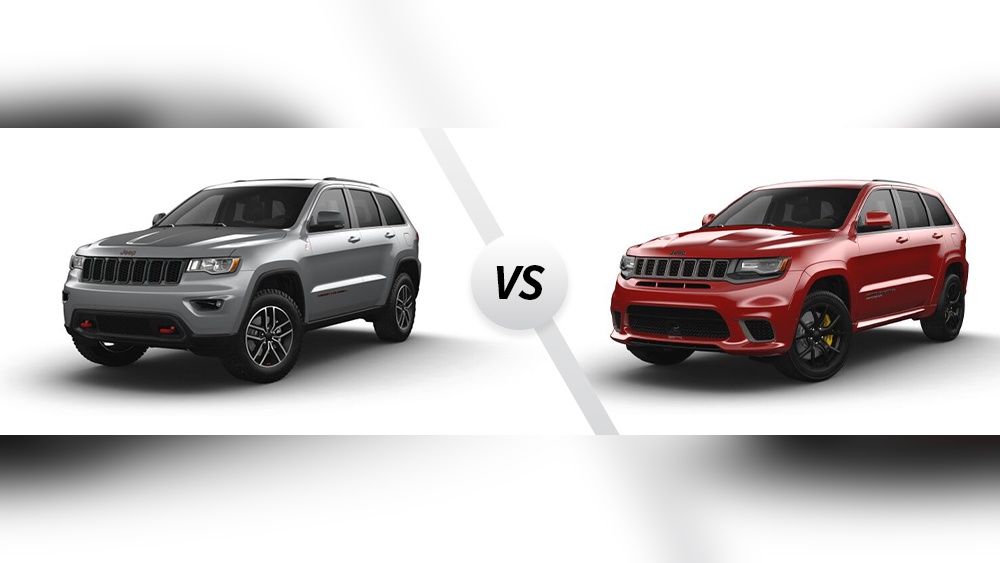
| Feature | Trackhawk | SRT | Limited/Laredo |
|---|---|---|---|
| Badge | Trackhawk (rear) | SRT (rear/front) | Grand Cherokee |
| Exhaust | Quad tips | Quad tips | Dual tips |
| Fog Lights | None | Present | Present |
| Wheel Size | 20-inch | 20-inch | 17-20 inch |
Engine And Performance Specs
A true Trackhawk is all about power. It uses a 6.2-liter supercharged V8 from the Dodge Hellcat lineup. This engine makes a Jeep faster than most sports cars.
- Horsepower: 707 hp
- Torque: 645 lb-ft
- 0-60 mph: About 3.5 seconds
Other Grand Cherokee models, even the SRT, don’t come close. The SRT uses a 6. 4-liter V8 making 475 hp. Lower models use V6 or smaller V8 engines.
You can check the engine in two ways:
- Look under the hood for the supercharger (large silver component).
- Inspect the VIN (Vehicle Identification Number). Trackhawk VINs start with “1C4RJFN9”.
Here’s a performance comparison:
| Model | Engine | Horsepower | 0-60 mph |
|---|---|---|---|
| Trackhawk | 6.2L Supercharged V8 | 707 hp | 3.5 sec |
| SRT | 6.4L Naturally Aspirated V8 | 475 hp | 4.4 sec |
| Limited | 3.6L V6 | 295 hp | 7.0 sec |
Interior Details That Matter
Inside, the Trackhawk has special touches. These help confirm if a Jeep is genuine.
- Trackhawk logo: The Trackhawk name is stitched on the seat backs and sometimes on the dashboard.
- Performance seats: Seats are more bolstered for high-speed driving. They’re usually leather and suede, with yellow seat belts in some years.
- Instrument cluster: The digital dashboard displays performance pages, including lap times, G-force, and engine data. The speedometer goes up to 200 mph.
- Carbon fiber trim: Interior trim pieces may be carbon fiber—rare in other models.
Some sellers swap interiors, but it’s expensive and rarely perfect. Always check for quality and details.
Non-obvious Clues Beginners Miss
Many people focus only on badges or the engine. But there are subtle clues most beginners overlook:
- Brake Calipers: Trackhawks use Brembo brakes with yellow calipers. SRT calipers are red. This detail is hard to fake.
- Launch Control Button: Only Trackhawks have a dedicated launch control button near the gear selector.
- Drive Modes: The Trackhawk offers special drive modes: “Track,” “Sport,” “Snow,” and “Tow.” SRT has similar modes but lacks the “Track” mode.
These hidden features make it easier to identify the real model.
Common Mistakes When Identifying Trackhawks
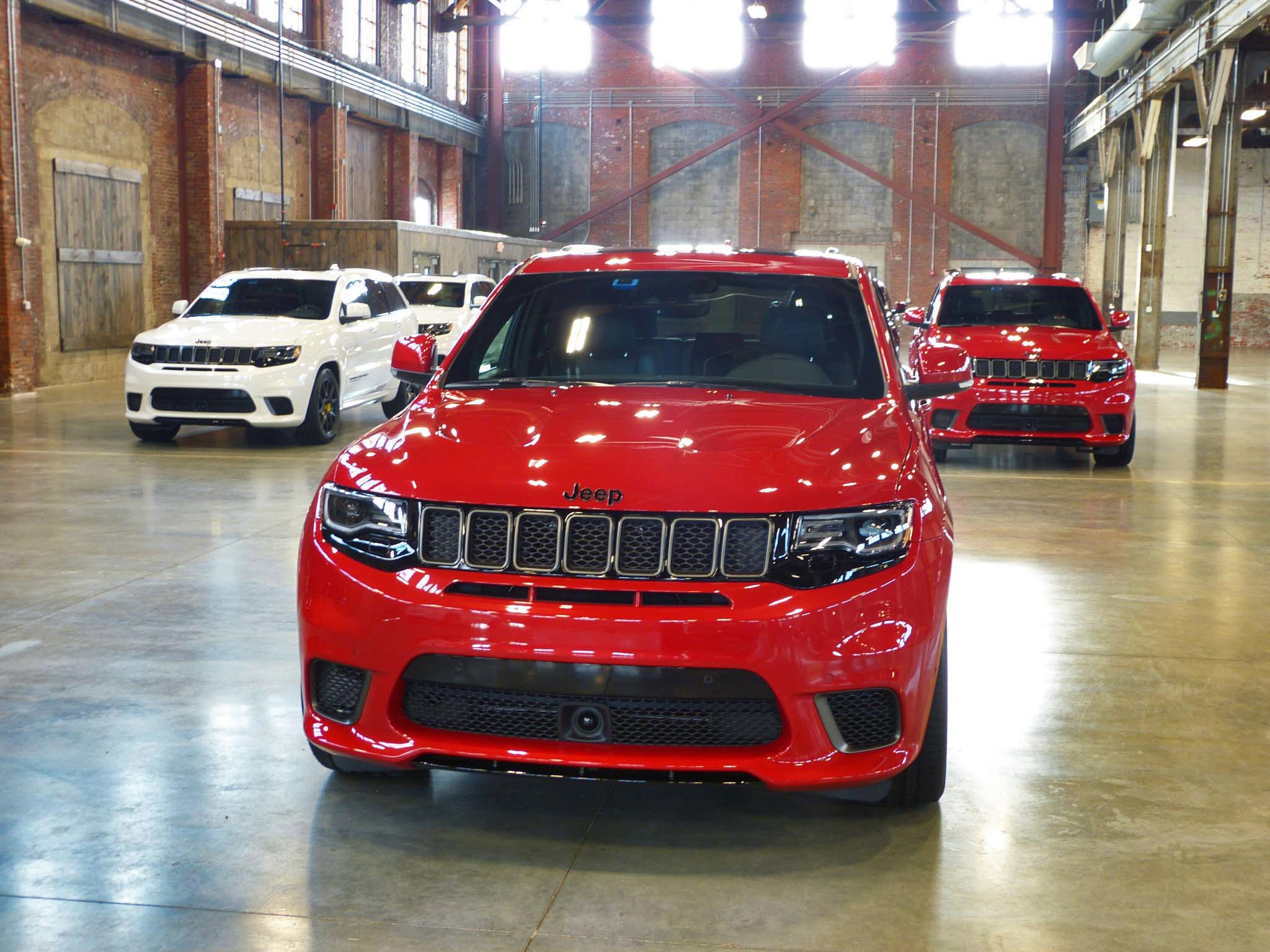
Many buyers and fans make mistakes when spotting a Trackhawk. Here are the biggest ones:
- Trusting Badges Only: Badges can be swapped easily. Don’t rely only on exterior emblems.
- Ignoring VIN: The VIN is the most reliable way to confirm. Always check it.
- Overlooking Engine Bay: Some SRT owners try to mimic the Trackhawk look, but the engine is different. The supercharger is unmistakable.
- Missing Brake Details: Caliper color is a quick giveaway—yellow means Trackhawk.
Why It Matters
Spotting a real Trackhawk is important for buyers, sellers, and enthusiasts. Fake Trackhawks can cost thousands more and disappoint buyers. Knowing the difference also helps if you’re shopping for insurance or planning mods.
According to FCA sales data, only about 10,000 Trackhawks were made between 2018 and 2021. This rarity makes them valuable and increases the risk of fakes.
If you want more details on Jeep VIN decoding, the official Jeep site has guides (Jeep Official).

Frequently Asked Questions
What Year Was The Jeep Trackhawk Made?
The Jeep Grand Cherokee Trackhawk was produced from 2018 to 2021. There are no Trackhawk versions before 2018 or after 2021.
What Is The Main Difference Between Trackhawk And Srt?
The biggest difference is the engine. The Trackhawk has a supercharged 6.2L V8 with 707 hp, while the SRT uses a naturally aspirated 6.4L V8 with 475 hp. The Trackhawk is much faster.
Can You Turn A Regular Grand Cherokee Into A Trackhawk?
No, you cannot fully convert a standard Grand Cherokee into a true Trackhawk. Some parts can be swapped, but the engine, drivetrain, and software are unique.
How Do I Check The Vin For Trackhawk?
The VIN starts with “1C4RJFN9”. You can look for this code on the driver’s side dashboard or door frame. Always check with the manufacturer or dealer for confirmation.
Are Trackhawks Good For Daily Driving?
Yes, the Trackhawk is comfortable and has luxury features. But it uses a lot of fuel, and insurance costs are higher. It’s best for those who want performance and don’t mind extra expenses.
Spotting a real Trackhawk takes careful attention. If you follow these tips and look for unique details, you’ll avoid common mistakes and make smarter choices. Whether you’re buying, selling, or just curious, knowing what makes a Trackhawk special can save you time and money.