If you’re seeing the P0118 code on your Jeep, it means your engine is sending a warning about the coolant temperature sensor. This little sensor plays a big role in keeping your engine running smoothly.
When it sends the wrong signal, your Jeep can struggle with rough starts, poor fuel economy, or even overheating. You might feel frustrated or unsure about what to do next.
Don’t worry help you understand exactly what P0118 means, why it happens, and how you can fix it before it causes bigger problems.
Keep reading to protect your Jeep and get back on the road with confidence.
Symptoms Of P0118 Code
The P0118 code in a Jeep signals an issue with the engine coolant temperature sensor. This sensor helps the engine control unit monitor the engine’s temperature.
Detecting a high voltage signal means the sensor might be sending incorrect information. This causes several noticeable symptoms that affect the vehicle’s operation.
Recognizing these symptoms early can prevent further damage and save on repair costs. Below are some common signs that your Jeep may have a P0118 code.
Check Engine Light Behavior
The most obvious symptom is the check engine light turning on. It may stay on constantly or flash intermittently.
This light warns you the engine control unit found a problem with the coolant temperature sensor. Ignoring this warning can lead to more severe engine issues.
Starting And Performance Issues
The Jeep might have trouble starting, especially when the engine is warm. The engine could run rough or stall soon after starting.
Poor temperature readings affect the air-fuel mixture, causing these performance problems. You may notice hesitation or a lack of power during acceleration.
Fuel Efficiency Concerns
Wrong temperature data causes the engine to use more fuel than necessary. This lowers your Jeep’s fuel economy.
You might find yourself filling up the tank more often. Over time, this decreases the vehicle’s efficiency and increases running costs.
Common Causes Of P0118
The P0118 code signals a problem with the Engine Coolant Temperature (ECT) sensor circuit. This code appears when the Powertrain Control Module (PCM) sees a voltage signal higher than normal.
Several factors can cause this issue in your Jeep. Identifying the root cause helps fix the problem quickly.
Faulty Coolant Temperature Sensor
The most common cause of P0118 is a faulty coolant temperature sensor. The sensor may fail internally and send wrong signals.
This leads the PCM to think the engine is hotter than it really is. A bad sensor affects engine performance and fuel efficiency.
Wiring And Connector Problems
Wiring issues can trigger the P0118 code. Broken wires, corroded connectors, or loose plugs can disrupt sensor signals.
These problems cause voltage spikes or drops that confuse the PCM. Inspecting and repairing damaged wiring fixes this issue.
Coolant Level And Air Pockets
Low coolant levels or air pockets in the cooling system can cause false readings. Without enough coolant, the sensor cannot measure temperature correctly.
Air pockets block coolant flow and lead to incorrect signals. Checking coolant levels and removing air pockets helps restore sensor accuracy.
Inspecting The Coolant Sensor
Inspecting the coolant sensor is key when diagnosing P0118 Jeep error codes. This sensor monitors the engine’s temperature.
It helps the engine control module adjust fuel and timing. A faulty sensor causes poor engine performance and triggers the check engine light.
Careful inspection can reveal damage or connection issues. This helps avoid unnecessary part replacements and repairs.
Follow these steps to inspect the coolant sensor properly.
Locating The Sensor
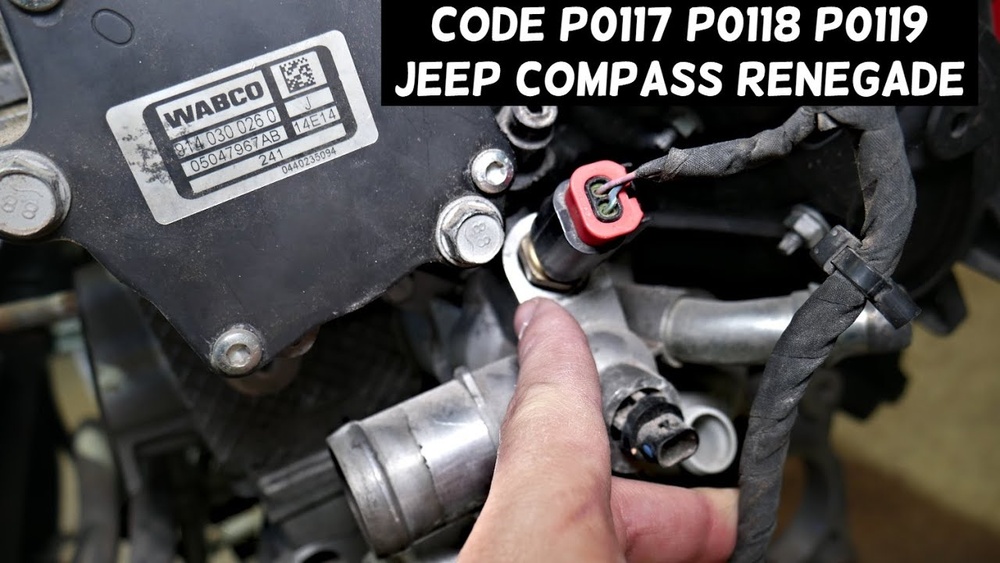
The coolant sensor usually sits near the thermostat housing. This is on the engine’s intake manifold.
Locate the sensor by following the upper radiator hose. The sensor is a small, threaded unit with an electrical connector.
It often has one or two wires attached. Make sure the engine is cool before touching the sensor. This prevents burns and injury during inspection.
Checking Sensor Condition
Start by inspecting the sensor for visible damage. Look for cracks, corrosion, or broken wires.
Check the connector for dirt or rust. Clean it gently if needed.
Use a multimeter to test sensor resistance. Compare your reading to the specifications in the Jeep manual.
A reading outside the range indicates a faulty sensor. Also, inspect the wiring harness for breaks or loose connections.
Wiring And Connector Checks
Wiring and connector checks play a key role in diagnosing the P0118 Jeep trouble code. This code signals an issue with the Engine Coolant Temperature (ECT) sensor circuit.
The sensor sends voltage signals to the Powertrain Control Module (PCM). Faulty wiring or loose connectors can cause abnormal signals.
Regular inspections help find problems early. This saves time and avoids costly repairs.
Inspecting For Damage
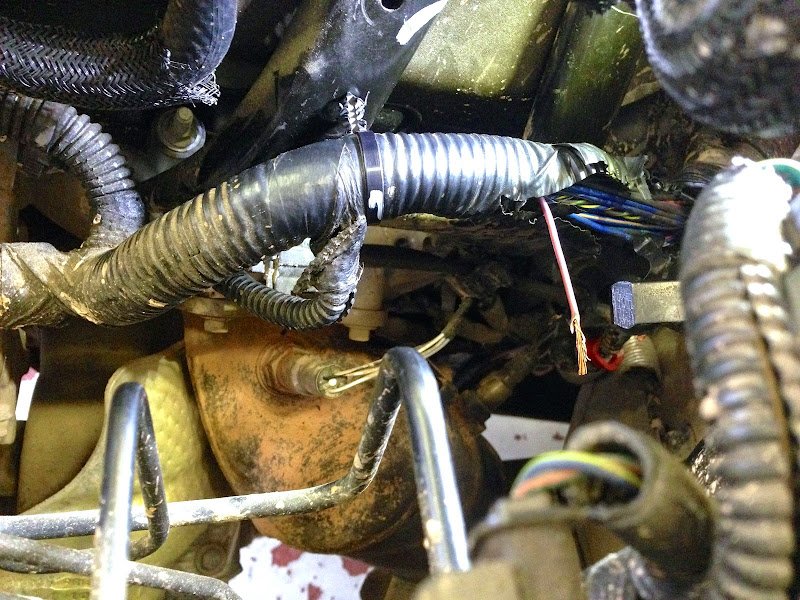
Start by examining the wiring harness near the ECT sensor. Look for cracks, cuts, or exposed wires.
Damaged insulation can cause shorts or open circuits. Check for burnt or melted areas.
These signs often indicate electrical faults. Use a flashlight to see inside tight spaces.
Gently move wires to spot hidden breaks. Replace any wires showing wear or damage.
Ensuring Secure Connections
Next, inspect the connectors attached to the ECT sensor. Ensure each connector fits tightly and locks in place.
Loose connectors cause poor signal transmission. Look for corrosion or dirt on the pins.
Clean pins with electrical contact cleaner if needed. Push the connector firmly until you hear a click.
Secure locking tabs prevent accidental disconnection. Recheck all connections after cleaning or repairs.
Coolant System Maintenance
The coolant system keeps your Jeep’s engine from overheating. Proper maintenance avoids damage and improves performance.
Regular checks help catch problems early. Two key tasks are verifying coolant levels and bleeding air from the system.
Both steps ensure the coolant flows correctly. This supports the engine temperature sensor and prevents error codes like P0118.
Keeping the system healthy means better engine life and fewer costly repairs.
Verifying Coolant Levels
Check the coolant level when the engine is cool. Open the hood and locate the coolant reservoir.
It is usually a clear plastic tank near the radiator. The level should be between the “Min” and “Max” marks.
If the level is low, add the recommended coolant type for your Jeep. Avoid mixing different coolant brands or types.
Filling too much can cause leaks, so add slowly and check again. Regularly inspecting levels prevents overheating and sensor errors.
Bleeding Air From The System
Air trapped in the coolant system causes poor circulation. This can trigger sensor faults and engine overheating.
To bleed air, run the engine with the radiator cap off. Let the engine reach normal temperature.
Watch for air bubbles escaping from the reservoir. Squeeze the upper radiator hose gently to help release trapped air.
When bubbles stop, replace the radiator cap tightly. This process ensures coolant flows smoothly and sensor readings stay accurate.

Resetting The Sensor And Codes
Resetting the sensor and codes is an important step after diagnosing or repairing the P0118 Jeep issue. It clears error codes stored in the vehicle’s computer.
This process helps turn off the Check Engine Light (CEL). It also allows the system to monitor the sensor again and check if the problem still exists.
There are two common ways to reset the sensor and codes. One uses an OBD-II scanner, a tool designed for reading and clearing trouble codes. The other involves manual reset techniques that do not require special equipment. Both methods can be done at home with some basic knowledge.
Using An Obd-ii Scanner
An OBD-II scanner is the easiest way to reset the P0118 sensor code. Plug the scanner into the vehicle’s OBD-II port, usually found under the dashboard.
Turn the ignition on without starting the engine. Follow the scanner’s instructions to read the codes.
After reading the codes, select the option to clear or erase them. This will reset the sensor and turn off the Check Engine Light.
It also allows the Powertrain Control Module (PCM) to relearn sensor data. Turn off the ignition and unplug the scanner once done.
Start the engine and check if the light stays off.
Manual Reset Techniques
Manual reset methods work without special tools. The simplest way is to disconnect the vehicle’s battery.
Use a wrench to remove the negative battery terminal. Leave it disconnected for about 15 minutes.
This cuts power to the PCM and resets stored codes.
Reconnect the battery terminal and tighten it securely. Start the Jeep and let it idle for a few minutes.
This allows the system to relearn sensor functions. Keep in mind this method also resets other systems.
It might erase radio presets or clock settings.
When To Replace The Sensor
The Engine Coolant Temperature (ECT) sensor plays a important role in your Jeep’s engine management. It tells the Powertrain Control Module (PCM) how hot the engine is.
This information helps the engine run smoothly and efficiently.
You should replace the sensor if it stops working correctly. A bad sensor can cause poor engine performance and higher fuel use.
Ignoring a faulty sensor may lead to more serious engine problems over time.
Signs Of Sensor Failure
The Check Engine Light turns on without clear reason.
The engine starts roughly, especially when warm.
You notice lower fuel economy or poor engine performance.
The temperature gauge on the dashboard shows unusual readings.
Choosing Oem Vs Aftermarket Parts
OEM parts come directly from Jeep or Mopar. They fit perfectly and meet factory standards.
Aftermarket parts may cost less but vary in quality. Some may not last as long or work as well.
For reliable performance, OEM is often the safer choice. Check reviews if you choose aftermarket parts.
Preventive Tips For Coolant Sensor Issues
The P0118 code in a Jeep signals issues with the coolant temperature sensor. Preventing these problems is key to keeping the engine running smoothly.
Simple habits and checks can stop sensor failures before they start. Staying ahead saves time and money on repairs.
Below are essential tips to keep the coolant sensor in good shape.
Regular Maintenance Practices
Check coolant levels often. Low coolant can cause wrong sensor readings.
Flush the cooling system every two years. Old coolant may damage the sensor and engine.
Inspect the sensor during regular service visits. Replace it if signs of wear appear.
Clean the sensor connector to avoid poor contact. Use only recommended coolant types for your Jeep model.
Protecting Wiring From Heat And Vibration
Keep wiring away from hot engine parts. Heat can melt or damage wires.
Use heat shields or protective sleeves on wires. Secure wires firmly to stop vibrations.
Loose wires may break or disconnect. Check wiring harnesses for cracks or corrosion.
Replace damaged wires immediately. Proper wiring care reduces false sensor signals.
Resources For Jeep Owners
Jeep owners often face unique challenges with their vehicles. Finding the right resources can simplify repairs and maintenance.
Reliable information helps diagnose issues like the P0118 error code quickly. This section highlights valuable resources for Jeep owners to get support and guidance.
Jeep Enthusiast Forums
Jeep enthusiast forums provide a community of experienced owners and mechanics. Members share tips, solutions, and personal experiences with common Jeep problems. These forums often cover detailed discussions about P0118 codes. You can ask questions and receive advice tailored to your Jeep model. Popular forums include JeepForum and Wrangler Forum.
Official Mopar Support
Mopar is the official parts and service provider for Jeep vehicles. Their website offers access to genuine replacement parts and technical service bulletins.
Mopar support also provides repair guides and warranty information. This ensures repairs meet factory standards.
Using Mopar parts helps maintain your Jeep’s performance and reliability.
Recommended Repair Videos
Repair videos offer clear, step-by-step instructions for fixing common Jeep issues. Many YouTube channels focus on Jeep maintenance and troubleshooting.
These videos help visualize the repair process for the P0118 sensor and related components. Watching repairs before starting work reduces errors and saves time.
Channels like S&E’s Garage and Auto Repair Guys are good places to start.

How Do I Fix Error Code P0118?
To fix error code P0118, check and secure the coolant temperature sensor wiring. Ensure coolant levels are adequate.
Replace a faulty sensor if needed. Clear the code with an OBD-II scanner after repairs. Consult a professional for persistent issues.
How Do I Reset My Temperature Sensor?
To reset your temperature sensor, disconnect the battery for 10 minutes, then reconnect it. Check sensor wiring and coolant level.
Restart the engine to allow the system to recalibrate. If issues persist, consult your vehicle's manual or a professional mechanic.
What Sensors Can Trigger A P0118 Code?
The P0118 code triggers from the Engine Coolant Temperature (ECT) sensor. Wiring issues or low coolant levels can also cause it.
How Serious Is The P0118 Code?
The P0118 code signals a serious coolant temperature sensor issue. It can cause engine overheating, poor fuel efficiency, and rough starts.
Prompt repair prevents engine damage and costly repairs.
Conclusion
Understanding the P0118 Jeep code helps keep your vehicle running well. This code signals an issue with the coolant temperature sensor.
Fixing it quickly avoids engine problems and saves money. Check the sensor, wiring, and coolant level for common faults.
Simple steps can prevent bigger damage to your Jeep. Stay informed and act fast for a smooth drive every time.