If you’ve noticed the traction control light glowing on your 2013 Jeep Wrangler’s dashboard, you’re probably wondering what it means and whether it’s safe to keep driving. This warning light isn’t just there for show—it’s trying to tell you that your vehicle’s traction control system has detected an issue.
Understanding why this light comes on and what you can do about it is key to keeping your Jeep running smoothly and your drives safe. You’ll learn the most common reasons behind the traction control light appearing on your Wrangler, simple steps to diagnose the problem, and practical fixes you can try yourself or discuss with your mechanic.
Don’t ignore that light—read on to take control and avoid bigger problems down the road.

Traction Control Light Basics
The traction control light is a small but important feature on your 2013 Jeep Wrangler. It helps keep your vehicle stable on slippery roads. Understanding what this light means can improve your driving safety. It also helps you know when your vehicle needs attention. This section explains the basics of the traction control light.
Purpose Of The Light
The traction control light shows the status of the traction control system. This system stops the wheels from slipping during acceleration. It helps maintain grip on wet, icy, or uneven roads. When the light turns on, it means the system is working or there is a problem. It alerts the driver to stay cautious or check the vehicle.
When It Typically Appears
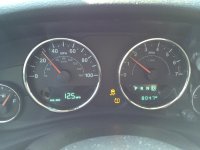
The traction control light usually appears when the system is active. This happens on slick surfaces like rain, ice, or loose gravel. The light may flash as the system helps control wheel spin. If the light stays on continuously, it may signal a fault. This could be due to a sensor issue or other mechanical problem. In normal driving, the light should turn off quickly.
Common Causes
The 2013 Jeep Wrangler traction control light can turn on for several reasons. Understanding the common causes helps you identify the issue faster. This light alerts you to problems with your vehicle’s traction system, which keeps the Jeep stable on slippery roads.
When the traction control light stays on, it usually means the system detects a fault. Some parts may be dirty, worn, or misaligned. Below are the main causes that trigger this warning light.
Wheel Speed Sensor Issues
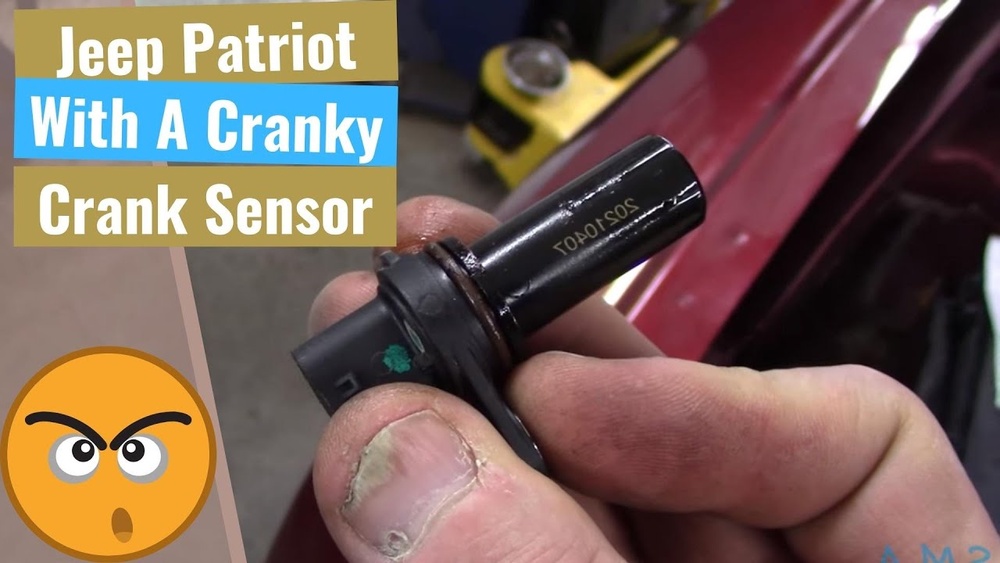
The wheel speed sensor monitors each wheel’s speed. Dirt, mud, or debris can block the sensor, causing wrong readings. Wiring problems can also damage the sensor’s signal. A faulty sensor makes the traction control light activate. Cleaning or replacing the sensor often solves the problem.
Steering Wheel Misalignment
If the steering wheel is not straight while driving, the traction system thinks the vehicle is slipping. This happens after poor alignment or a suspension lift. Misalignment sends false data to the control unit. Fixing the steering alignment usually turns the light off.
Worn Wheel Bearings
Wheel bearings support the wheels and help the sensors work correctly. On the Jeep Wrangler, the wheel speed sensor is part of the bearing assembly. A worn or damaged bearing causes sensor errors. Replacing the bad bearing clears the traction control warning.
Low Brake Fluid Levels
Brake fluid is vital for the ABS and traction control systems. Low fluid levels cause glitches in these systems. Check the brake fluid reservoir regularly. Topping it up often restores normal function and turns off the traction control light.
Diagnostic Steps
Diagnosing the 2013 Jeep Wrangler traction control light requires clear steps. Start with basic checks before deeper inspections. This approach saves time and helps spot the root cause quickly.
Using An Obd-ii Scanner
Connect an OBD-II scanner to your Jeep’s diagnostic port. This device reads error codes stored in the system. Codes related to traction control reveal specific issues. Write down the codes and look up their meanings. This step pinpoints faulty sensors or modules causing the light.
Checking Steering Wheel Alignment
Look at the steering wheel position when driving straight. Misaligned wheels cause the system to think the vehicle is slipping. Check for uneven tire wear or pulling to one side. A proper alignment adjustment can turn off the traction control light. This fix improves safety and tire life.
Inspecting Wheel Sensors And Wiring
Examine each wheel sensor closely for dirt, damage, or loose connections. Mud or debris often blocks the sensor’s signal. Also, check the wiring harness for cuts or corrosion. Damaged wires cause incorrect sensor readings. Clean or replace faulty parts to restore correct function.

Fixes And Repairs
The traction control light on a 2013 Jeep Wrangler signals issues that need attention. Fixes and repairs focus on key components that affect traction and safety. Addressing these problems promptly keeps the vehicle running smoothly and safely.
Cleaning Or Replacing Sensors
Wheel speed sensors detect the rotation of each wheel. Dirt, mud, or corrosion can block these sensors. Cleaning the sensors removes debris and restores proper function. If cleaning does not help, replacing faulty sensors is necessary. New sensors provide accurate wheel data to the traction control system.
Realigning The Steering Wheel
A misaligned steering wheel confuses the traction control system. It may think the vehicle is sliding when it is not. Realigning the wheel ensures it points straight ahead during normal driving. Proper alignment stops false traction control warnings and improves handling.
Replacing Wheel Bearings
Wheel bearings support the wheel and allow smooth rotation. On the Jeep Wrangler, sensors are part of the bearing assembly. Worn bearings cause incorrect sensor readings. Replacing damaged bearings fixes the sensor signals and turns off the traction control light.
Refilling Brake Fluid
Brake fluid is essential for the ABS and traction control system. Low brake fluid can trigger warning lights. Check the brake fluid level in the reservoir regularly. Refilling with the correct fluid type restores system function and clears warning lights.
Using Jeep-specific Tools
Using Jeep-specific tools helps diagnose traction control issues accurately. These tools communicate directly with your Jeep’s systems. They offer detailed insights beyond basic scanners. This precision saves time and money on repairs. Understanding your Jeep’s traction control light becomes easier. The right tool can identify problems quickly. This reduces guesswork and prevents unnecessary part replacements.
Benefits Of The Jscan App
The JSCAN app is designed specifically for Jeep vehicles. It connects to your Jeep’s OBD-II port using a Bluetooth adapter. This setup provides real-time data from the traction control system. JSCAN can read and clear trouble codes that generic tools miss. It also shows live sensor data like wheel speed and ABS status. The app’s user-friendly interface makes it easy to use. It supports many Jeep models, including the 2013 Wrangler. This app helps you understand what triggers the traction control light. It guides you to the exact cause, saving repair costs.
Reading Abs And Traction Codes
Reading ABS and traction control codes is crucial for diagnosis. Jeep-specific tools like JSCAN show detailed fault codes. These codes point to issues such as bad wheel speed sensors or ABS module faults. The tool can also display sensor data to verify problems. For example, it can detect a faulty wheel bearing affecting sensor readings. Knowing the exact code helps target repairs precisely. It avoids replacing parts blindly. Reading these codes regularly helps maintain your Jeep’s safety systems. It keeps the traction control system functioning properly.

Driving With The Light On
The 2013 Jeep Wrangler traction control light signals that the system is active or has detected an issue. Driving with this light on requires attention to your vehicle’s behavior and road conditions. The traction control system helps maintain grip, especially on slippery surfaces. Understanding how to respond keeps you safer on the road.
Safety Considerations
When the traction control light is on, your Jeep may have less grip on wet or icy roads. Drive slower to avoid slipping or skidding. Avoid sharp turns or sudden stops. Keep extra space between your Jeep and other vehicles. The system may not work as intended, so be cautious and alert.
When To Seek Professional Help
If the traction control light stays on during normal driving, have your Jeep checked. Persistent lights may mean a faulty wheel speed sensor or another mechanical problem. A technician can use a scanner to find error codes and pinpoint the issue. Delaying repairs can lead to bigger problems or unsafe driving conditions.
Frequently Asked Questions
Why Is The Traction Control Light Coming On In My Jeep Wrangler?
The traction control light in your Jeep Wrangler usually signals a faulty wheel speed sensor, misaligned steering, or low brake fluid. Dirt, damaged wiring, or worn wheel bearings can also trigger it. Use a diagnostic scanner to identify and fix the specific issue promptly.
What Will Cause Your Traction Control Light To Come On?
The traction control light comes on due to a faulty wheel speed sensor, misaligned steering, low brake fluid, or a bad wheel bearing. Dirt, damaged wiring, or ABS module issues can also trigger the light. Use a diagnostic scanner to identify the exact cause quickly.
How To Reset Jeep Traction Control Light?
To reset the Jeep traction control light, use an OBD-II scanner to clear error codes. Check and fix faulty wheel speed sensors or alignment issues. Ensure brake fluid is adequate. Drive normally; the light should turn off if the system detects no faults.
Can I Drive If My Traction Control Light Is On?
You can drive with the traction control light on, but drive cautiously. The system may be disabled or malfunctioning, affecting stability. Get the issue diagnosed and repaired soon to ensure safe driving.
Conclusion
The 2013 Jeep Wrangler traction control light signals important system alerts. It often points to issues like a bad wheel speed sensor or misaligned steering. Regularly checking sensors and steering alignment helps prevent problems. Using a diagnostic tool reveals the exact cause quickly.
Addressing these issues keeps your Jeep safe and stable on the road. Stay attentive to any warning lights for smooth driving. Simple maintenance can save costly repairs later. Trust your Jeep’s alerts—they protect you every mile.