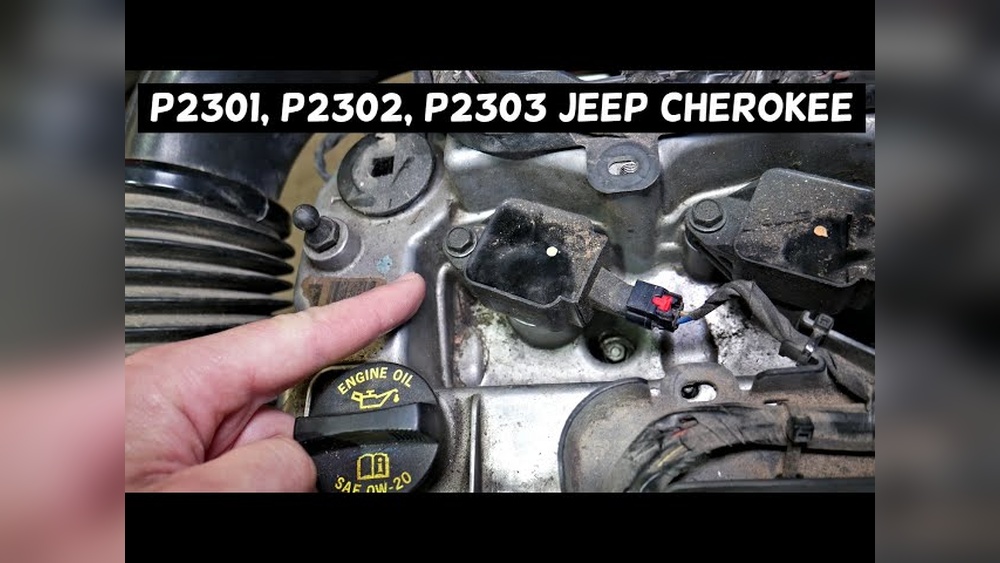
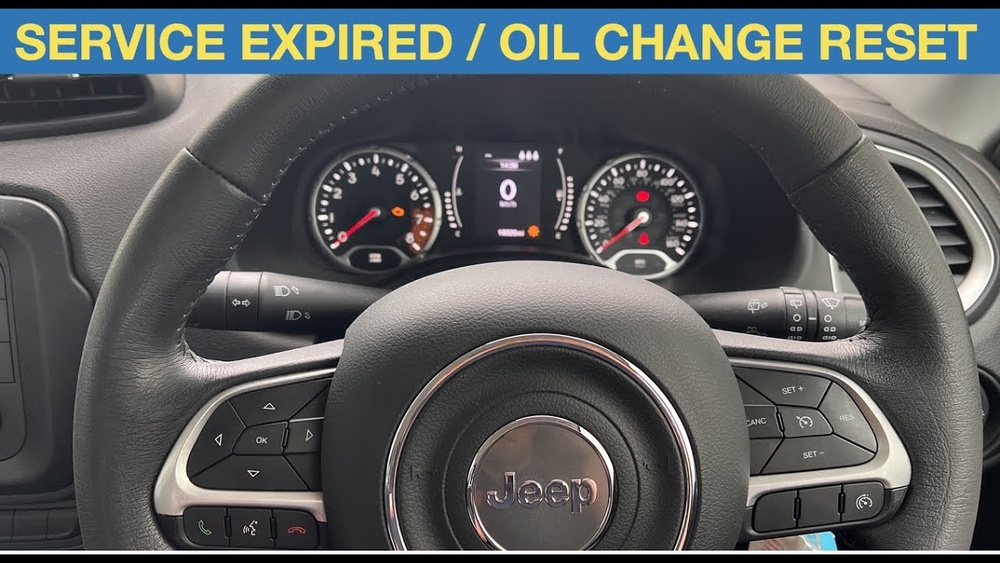
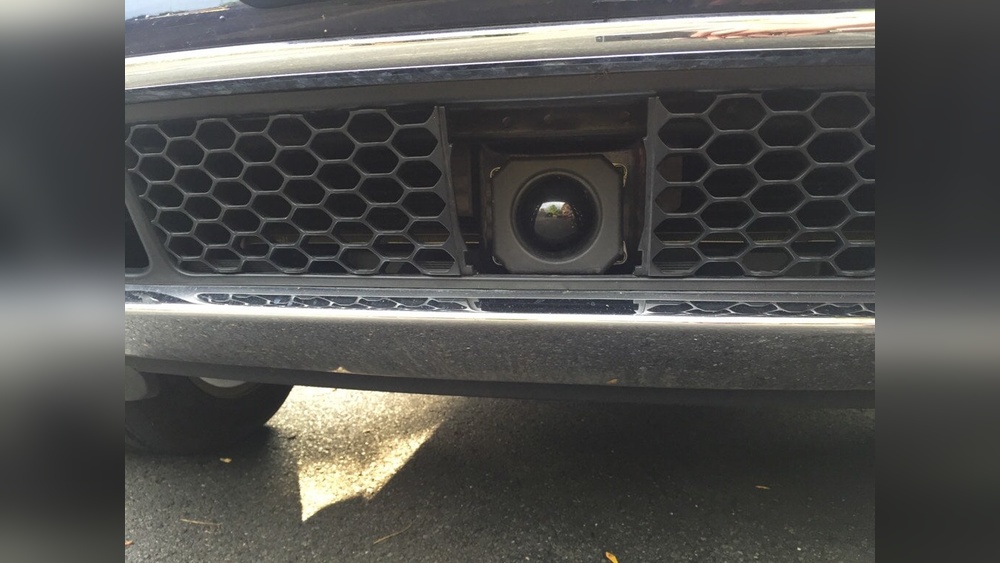
If you’ve seen the code P0298 pop up on your Jeep’s dashboard, you’re probably wondering what it means and what to do next. This warning signals that your engine oil temperature is running hotter than it should—something that can quickly lead to serious engine trouble if ignored.
But don’t worry, understanding this code and how to fix it is easier than you think. You’ll learn what causes the P0298 code, how it affects your Jeep, and the steps you can take to protect your engine and keep your ride running smoothly.
Read on to get the full picture and avoid costly repairs down the road.
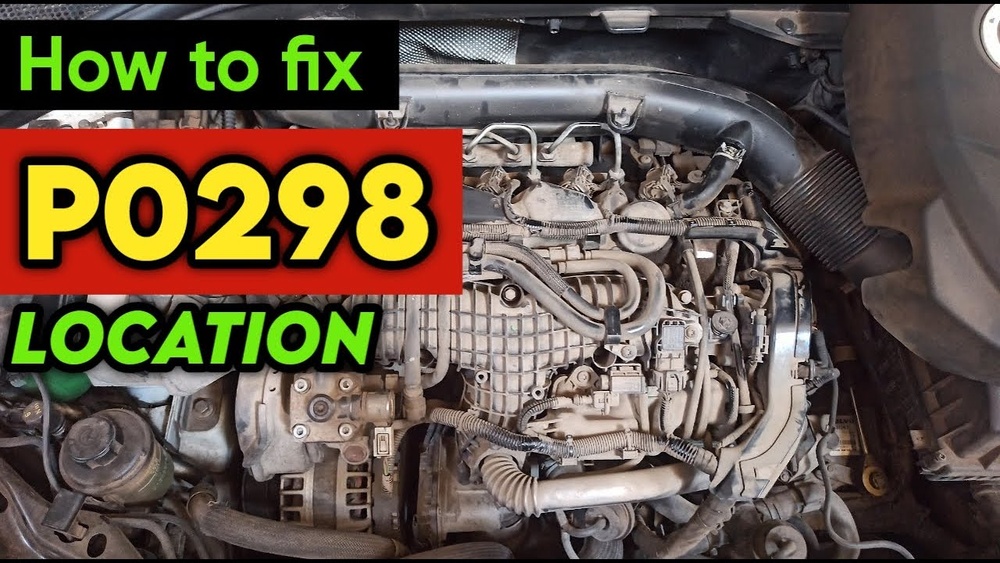

P0298 Code Basics
The P0298 code is important for Jeep owners to understand. It signals a problem with the engine’s turbocharger boost. This code shows that the boost pressure is higher than expected. Knowing the basics helps you spot issues early. Acting fast can protect your engine from damage.
This section explains what the P0298 code means. It also lists common symptoms. This information is easy to follow and useful for every Jeep driver.
What P0298 Means
The P0298 code means “Turbocharger Overboost Condition.” The engine’s computer detects too much boost pressure. Boost is the extra air the turbocharger pushes into the engine. Too much boost can cause engine damage. The code triggers when boost exceeds the safe limit. It can result from a faulty wastegate, boost leak, or sensor issues. This code helps prevent serious engine problems by warning you early.
Symptoms To Watch For
Watch for a loss of power during acceleration. The engine may run rough or hesitate. You might hear a loud whistle or hissing noise. The check engine light often turns on. In some cases, the engine may stall or fail to start. Fuel efficiency can drop noticeably. These signs show the turbo system is not working right. Catching symptoms early helps avoid costly repairs.

Common Causes
The P0298 Jeep code signals an issue with the turbocharger’s boost pressure. This code appears when the engine control module detects higher boost than expected. Several factors can cause this problem. Understanding the common causes helps in diagnosing and fixing the issue quickly.
Faulty Turbocharger Components
The turbocharger includes parts like the turbine, compressor, and wastegate. Any damage or wear to these parts can cause excess boost pressure. A stuck wastegate or a broken actuator often leads to this problem. Turbo shaft play or damaged blades also affect performance. These faults cause the boost to exceed safe limits, triggering the P0298 code.
Boost Leak Issues
Leaks in the boost system impact pressure control. Cracked hoses or loose clamps let air escape, raising boost pressure unexpectedly. Intercooler leaks or damaged pipes cause similar trouble. These leaks disrupt the airflow and confuse the engine’s sensors. The result is an overboost condition that the system flags as P0298.
Engine Overheating Effects
Overheating can worsen boost pressure problems. High engine temperatures affect turbocharger parts and sensors. Heat can cause warped components or oil breakdown in the turbo. This condition leads to inaccurate boost readings. The engine control module detects this as an overboost issue, setting the P0298 code.
Sensor Failures
Boost pressure sensors monitor turbo performance. A faulty sensor may send wrong data to the engine computer. This false information causes the system to think boost is too high. Wiring issues or sensor damage often cause this failure. Replacing the sensor usually resolves the P0298 error in such cases.
Diagnosing Boost Problems
Diagnosing boost problems in a Jeep with a P0298 code requires a careful, step-by-step approach. The code signals an overboost condition, which means the engine is receiving more boost pressure than it should. This can cause performance issues and potential engine damage. To fix this, you must check all parts related to the boost system. This process helps find the root cause and guides the right repair.
Checking For Boost Leaks
Start by inspecting all hoses and connections that carry boost air. Look for cracks, holes, or loose clamps. Even small leaks can cause pressure problems. Use a soapy water spray to spot leaks; bubbles appear where air escapes. Pay special attention to the intercooler and intake pipes. Fix any leaks found by tightening clamps or replacing damaged parts.
Inspecting Turbocharger Parts
Check the turbocharger carefully for damage or wear. Examine the turbine and compressor blades for cracks or chips. Make sure the turbo shaft moves smoothly without too much play. A worn or damaged turbo can cause overboost or underboost conditions. Also, inspect the wastegate for proper operation. Replace any faulty turbo components to restore correct boost pressure.
Testing Sensors And Pcm
Test the boost pressure sensor and manifold absolute pressure (MAP) sensor for proper function. Faulty sensors can send wrong data to the Powertrain Control Module (PCM). Use a scanner tool to read sensor data and compare it to expected values. Check the PCM for any stored error codes or signs of malfunction. Repair or replace faulty sensors or PCM to ensure accurate boost control.
Quick Fixes
Quick fixes for the P0298 Jeep error code can save time and money. This code signals the engine oil temperature is too high. Ignoring it may cause engine damage. Simple steps can help resolve this issue fast. Focus on key parts that often cause this problem. Acting early prevents costly repairs.
Replacing Faulty Sensors
Sensors monitor your Jeep’s engine oil temperature. A broken or dirty sensor sends wrong signals. Replace faulty sensors with new, OEM parts. Clean the sensor connectors before installation. This ensures accurate readings and proper engine management.
Fixing Or Replacing Hoses
Old or cracked hoses can cause overheating. Check hoses for leaks or blockages. Replace damaged hoses with correct-sized ones. Tighten all hose clamps to stop leaks. Proper coolant flow keeps the engine oil temperature normal.
Addressing Overheating
Overheating may result from low coolant or bad thermostat. Inspect the radiator fan and coolant levels. Replace a failing thermostat immediately. Flush the cooling system if coolant is dirty. These actions help maintain the correct engine temperature.
Resetting The Pcm
The Powertrain Control Module (PCM) controls engine functions. Resetting the PCM clears error codes and resets sensors. Disconnect the battery for 15 minutes to reset the PCM. Reconnect and start the engine to check if the code returns. This step often resolves temporary glitches.
Preventive Maintenance
Preventive maintenance plays a key role in avoiding the P0298 error code on your Jeep. This code signals an engine oil over temperature condition. Keeping your vehicle well-maintained helps prevent overheating and costly repairs. Simple checks and care can extend the life of your Jeep’s engine and turbo system.
Keeping Cooling System Healthy
Check coolant levels regularly to avoid engine overheating. Replace old coolant as recommended by Jeep. Inspect hoses and radiator for leaks or cracks. Make sure the thermostat and radiator fan work correctly. A healthy cooling system keeps engine temperature stable and prevents oil from overheating.
Regular Turbocharger Inspections
Inspect the turbocharger for signs of wear or damage often. Look for oil leaks around the turbo unit. Listen for unusual noises like whining or rattling. Clean the air filter to ensure proper airflow. A well-maintained turbocharger reduces stress on the engine and lowers oil temperature.
Monitoring Engine Oil Temperature
Use an oil temperature gauge or scan tool to monitor oil heat. Avoid driving hard if the oil temperature rises above normal levels. Change the engine oil and filter according to Jeep’s schedule. Use the correct oil grade to support engine cooling. Keeping oil temperature in check protects engine parts and boosts performance.

When To Seek Professional Help
Knowing when to seek professional help for a P0298 code in your Jeep is important. This code points to a turbocharger underboost issue. Some repairs require special skills and tools. Delaying expert service can lead to further damage and higher costs. Below are key situations where a professional mechanic should step in.
Complex Turbocharger Repairs
Turbocharger parts are delicate and precise. Fixing or replacing the turbocharger involves removing many engine components. A professional has the right tools and knowledge. They can test the turbocharger’s boost pressure accurately. Attempting these repairs without experience can cause more harm.
Pcm Or Electrical Issues
The Powertrain Control Module (PCM) controls many engine functions. If the P0298 code comes from PCM or sensor problems, it needs expert diagnosis. Electrical faults require specialized scanning tools. Technicians can reset or reprogram the PCM safely. Incorrect handling can lead to wrong data or system failures.
Persistent Warning Lights
If the check engine light stays on after basic fixes, professional help is necessary. Persistent warning lights may signal hidden problems. Mechanics use advanced diagnostics to find exact causes. Ignoring these alerts risks engine damage or poor performance. A trained expert ensures your Jeep runs smoothly again.
Frequently Asked Questions
Does P0298 Affect My Car’s Performance?
Yes, P0298 can reduce engine performance and fuel efficiency. It signals an engine oil over-temperature issue. Address it quickly to avoid engine damage and maintain smooth driving.
How Do You Tell If A Jeep Pcm Is Bad?
A bad Jeep PCM causes engine misfires, poor fuel economy, and warning lights. Scan for trouble codes to confirm.
How Do I Reset My Jeep Climate Control?
To reset your Jeep climate control, turn off the ignition. Press and hold the auto and off buttons simultaneously for 10 seconds. Release the buttons when the system restarts. This resets the climate control to factory settings.
Can I Drive My Jeep If It’s Overheating?
Do not drive your Jeep if it is overheating. Pull over safely to prevent engine damage. Let it cool before checking fluids.
Conclusion
The P0298 code in your Jeep signals an engine oil over-temperature issue. Ignoring this warning can cause serious engine damage. Check your coolant and oil levels regularly to prevent overheating. Address any cooling system problems quickly. Taking care of your Jeep helps it run smoothly and last longer.
Stay alert to warning signs and act fast for safe driving.