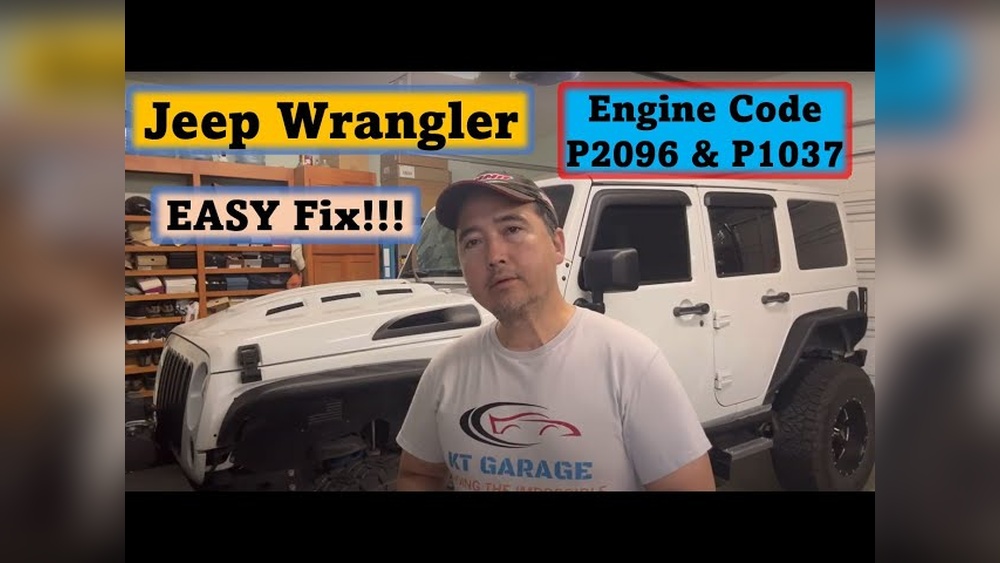
If you’ve seen the P2096 code pop up on your Jeep Wrangler’s dashboard, you’re probably wondering what it means and how it affects your ride. This error code signals a lean condition detected by the post-catalytic oxygen sensor, which can lead to performance issues or even damage if ignored.
But don’t worry—understanding what causes this problem and how to fix it can save you time, money, and frustration. You’ll discover the most common reasons behind the P2096 code, simple steps to diagnose the issue, and practical tips to get your Jeep running smoothly again.
Keep reading to protect your Wrangler and keep your adventures on track.
P2096 Code Basics
The P2096 code is a common trouble code for Jeep Wrangler owners. It signals an issue with the air-fuel mixture after the catalytic converter. This means the engine is running too lean on bank 1, sensor 2. Understanding this code helps you spot problems early and keep your Wrangler running well.
This code often relates to the oxygen sensor detecting more oxygen than expected. It can cause performance issues and reduce fuel efficiency. Knowing what triggers the code and the symptoms to watch for makes diagnosing easier.
What Triggers The Code
The P2096 code often triggers due to an exhaust leak. A crack or loose bolt in the exhaust manifold or pipe before the downstream sensor allows fresh air inside. This fresh air tricks the engine computer into thinking the engine runs lean.
Fuel delivery problems also cause this code. A failing fuel pump or clogged fuel injector may limit fuel supply. This leads to a true lean condition and triggers the code.
Symptoms To Watch For
Look for rough engine idle or hesitation during acceleration. The engine might feel less powerful or stall unexpectedly. Fuel economy often drops because the engine runs inefficiently.
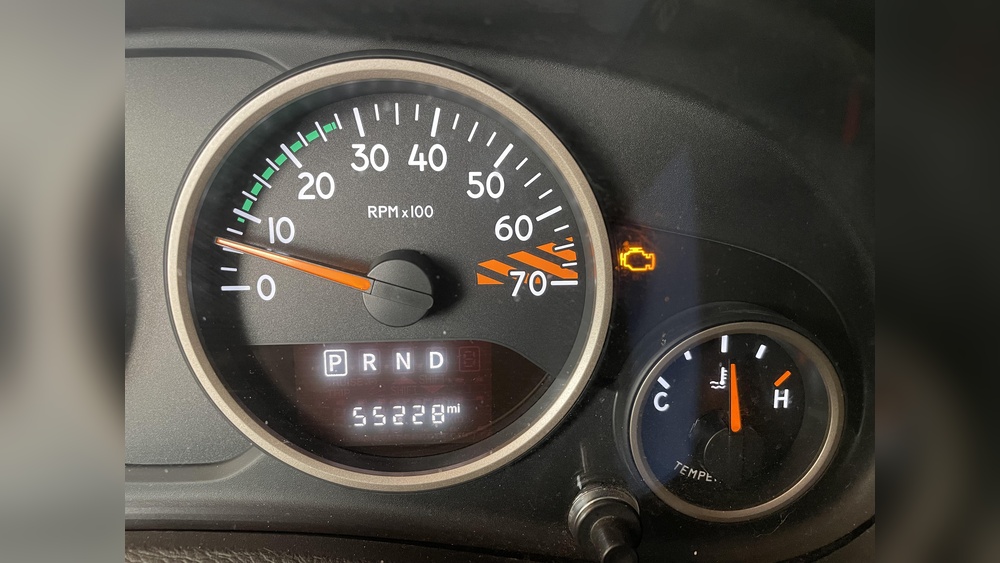
Your Jeep’s check engine light will turn on. Sometimes, you may hear unusual exhaust noises or notice a strong fuel smell. These signs point to an issue related to the P2096 code.

Common Causes
The P2096 code on a Jeep Wrangler signals a lean condition. This means the engine gets too much air or not enough fuel. Several common problems can cause this. Identifying these issues helps fix the problem faster.
Each cause affects the engine’s air-fuel mix. The engine control unit (ECU) detects this and triggers the P2096 code. Understanding these causes makes troubleshooting easier.
Exhaust Leaks
Exhaust leaks are a frequent cause of the P2096 code. A crack or loose bolt in the exhaust manifold or pipes can let fresh air in. This tricks the ECU into thinking the engine runs lean. The leak usually appears before the downstream oxygen sensor. You might hear ticking sounds or see black soot near the leak.
Fuel Delivery Problems
Fuel delivery problems can cause a real lean condition. A failing fuel pump may not supply enough fuel. Clogged fuel injectors restrict fuel flow to the engine. Both reduce fuel compared to air, leading to the P2096 code. These issues lower engine performance and cause rough idling.
Faulty Oxygen Sensors
Oxygen sensors measure exhaust oxygen levels. A faulty sensor can send wrong signals to the ECU. This causes incorrect air-fuel adjustments. The P2096 code can trigger if the sensor reads too much oxygen. Replacing bad oxygen sensors often solves the problem quickly.
Vacuum Line Issues
Vacuum lines control air flow in the engine. Cracks or loose vacuum lines let extra air into the intake. This causes a lean air-fuel mixture. The ECU detects this and sets the P2096 code. Checking all rubber and plastic vacuum lines for damage is important.
Step-by-step Diagnosis
Diagnosing the P2096 code on a Jeep Wrangler requires a clear and careful approach. This code points to a lean condition after the catalytic converter. The engine may run rough or lose power. Step-by-step diagnosis helps identify the root cause efficiently. Follow these steps to check common problem areas and fix the issue.
Checking Exhaust System
Start by inspecting the exhaust system for leaks. Look along the pipe from the engine to the catalytic converter. Listen for ticking sounds or hissing noises. Check for black soot marks around joints or cracks. A leak here lets extra air in, causing a false lean reading.
Inspecting Vacuum Lines
Next, examine all vacuum and intake lines carefully. Look for cracks, splits, or loose connections in rubber and plastic hoses. Damaged vacuum lines let air in, which can confuse the engine’s sensors. Replace any worn or broken hoses to restore proper air flow.
Testing Fuel Injectors And Pump
Fuel delivery problems also cause lean conditions. Test the fuel injectors for clogs or leaks. Ensure the fuel pump is delivering enough pressure. Low fuel supply means less fuel reaches the engine, triggering the P2096 code. Repair or replace faulty components as needed.
Scanning With Obd-ii Tools
Use an OBD-II scanner to read live data and stored trouble codes. This tool helps pinpoint sensor faults or other issues. Monitor oxygen sensor readings and fuel trim values. Reset the code after repairs and see if it returns. This step confirms the fix worked correctly.
Effective Repairs
Effective repairs on the P2096 Jeep Wrangler code focus on restoring proper air and fuel balance. This ensures the engine runs smoothly and avoids further damage. Timely and precise fixes improve performance and fuel efficiency.
Fixing Exhaust Leaks
Exhaust leaks let extra air enter the system, causing the engine to run lean. Technicians inspect the exhaust manifold and pipes for cracks or loose bolts. Repairing or replacing damaged parts stops false air readings and stabilizes engine performance.
Replacing Fuel Components
Fuel delivery issues trigger the P2096 code. Problems like a failing fuel pump or clogged injectors reduce fuel flow. Replacing these parts ensures the engine receives the right fuel amount. This fix helps maintain the proper air-fuel mixture.
Oxygen Sensor Replacement
Oxygen sensors monitor the exhaust gases to manage fuel injection. A faulty sensor sends wrong data to the engine control unit. Replacing the sensor restores accurate readings and helps fix lean condition warnings.
Vacuum Line Repairs
Vacuum lines control air flow in the engine system. Cracks or loose connections cause air leaks and lean conditions. Checking and repairing these lines prevents false air intake and improves engine stability.
Expert Troubleshooting Tips
The P2096 code in your Jeep Wrangler signals a lean condition after the catalytic converter. Fixing this issue requires careful diagnosis. Expert troubleshooting tips can help pinpoint the root cause. These tips improve accuracy and save time during repairs.
Below are some key methods used by professionals. They help detect leaks, monitor sensor data, and avoid common errors. Follow these steps for effective troubleshooting.
Using Smoke Machines
Smoke machines reveal hidden leaks in the intake or exhaust system. They pump smoke into the system, showing where air escapes. This method quickly identifies cracks or loose connections. Smoke testing is safer and more accurate than visual checks alone.
For the P2096 code, focus on areas before the downstream oxygen sensor. Look for smoke near the exhaust manifold and vacuum lines. Fix any leaks found to stop false lean readings.
Monitoring Live Data
Live data from your Jeep’s sensors gives real-time engine information. Use a scan tool to track oxygen sensor readings and fuel trims. Healthy sensors show balanced air-fuel ratios. Lean conditions cause sensor voltage to drop and fuel trims to rise.
Watch for sudden changes or inconsistent data during acceleration and idling. These clues help confirm if the lean code is valid or caused by sensor faults. Live data is essential for accurate repairs.
Avoiding Common Mistakes
Many skip thorough inspections and jump to replacing parts. This wastes money and time. Always check for exhaust leaks and vacuum issues first. Ignore sensor replacement without confirming sensor health.
Use quality parts and follow proper installation steps. Avoid over-tightening bolts or damaging hoses. Keep the wiring and connectors clean and secure. Small mistakes can cause recurring P2096 errors.
Preventive Maintenance
Maintaining your Jeep Wrangler helps avoid the P2096 trouble code. Preventive maintenance keeps your vehicle running smoothly and saves money on repairs. Regular care focuses on key systems that affect engine performance and emissions. Simple checks help catch small problems before they grow.
Regular Inspections
Check your Jeep often for signs of wear or damage. Look at hoses, belts, and connections under the hood. Inspect the exhaust system for cracks or leaks that could cause sensor errors. Early detection prevents bigger issues and keeps your Wrangler reliable.
Fuel System Care
Keep the fuel system clean and well-maintained. Replace the fuel filter regularly to avoid clogs. Use quality fuel to reduce deposits in injectors and pumps. A healthy fuel system supports proper engine mixture and prevents lean conditions that trigger the P2096 code.
Sensor Maintenance
Oxygen sensors play a vital role in engine performance. Clean or replace sensors as recommended by the manufacturer. Faulty sensors send wrong data to the engine computer, causing poor fuel mix. Proper sensor care ensures accurate readings and smooth driving.
Frequently Asked Questions
What Is The Cause Of The Code P2096?
Code P2096 indicates the engine runs too lean after the three-way catalytic converter. Common causes include exhaust leaks, faulty oxygen sensors, or fuel delivery problems.
How Much Does It Cost To Fix P2096?
Fixing code P2096 typically costs between $150 and $600, depending on parts and labor. Exhaust leaks or sensor replacements are common causes.
Can You Drive With A P2096 Code?
Driving with a P2096 code is possible but not recommended. The engine runs lean, risking damage and poor performance. Get the issue diagnosed and repaired promptly to avoid costly repairs.
Is A New O2 Sensor Required For P2096?
A new O2 sensor may not always be required for code P2096. First, check for exhaust leaks and fuel delivery issues. Replace the sensor only if it fails testing or shows damage. Proper diagnosis prevents unnecessary part replacement.
Conclusion
The P2096 code in a Jeep Wrangler points to a lean condition after the catalyst. This often means the engine gets too much air or not enough fuel. Checking for exhaust leaks and fuel delivery problems helps find the issue.
Fixing these can improve your Jeep’s performance and fuel efficiency. Regular maintenance keeps your Wrangler running strong. Stay aware of warning signs to avoid bigger problems. Taking action early saves time and money down the road.