Every Jeep owner knows the thrill of tackling tough terrain. But to get the most out of your vehicle, you must understand how to use its 4-wheel drive (4WD) system properly. Whether you face mud, snow, rocks, or steep hills, putting your Jeep in 4WD gives you extra traction and control. This guide explains the process step-by-step, highlights important details, and shares practical advice to help you drive confidently.
Understanding Jeep 4wd Systems
Jeeps have different 4WD options, depending on the model and year. It’s essential to know which system your Jeep uses before switching modes. Here are the main types:
- Part-Time 4WD: Only used when needed—on slippery or rough surfaces. Driving on dry pavement in this mode can damage your Jeep.
- Full-Time 4WD: Can be used all the time, on any surface. The system manages torque and adjusts automatically.
- Automatic 4WD: Senses wheel slip and engages 4WD as needed.
Most modern Jeeps use the Command-Trac, Rock-Trac, or Selec-Trac systems. They can be shifted using a lever or electronic knob.
| System | Activation Method | Common Models |
|---|---|---|
| Command-Trac | Manual Lever | Wrangler, Cherokee |
| Rock-Trac | Manual Lever | Wrangler Rubicon |
| Selec-Trac | Electronic Switch | Grand Cherokee |
Steps To Put Your Jeep In 4wd
Switching your Jeep into 4WD is simple, but the process depends on your model and the type of 4WD system. Here’s how to do it safely:
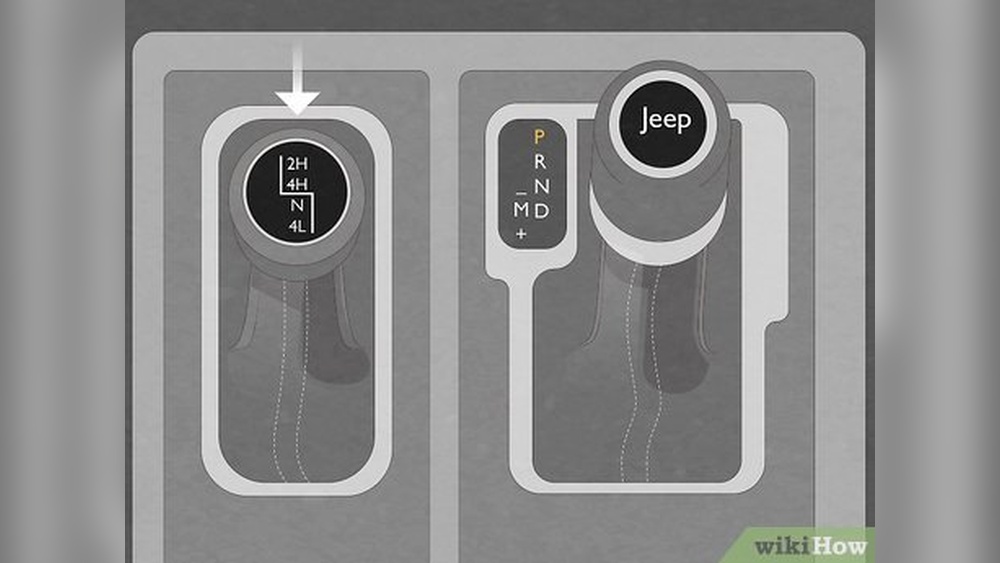
1. Identify Your 4wd Controls
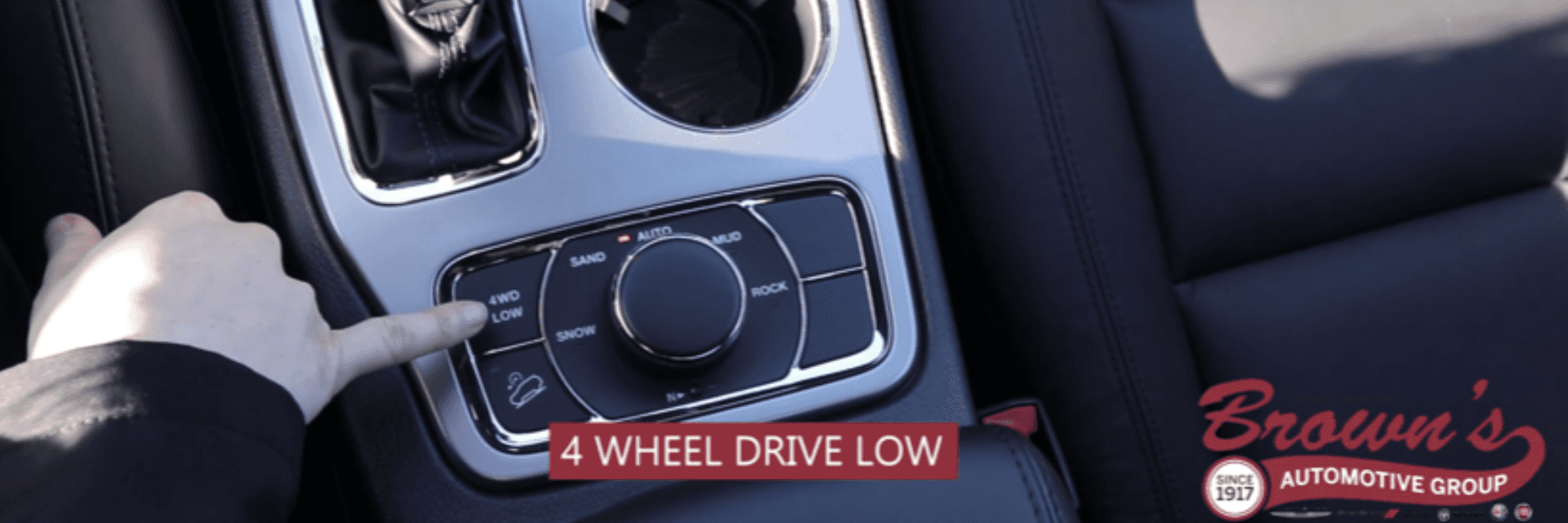
Find the 4WD lever or electronic switch near the gear shifter. Check your owner’s manual if you’re unsure.
2. Choose The Right Mode
Most Jeeps offer these settings:
- 2H (2-wheel drive high): For normal driving.
- 4H (4-wheel drive high): For slippery roads or light off-roading.
- 4L (4-wheel drive low): For steep hills, deep mud, or serious off-roading.
| Mode | Speed Range | Recommended Use |
|---|---|---|
| 2H | 0–75 mph | Dry roads |
| 4H | 0–55 mph | Snow, dirt, sand |
| 4L | 0–25 mph | Rock crawling, deep mud |
3. Engaging 4h (4-wheel Drive High)
- Slow your Jeep to under 55 mph.
- With automatic transmissions, shift into Neutral if your manual recommends it.
- Move the 4WD lever from 2H to 4H, or use the electronic knob.
- Wait for the indicator light to confirm you’re in 4H.
Most systems allow you to shift “on the fly,” meaning you don’t need to stop completely. However, avoid shifting when wheels spin rapidly.
4. Engaging 4l (4-wheel Drive Low)
- Stop your Jeep or slow to under 5 mph.
- Shift the transmission into Neutral.
- Move the lever or knob from 4H to 4L.
- Wait for the indicator light.
You’ll feel a slight jolt as the gears mesh. 4L gives maximum torque for challenging situations, but never use it on dry pavement.
5. Disengaging 4wd
- To return to 2H, slow down and shift the lever or knob back.
- Always make sure the indicator light confirms the change.
- If you hear grinding or feel resistance, stop and try again.

Common Mistakes And How To Avoid Them
Many new Jeep owners make errors that can affect performance or cause damage. Here are two often-overlooked tips:
- Avoid 4WD on dry pavement: Using 4WD when it’s not needed can strain the drivetrain and cause binding.
- Don’t shift to 4L at high speeds: Only engage 4L when stopped or moving very slowly, or you risk damaging internal gears.
Another mistake is forgetting to check tires. Uneven tire sizes can cause extra wear on the 4WD system, reducing effectiveness.
Troubleshooting: When 4wd Won’t Engage
If your Jeep doesn’t shift into 4WD, there are a few things to check:
- Make sure you’re following the right steps for your model.
- Check for warning lights or messages on the dashboard.
- Inspect the 4WD lever or switch for physical damage.
Sometimes, electrical issues or worn-out transfer case components cause problems. If you’re unsure, consult a mechanic or check the official Jeep website for guidance.
| Problem | Possible Cause | Solution |
|---|---|---|
| 4WD light stays off | Switch/lever fault | Check connections, replace switch |
| Grinding noise | Improper shifting speed | Shift to Neutral, try again slowly |
| Won’t disengage | Transfer case issue | See mechanic |

Practical Tips For Safe 4wd Use
- Always slow down before shifting between modes.
- Use 4WD in conditions where wheels might slip—mud, snow, gravel.
- Keep your tires and drivetrain maintained for smooth operation.
- Practice engaging/disengaging 4WD in a safe, open area before hitting tough trails.
A good habit is to check the owner’s manual for specific instructions and warnings. Each Jeep model has unique requirements.
Frequently Asked Questions
What Happens If I Use 4wd On Dry Pavement?
Using 4WD on dry, hard surfaces can cause drivetrain binding. This leads to extra wear and possible damage. Always use 2H for normal roads.
Can I Shift To 4wd While Driving?
Most Jeeps allow shifting to 4H at speeds below 55 mph. For 4L, you must be stopped or moving very slowly. Check your manual for details.
How Do I Know If 4wd Is Engaged?
Look for the indicator light on your dashboard. Some Jeeps also display a message or symbol. If you feel improved traction, 4WD is working.
Is It Bad To Leave My Jeep In 4wd All The Time?
For part-time 4WD systems, yes—it can cause wear and reduce fuel efficiency. Full-time systems like Selec-Trac are designed for constant use.
Where Can I Find Official Jeep 4wd Instructions?
You can find detailed instructions and troubleshooting tips on the Jeep official website.
Getting comfortable with your Jeep’s 4WD system opens up a world of adventure. With the right knowledge and a bit of practice, you can handle rough roads and tough weather safely. Remember to respect your vehicle’s limits, follow the steps for your specific model, and keep your Jeep well-maintained.
That way, you’ll enjoy every journey—on and off the road.