Bleeding the brakes on your Jeep Wrangler is one of those tasks that can save money and improve safety. Many drivers notice soft brake pedals or longer stopping distances and think about expensive repairs. Often, the answer is much simpler: air trapped in brake lines. Removing this air restores brake strength and keeps you safe on the road. Whether you drive a classic YJ or a modern JL, learning to bleed your brakes is a practical skill. This guide explains the process step-by-step, highlights common mistakes, and shares tips that even seasoned Jeep owners sometimes overlook.
Why Bleeding Brakes Matters
When air gets into brake lines, it compresses under pressure. This makes your brake pedal feel spongy and reduces stopping power. Air can enter after replacing brake pads, changing calipers, or during routine maintenance. Even small air bubbles cause issues, especially on rough trails or highways. Regular bleeding keeps your Jeep Wrangler’s brakes responsive and reliable.
Modern Wranglers use hydraulic brake systems, and bleeding them is similar across models. However, knowing your Wrangler’s year and ABS (anti-lock braking system) setup is important.
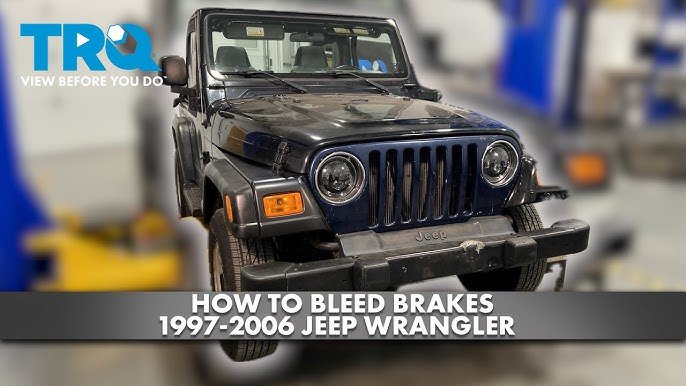
Check your owner’s manual for details if unsure.
Tools And Materials Needed
To bleed your Wrangler’s brakes safely, gather these tools:
- Brake fluid (check manual for correct type, usually DOT 3 or DOT 4)
- Wrench (usually 10mm or 11mm for bleeder valves)
- Clear plastic tubing (about 2 feet long)
- Catch bottle (for old brake fluid)
- Jack and jack stands
- Wheel chocks
- Gloves and safety goggles
Having everything ready avoids delays and messes. For best results, buy quality brake fluid and keep a spare bottle handy.

Step-by-step Brake Bleeding Process
Follow these steps to bleed your Jeep Wrangler brakes:
- Lift and Secure the Vehicle
- Park your Jeep on a flat surface.
- Use wheel chocks to block tires.
- Jack up the Jeep and place it on jack stands.
- Remove all four wheels for easy access.
- Check Brake Fluid Level
- Open the master cylinder reservoir.
- Top off with fresh brake fluid to avoid running dry.
- Identify Bleeding Sequence
- Always bleed brakes in this order:
- Right rear
- Left rear
- Right front
- Left front
- This sequence moves air from the longest line first.
| Order | Wheel Location | Distance from Master Cylinder |
|---|---|---|
| 1 | Right Rear | Farthest |
| 2 | Left Rear | Second Farthest |
| 3 | Right Front | Closer |
| 4 | Left Front | Closest |
- Attach Bleeder Hose
- Place clear tubing over the bleeder valve.
- Put the other end in a catch bottle.
- Pump and Hold the Brake Pedal
- Have a helper pump the brake pedal 3-5 times, then hold it down.
- Loosen the bleeder valve. Fluid and air bubbles flow into the bottle.
- Tighten the valve before the pedal is released.
- Check for Air Bubbles
- Watch the tubing for bubbles.
- Repeat until fluid flows clear and bubble-free.
- Move to Next Wheel
- Continue the process following the correct sequence.
- Monitor Brake Fluid Level
- Always keep the master cylinder topped up.
- Running dry means starting over.
- Final Checks
- After all wheels are done, test the brake pedal for firmness.
- Reinstall wheels, lower the Jeep, and check fluid level one last time.
Common Mistakes To Avoid
- Letting master cylinder run dry: This introduces more air and wastes time.
- Not following wheel order: Air may stay trapped if you start at the wrong wheel.
- Over-tightening bleeder valves: Can damage threads and cause leaks.
- Using wrong brake fluid: This affects performance and can damage seals.
Even skilled mechanics sometimes forget these basics. Double-check each step for best results.
Brake Fluid Types And Comparison
Choosing the right brake fluid is vital. Here’s a quick comparison of popular types:
| Type | Boiling Point (Dry/Wet) | Compatibility | Best For |
|---|---|---|---|
| DOT 3 | 401°F / 284°F | Most Wranglers | Daily driving |
| DOT 4 | 446°F / 311°F | Newer Wranglers | Heavy use, towing |
| DOT 5 | 500°F / 356°F | Not compatible | Specialty, racing |
Always check your manual or the reservoir cap. Mixing fluids can damage your brake system.

Practical Tips For Best Results
- Bleed brakes every two years or after any brake work.
- Use a one-man bleeder kit if working alone.
- After bleeding, test brakes at low speed in a safe area.
- If pedal still feels soft, bleed again or check for leaks.
- For ABS-equipped Wranglers, some models require special procedures. Consult the manual or a professional.
One tip many Jeep owners miss: changing brake fluid regularly is as important as bleeding. Old fluid absorbs moisture, lowering boiling point and causing corrosion.
Signs You Need To Bleed Brakes
- Spongy pedal: Pedal sinks or feels soft.
- Longer stopping distance: Takes more time to stop.
- Visible air bubbles: When inspecting lines.
- Recent brake repairs: After changing pads, calipers, or lines.
Ignoring these signs can lead to dangerous situations, especially on steep trails or highways.

Frequently Asked Questions
How Often Should I Bleed My Jeep Wrangler Brakes?
Most experts recommend bleeding brakes every two years or 24,000 miles. If you do off-roading, consider more frequent bleeding.
Can I Bleed Brakes Alone?
Yes, with a one-man bleeder kit or vacuum pump. However, a helper makes the job easier and faster.
What Happens If I Use The Wrong Brake Fluid?
Using the wrong fluid can damage seals, reduce performance, and cause leaks. Always check your manual for the correct type.
Do All Jeep Wranglers Have The Same Bleeding Process?
Most follow a similar process. However, models with ABS may need special steps. Always check your owner’s manual for details.
Is There A Risk If I Don’t Bleed Brakes After Repairs?
Yes. Air in brake lines reduces stopping power and can cause accidents.
Always bleed brakes after any repair involving brake fluid.
Bleeding your Jeep Wrangler brakes isn’t just a maintenance task—it’s a safety upgrade. With the right tools, clear steps, and attention to detail, you can restore firm pedal feel and reliable stopping power. For more in-depth information, visit Jeep’s official owner manual. Remember, regular brake care keeps your Wrangler trail-ready and safe for every adventure.