If you drive a Jeep Grand Cherokee, you might have noticed the manual shift feature—also known as the AutoStick or manual mode. This feature gives you more control over gear changes, letting you shift up and down without a clutch. But sometimes, you want to go back to normal automatic shifting. If you’re unsure how to turn off manual shift, you’re not alone. Many Jeep owners face this confusion, especially if they’re new to manual mode or accidentally activate it. This guide will make the process simple, clear, and worry-free, so you can drive confidently.
Understanding Manual Shift In Jeep Grand Cherokee
The manual shift mode in Grand Cherokee is designed to give drivers more control for situations like steep hills, towing, or sporty driving. When manual mode is active, you can change gears by moving the gear lever or using paddle shifters (if equipped).
How Manual Shift Works
- Gear lever: Move the lever to the left or right (depending on model) to upshift or downshift.
- Paddle shifters: On some models, use paddles behind the steering wheel.
- Display: The instrument panel will show the current gear and often display “M” for manual mode.
Many drivers accidentally activate manual mode by bumping the gear lever, especially when shifting into drive. Once in manual mode, the transmission won’t shift automatically as it usually does.
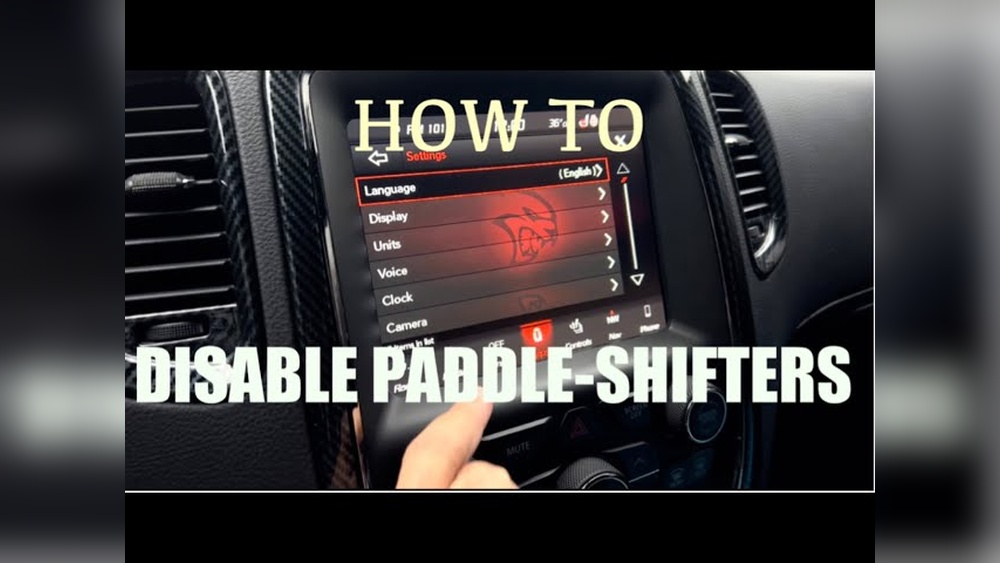
Steps To Turn Off Manual Shift
Switching back to automatic mode is simple once you know how. Follow these steps based on your Jeep Grand Cherokee model:
- Check the Display: Look for “M” or gear number on the dashboard. This shows manual mode is active.
- Return Gear Lever to Center: Gently move the gear lever back to the main “Drive” position (marked “D”). On most models, this immediately disables manual mode.
- Hold Lever in “D”: Some models require you to keep the lever in “D” for a few seconds. The display will change from “M” to “D” and gears will shift automatically.
- Ignore Paddle Shifters: If your Jeep has paddle shifters, stop using them. After a short time or a complete stop, the system will revert to automatic mode.
- Restart Vehicle (If Needed): If manual mode remains active, turn off the engine and restart. This usually resets the transmission to automatic.
Example: 2022 Jeep Grand Cherokee
In the 2022 model, shifting the lever from manual back to “D” causes the dashboard to switch from “M” to “D. ” Automatic shifting resumes immediately.

Comparing Manual Vs Automatic Mode
Understanding the difference helps you know what to expect when switching modes.
| Feature | Manual Mode | Automatic Mode |
|---|---|---|
| Gear Changes | Driver controls | System controls |
| Fuel Efficiency | Variable | Optimized |
| Ease of Use | Moderate | Easy |
| Best For | Hills, towing | Everyday driving |
Common Mistakes When Turning Off Manual Shift
Many drivers make errors when switching back to automatic. Here are some to avoid:
- Not returning the lever fully to “D”: A half-shift can keep manual mode active.
- Using paddle shifters after returning to “D”: This can re-activate manual mode.
- Ignoring dashboard indicators: Always check the display for confirmation.
- Restarting unnecessarily: Only restart if the lever reset does not work.
- Forcing the lever: Use gentle pressure to avoid damage.

When Should You Use Manual Shift?
Manual mode is useful in certain situations. Here are some examples:
- Steep hills: Prevents unwanted downshifting.
- Towing: Gives more control over power and speed.
- Sporty driving: Lets you select gears for acceleration.
- Snow or slippery roads: Helps avoid sudden gear changes.
But for everyday driving, automatic mode is easier and more efficient.
Data: Jeep Grand Cherokee Owners’ Preferences
Surveys show most owners use manual mode rarely. In a recent study:
| Driving Mode | Percentage of Owners |
|---|---|
| Automatic only | 78% |
| Manual occasionally | 19% |
| Manual frequently | 3% |
This shows manual mode is helpful but not common for most drivers.
Practical Tips For Grand Cherokee Drivers
- Always watch the dashboard: It tells you which mode you’re in.
- Practice the shift: Try switching modes in a parking lot to build confidence.
- Check your owner’s manual: Different years and trims may have small differences.
- If unsure, ask a mechanic: They can check if your transmission works as expected.
One insight many beginners miss: If you use the paddle shifters while in “D,” the car may temporarily go into manual mode but will return to automatic after a few seconds if you don’t continue shifting. Also, in some situations, the car will shift to automatic even if you forget, such as when coming to a full stop.
For more details about transmission technology, you can visit Jeep’s official site.
Frequently Asked Questions
How Can I Tell If Manual Mode Is Active?
Look for the “M” symbol or a number (like “M3”) on your dashboard. This means manual shift is turned on and you control gear changes.
Will Manual Mode Stay On After I Stop The Car?
No, most Grand Cherokees will reset to automatic mode after a full stop or when you restart the engine. However, always check the display to confirm.
Can Using Manual Mode Damage My Jeep?
Manual mode is designed for safe use. But aggressive shifting or forcing the gear lever can harm the transmission. Always shift gently and within recommended speeds.
Do All Jeep Grand Cherokees Have Manual Shift?
Most models from 2011 onwards include AutoStick or manual shift. Older models may not have this feature. Check your vehicle’s manual to be sure.
What If Manual Mode Won’t Turn Off?
First, try moving the gear lever to “D.” If the mode stays on, restart the vehicle. If it still doesn’t reset, there may be a transmission issue—consult a mechanic.
Turning off manual shift in your Jeep Grand Cherokee is simple once you know the steps. Always check your dashboard, move the lever back to “D,” and avoid unnecessary restarting. With these tips, you’ll avoid common mistakes and drive with confidence.