If you’ve noticed the check engine light flicker on in your 2014 Jeep, you’re probably wondering what’s going on under the hood. That little warning light isn’t just a random annoyance—it’s your Jeep’s way of telling you something needs attention.
But what exactly could cause it to come on? Is it something serious, or can you keep driving safely? You’ll discover the common reasons why your 2014 Jeep’s check engine light might turn on and what you should do next.
Understanding these signs early can save you time, money, and prevent bigger problems down the road. So let’s dive in and get your Jeep back on the road with confidence.
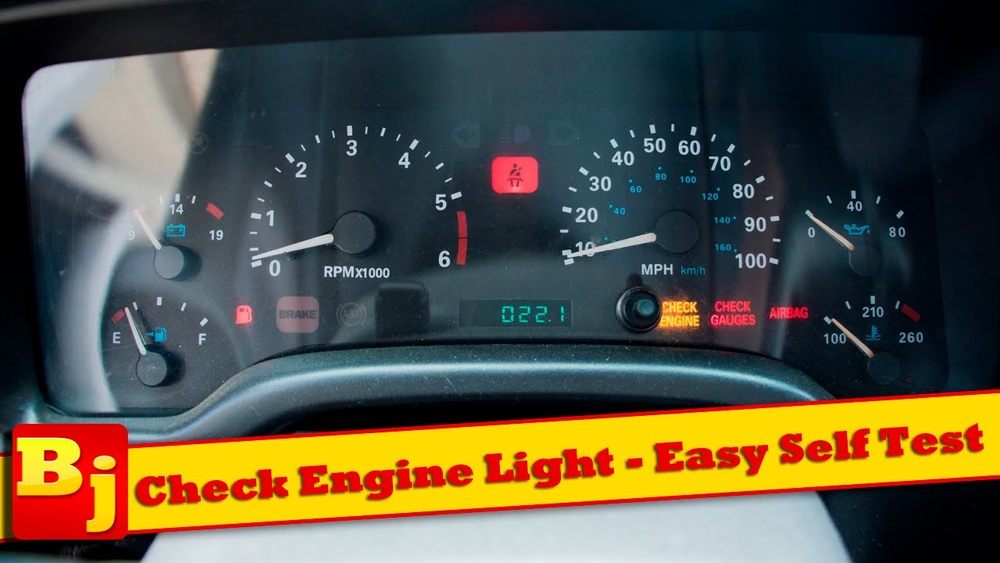
Common Engine Light Triggers
The check engine light on a 2014 Jeep often signals common engine issues. These triggers vary but usually relate to simple problems that need quick attention. Understanding these causes helps you decide the next steps to keep your Jeep running well.
Loose Or Damaged Gas Cap
A loose or damaged gas cap often causes the check engine light to turn on. This cap seals the fuel system and prevents fuel vapors from escaping. If it is not tight or cracked, the fuel system detects a leak. Tightening or replacing the gas cap usually solves this issue fast.
Faulty Oxygen Sensor
The oxygen sensor monitors the amount of oxygen in the exhaust gases. A faulty sensor sends wrong data to the engine control unit. This mistake can reduce fuel efficiency and increase emissions. Replacing a bad oxygen sensor restores proper engine performance.
Bad Catalytic Converter
The catalytic converter reduces harmful gases from the engine exhaust. When it fails, the check engine light often comes on. A bad converter can cause poor engine performance and higher emissions. Fixing or replacing the catalytic converter is necessary to pass emissions tests.
Worn Spark Plugs
Worn spark plugs cause misfires and rough engine running. They can trigger the check engine light as the engine struggles to ignite fuel properly. Replacing old spark plugs improves engine smoothness and fuel efficiency. Regular maintenance prevents this issue.
Fuel System Issues
The fuel system plays a crucial role in your 2014 Jeep’s performance. Problems in this system often trigger the check engine light. These issues affect how fuel reaches the engine and how efficiently it burns. Understanding common fuel system problems can help you spot the cause of the warning light early.
Clogged Fuel Filter
A clogged fuel filter blocks fuel flow to the engine. Dirt and debris build up over time, restricting fuel supply. This causes poor engine performance and triggers the check engine light. Replacing the fuel filter regularly keeps fuel flowing smoothly. It also prevents damage to other fuel system parts.
Fuel Injector Problems
Fuel injectors spray fuel into the engine cylinders. If they get dirty or fail, the engine runs rough or stalls. Faulty injectors can cause poor fuel economy and increased emissions. The check engine light may turn on to warn about injector problems. Cleaning or replacing injectors restores proper fuel delivery.
Fuel Pump Malfunctions
The fuel pump moves fuel from the tank to the engine. A weak or failing pump causes low fuel pressure. This results in engine misfires and hesitation. The check engine light alerts you to fuel pump issues. Fixing or replacing the fuel pump ensures steady fuel flow and smooth driving.
Engine Component Failures
The check engine light on a 2014 Jeep may turn on due to engine component failures. These failures cause the vehicle’s computer to detect problems that could affect performance or safety. Understanding these issues helps to identify the cause quickly and avoid further damage.
Engine components work together to keep the Jeep running smoothly. When one part fails, it can trigger the check engine light. Some common engine component failures include high oil pressure, snapped engine hoses, and failing clutch switches. Each of these can cause the light to appear and needs prompt attention.
High Oil Pressure
High oil pressure means the oil is not flowing properly through the engine. This can happen if the oil pump is faulty or if the oil filter is clogged. The engine may run hotter and parts can wear faster. The check engine light warns drivers to check the oil system immediately.
Snapped Engine Hoses
Engine hoses carry vital fluids like coolant and air. When a hose snaps or leaks, the engine may lose coolant or air pressure. This leads to overheating or poor engine performance. The vehicle’s computer senses these changes and turns on the check engine light to alert the driver.
Failing Clutch Switches
The clutch switch helps the Jeep start and change gears smoothly. A failing clutch switch can cause trouble starting the vehicle or shifting. The check engine light may come on to indicate this electrical or mechanical issue. Replacing the switch often resolves the problem quickly.

Electrical And Sensor Problems
The check engine light on a 2014 Jeep can come on for many reasons. Electrical and sensor problems rank high among these causes. These issues affect how your vehicle’s systems communicate and work. Faulty sensors or electrical faults trigger the warning light to alert you. Understanding these problems helps you know what to check and fix promptly.
Sensor Malfunctions
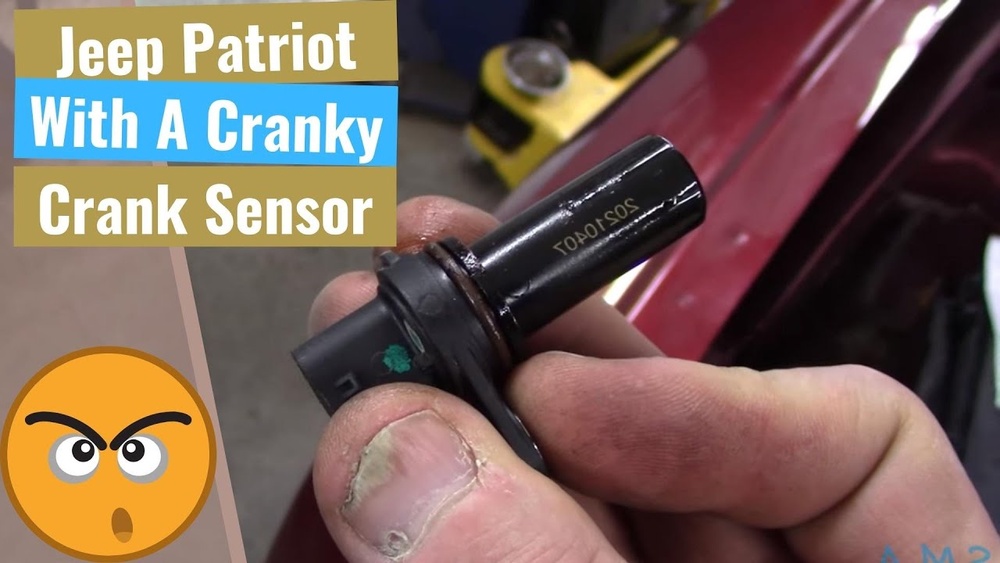
Sensors monitor engine performance and emissions. A bad oxygen sensor or mass airflow sensor can cause the light to come on. These sensors send wrong data to the engine computer. The engine then runs inefficiently or emits excess pollution. Replacing or repairing the faulty sensor often clears the issue.
Wiring And Connector Issues
Wiring connects sensors to the engine control unit (ECU). Damaged wires or loose connectors break communication. Corrosion or wear can cause shorts or open circuits. This interrupts the signals and triggers the check engine light. Inspecting and fixing wiring problems restores proper function.
Dashboard Indicator Behavior
The check engine light may flash or stay solid. A flashing light usually means a serious problem. It warns you to stop driving and seek help. A steady light signals a less urgent but important fault. Both patterns mean the vehicle needs diagnostic testing to find the root cause.
Driving With The Light On
Seeing the check engine light on your 2014 Jeep can cause worry. It signals a problem with your vehicle’s system. Understanding how to drive safely when this light appears matters. You need to know when it’s safe to keep going and when to stop immediately. Acting fast can save your Jeep from serious damage and keep you safe on the road.
When It’s Safe To Drive
If the check engine light stays steady and does not flash, you can usually drive for a short time. This means the problem is not urgent. Your Jeep might still run okay but should be checked soon. Avoid heavy acceleration and keep your speed moderate. Watch for any new noises or changes in how your Jeep drives.
Risks Of Ignoring The Light
Ignoring the check engine light can lead to bigger problems. Small issues may become costly repairs. The engine might run poorly or stall unexpectedly. Fuel efficiency can drop, wasting gas. In some cases, driving with the light on can damage the engine or emission system. This puts your safety and your Jeep at risk.
Steps To Take Immediately
First, check if the gas cap is loose or missing. Tighten it if needed and see if the light turns off. If the light keeps shining, reduce your speed and avoid hard driving. Schedule a diagnostic test with a mechanic as soon as possible. Use an OBD-II scanner if you have one to read the error codes. Do not ignore flashing lights; stop driving and get help immediately.
Diagnosing And Resetting The Light
The check engine light on a 2014 Jeep signals the vehicle’s computer has detected an issue. Diagnosing and resetting this light helps identify problems early. It also prevents unnecessary repairs and keeps the Jeep running smoothly. Understanding how to read error codes and clear the light can save time and money. Here are some simple steps to diagnose and reset the check engine light.
Using An Obd-ii Scanner
An OBD-II scanner plugs into the Jeep’s diagnostic port. It reads trouble codes stored by the engine control unit. These codes reveal what caused the check engine light to come on. Many auto parts stores offer free scanning services. You can also buy affordable scanners for personal use. Once connected, the scanner displays error codes and their meanings. This helps pinpoint issues like a loose gas cap or faulty sensor.
Resetting The Check Engine Light
After fixing the problem, you can reset the check engine light. The OBD-II scanner usually has a reset function. This clears the stored codes and turns off the light. Another method is disconnecting the Jeep’s battery for a few minutes. This resets the vehicle’s computer but may erase other settings. Remember, resetting the light without fixing the issue will cause it to come back. Proper repairs are essential before clearing the warning.
When To Visit A Mechanic
Some check engine light problems need professional help. If the light flashes or stays on after resets, visit a mechanic. Complex issues like transmission faults or engine misfires require expert diagnosis. Mechanics use advanced tools to find and fix hidden problems. Driving with a serious issue can damage the Jeep further. Always get a professional opinion for persistent or severe check engine light warnings.
Preventive Maintenance Tips
Keeping your 2014 Jeep in good shape helps prevent the check engine light from turning on. Simple maintenance steps catch problems early. These steps save time and money. Follow these easy tips to keep your Jeep running smoothly.
Regular Oil Changes
Change the oil regularly to keep the engine healthy. Old oil can cause engine parts to wear out faster. Follow the manufacturer’s recommended schedule. Use the right oil type for your Jeep. Clean oil helps the engine run better and reduces the chance of warning lights.
Checking Gas Cap Tightness
A loose gas cap can trigger the check engine light. Always tighten the gas cap after refueling. A damaged or missing cap should be replaced quickly. This small step stops fuel vapors from leaking. It keeps your Jeep’s fuel system working right and avoids false warnings.
Scheduled Engine Inspections
Have the engine inspected on schedule by a professional. Regular checks find small problems before they grow. Mechanics can test sensors, belts, and other parts. Early fixes keep the engine running well. Follow the service intervals in your Jeep’s manual. This prevents unexpected check engine lights and costly repairs.
Frequently Asked Questions
Can I Drive My Jeep With The Engine Light On?
You can drive your Jeep briefly with the engine light on. Get the issue diagnosed soon to avoid damage.
Why Is The Check Engine Light On In My 2014 Jeep?
The check engine light on your 2014 Jeep can indicate issues like a loose gas cap, faulty oxygen sensor, or engine problems. It signals your vehicle needs diagnostic testing to identify the exact cause. Addressing the issue promptly helps prevent further damage and ensures safe driving.
What Is The First Thing To Check When The Check Engine Light Comes On?
Check the gas cap first; ensure it’s tight and not damaged. A loose cap often triggers the check engine light.
Can I Still Drive My Car If The Check Engine Light Just Came On?
Driving with the check engine light on is possible but not always safe. Check for blinking lights or unusual noises. Visit a mechanic soon to diagnose and fix issues to prevent damage.
Conclusion
The check engine light on a 2014 Jeep signals a possible issue. It might be a loose gas cap or a sensor problem. Ignoring the light can cause bigger problems later. Always check the simplest causes first. Getting a diagnostic scan helps find the exact issue.
Fixing problems early saves time and money. Keep your Jeep running smoothly and safely by paying attention to this warning. Don’t wait until the problem worsens. Stay proactive and protect your vehicle’s performance.