If you own a Jeep Grand Cherokee, keeping track of oil changes is important for engine health. Your Jeep uses a system that tracks oil life, then reminds you when it’s time for service.
After changing the oil, you must reset the oil change indicator. If you skip this step, the reminder will keep appearing—even if the oil is fresh.
Resetting the indicator is a simple process, but many owners find it confusing, especially if instructions are unclear or missing. This guide will show you how to reset the oil change light on your Jeep Grand Cherokee, why it matters, and common mistakes to avoid.
Understanding The Oil Change Indicator
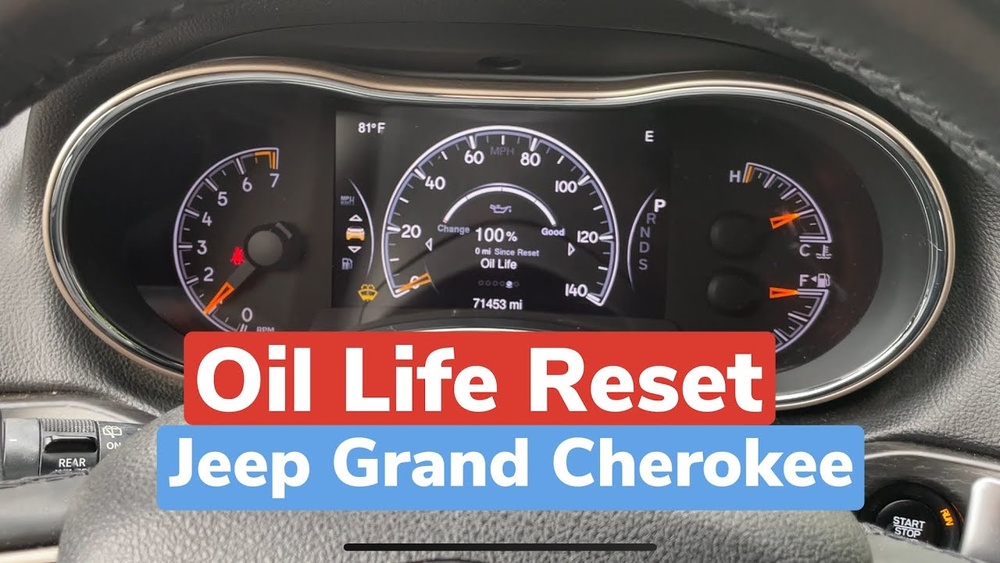
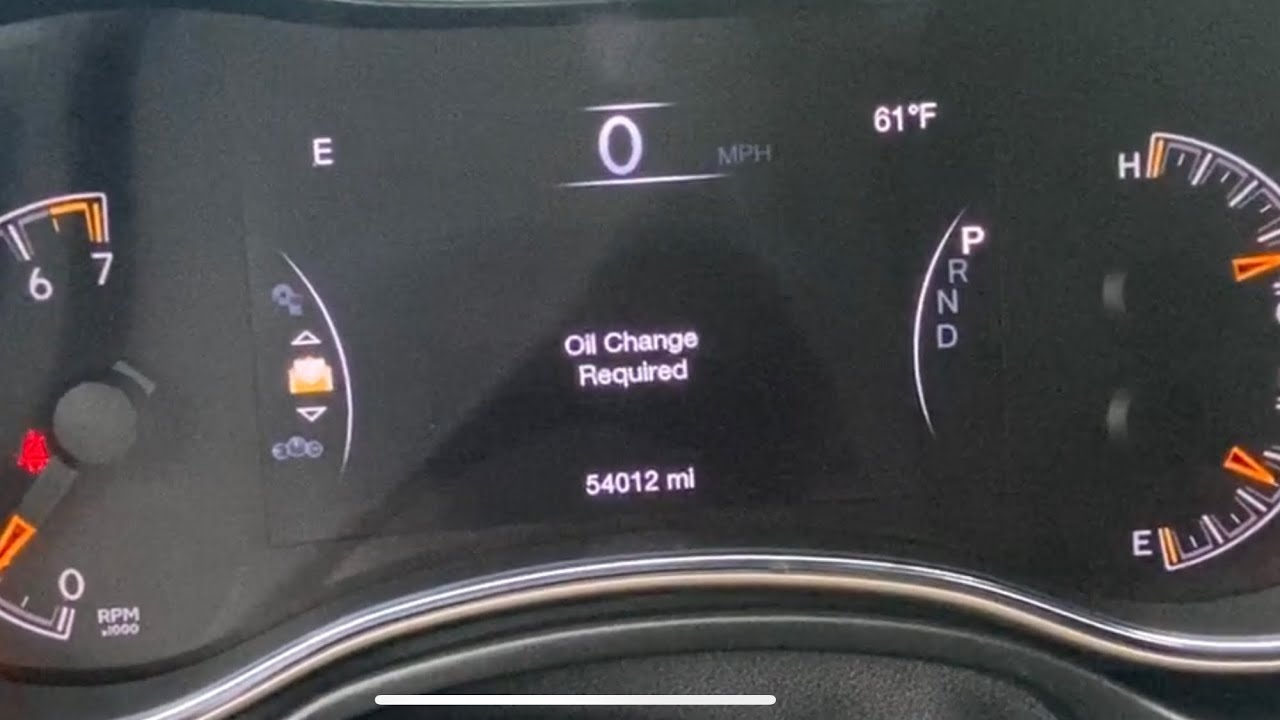
The oil change indicator is a part of your Jeep’s maintenance system. It monitors driving habits, engine hours, and mileage to estimate when your oil needs replacement. When it’s time, you’ll see a warning message like “Change Oil Soon” or “Oil Change Required” on your dashboard. Resetting this indicator is not automatic—it requires a manual step after each oil change.
How The System Works
- The system calculates oil life based on driving conditions.
- It alerts you before the oil life reaches zero.
- Failing to reset after an oil change can cause inaccurate reminders.
This reminder helps prevent engine damage due to old oil. According to the Jeep Owner’s Manual, regular oil changes and accurate resets can improve engine lifespan by up to 20%.
Steps To Reset The Oil Change Light
Resetting the oil change light on your Jeep Grand Cherokee is quick, but the steps can vary depending on the model year. Here’s a breakdown for the most common models:
For Models 2011–2022
- Turn the ignition to the “Run” position (do not start the engine).
- Press the accelerator pedal slowly three times within 10 seconds.
- Turn the ignition off.
For Models 2023 And Newer
- Turn the ignition to “Run” (with foot off the brake, press “Start” button once).
- Navigate to the “Vehicle Info” menu using the steering wheel controls.
- Select “Oil Life.”
- Press and hold the “OK” button until the oil life resets to 100%.
Quick Reference Table
Here’s a summary for different model years:
| Model Year | Reset Method | Oil Life Display |
|---|---|---|
| 2011–2022 | Accelerator pedal (3x) | Dashboard warning |
| 2023+ | Steering wheel controls | Digital screen |
Many owners miss the importance of turning the ignition to “Run” instead of “Start. ” If you start the engine, the reset won’t work.
Why Resetting Matters
Resetting the oil change indicator is more than just clearing a light. It ensures your Jeep’s maintenance system works correctly and avoids confusion.
Benefits Of Resetting
- Accurate reminders: Prevents early or late oil changes.
- Engine protection: Keeps oil changes on schedule.
- Resale value: Shows maintenance history to buyers.
Failing to reset can lead to overuse of old oil, which increases wear and reduces fuel efficiency by up to 5%. If you plan to sell your Jeep, a well-maintained service record is a plus.
Common Mistakes And Solutions
Many Jeep owners face issues when resetting the oil change light. Here are some frequent mistakes:
- Not pressing the pedal fully or quickly enough.
- Starting the engine instead of turning to “Run.”
- Forgetting to press “OK” on newer models.
Troubleshooting Table
If your oil change light won’t reset, check these solutions:
| Problem | Possible Cause | Solution |
|---|---|---|
| Light stays on | Wrong ignition mode | Repeat steps in “Run” mode |
| No response | Pedal not pressed fully | Press pedal to the floor |
| Indicator resets, returns later | Oil not changed, only reset | Change oil, then reset |
A non-obvious tip: If your Jeep has a push-button start, make sure the engine is off, then press the button without your foot on the brake. This puts the car in “Run” mode for the reset.
How Often Should You Change Oil?
The recommended interval for oil changes depends on your driving style and environment. For most Jeep Grand Cherokees, change oil every 5,000–7,500 miles. If you drive in extreme conditions (hot weather, towing, dusty roads), consider changing oil every 4,000 miles.
Oil Change Frequency Data
| Driving Condition | Recommended Interval |
|---|---|
| Normal | 5,000–7,500 miles |
| Severe | 4,000 miles |
| Highway | 7,500 miles |
Always use the oil grade recommended in your owner’s manual. Using incorrect oil can trigger the indicator early.
Expert Tips For A Smooth Reset
- Make sure the oil change is complete before resetting.
- Check the oil level after the reset, not just before.
- Keep receipts or records for each oil change and reset.
- If the indicator doesn’t reset after two tries, consult your dealer.
Some Jeep mechanics recommend waiting a few seconds between each pedal press for older models. This reduces the chance of missed resets.

Frequently Asked Questions
How Do I Know If My Oil Change Reset Worked?
After resetting, the oil life should display 100% on your dashboard or screen. If the indicator message disappears and does not return, the reset was successful.
Can I Reset The Oil Change Light Without Changing The Oil?
Technically, yes. But this is not recommended.
The reminder is for engine health. Skipping the oil change and only resetting the indicator can cause engine damage.
What Happens If I Forget To Reset The Oil Change Light?
Your Jeep will keep reminding you to change the oil, even after it’s been replaced. This can lead to confusion and inaccurate maintenance records.
Is The Reset Process The Same For All Jeep Models?
No. The steps may vary by model year and trim. Always check your owner’s manual or visit the official Jeep Owners Site for specific instructions.
Will Resetting The Oil Change Light Void My Warranty?
Resetting the indicator does not affect your warranty. However, skipping oil changes or using the wrong oil can void parts of your warranty.
Taking the time to properly reset your oil change indicator keeps your Jeep Grand Cherokee running smoothly. It’s a simple step, but it protects your engine and helps you stay organized with maintenance.
If you follow the instructions carefully and avoid common mistakes, you’ll save money and avoid stress.