If you drive a Jeep Compass, you may have seen the tire pressure warning light pop up on your dashboard. This light can be annoying, and sometimes it stays on even after you fix your tires. Knowing how to reset the tire pressure light saves you time and worry. Let’s break down the steps, clear up common mistakes, and explain why this light matters for your car’s safety.
Why The Tire Pressure Light Comes On
Your Jeep Compass uses a Tire Pressure Monitoring System (TPMS). This system checks the air in each tire and alerts you if any tire is below the recommended level. Usually, the light turns on when:
- One or more tires have low air pressure
- You recently changed or rotated tires
- The weather has changed (cold air can lower tire pressure)
- The TPMS sensor has a problem
Driving with low tire pressure can be dangerous. It can make your car harder to control, increase stopping distance, and lower fuel efficiency. According to the National Highway Traffic Safety Administration (NHTSA), under-inflated tires cause thousands of accidents each year.
Checking Tire Pressure Correctly
Before you reset the light, you need to check your tire pressure. Many people make mistakes here, so follow these steps:
- Find the recommended tire pressure. The sticker is inside the driver’s door, or check your owner’s manual.
- Use a digital tire gauge for accuracy.
- Check the tires when they are cold, not after driving.
- Add air if needed. Do not overinflate.
- Make sure all four tires match the recommended pressure.
Here’s a quick comparison of common tire pressure tools:
| Tool | Accuracy | Ease of Use | Price Range |
|---|---|---|---|
| Digital Gauge | High | Easy | $10-$25 |
| Pencil Gauge | Medium | Easy | $5-$15 |
| Dial Gauge | High | Moderate | $15-$30 |
Always choose a digital gauge for best results.

How To Reset Tire Pressure Light On Jeep Compass
Once your tires are at the correct pressure, you can reset the light. The process is simple, but the light will not turn off instantly. Let’s walk through the steps:
- Drive your Jeep at speeds above 15 mph for 10–20 minutes. The TPMS system needs this time to read the sensors again and update the dashboard.
- If the light stays on, turn off the engine and restart after a few minutes. Sometimes, the system needs a fresh start.
- Still on? Check all tires again, including the spare tire if your Compass has a sensor in it. This is a common step people miss.
- If the light remains, try a manual reset:
- Turn the ignition key to “ON” (not start).
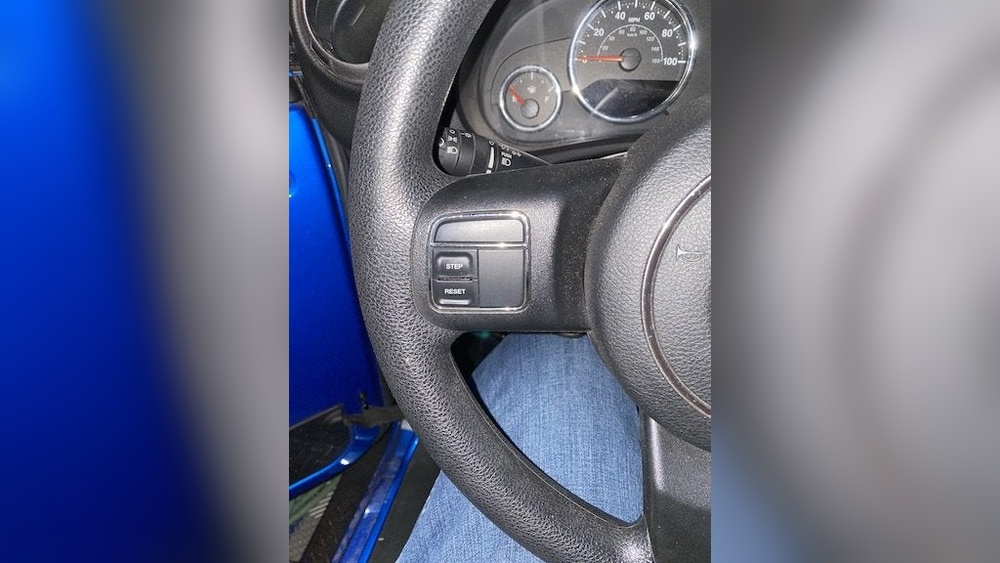
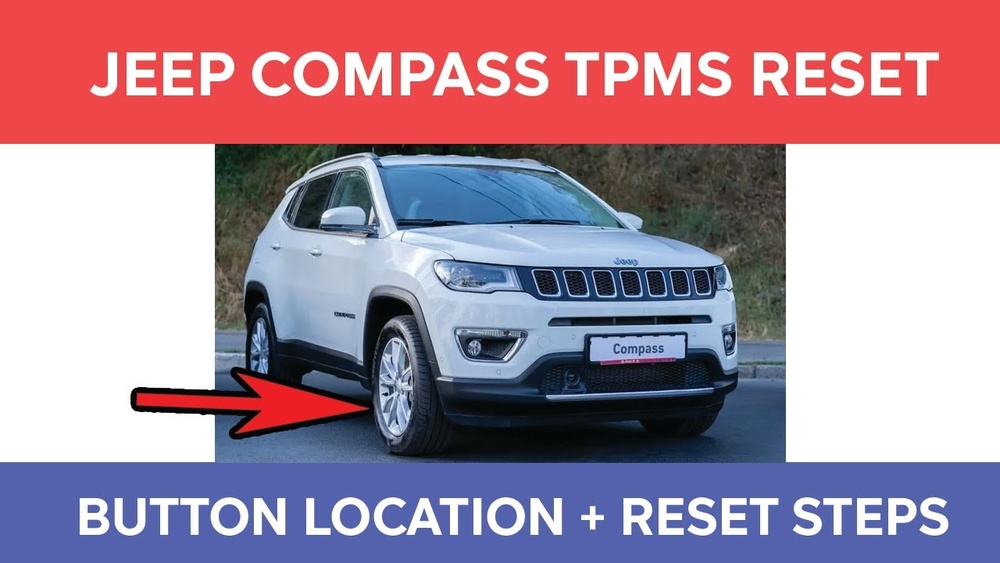
- Press and hold the TPMS reset button (usually below the steering wheel) until the light blinks three times.
- Start the engine and drive for a few minutes.
- Not all models have a reset button, so check your manual.
- If nothing works, the TPMS sensors may be faulty or need recalibration. Visit your dealer or a tire shop for diagnosis.
Here’s how the reset steps compare for different Jeep Compass models:
| Model Year | Reset Button | Auto-Reset | Sensor Type |
|---|---|---|---|
| 2017–2019 | No | Yes | Direct |
| 2020–2024 | Yes | Yes | Direct |
Older models may not have a reset button, so rely on auto-reset by driving.
Common Mistakes To Avoid
Resetting the tire pressure light seems easy, but many drivers make mistakes:
- Ignoring the spare tire: Some Jeep Compass models have a sensor in the spare. Low pressure here keeps the light on.
- Overfilling tires: Too much air can trigger the warning. Always match the recommended level.
- Not checking after weather changes: Cold weather lowers pressure. Check tires regularly in winter.
- Using worn-out gauges: An old or damaged tire gauge gives wrong readings.
These mistakes waste time and can lead to costly repairs.

When To Seek Professional Help
If you follow all steps and the light stays on, it could be a sensor issue. TPMS sensors last 5–10 years but can fail early. Replacing a sensor costs $50–$100 per wheel. Sometimes, the system needs recalibration after a tire change. Dealers and tire shops have special tools to diagnose and reset the system. According to Consumer Reports, regular TPMS checks prevent bigger problems.
Practical Tips For Reliable Tpms Performance
- Check tire pressure monthly, not just when the light comes on.
- Replace sensors every 5–7 years, especially on older Compass models.
- Use quality air compressors and gauges.
- If you switch to winter tires, make sure they have TPMS sensors installed.
- Don’t ignore the warning light—it protects your safety.
Frequently Asked Questions
How Do I Know The Correct Tire Pressure For My Jeep Compass?
Look for the sticker inside the driver’s door or check your owner’s manual. Most Compass models recommend 32–35 psi, but always confirm for your year and trim.
Can Cold Weather Cause The Tire Pressure Light To Come On?
Yes. Cold air reduces tire pressure. For every 10°F drop in temperature, tires lose about 1 psi. Check your tires often in winter.
What Happens If I Ignore The Tire Pressure Warning Light?
Ignoring the light leads to unsafe driving, lower fuel economy, and faster tire wear. It can also damage the TPMS system over time.
Do I Need To Reset The Light After Every Tire Rotation?
Usually, the system resets itself after a short drive. If the light stays on, check all tires and follow the reset steps. Some models need manual reset after rotation.
Can I Drive With The Tpms Light On If My Tires Look Fine?
It’s not safe. The light means something is wrong, even if the tires appear okay. Always use a gauge to check pressure, and fix the issue before driving far.
Resetting the tire pressure light on your Jeep Compass is a simple task if you follow the correct steps. It keeps your car safe and efficient. Avoid common mistakes, use the right tools, and check tire pressure often. If the light does not turn off after trying everything, professional help is the smartest choice. Remember, the TPMS light is there for your safety—never ignore it.