If you own a Jeep Wrangler and have noticed your check engine light popping on, there’s a good chance the P0132 code is behind it. This code signals a problem with your vehicle’s oxygen sensor, specifically that it’s sending a voltage that’s too high.
You might be wondering what that means for your Wrangler’s performance and fuel efficiency. Ignoring this issue can lead to rough idling, poor gas mileage, and increased emissions—problems no Jeep owner wants to face. You’ll learn how to recognize the symptoms, understand the common causes, and discover practical steps to fix the P0132 code so your Wrangler runs smoothly again.
Keep reading to get your Jeep back on the road with confidence.
Symptoms Of P0132 Code
The P0132 code in a Jeep Wrangler signals a high voltage issue in the oxygen sensor circuit. This trouble code often leads to noticeable symptoms. Recognizing these signs early helps prevent further damage and costly repairs.
The symptoms mainly affect the engine’s performance and fuel efficiency. Drivers may experience a rough idle or hesitation during acceleration. Understanding these symptoms makes it easier to diagnose and address the problem promptly.
Check Engine Light Behavior
The Check Engine Light usually turns on when the P0132 code appears. It may stay lit constantly or blink intermittently. Ignoring this warning can lead to more serious engine problems over time. Immediate attention to the light helps maintain vehicle health.
Fuel Economy Impact
Fuel economy often drops with a P0132 code. The engine may burn more fuel than usual. Drivers might notice fewer miles per gallon on their trips. This issue increases fuel costs and reduces overall vehicle efficiency.
Engine Performance Issues
Engine performance can suffer due to this code. The vehicle may run rough or stall unexpectedly. Acceleration might feel sluggish or uneven. These issues reduce driving comfort and can signal worsening engine conditions.
Common Causes Of P0132
The P0132 code on a Jeep Wrangler means the oxygen sensor voltage is higher than normal. This issue affects the engine’s performance and fuel efficiency. Understanding what causes this code helps in fixing the problem quickly.
Several factors can trigger the P0132 code. Some are easy to spot, while others need a closer look. Here are the common causes to check first.
Faulty Oxygen Sensor
The most common cause is a faulty oxygen sensor. This sensor measures the oxygen level in the exhaust. If it sends wrong signals, the engine control unit gets confused. A bad sensor may show high voltage, causing the P0132 code. Sensors wear out over time and need replacement.
Wiring And Connector Problems
Wiring issues can also cause this trouble code. Damaged wires or loose connectors affect sensor signals. Corroded or broken connectors create false readings. Inspect wiring harnesses near the oxygen sensor for cuts or burns. Fixing wiring problems often clears the code fast.
Exhaust Leaks
Leaks in the exhaust system can raise sensor voltage. Small cracks or holes let extra air in. This air changes the oxygen sensor’s reading. Look for leaks near the sensor or exhaust manifold. Repairing leaks helps restore proper sensor function and stops the code.
Fuel System Issues
Fuel problems can lead to high oxygen sensor voltage too. A rich fuel mixture causes excess fuel in the exhaust. This situation makes the sensor signal go high. Faulty fuel injectors or a bad fuel pressure regulator can cause rich running. Check the fuel system parts for faults.
Diagnostic Steps
Diagnosing the P0132 code on a Jeep Wrangler requires a systematic approach. This helps identify the exact cause behind the high voltage from the oxygen sensor. Following clear diagnostic steps saves time and avoids unnecessary parts replacement.
Reading Trouble Codes
Start by using an OBD-II scanner to read trouble codes. This confirms the presence of code P0132. The scanner shows if the code is current or pending. Clear any old codes before running new tests. This ensures accurate results.
Performing Sensor Voltage Tests
Next, test the oxygen sensor’s voltage output. Connect a digital voltmeter to the sensor signal wire. Monitor voltage while the engine runs at operating temperature. Voltage should fluctuate between 0.1 and 0.9 volts. A constant high voltage indicates a sensor problem.
Checking For Wiring Damage
Inspect wiring and connectors leading to the oxygen sensor. Look for frayed wires, corrosion, or loose plugs. Damaged wiring can cause false high voltage readings. Repair or replace any faulty wiring before further testing.
Inspecting Exhaust System
Examine the exhaust system for leaks near the oxygen sensor. Leaks can cause inaccurate sensor readings. Check the exhaust manifold and gasket areas carefully. Seal any leaks found to restore proper sensor function.
Fixing Oxygen Sensor Problems
Fixing oxygen sensor problems is essential for your Jeep Wrangler’s performance. A faulty oxygen sensor can cause poor fuel economy and higher emissions. It may also trigger the P0132 code, indicating a high voltage issue. Repairing these problems quickly helps your engine run smoothly and efficiently.
Replacing The Oxygen Sensor
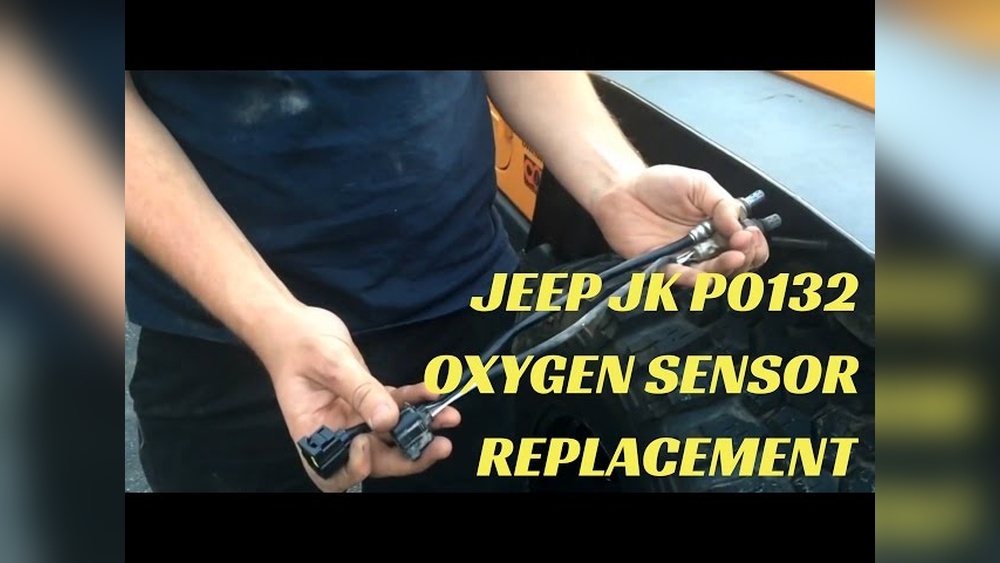
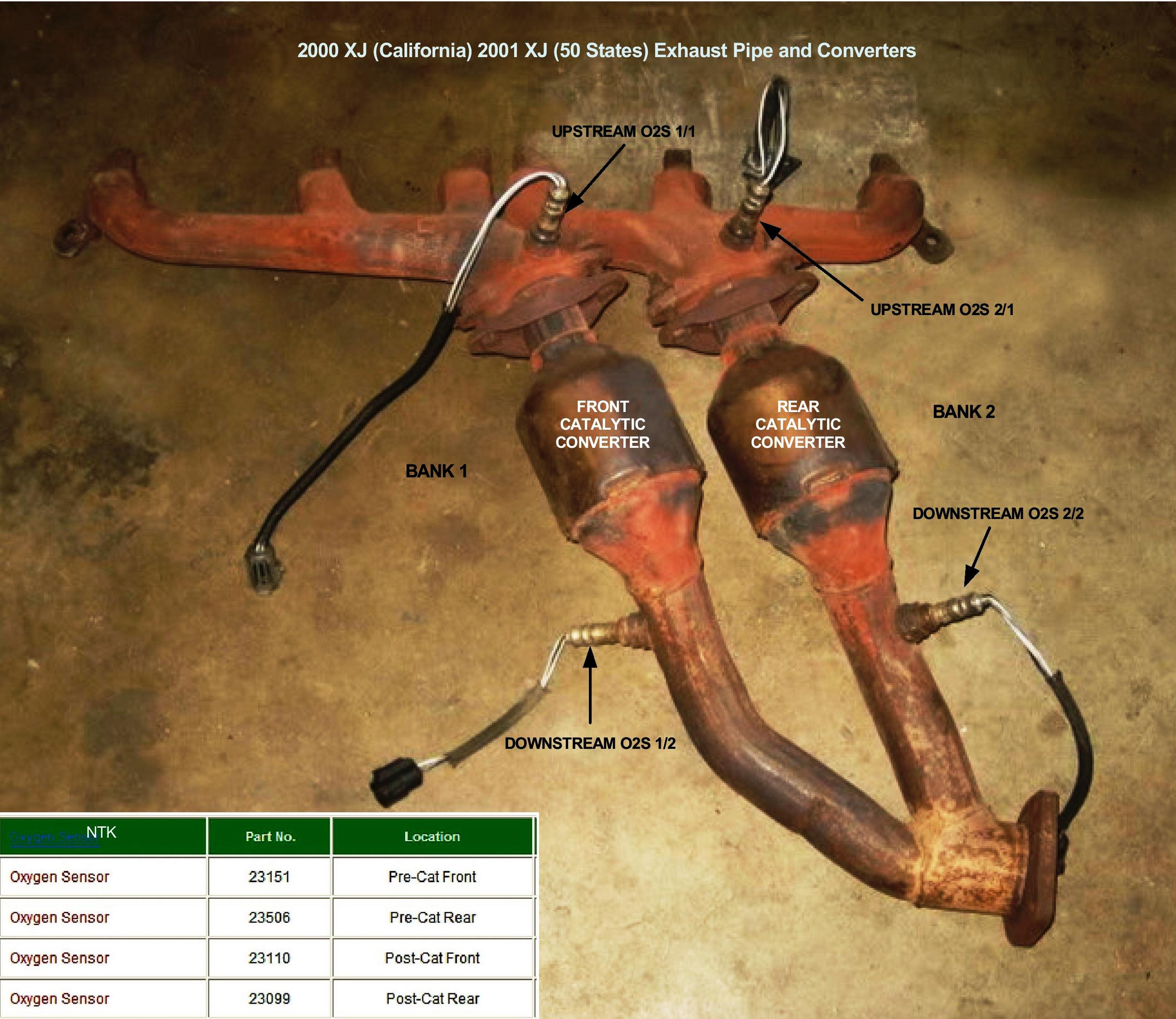
Start by locating the faulty oxygen sensor in your Jeep Wrangler. Use a proper tool to remove the old sensor carefully. Install a new sensor that matches your vehicle’s specifications. This replacement often solves the P0132 code and restores proper engine function.
Repairing Wiring And Connectors
Check the wiring and connectors linked to the oxygen sensor. Look for any signs of damage, corrosion, or loose connections. Repair or replace damaged wires and clean the connectors. Proper electrical contact ensures the sensor works correctly and sends accurate data.
Sealing Exhaust Leaks
Inspect the exhaust system for leaks near the oxygen sensor. Small holes or cracks can cause false sensor readings. Use exhaust sealant or replace damaged parts to seal leaks. A tight exhaust system helps the sensor measure gases accurately.
Addressing Fuel System Faults
Fuel system issues can affect oxygen sensor readings. Check fuel injectors, fuel pressure, and the air-fuel mixture. Fix any leaks or blockages in the fuel system. Correct fuel delivery improves sensor performance and engine efficiency.
Preventing Future Issues
Preventing future issues with your Jeep Wrangler related to the P0132 code starts with simple, consistent care. Taking steps to maintain your vehicle can save money and avoid downtime. Small actions today keep your engine running smoothly tomorrow.
Regular Maintenance Tips
Check your oxygen sensors regularly. Replace them as recommended by the manufacturer. Clean or change air filters to keep airflow steady. Inspect spark plugs to ensure proper ignition. Regular oil changes protect engine parts. Keep your fuel system clean to avoid sensor damage.
Using Quality Fuel
Always use fuel that meets Jeep’s specifications. Poor-quality fuel can cause sensor errors and engine trouble. Avoid fuels with high ethanol content. Keep your fuel tank clean to prevent contamination. Good fuel helps the oxygen sensor work correctly and efficiently.
Monitoring Engine Performance
Watch for signs like rough idling or poor fuel economy. Use an OBD-II scanner to check for codes often. Address any warning lights immediately. Listen for unusual noises or smells from the engine. Early detection helps fix small problems before they grow.

When To Seek Professional Help
Knowing when to seek professional help for your Jeep Wrangler’s P0132 code is crucial. This code points to an issue with the oxygen sensor, which affects engine performance. Some problems are easy to fix, but others need expert care. Recognizing these signs can save time and avoid further damage.
Complex Electrical Problems
Oxygen sensors depend on electrical wiring and connections. Faulty wires or shorts can cause the P0132 code. Diagnosing electrical issues can be tricky without experience. Professionals have the skills to trace wiring problems safely and accurately. Attempting repairs without proper knowledge may lead to more damage.
Persistent Trouble Codes
Sometimes, the P0132 code returns after clearing it. This means the root cause is not fixed. Persistent trouble codes need detailed inspection. Mechanics use their training to find hidden issues causing the code. Repeated attempts at DIY fixes might waste time and money.
Advanced Diagnostic Tools
Professional shops use advanced tools to diagnose P0132 issues. These tools read sensor data in real-time and test circuits. They can pinpoint exact sensor failures or wiring faults. Such equipment is expensive and complex for most car owners. Using these tools helps ensure a correct and lasting repair.
Frequently Asked Questions
How Do I Fix Error Code P0132?
To fix error code P0132, inspect and replace the faulty oxygen sensor. Check wiring and connectors for damage or corrosion. Clear the code and test drive to confirm the repair. Address any exhaust leaks or fuel system issues that may affect sensor readings.
Where Is The Oxygen Sensor Bank 2 Sensor 2 Located?
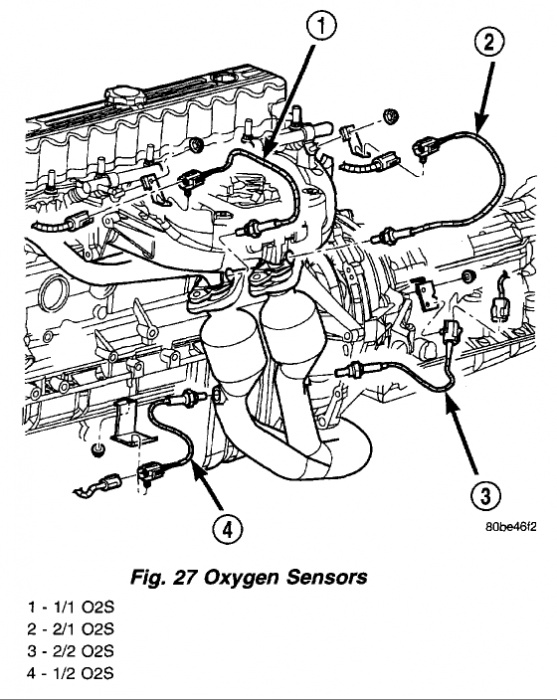
The oxygen sensor bank 2 sensor 2 is located on the exhaust system, after the catalytic converter on bank 2. It monitors emissions post-catalyst.
What Causes A P0132 Misfire?
A P0132 misfire occurs due to a faulty oxygen sensor sending high voltage signals. It can also result from wiring problems or exhaust leaks.
What Does Code P0132 Mean On A Jeep Wrangler?
Code P0132 means the oxygen sensor in bank 1, sensor 1 is reporting a high voltage signal. This indicates the sensor detects a rich fuel mixture or a possible sensor malfunction.
Conclusion
The P0132 code in your Jeep Wrangler points to an oxygen sensor issue. This can cause poor fuel economy and rough engine performance. Fixing it quickly helps avoid bigger problems. Start by checking the sensor and related wiring. Clean or replace the oxygen sensor as needed.
Regular maintenance keeps your Wrangler running smoothly. Stay alert to warning signs and act fast to save time and money. Proper care ensures your Jeep stays reliable on every adventure.