Replacing the heater core in a 2008 Jeep Liberty is a big job, but it can save you money and keep your vehicle comfortable in winter. Many owners try this repair themselves to avoid high labor costs.
If you’re careful, patient, and have some experience with car tools, you can do it at home. This guide will walk you through the process, highlight common mistakes, and offer practical tips for a smooth replacement.
Understanding The Heater Core
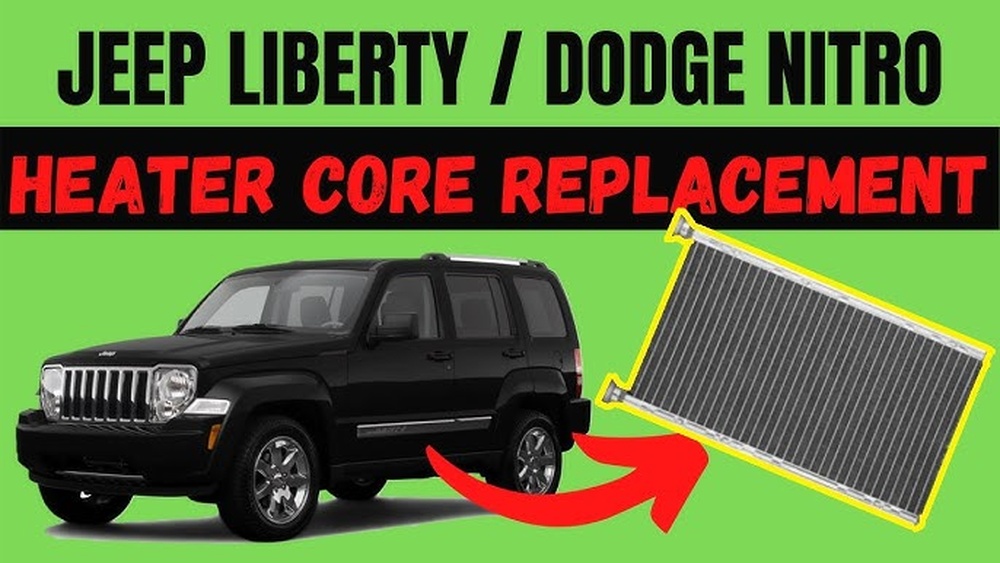
The heater core is a small radiator inside your Jeep’s dashboard. Hot coolant from the engine flows through it, warming air that is blown into the cabin. When the heater core leaks or clogs, you may notice poor heat, foggy windows, or coolant on the floor. Replacing it is not simple because the heater core is deep inside the dash.
Tools And Materials You’ll Need
Before you start, gather these items:
- Socket and wrench set
- Screwdrivers (Phillips and flathead)
- Pliers
- Trim removal tools
- Coolant (at least 2 gallons)
- Replacement heater core (OEM or quality aftermarket)
- Drain pan
- Rags and gloves
- Zip ties or small containers for screws
It’s wise to check the new heater core for leaks before installing.
Step-by-step Heater Core Replacement
1. Disconnect The Battery And Drain Coolant
Safety first. Disconnect the negative battery cable to prevent electrical accidents. Place a drain pan under the radiator and open the drain valve. Allow all coolant to drain out.
2. Remove The Dashboard
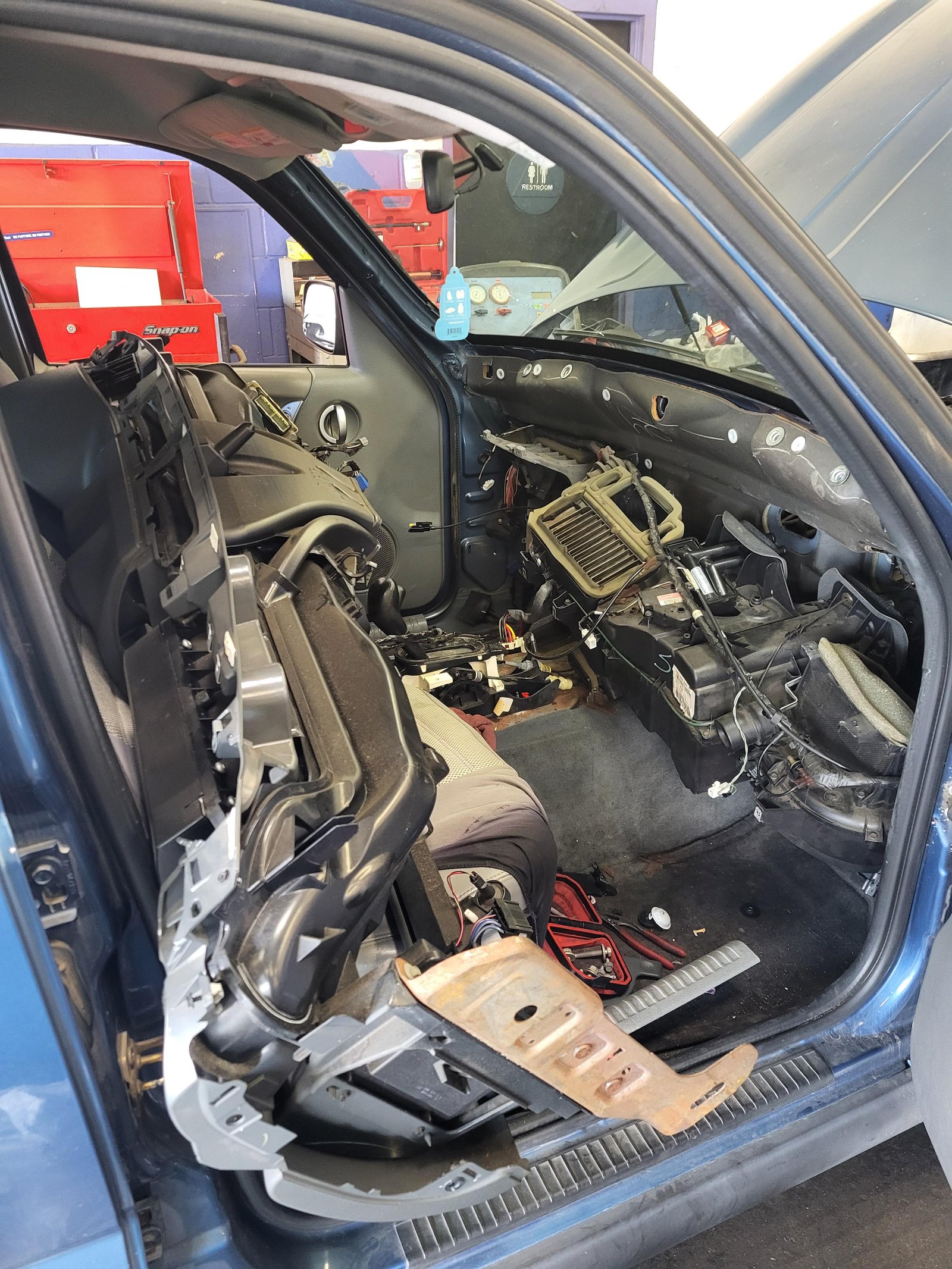
This is the most time-consuming step. Start by removing trim panels, air vents, and glove box.
Unscrew bolts holding the center console and radio, then pull them out gently. Disconnect wiring connectors as you go.
Next, remove the steering column bolts and lower the column. Take out mounting bolts along the dashboard edges.
With help, carefully lift the dash out and set it aside. Keep screws organized for reassembly.
3. Access The Heater Core Housing
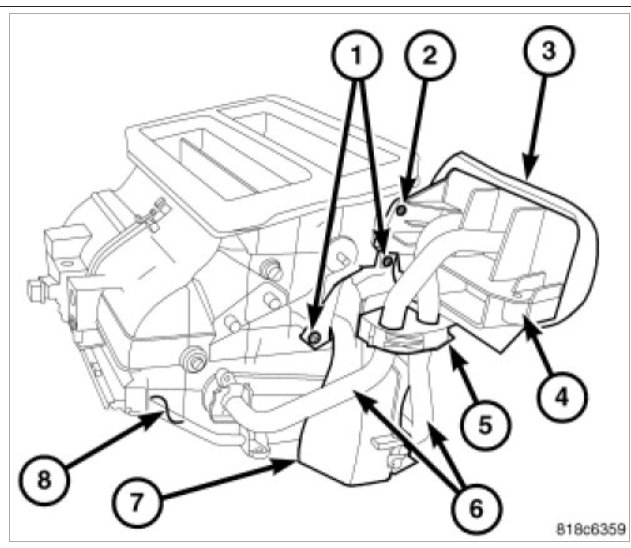
Behind the dash, you’ll see the HVAC housing. Remove screws and clips holding the housing together. Disconnect heater hoses from the housing in the engine bay. You may need to loosen clamps using pliers.
Gently open the housing and locate the heater core. Take note of how it fits inside.
4. Remove And Replace The Heater Core
Pull out the old heater core. Inspect it for leaks or corrosion these are common failures. Clean the housing with a rag.
Install the new heater core in the same position. Make sure the hoses line up correctly. Double-check seals and gaskets to prevent leaks.
5. Reassemble Everything
Reverse the steps: close the housing, reconnect heater hoses, and bolt the dash back in place. Reconnect all electrical plugs and steering column hardware.
Top off the radiator with new coolant. Reconnect the battery cable.
6. Test For Leaks And Function
Start your Jeep and let it idle. Check for leaks around the heater core and hoses.
Run the heater to confirm warm air flows from the vents. If everything works, you’ve done the job right.
Common Mistakes And Tips
- Rushing the dash removal can cause broken clips or wiring damage. Go slow.
- Use zip ties to label connectors. This helps during reassembly.
- Always flush the cooling system before adding new coolant.
- Test the heater core for leaks before installing. Use compressed air or water.
- Don’t forget to check the blend door operation while the dash is off.
Data And Cost Comparison
Here’s a comparison of DIY vs. shop replacement:
| Method | Parts Cost | Labor Cost | Total Estimated Cost |
|---|---|---|---|
| DIY | $60–$150 | $0 | $60–$150 |
| Shop | $60–$150 | $700–$1200 | $760–$1350 |
Most shops charge 7 10 hours of labor due to the dash removal.
Heater Core Quality Comparison
Choosing a good heater core matters. Here are key differences between OEM and aftermarket:
| Type | Material | Warranty | Life Expectancy |
|---|---|---|---|
| OEM | Aluminum/Brass | 12 months | 5–10 years |
| Aftermarket | Aluminum/Plastic | 6–12 months | 3–7 years |
OEM parts usually last longer, but quality aftermarket cores can be good if you check reviews.
Practical Example
A Jeep Liberty owner reported that after replacing the heater core, cabin heat improved from 70°F to 95°F within 15 minutes of driving. The repair took about 9 hours, mostly spent carefully removing the dashboard.
Safety And Environmental Advice
Dispose of old coolant at a recycling center. Don’t pour it down drains coolant is toxic.
Always wear gloves and safety glasses when handling chemicals.
For extra guidance, the AutoZone Repair Help site has detailed diagrams and advice.

Frequently Asked Questions
What Are Signs Of A Bad Heater Core?
Common signs include foggy windows, coolant smell, wet carpet, and weak heat. You may also see drops of coolant under the dash.
How Long Does The Replacement Take?
For a first-timer, expect 8–10 hours. An experienced mechanic may finish in 5–7 hours.
Can I Drive With A Leaking Heater Core?
No. A leaking heater core can cause engine overheating and damage. It may also create unsafe driving conditions.
Is A Heater Core Flush Enough?
A flush may clear minor clogs but won’t fix leaks or major blockages. If heat is weak and coolant leaks, replacement is needed.
What Coolant Should I Use?
Use HOAT coolant (Hybrid Organic Acid Technology) as specified by Jeep. Always check your owner’s manual for details.
Replacing the heater core in your 2008 Jeep Liberty is challenging, but doing it yourself saves money and gives you control over your vehicle’s comfort. Take your time, stay organized, and follow each step closely.
With patience, you’ll get the job done and enjoy a warm cabin again.