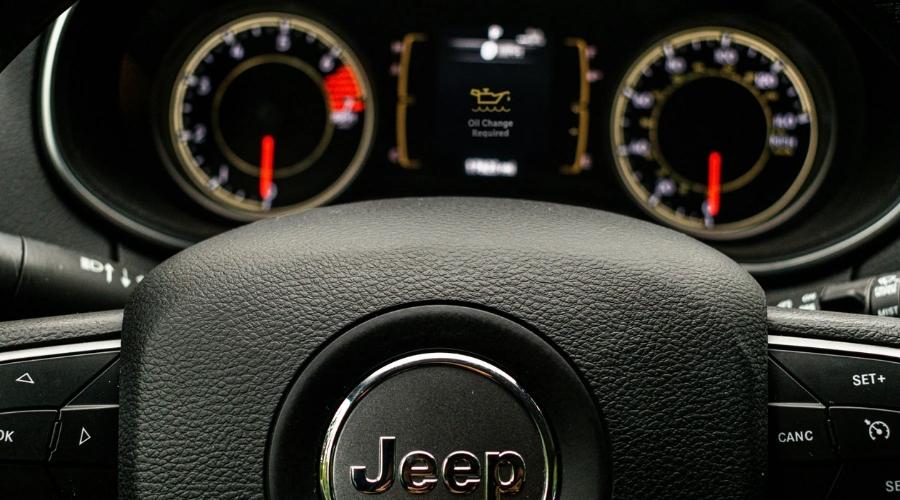
If you own a Jeep Grand Cherokee, you’ve probably seen the oil change light turn on after driving a certain number of miles. This light reminds you to change your engine oil, which is crucial for keeping your vehicle in good shape. However, after you’ve changed the oil, the light often stays on until you reset it. Many drivers feel confused when the oil change light won’t go off, even after service. In this guide, you’ll learn exactly how to reset the oil change light on a Jeep Grand Cherokee, why it matters, and what mistakes to avoid. Whether you’re a new owner or simply want to save money by doing it yourself, you’ll find practical steps and useful tips here.
Why Resetting The Oil Change Light Is Important
The oil change light is not just an indicator. It helps you track maintenance intervals and protects your engine. If you ignore it, you might forget to change oil on time, which can cause engine damage.
Resetting the light tells your vehicle’s system that the oil is new and the countdown for the next change can begin. It also prevents confusion for mechanics and future owners about when the last oil change happened.

If you don’t reset the light, it can keep blinking or show warnings, even when the oil is fresh. This may affect your peace of mind and could lead to missing real maintenance needs.
Step-by-step: How To Reset Jeep Grand Cherokee Oil Change Light
The process is simple, but each model year may have slight differences. Here’s a clear method for most Jeep Grand Cherokee models from 2011 onwards:
- Turn the ignition to “ON” (do not start the engine). For push-button start, press the button twice without pressing the brake.
- Press the gas pedal slowly three times. Do this within 10 seconds. Make sure your foot fully presses the pedal each time.
- Turn the ignition off. Wait a few seconds.
- Restart the vehicle. The oil change light should be gone.
For older models (before 2011), you might need to use the trip odometer button or follow a slightly different sequence.
Example: Resetting A 2015 Jeep Grand Cherokee
- Push the start button twice (without brake).
- Slowly press the accelerator three times.
- Turn off the ignition.
- Start the engine and check that the light is off.
Differences Between Model Years
Jeep Grand Cherokee models have changed over the years. Here’s a quick comparison of how the reset steps differ:
| Model Year | Reset Method | Extra Steps |
|---|---|---|
| 2011–2023 | Gas pedal (3x) | No extra steps |
| 2005–2010 | Trip button, turn key | Hold trip reset for 10 sec |
| Pre-2005 | Manual reset | May require scan tool |
Always check your owner’s manual for model-specific instructions. Some newer models have a menu option in the dashboard for oil reset.
Common Mistakes To Avoid
Resetting the oil change light is easy, but many people make small errors that prevent success.
- Not pressing the gas pedal fully each time.
- Performing the steps too slowly or too quickly.
- Starting the engine during the reset process.
- Forgetting to turn the ignition off before restarting.
If the light doesn’t go off, repeat the steps calmly. If it still stays on, there might be a sensor issue or another dashboard warning active.
What To Do If The Light Won’t Reset
If the oil change light stays on after you follow all steps:
- Double-check your method against your model year.
- Try the steps again, making sure you press the pedal correctly.
- Check for other warning lights or messages.
- Visit a Jeep dealership or use an OBD-II scanner to check for errors.
Some advanced models may require a scan tool or software reset. If you’re unsure, a certified technician can help.
How Often Should You Change Jeep Grand Cherokee Oil?
The oil change interval depends on your driving habits and engine type. Most Jeep Grand Cherokees recommend changing oil every 5,000 to 7,500 miles. If you drive in dusty, hot, or city environments, change oil more often.
Here’s a quick comparison:
| Driving Condition | Recommended Interval | Oil Type |
|---|---|---|
| Normal (highway) | 7,500 miles | Synthetic |
| Severe (city, towing) | 5,000 miles | Synthetic or blend |
| Extreme (off-road, dusty) | 4,000 miles | High-quality synthetic |
Always use the recommended oil type for your engine. Using poor-quality oil or skipping changes can cause engine problems.

Non-obvious Insights And Tips
Most guides miss a few key points:
- If you use aftermarket oil filters, sometimes the oil change light may not reset as expected. This is due to sensor sensitivity.
- Resetting the oil change light before actually changing the oil can confuse your maintenance schedule. Always reset after real oil change.
Some mechanics recommend writing down the mileage and date when you reset the light. This helps track maintenance and resale value.
Benefits Of Diy Reset
Doing the reset yourself saves time and money. It helps you understand your vehicle better and encourages regular maintenance. Most Jeep owners find the process easy after the first try.
If you need more details or want to learn about Jeep maintenance, visit the official Jeep Owners Site for manuals and updates.

Frequently Asked Questions
How Do I Know If My Oil Change Light Has Reset?
After following the reset steps, turn on your Jeep. The oil change light should not be visible. If it still shows, repeat the steps or check your manual.
Can I Reset The Oil Change Light Before Changing Oil?
You can, but it’s not recommended. The system will track oil life incorrectly, which can harm your engine. Always reset after changing oil.
Does The Reset Method Work For Other Jeep Models?
Most Jeep models use similar steps, but some have menu options or require a scan tool. Always check your owner’s manual.
Will Resetting The Oil Change Light Void My Warranty?
No, resetting the light doesn’t affect your warranty. It’s a normal maintenance step recommended by Jeep.
What If The Oil Change Light Stays On After Reset?
Try the steps again. If the light stays on, there could be a sensor issue or another warning. Visit a dealership or use a diagnostic tool.
Resetting the oil change light on your Jeep Grand Cherokee is a simple but important task. It helps keep your maintenance schedule accurate and protects your engine from damage. With clear steps and a bit of patience, you can do this yourself and enjoy worry-free driving.