Switching from 2H to 4H in a Jeep Wrangler automatic is a useful skill for any owner. It lets you adapt to different road conditions and helps your vehicle perform better in mud, snow, or rough terrain. Many drivers are unsure how to make this switch safely or when it’s actually needed.
This guide explains the process in simple steps, shows key differences, and gives practical advice for beginners. Whether you’re planning your first off-road trip or just want to protect your Jeep’s drivetrain, you’ll find answers here.
Understanding 2h And 4h Modes
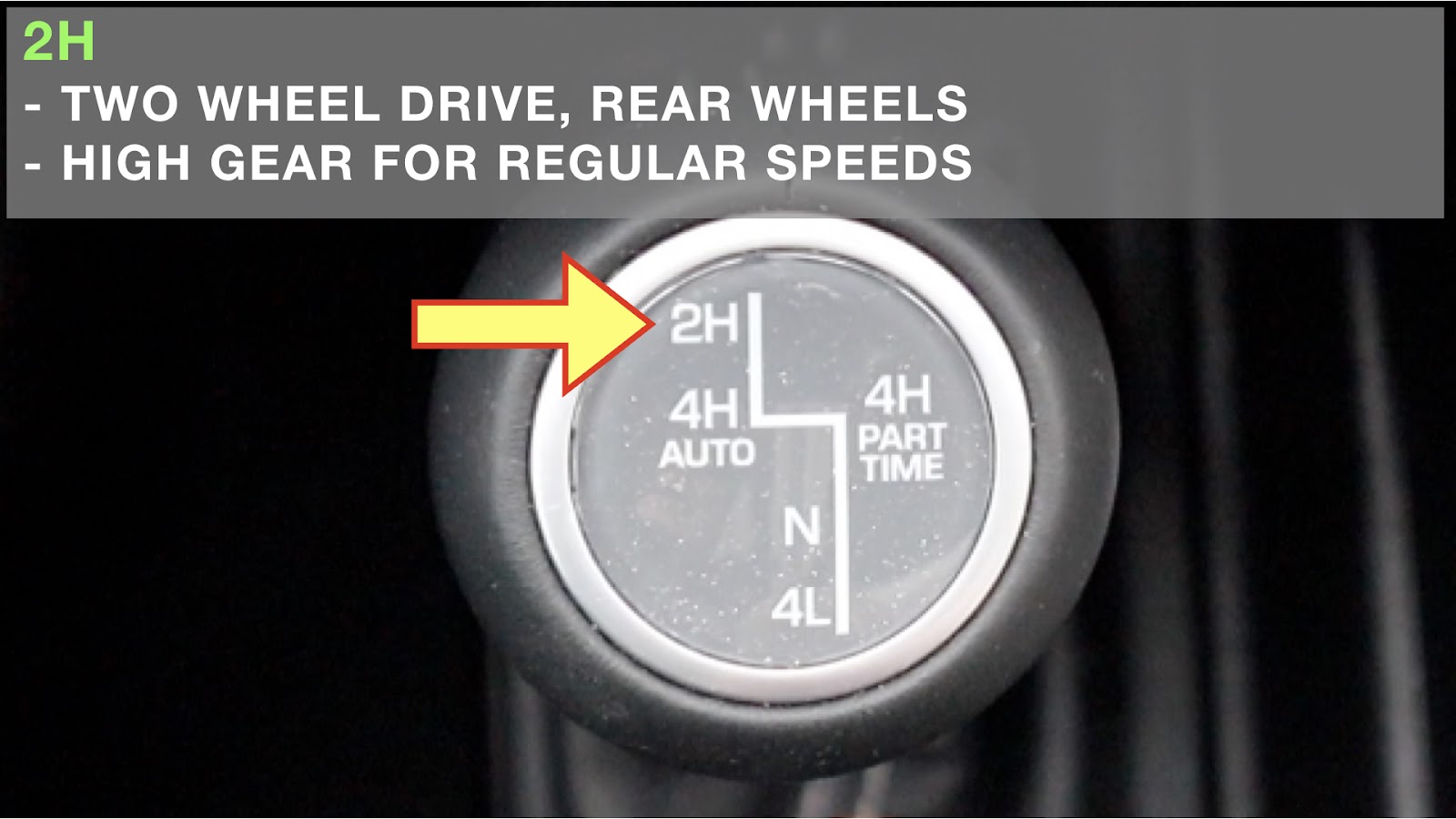
Your Jeep Wrangler automatic uses a transfer case to shift between different drive modes. 2H (Two-Wheel High) sends power only to the rear wheels. It’s best for normal roads and dry conditions. 4H (Four-Wheel High) sends power to all four wheels, improving traction on slippery or uneven surfaces.
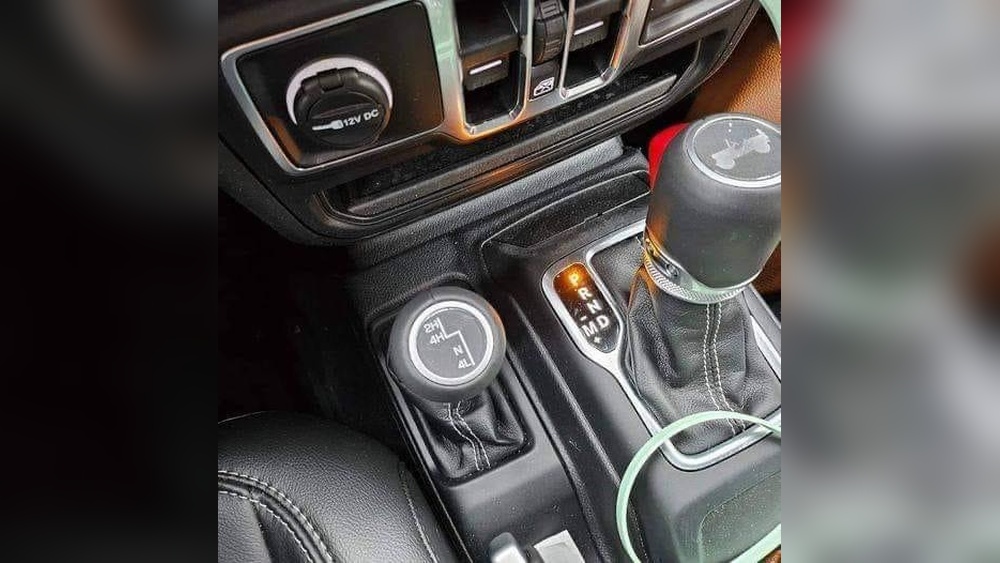
Here’s a quick comparison:
| Mode | Power Distribution | Best Used For |
|---|---|---|
| 2H | Rear wheels only | Dry pavement, highway |
| 4H | All four wheels | Mud, snow, gravel, wet roads |
Switching to 4H is not just about handling tough roads. It also helps prevent wheel spin and keeps your Jeep stable in challenging conditions.
When Should You Switch To 4h?
You should use 4H when you need extra grip. Here are some common scenarios:
- Snowy or icy roads: 4H reduces slipping.
- Mud and wet grass: All wheels pull together.
- Loose gravel or sand: Better control and less digging in.
- Light off-roading: Trails, hills, or uneven ground.
Never use 4H on dry, smooth pavement. It can damage your drivetrain and cause tire wear.
Step-by-step Guide: Switching From 2h To 4h
Switching modes in a Jeep Wrangler automatic is simple, but doing it wrong can harm your vehicle. Follow these steps:
1. Check Your Speed
Stay below 55 mph. Most Wranglers allow you to switch to 4H “on the fly,” but higher speeds can cause grinding.
2. Straighten Your Wheels
Make sure the Jeep is moving in a straight line. Turning while shifting can stress the transfer case.
3. Move The Gear Lever
Locate the transfer case shifter (usually a small lever next to your main gear selector).
- While driving, gently pull the lever from 2H to 4H.
- You do not need to stop or put the Jeep in neutral for this shift.
- Listen and feel
You may hear a small click or feel a change in how the Jeep drives. This is normal.
5. Check The Dashboard
Look for the 4WD indicator light. If it stays on, you’re now in 4H.
6. Drive As Usual
You can continue driving, but avoid sharp turns and fast speeds.
Most drivers miss the importance of keeping the wheels straight and checking speed. These steps protect your Jeep’s transfer case and avoid unnecessary repairs.
Common Mistakes When Switching
Many beginners make these errors:
- Shifting at high speed: This can damage the transfer case.
- Turning the wheels while shifting: Increases risk of gear binding.
- Using 4H on dry pavement: Leads to tire wear and drivetrain stress.
- Forgetting to check indicator light: You might not actually be in 4H.
Avoiding these mistakes will save you money and keep your Jeep running well.

Real-world Example: Jeep Wrangler In Snow
Imagine you’re driving your Jeep Wrangler in heavy snow. You notice the rear wheels slipping and the vehicle feels unstable. You reduce your speed to 30 mph, straighten your wheels, and shift the transfer case lever from 2H to 4H. The dashboard shows the 4WD light. Instantly, the Jeep feels more stable and you can drive safely through the snow.
This practical switch is what makes the Jeep Wrangler so versatile. Many owners forget to switch back to 2H when roads clear, which can cause problems if left in 4H too long.
Jeep Wrangler Models And Transfer Case Types
Different Jeep Wrangler models use various transfer cases, but the switching process remains similar. Here’s a look at popular models:
| Model | Transfer Case | 2H to 4H Shift |
|---|---|---|
| Wrangler Sport | Command-Trac | On the fly (up to 55 mph) |
| Wrangler Rubicon | Rock-Trac | On the fly (up to 55 mph) |
| Wrangler Sahara | Selec-Trac | Automatic 4WD option |
Check your owner’s manual for exact speed limits and shifting details.

Tips For Smooth And Safe Switching
- Practice in a safe area: Try switching modes in a parking lot before heading off-road.
- Keep your transfer case lubricated: Regular maintenance prevents shifting issues.
- Switch back to 2H when conditions improve: This saves fuel and reduces wear.
- Use 4L (Four-Wheel Low) only for extreme terrain: 4L is not needed for regular snowy or muddy roads.
Many new Jeep owners don’t realize that using 4H too often can hurt fuel economy. Always return to 2H as soon as possible.
Frequently Asked Questions
How Fast Can I Switch From 2h To 4h In My Jeep Wrangler Automatic?
You can switch “on the fly” at speeds up to 55 mph, but it’s safer to do so below 45 mph. Always check your manual for your model’s exact limit.
Is It Necessary To Stop Before Shifting From 2h To 4h?
No, you do not need to stop. The Wrangler’s transfer case is designed for shifting while moving, as long as you keep the wheels straight and drive at a safe speed.
What Happens If I Use 4h On Dry Pavement?
Driving in 4H on dry roads can cause drivetrain binding and tire wear. Only use 4H when roads are slippery or loose.
Can I Switch From 2h To 4h While Turning?
It’s best to switch while driving straight. Turning can stress the gears and increase the risk of transfer case damage.
Where Can I Find More Details About Jeep Wrangler Transfer Cases?
For technical information, visit the official Jeep website:
jeep Wrangler Official
Switching from 2H to 4H in a Jeep Wrangler automatic is easy once you know the steps. With proper timing and technique, you’ll get the most out of your vehicle in any weather or terrain. Remember to check your owner’s manual for model-specific details, and always return to 2H when conditions are safe.
Practicing these habits will keep your Jeep reliable and ready for adventure.