Finding oil in the spark plug well can be a stressful moment for any car owner. Oil shouldn’t be there, and its presence often hints at deeper problems. But before you panic or rush to the mechanic, you can handle this issue yourself with the right approach. Understanding why oil gets into this area, how to remove it safely, and how to prevent future leaks will save you time, money, and headaches.
What Causes Oil In The Spark Plug Well?
The spark plug well is designed to be dry. When oil appears, it usually comes from a leaking valve cover gasket, worn O-ring seals, or sometimes even a cracked valve cover. These parts stop oil from reaching the spark plug area, but over time, they may fail. Older cars and those with high mileage are more likely to develop this issue.
According to the National Highway Traffic Safety Administration, gasket leaks are among the top ten causes of engine misfires. Even a small leak can affect engine performance, leading to poor fuel economy, rough idling, and difficulty starting the car.
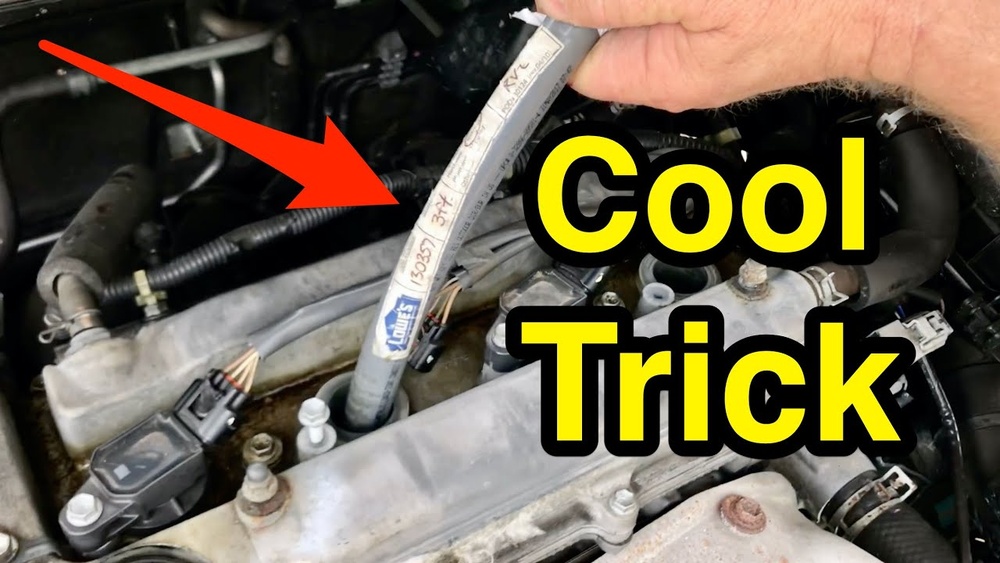
Step-by-step: Removing Oil From The Spark Plug Well
Before starting, gather some basic tools:
- Socket wrench set
- Screwdrivers
- Clean rags or paper towels
- Compressed air (optional)
- Rubber gloves
- Shop vacuum (optional)
- Replacement gaskets or O-rings (if needed)
- Let the engine cool: Working on a hot engine is dangerous and can damage parts.
- Disconnect the battery: Safety first—removing the negative terminal prevents accidents.
- Remove the ignition coils or wires: Use a socket wrench or screwdriver. Take care not to break connectors.
- Inspect the well: Use a flashlight. Notice the color and amount of oil. If it’s thick or dirty, you might have long-term leakage.
- Absorb excess oil: Gently insert a clean rag or paper towel into the well. Twist and lift to soak up oil. Repeat as needed.
- Use compressed air or a vacuum: For stubborn oil, blow it out using compressed air or suck it up with a shop vacuum. Avoid pushing oil deeper.
- Clean the area: Wipe surrounding surfaces. This prevents oil from dripping back in.
- Replace gaskets or seals if needed: If you see damaged O-rings or valve cover gaskets, replace them before reinstalling parts.
Here’s a quick comparison of cleaning methods:
| Method | Effectiveness | Risk Level | Tools Needed |
|---|---|---|---|
| Absorb with rag | Moderate | Low | Rag, gloves |
| Compressed air | High | Medium | Air compressor |
| Shop vacuum | High | Low | Vacuum, hose |

Why Oil In The Spark Plug Well Matters
Oil in this area can lead to misfiring, engine hesitation, and even cause the spark plug to fail. Over time, oil can damage the plug’s insulation, making your car hard to start. If ignored, you may face expensive repairs.
Many drivers assume a small oil leak is harmless. However, even a thin layer can cause electrical issues and corrosion. In fact, spark plug failure due to oil contamination is responsible for roughly 15% of engine breakdowns, according to automotive repair data.
Preventing Oil Leaks In The Spark Plug Well
Once you clean the oil, prevention is key. Here are practical steps:
- Replace worn gaskets and O-rings promptly
- Avoid over-tightening spark plugs
- Inspect the valve cover for cracks
- Use high-quality parts for replacements
- Check for leaks during routine maintenance
A simple maintenance comparison:
| Action | Difficulty | Estimated Cost | Frequency |
|---|---|---|---|
| Replace O-rings | Easy | $10–$30 | Every 40,000 miles |
| Replace valve cover gasket | Moderate | $50–$150 | Every 60,000 miles |
| Check for leaks | Easy | $0 | Every oil change |

Common Mistakes To Avoid
Many people rush the cleaning process or skip replacing damaged seals. Here are errors to watch out for:
- Not disconnecting the battery: Increases risk of electrical shock.
- Using too much compressed air: Can force oil deeper into the engine.
- Ignoring seal damage: Oil will return if seals are not fixed.
- Over-tightening spark plugs: Can crack the ceramic or strip threads.
- Not checking for leaks after cleaning: Problems may repeat if leaks go unnoticed.
When To Seek Professional Help
If you continue to find oil after cleaning and replacing seals, your engine might have a bigger issue. Problems like a cracked cylinder head or failing piston rings require expert diagnosis. Persistent oil leaks can lead to engine failure if not handled soon.
If you’re unsure, it’s wise to consult a certified mechanic or visit a trusted repair shop.
For further technical details, you can check Wikipedia’s spark plug page.
Cost And Time Estimates
Removing oil from the spark plug well and replacing seals is usually a one-hour job for beginners. Parts like O-rings or gaskets cost between $10 and $150, depending on your car. Professional repairs can cost more, especially if deeper engine issues are found.
Here’s a quick breakdown:
| Task | DIY Cost | Professional Cost | Time Needed |
|---|---|---|---|
| Clean well | $0–$20 | $50–$100 | 30 minutes |
| Replace gasket | $50–$150 | $150–$300 | 1 hour |
| Replace O-ring | $10–$30 | $50–$100 | 30 minutes |
Frequently Asked Questions
Can I Drive With Oil In The Spark Plug Well?
Driving with oil in the spark plug well is risky. It can cause misfires and damage the spark plugs. If you notice oil, fix it as soon as possible.
What Tools Do I Need To Clean Oil From The Spark Plug Well?
You need rags, compressed air, a shop vacuum, basic socket wrenches, and rubber gloves. These are enough for most cars.
How Often Should I Check For Oil Leaks?
Check for leaks every oil change or at least every 6 months. Early detection prevents bigger problems.
Is Oil In The Spark Plug Well A Sign Of Engine Failure?
Oil in this area is often a gasket or seal issue. But if it happens often, it may signal deeper engine trouble. If in doubt, see a mechanic.
Can I Prevent Oil Leaks With Regular Maintenance?
Yes, regular maintenance and prompt gasket replacement are the best ways to prevent oil leaks. Use quality parts and check during every service.
Dealing with oil in the spark plug well isn’t pleasant, but it’s manageable with the right knowledge and tools. If you act quickly, follow careful steps, and maintain your car, you’ll keep your engine running smoothly and avoid expensive repairs.