If you’re seeing the P0320 code on your Jeep Wrangler, you might be wondering what it means and how it affects your ride. This trouble code often signals a problem with your ignition system, which can lead to rough starts, engine hesitation, or even stalling.
Ignoring it could leave you stranded or cause more serious damage. But don’t worry—understanding what’s behind P0320 and how to fix it can save you time, money, and frustration. Keep reading to learn what causes this code, how to spot the symptoms, and the best steps to get your Jeep back on the road smoothly.
P0320 Code Basics
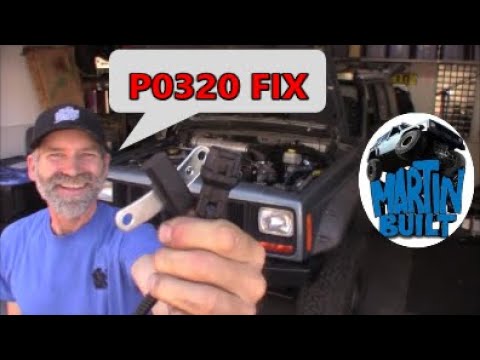
The P0320 code is a common trouble code for Jeep Wrangler owners. It points to an issue with the ignition or engine speed input circuit. Understanding this code helps you diagnose and fix the problem faster. This section explains the basics of the P0320 code.
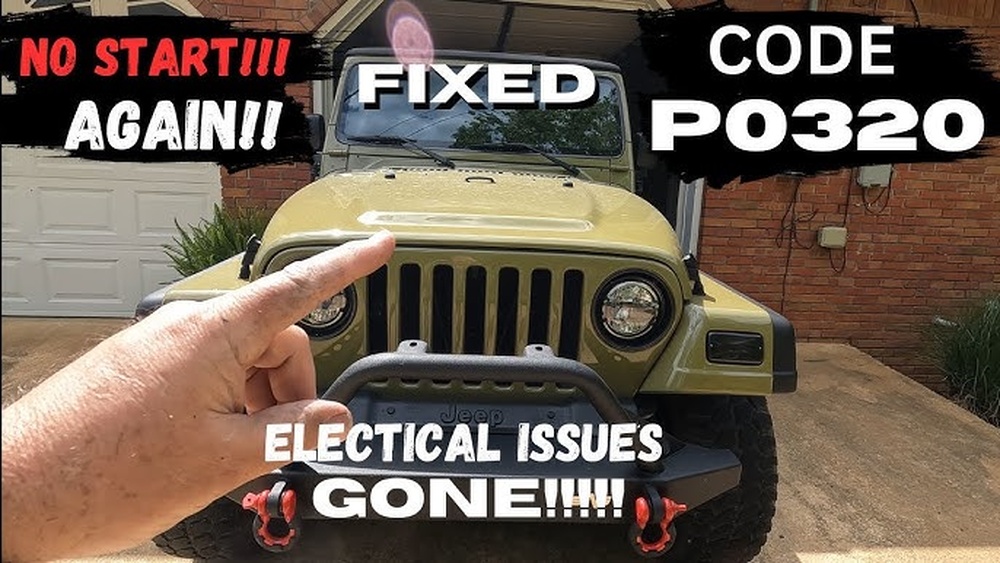
Knowing what this code means and how it is stored in your Jeep’s system is key. This knowledge can save time and money during repairs.
What P0320 Means
The P0320 code means there is a malfunction in the ignition or distributor engine speed input circuit. This circuit sends important signals to the engine control module (ECM). These signals tell the ECM when to fire the spark plugs. If the circuit fails, the engine may not start or run properly.
Common symptoms include the check engine light turning on, rough idling, hesitation, or stalling. The crankshaft position sensor often causes this code. It monitors engine speed and position.
How Code Is Stored
Your Jeep’s computer stores the P0320 code when it detects a problem. Sensors send data to the engine control module. If the data is missing or out of range, the ECM logs the trouble code.
The code stays stored until the problem is fixed and the system is reset. Mechanics use a scanner to read the code. This helps identify the exact issue quickly.
Common Causes
The P0320 code in a Jeep Wrangler signals an issue with the ignition system. Several common causes can trigger this fault. Identifying these helps with quick and effective repairs.
Understanding the main reasons behind the P0320 code allows Jeep owners to troubleshoot better. This section highlights the usual suspects.
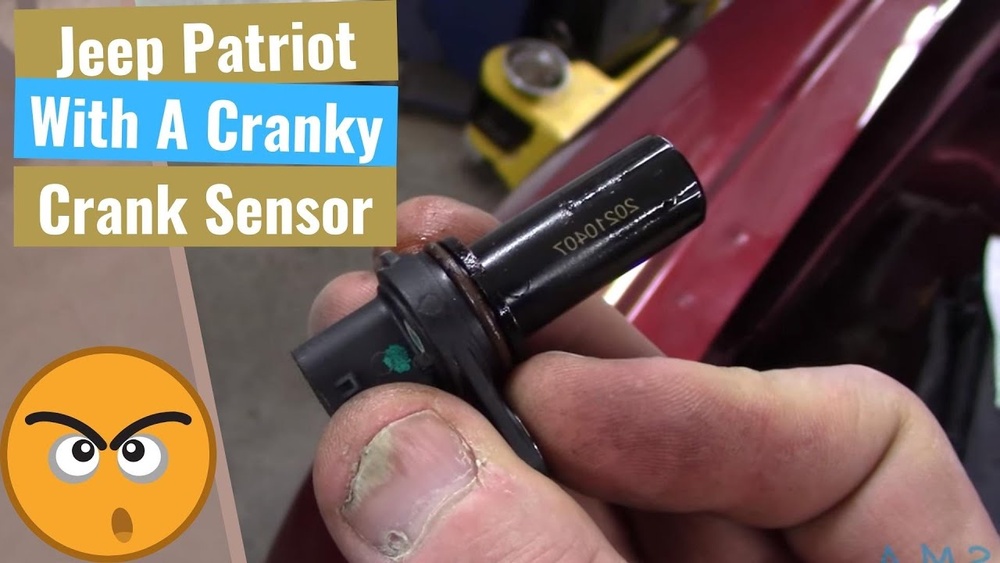
Crankshaft Position Sensor Failure
The crankshaft position sensor monitors engine speed and position. If it fails, the engine may not start or run rough. This sensor wears out over time or gets damaged by heat and vibration.
A faulty sensor sends incorrect signals to the engine control unit (ECU). This can cause misfires, stalling, or a no-start condition. Replacing the sensor often fixes the problem.
Wiring Harness Issues
The wiring harness connects the crankshaft sensor to the ECU. Damaged, frayed, or broken wires disrupt the signal flow. This interruption can trigger the P0320 code.
Wiring problems arise from wear, rodent damage, or improper repairs. Inspecting the wiring harness for breaks or shorts is essential. Repairing or replacing damaged wires restores communication.
Connector Corrosion
Corrosion in electrical connectors reduces signal quality. Moisture and dirt cause corrosion in the sensor’s plug or ECU connections. This leads to poor contact and unreliable sensor readings.
Cleaning corroded connectors or replacing them solves this issue. Regular maintenance prevents corrosion build-up and keeps the system reliable.
Symptoms To Watch For
Recognizing the symptoms of a P0320 error code in your Jeep Wrangler is key to timely repairs. This code often signals issues with the crankshaft position sensor or related circuits. Knowing what signs to watch for can prevent further damage and keep your Jeep running smoothly.
Engine Cranks But Won’t Start
The engine tries to turn over but fails to start. You may hear the starter motor spinning, but the engine won’t fire. This happens because the crankshaft position sensor isn’t sending the right signal. Without this signal, the engine control unit can’t time fuel injection or spark properly.
Random Stalling And Hesitation
Your Jeep may stall suddenly while driving or hesitate when you press the gas pedal. These issues occur because the engine loses track of the crankshaft’s position. The result is an uneven fuel supply or spark timing. The vehicle can feel jerky or unsteady during acceleration.
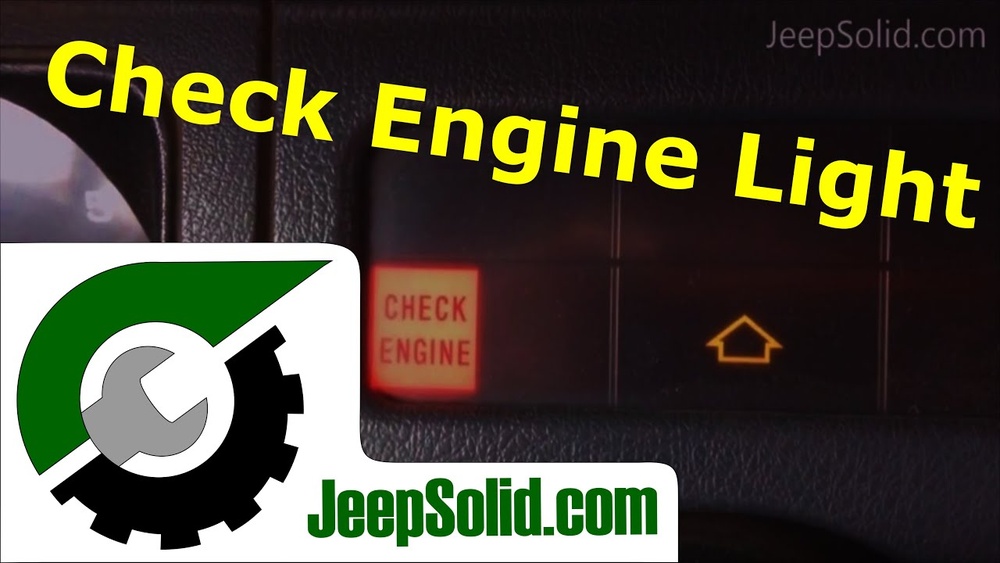
Check Engine Light Activation
The check engine light often turns on when the P0320 code triggers. This light warns you of a problem with the ignition or engine speed input circuit. A scan tool can confirm the error code. Ignoring this warning can lead to more serious engine problems.
Sensor Location And Role
The P0320 code in a Jeep Wrangler often points to issues with engine sensors. These sensors play a key role in engine timing and performance. Understanding where these sensors are and how they work helps in diagnosing problems quickly. The crankshaft position sensor is especially important. It monitors engine speed and position to keep the engine running smoothly.
Another sensor, the camshaft position sensor, works closely with the crankshaft sensor. Both sensors send signals to the engine control module (ECM). The ECM uses this data to control ignition timing and fuel injection. Any fault in these sensors can cause poor engine performance or starting issues.
Crankshaft Position Sensor Placement
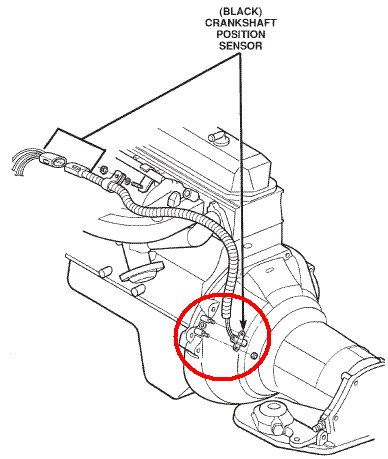
The crankshaft position sensor on a Jeep Wrangler is usually located near the transmission bellhousing. This spot allows it to monitor the crankshaft’s rotation directly. It is mounted close to the engine block or oil pan. The sensor reads a toothed wheel or reluctor ring attached to the crankshaft. This location helps the sensor detect engine speed and position accurately.
This sensor placement makes it vulnerable to dirt, oil, and heat. Over time, these factors can affect sensor performance. Checking the sensor and its wiring is important when diagnosing the P0320 code. A damaged or dirty sensor can cause signal loss or incorrect readings.
Interaction With Camshaft Sensor
The camshaft position sensor is usually located near the top of the engine, close to the camshaft itself. It works alongside the crankshaft sensor to provide timing information. Both sensors send their signals to the ECM for analysis. The ECM compares these signals to determine the exact position of pistons and valves.
If the camshaft sensor signal does not match the crankshaft sensor signal, the ECM triggers a fault code. This mismatch can lead to engine misfires or poor fuel economy. Both sensors must work correctly for the engine to start and run efficiently. Diagnosing issues often involves checking signals from both sensors.
Diagnostic Steps
Diagnosing the P0320 code on a Jeep Wrangler requires clear, step-by-step checks. This code points to an ignition or engine speed input issue. Identifying the cause needs careful inspection and testing. Follow these diagnostic steps to find the root problem.
Inspecting Wiring And Connectors
Start by examining the wiring harness near the crankshaft position sensor. Look closely for damaged, burnt, or loose wires. Check the connectors for dirt, corrosion, or bent pins. Clean or repair any poor connections. Faulty wiring often causes signal loss or interruptions.
Testing Sensor Signals
Use a multimeter to test the sensor’s voltage and resistance. Compare readings with the Jeep’s service manual specifications. Check for consistent signal output while cranking the engine. An irregular or missing signal usually means the sensor is bad or damaged.
Using A Diagnostic Scanner
Connect an OBD-II scanner to read stored trouble codes. The scanner shows real-time data from the crankshaft position sensor. Watch for irregular RPM readings or sensor dropouts. Clear the codes and test-drive to see if the code returns. This tool helps confirm sensor or wiring faults quickly.

Quick Fixes
Addressing the P0320 code on your Jeep Wrangler quickly can help avoid bigger issues. Some fixes require simple actions anyone can try. These quick fixes often restore proper sensor function and clear the error code. They focus on the sensor connectors, wiring, and temporary bypass methods. Each step improves the signal flow and can get your Jeep running smoothly again.
Cleaning Sensor Connectors
Dirty or corroded connectors cause poor sensor signals. Start by unplugging the crankshaft position sensor connector. Use an electrical contact cleaner to spray inside the connector. Gently scrub with a small brush or cloth to remove grime. Let it dry fully before reconnecting. Clean connectors improve electrical contact and often solve the P0320 code.
Securing Loose Wires
Loose or damaged wiring can disrupt sensor signals. Check the wiring harness near the sensor for loose or broken wires. Carefully push connectors back into place if they are loose. Use electrical tape or zip ties to secure loose wires. Tight wires prevent signal interruptions that trigger error codes. This fix is simple and can restore sensor reliability.
Temporary Sensor Bypass
A temporary bypass can help diagnose the sensor problem. This involves connecting the sensor wires directly to a stable power source or ground. Use jumper wires to bridge the faulty connection carefully. This fix is only for testing and should not be permanent. If the Jeep runs better, the sensor or wiring likely needs replacement. Always remove the bypass before driving normally.
Sensor Replacement Tips
Replacing the crankshaft position sensor in your Jeep Wrangler can solve P0320 trouble codes and improve engine performance. Proper sensor replacement helps avoid future breakdowns and keeps your vehicle running smoothly. Follow these sensor replacement tips for a successful repair.
Choosing Oem Vs Aftermarket Sensors
OEM sensors come from the vehicle manufacturer and match original parts exactly. They usually offer better quality and fit perfectly. Aftermarket sensors cost less but may vary in quality and reliability. Jeep Wranglers often respond best to OEM sensors because of strict tolerances. Choose OEM for longer life and fewer issues. Aftermarket parts work for budget repairs or temporary fixes.
Step-by-step Replacement Guide
Start by disconnecting the battery to avoid electrical shorts. Locate the crankshaft position sensor on the transmission bellhousing. Remove any covers blocking access. Unplug the sensor connector carefully. Unscrew the sensor mounting bolt and pull the sensor out gently. Install the new sensor by reversing these steps. Ensure the sensor seats fully and bolts are tight. Reconnect the sensor plug and battery cable.
Post-replacement Testing
Turn the ignition on and check for warning lights. Start the engine and listen for smooth running. Use an OBD-II scanner to clear old trouble codes. Drive the Jeep at varying speeds and watch for new codes. Confirm the Check Engine Light stays off. If problems persist, recheck sensor connections and wiring. Proper testing ensures your replacement fixed the issue completely.
Preventive Maintenance
Preventive maintenance plays a key role in keeping your Jeep Wrangler running smoothly. It helps avoid the P0320 error code related to ignition and engine speed input circuits. Small checks and care go a long way in preventing costly repairs and breakdowns. Staying ahead with maintenance ensures your Jeep performs well on every adventure.
Regular Wiring Inspections
Wiring problems often cause the P0320 code in Jeep Wranglers. Check the wiring harness near the crankshaft position sensor regularly. Look for damaged, loose, or burnt wires. Fix any issues immediately to keep signals strong and reliable. Use a flashlight to spot hidden damage and prevent electrical faults.
Keeping Sensors Clean
Dirt and debris can block sensor signals and trigger error codes. Clean the crankshaft position sensor gently with a soft cloth. Avoid harsh chemicals that may damage the sensor. A clean sensor detects engine speed accurately, reducing the risk of false warnings. Regular cleaning helps maintain smooth engine operation.
Avoiding Common Pitfalls
Do not ignore early warning signs like rough idling or engine hesitation. Avoid using cheap aftermarket sensors as they may not meet Jeep standards. Always use OEM parts for replacements. Be cautious when working near engine parts to prevent accidental damage. Simple care prevents many common issues linked to the P0320 code.
Frequently Asked Questions
How Do You Fix A P0320 Code?
To fix a P0320 code, inspect the crankshaft position sensor wiring for damage. Clean or replace the sensor if faulty. Use an OEM sensor for best results. Clear codes and test drive to confirm the repair.
How Serious Is The P0320 Code?
The P0320 code signals an ignition system malfunction that can cause engine stalling or no-start issues. Address it promptly to avoid further damage.
How To Temporarily Fix Crankshaft Position Sensor?
Temporarily fix a crankshaft position sensor by cleaning its connectors and securing loose wires. Avoid driving long distances until fully repaired.
What Happens If I Unplug The Crank Sensor?
Unplugging the crank sensor stops the engine from receiving timing signals. The engine may crank but won’t start. It can cause stalling, hesitation, and trigger the check engine light.
Conclusion
The P0320 code on a Jeep Wrangler often points to ignition issues. Check the crankshaft position sensor and wiring first. Clean or replace parts as needed for better performance. Fixing this code can stop stalling and improve engine starting. Regular maintenance helps avoid these problems.
Stay alert to warning signs and address them quickly. Doing so keeps your Jeep running smoothly and safely on every drive.