Getting your kayak safely strapped to a Jeep is more than just tying some ropes. If you want to protect your gear, your vehicle, and drive with confidence, you need to use the right steps and tools.
Many beginners overlook key details, causing scratches, unstable loads, or even losing their kayak on the road.
In this guide, you’ll learn a proven way to secure a kayak to a Jeep, with practical advice and clear examples. Whether you’re planning a weekend paddle or a long trip, follow these steps to ensure your kayak arrives safely.
Choosing The Right Roof Rack
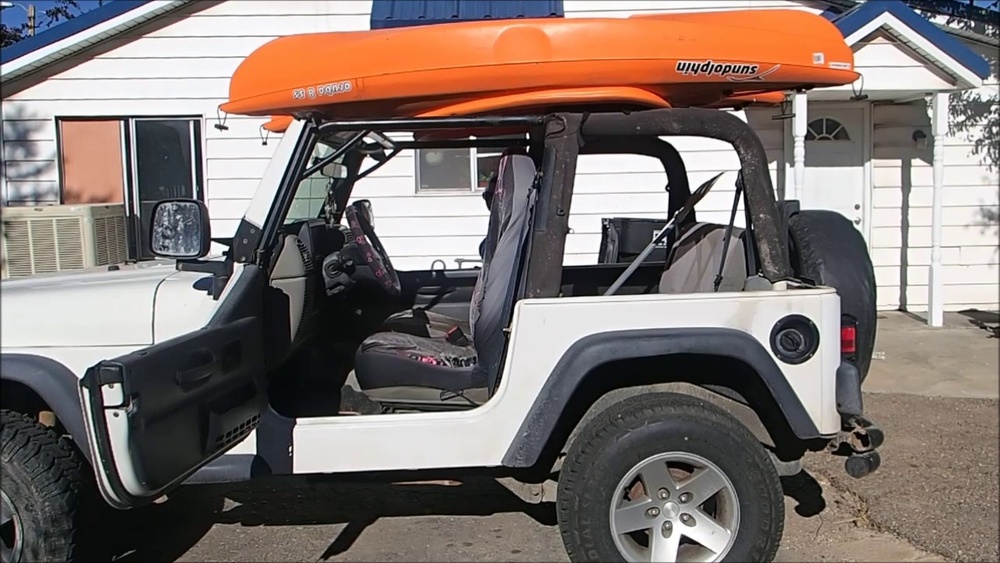
Before strapping anything, start with a roof rack made for carrying kayaks. Not all racks fit every Jeep, so check your model and roof type. Some racks are universal, but others are designed for specific Jeeps like the Wrangler or Cherokee.
| Jeep Model | Recommended Rack Type | Max Load (lbs) |
|---|---|---|
| Wrangler | Crossbars + J-cradles | 150 |
| Grand Cherokee | Factory crossbars | 165 |
| Renegade | Roof rails + pads | 120 |
J-cradle racks are popular for kayaks because they hold the boat upright and make loading easier. Foam pads are a cheaper option but offer less stability.
If your Jeep doesn’t have roof rails, you can use temporary pads, but always check the weight limit.
Preparing Your Kayak And Jeep
Clear your roof of any debris before loading. Place foam pads or towels under the rack to avoid scratches. Remove loose items from the kayak, like paddles or life jackets, to prevent them from flying out.
Measure your kayak and check your Jeep’s roof length. Most kayaks are between 8-14 feet long, while Jeep roofs are much shorter.
It’s common for the kayak to hang over the front and rear, but it should not block your view or extend more than 3 feet past the bumper.
Example: Jeep Wrangler And 12-foot Kayak
- Roof rack length: 5 feet
- Kayak length: 12 feet
- Overhang: 3.5 feet front, 3.5 feet rear
It’s legal in most states to have up to 4 feet of overhang, but attach a red flag to the end if it extends past the Jeep.

Strapping The Kayak: Step-by-step
Most accidents happen because straps are too loose or twisted. Use cam straps (not ropes) for the best security. Cam straps are easy to tighten and release, and they do not stretch.
- Position the kayak: Place the kayak hull-side down (if using pads) or on its side (if using J-cradles). Center it so weight is balanced.
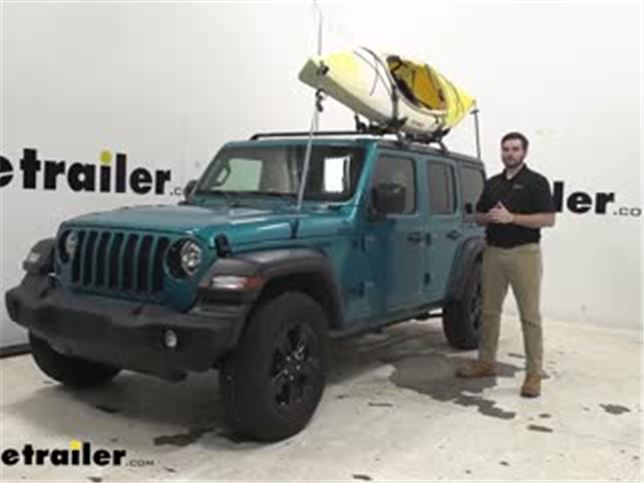
- Loop straps over kayak: Take the cam strap, toss it over the kayak, and loop it around the rack. Do this for both the front and rear crossbars.
- Secure the straps: Thread the strap through the cam buckle, pull tight, and check that the kayak doesn’t move. Repeat for the second strap.
- Tie off loose ends: Wrap extra strap length around the rack or tie a simple knot to keep it from flapping.
- Front and rear tie-downs: Attach a strap from the kayak’s bow to the Jeep’s front tow hook, and from the stern to the rear tow hook or bumper.
| Strap Type | Best Use | Strength (lbs) |
|---|---|---|
| Cam strap (1” width) | Main rack | 500 |
| Ratchet strap | Front/rear tie-down | 800 |
| Rope | Backup only | Varies |
Always use at least two straps across the kayak, plus front and rear tie-downs. This prevents shifting during sudden stops or turns.
Safety Checks Before Driving
After strapping, shake the kayak side to side. If it moves more than an inch, tighten the straps.
Check for twists flat straps hold better and reduce wind noise. Secure all loose ends; straps flapping at high speed can damage paint.
Drive a few blocks and stop to recheck. Straps can loosen due to vibration, especially on bumpy roads.
Many beginners forget this extra check, but it’s crucial for long trips.
Weather And Highway Tips
Wind and rain can affect your kayak’s stability. In strong wind, straps may loosen faster.
In heavy rain, water can make straps slippery, so tighten them more than usual.
For highway travel, drive under 70 mph and avoid sudden lane changes. If you’re going far, check straps every 100 miles or after big bumps.
Common Mistakes To Avoid
- Using rope instead of cam straps: Ropes stretch and can slip.
- Forgetting front/rear tie-downs: Without these, crosswinds can flip your kayak.
- Not checking overhang laws: If your kayak sticks out too much, you risk fines.
- Leaving loose straps: These can slap against the Jeep, causing scratches.
- Ignoring weight limits: Overloading your roof rack can damage your Jeep or make driving unsafe.
| Mistake | Risk | How to Avoid |
|---|---|---|
| Using rope | Loose fit | Always use cam straps |
| No front tie-down | Kayak could shift | Attach to tow hooks |
| Overhang >4 ft | Legal issue | Use a red flag |
| Ignoring weight limit | Roof damage | Check rack specs |
Many guides skip these details, but each one matters. Even expert paddlers make mistakes when rushing.
Practical Tips For Easy Loading
If you’re alone, use a step stool or small ladder to reach the roof. For tall Jeeps, place a towel on the roof edge to slide the kayak up without scratching.
Some kayaks are heavy ask a friend for help if yours weighs more than 50 lbs.
For long trips, bring extra straps in case one fails. A backup strap can save your trip.
If you plan to camp or paddle often, consider a folding kayak cart for easier loading. This simple tool lets you roll the kayak to your Jeep, saving your back and time.

Frequently Asked Questions
How Many Straps Do I Need To Secure A Kayak To A Jeep?
You need at least two cam straps for the main rack, plus front and rear tie-downs. This ensures the kayak doesn’t shift or fall off during driving.
Can I Use Ratchet Straps Instead Of Cam Straps?
Ratchet straps are strong but can crush your kayak if overtightened. Use cam straps for the main rack and ratchet straps only for bow and stern tie-downs.
Is It Safe To Drive With A Kayak Overhanging My Jeep?
Yes, as long as the overhang is less than 4 feet and you attach a red flag to the end. Always check local laws, as some states require extra safety measures.
How Fast Can I Drive With A Kayak On My Jeep?
Stay under 70 mph on highways. High speeds increase wind force, which can loosen straps or damage your kayak.
Where Can I Learn More About Kayak Transport Laws?
For official overhang and transport rules, visit the USA Government Transportation website.
Securing your kayak to a Jeep takes some practice, but with the right tools and steps, you’ll travel safely and stress-free. Always double-check your setup, and enjoy your next paddling adventure!