Driving a Jeep Wrangler is more than just enjoying the open road—it’s about handling tough terrains and unpredictable weather. One standout feature is the 4 wheel drive system, which gives your Wrangler extra traction and control. Many drivers feel unsure about when and how to use each mode. This guide helps you master the 4 wheel drive options, so you can drive confidently both on and off-road.
Understanding Jeep Wrangler 4 Wheel Drive Modes
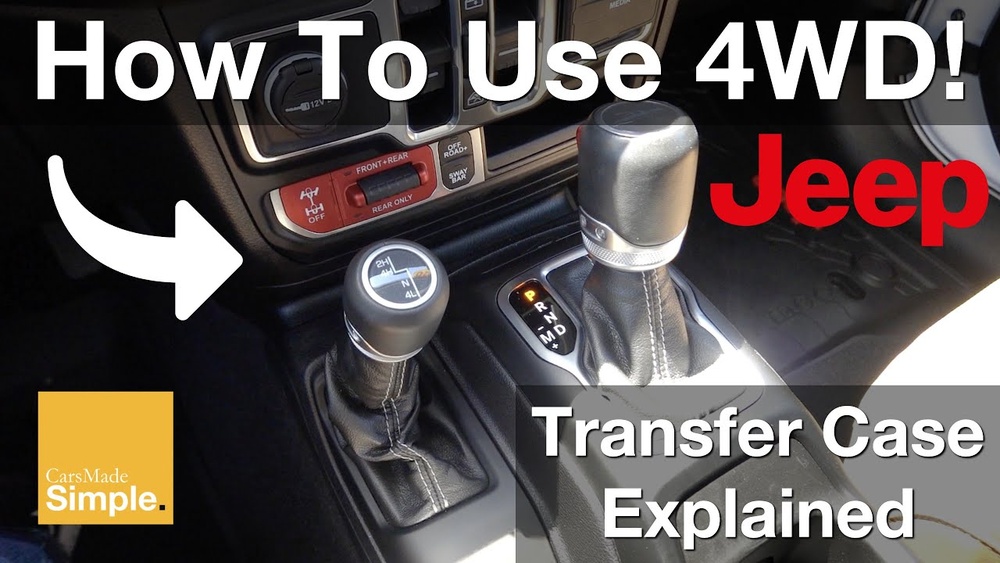
The Jeep Wrangler offers four main 4 wheel drive modes:
- 2H (Two High)
- 4H (Four High)
- 4L (Four Low)
- Neutral
Each mode serves a different purpose. Before switching, always check your Wrangler’s manual for specific instructions. Let’s look at each mode in detail.
1. 2h (two High)
The 2H mode is standard for everyday driving.
- How it works: Only the rear wheels get power.
- Best for: Dry, paved roads and normal speeds.
- Benefits: Better fuel efficiency and less wear on the drivetrain.
To use 2H, make sure your Wrangler is stopped or moving slowly. Move the transfer case lever to 2H. You’ll notice smoother driving and quieter operation. If you leave 4 wheel drive on dry pavement, it can cause binding and damage, so switch to 2H when you return to normal roads.
2. 4h (four High)
4H mode is for light off-roading or slippery conditions.
- How it works: Power goes to all four wheels.
- Best for: Rain, snow, mud, sand, or gravel.
- Benefits: Improved traction and stability.
To engage 4H, you can shift while driving at speeds up to 45 mph, but avoid sharp turns. Move the lever from 2H to 4H. You’ll feel extra grip, especially when roads are slick. Many drivers forget to switch back after the weather improves, which wears out parts faster.
Always return to 2H once the surface is dry.
3. 4l (four Low)
4L mode is the most powerful setting for tough situations.
- How it works: All wheels get power, but at lower speeds and higher torque.
- Best for: Deep mud, snow, steep hills, rocks, or towing heavy loads.
- Benefits: Maximum pulling force and control.
To use 4L, stop the vehicle completely and shift the transmission to neutral. Then, move the transfer case lever to 4L. You’ll notice slower movement but much more force. Don’t use 4L on normal roads—it’s only for extreme conditions. Using 4L wrongly can harm your Jeep’s gears.
4. Neutral
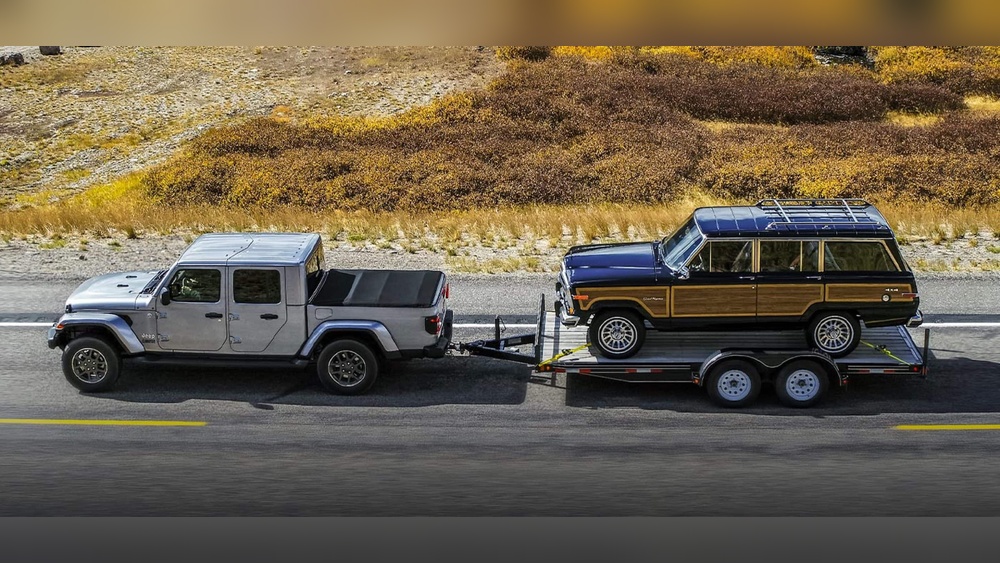
Neutral mode disconnects power from the wheels.
- How it works: No wheels receive power.
- Best for: Flat towing behind another vehicle.
- Benefits: Prevents damage while towing.
To shift to Neutral, stop your Wrangler, put the transmission in neutral, and move the transfer case lever to Neutral. This is not for driving—only for towing. Many people overlook this mode and risk damaging their transmission.
How And When To Use Each Mode
Knowing when to use each mode keeps your Wrangler safe and efficient. Here’s a quick guide:
| Mode | Surface | Speed | Purpose |
|---|---|---|---|
| 2H | Dry pavement | Any | Daily driving |
| 4H | Wet, slippery | <45 mph | Traction |
| 4L | Off-road | <25 mph | Power, control |
| Neutral | Towing | 0 mph | Disable wheels |
Practical Steps For Switching Modes
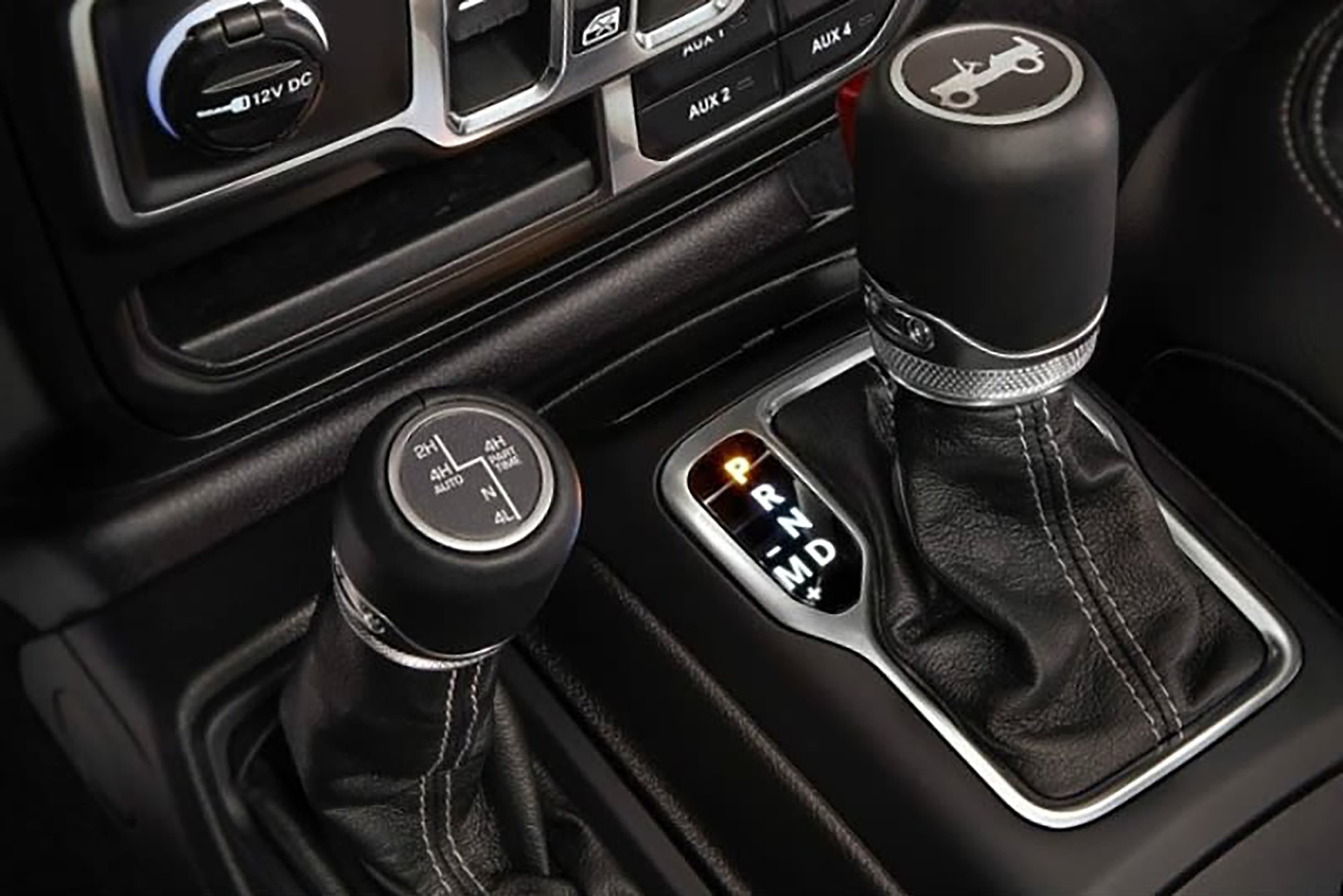
Switching between 4 wheel drive modes is simple, but doing it wrong can cause problems. Here are the basic steps:
- 2H to 4H: Slow down to under 45 mph, shift lever smoothly.
- 4H to 4L: Stop completely, shift transmission to neutral, move lever to 4L.
- To Neutral: Stop, put transmission in neutral, shift transfer case to Neutral.
- Back to 2H: Stop or slow down, move lever to 2H.
If your Wrangler has an electronic system, follow the screen prompts. Always listen for clicks or changes in engine sound—these are signs the mode engaged properly.
Comparing The Modes: Performance And Safety
Let’s compare the four modes for performance and safety:
| Mode | Fuel Economy | Safety | Common Mistake |
|---|---|---|---|
| 2H | Best | Good | Using in snow |
| 4H | Moderate | Excellent | Leaving on dry road |
| 4L | Poor | Maximum | Using on pavement |
| Neutral | N/A | Safe for towing | Driving in Neutral |
A non-obvious insight: Many drivers think 4 wheel drive means safer driving in all conditions, but it’s only true for slippery or rough surfaces. On dry pavement, 4 wheel drive can actually reduce handling and cause extra wear.

Common Mistakes And How To Avoid Them
Mistakes can damage your Jeep or make driving unsafe. Watch out for these:
- Leaving 4H or 4L engaged on dry pavement—this stresses the drivetrain.
- Switching modes at high speed—always slow down, especially for 4L.
- Ignoring dashboard warnings—these alert you to problems with shifting.
- Forgetting to shift back to 2H—leads to unnecessary fuel use.
Always read your Jeep’s manual and check for updates on official sites like Jeep Official.
Extra Tips For Beginners
- Practice shifting in a safe place before heading off-road.
- Use 4L sparingly—too much can overheat parts.
- Check tire pressure—low pressure helps in sand but not on rocks.
- Clean underbody after off-roading to prevent rust.

Frequently Asked Questions
How Do I Know Which 4 Wheel Drive Mode To Use?
Choose 2H for dry roads, 4H for slippery surfaces, 4L for tough off-road conditions, and Neutral for towing. Watch for changes in road texture or weather.
Can I Switch From 2h To 4h While Driving?
Yes, you can shift to 4H at speeds up to 45 mph. Slow down for smoother engagement and avoid sharp turns.
Is It Safe To Drive In 4l On The Highway?
No, 4L is only for slow speeds and rough terrain. Using it on highways will damage your Jeep and make it hard to control.
What Happens If I Use The Wrong Mode?
Using the wrong mode—like 4H on dry pavement—can cause drivetrain binding, reduce fuel efficiency, and lead to expensive repairs.
Do I Need Special Maintenance For The 4 Wheel Drive System?
Yes, check the transfer case fluid regularly and inspect for leaks or unusual sounds. Servicing the system every 30,000 miles is recommended.
Mastering the 4 wheel drive modes in your Jeep Wrangler lets you tackle new adventures with confidence. With careful use and regular checks, your Jeep will stay reliable for years. If you’re ever unsure, consult your manual or reach out to a Jeep specialist.
Enjoy the ride—on any road, in any weather.