Releasing the parking brake in a Jeep Cherokee might seem simple, but many drivers especially those new to the vehicle find it confusing. This is because Jeep has used several parking brake systems over the years.
Knowing how to release yours not only avoids embarrassing stalls, but also protects your brakes from damage.
Let’s explore the steps, important tips, and common issues you might face when releasing the parking brake in different Jeep Cherokee models.
Understanding Jeep Cherokee Parking Brakes
Jeep Cherokees use two main types of parking brakes:
- Foot-operated pedal (common in older and some current models)
- Electronic parking brake (found in newer models, especially after 2014)
Recognizing the type in your Cherokee is the first step to releasing it safely.
Foot Pedal Vs. Electronic Parking Brake
Here’s a quick comparison of the two systems:
| Feature | Foot Pedal | Electronic Parking Brake |
|---|---|---|
| Operation | Press/release pedal by left foot | Button or switch on center console |
| Model Years | Up to 2014 (most models) | 2014 and newer |
| Warning Light | Red “BRAKE” symbol | Red “P” in a circle |
How To Release A Foot-operated Parking Brake
Most Jeep Cherokees from the 1980s up to 2014 use a foot-operated parking brake. Here’s how to release it:
- Sit in the driver’s seat with the key in the ignition.
- Press the brake pedal with your right foot for safety.
- Locate the parking brake pedal to the far left near the driver’s footwell.
- Pull the release handle (usually a small lever above or beside the pedal) while your foot is off the parking brake pedal.
- Let the pedal spring up fully—this means the brake is off.
- Check the dashboard light. The parking brake warning should turn off.
Important Tips
- If the pedal feels stuck, rock the pedal gently before pulling the release.
- Never drive with the parking brake engaged, as this can cause brake overheating and permanent damage.
How To Release The Electronic Parking Brake
Newer Jeep Cherokees (2014 and up) use an electronic parking brake (EPB). The process is different but even simpler:
- Start the engine or switch the ignition to “On.”
- Press the brake pedal with your right foot.
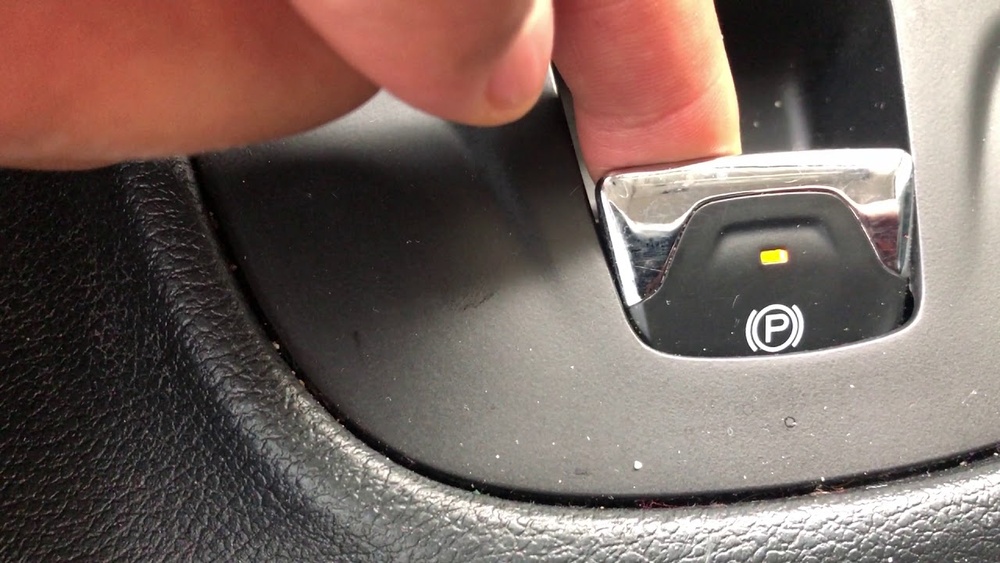
- Locate the EPB switch (marked with a “P” in a circle) on the center console.
- Pull up on the switch to engage, or push down to release.
- Watch for the indicator. The red “P” symbol disappears when the brake is released.
Key Differences From Manual System
- The EPB will sometimes release automatically if you shift into “Drive” and press the gas pedal, but it’s safer to do it manually.
- If the system senses a problem, a warning message will display.
Troubleshooting Common Issues
Sometimes, the parking brake won’t release as expected. Here’s a look at common problems and how to address them:
| Problem | Likely Cause | What to Do |
|---|---|---|
| Pedal stuck or hard to release | Rust or debris | Rock pedal gently; if stuck, see mechanic |
| Warning light stays on | Brake not fully released | Double-check release; check for dashboard errors |
| Electronic brake won’t release | Battery low or sensor issue | Check battery; consult your owner’s manual |

Practical Tips For Smooth Operation
- Engage and release the brake regularly. This prevents the mechanism from sticking, especially in wet or cold climates.
- If you park on a hill, always turn your wheels toward the curb (if facing downhill) or away from the curb (uphill) for extra safety.
- Listen for a clicking sound when releasing a foot pedal. No click may mean the brake is not disengaged.
- For electronic systems, a flashing or solid warning light means the brake is still on or there’s a problem.
Why Proper Release Matters
Driving with the parking brake on, even for a short distance, can:
- Overheat brake pads
- Warp brake rotors
- Trigger warning lights that require a service reset
These issues are more common than most drivers realize, especially after leaving a parking garage or hurrying from a stop.
Differences By Model Year
Not all Jeep Cherokees are the same. Here’s a summary of key differences:
| Model Year | Parking Brake Type | Release Method |
|---|---|---|
| 1984–2013 | Foot pedal | Lever release above pedal |
| 2014–present | Electronic | Button (push down) |
Always check your owner’s manual if you’re unsure about your model.
When To See A Mechanic
If your parking brake still won’t release after following these steps, or if you hear grinding noises, the brake cable or actuator may need service. Continuing to drive could cause expensive damage.
Most issues can be fixed quickly by a professional, often within an hour.

Frequently Asked Questions
How Do I Know If My Parking Brake Is Fully Released?
The warning light on your dashboard should turn off. For manual systems, the pedal should sit flush with the floor. For electronic brakes, the “P” symbol disappears.
Can I Release The Parking Brake Without Starting My Jeep Cherokee?
Yes, but you should at least switch the ignition to “On. ” For electronic brakes, the system requires power to disengage.
What Happens If I Drive With The Parking Brake On?
You risk overheating your brakes and damaging brake components. If you smell burning or see smoke, stop immediately and let the brakes cool.
Why Won’t My Electronic Parking Brake Release?
Common reasons include low battery, a faulty switch, or a sensor issue. Try restarting the vehicle; if it still won’t release, check your manual or visit a professional.
Is It Safe To Park My Cherokee Without Using The Parking Brake?
It’s not recommended. The parking brake gives extra security, especially on slopes. Relying only on “Park” in the transmission can cause wear and may fail on steep hills.
If you want more technical details, the official Jeep website provides up-to-date guides: Jeep Maintenance.
Releasing the parking brake in your Jeep Cherokee is easy once you know the steps for your model. With a few simple checks, you can avoid common mistakes and keep your vehicle running smoothly.