If you drive a Jeep Grand Cherokee, keeping your coolant level in check is essential. Proper coolant helps prevent engine overheating, protects vital parts, and ensures smooth performance. Many owners overlook this simple task, but neglecting it can lead to expensive repairs. Checking your coolant is quick, easy, and saves you headaches down the road. This guide will show you exactly how to check the coolant level, what to look out for, and share tips most beginners miss.
Why Coolant Level Matters
The coolant (sometimes called antifreeze) absorbs heat from your engine and releases it through the radiator. If you run low, your Jeep can overheat fast. Overheated engines often suffer damage, warped heads, or blown gaskets. In cold weather, coolant also protects against freezing.
Most experts recommend checking coolant once a month, or before long trips. For the Grand Cherokee, this is especially important if you drive in hot climates or tow heavy loads.
What You Need Before Checking
You don’t need special tools. Here’s what you should have ready:
- Clean rag (for wiping spills or checking color)
- Flashlight (if your engine bay is dark)
- Gloves (optional, for safety)
- Coolant type (know what’s in your Jeep; check your manual)
Only check coolant when the engine is cold. Opening the reservoir when hot can cause burns from steam or splashing liquid.
Step-by-step: Checking Coolant Level
Follow these steps for accurate results:
- Park your Jeep on a flat surface. Turn off the engine and let it cool for at least 30 minutes.
- Open the hood using the release lever inside the cabin. Prop the hood securely.
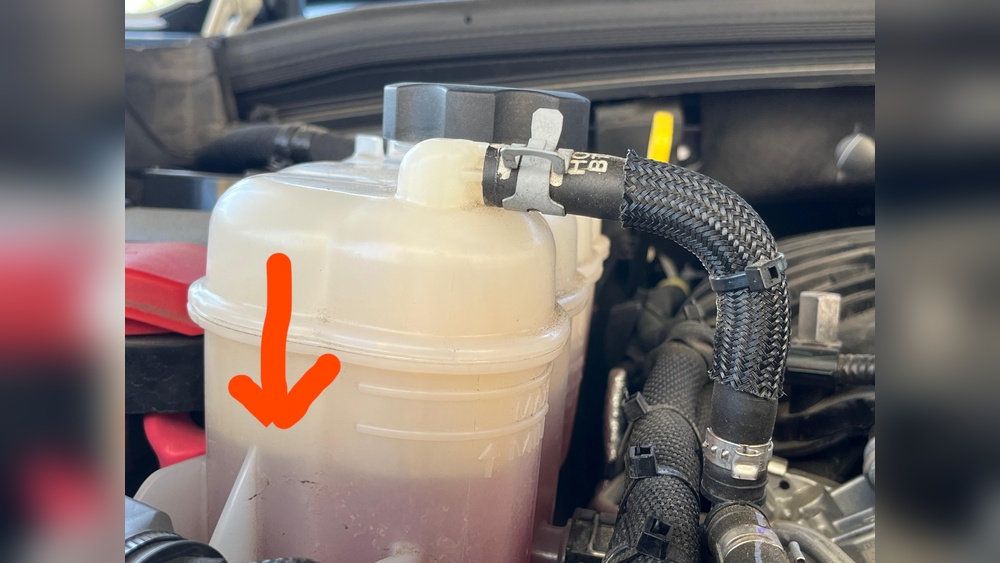
- Locate the coolant reservoir. In most Grand Cherokees, it’s a translucent plastic tank near the radiator. You’ll see “MIN” and “MAX” lines on the side.
- Use your flashlight if needed. Observe the coolant level through the side of the reservoir.
- If the level is between MIN and MAX, you’re good. Below MIN? You need to add coolant.
- Check the color. Coolant is usually bright green, orange, or pink. If it looks rusty, cloudy, or oily, there may be contamination.
- Never open the radiator cap if the engine is hot. If you must check inside, wait until it’s fully cool.
Adding Coolant (if Needed)
- Use the correct coolant type for your Jeep. Mixing types can cause engine issues.
- Slowly pour coolant into the reservoir until it reaches the MAX line. Don’t overfill.
- Replace the cap tightly.
- If you’re topping up often, you might have a leak.
Common Mistakes And Non-obvious Insights
Many people miss these points:
- Coolant expands as it heats. Always check levels when cold for accuracy.
- Don’t mix coolants. Some brands are not compatible, which can cause sludge or damage.
- If you see coolant below MIN often, check for leaks under your Jeep or inside the engine bay.
- Some Grand Cherokees use HOAT or OAT coolant types. Using the wrong one can void warranties.
- A dirty or oily coolant could mean a head gasket leak—a serious issue.

How To Identify The Correct Coolant Type
Jeep Grand Cherokees have used different coolants over the years. Here’s a quick comparison:
| Year | Coolant Type | Color |
|---|---|---|
| 2011-2013 | HOAT | Purple/Orange |
| 2014-2020 | OAT | Orange |
| 2021-present | OAT | Orange |
Check your owner’s manual or ask your dealer to confirm.
Signs Of Coolant Problems
Noticing changes in your coolant can warn you about engine troubles. Here are some common signs:
- Low coolant: May cause overheating, frequent temperature spikes
- Discolored coolant: Indicates rust or contamination
- Sweet smell: Often signals a leak
- White smoke from exhaust: Could mean coolant burning inside engine
If you notice any of these, get your Jeep checked soon.
Comparing Coolant Brands For Jeep Grand Cherokee
Choosing the right brand matters. Here’s a quick look at popular options:
| Brand | Type | Compatible Years | Price Range |
|---|---|---|---|
| Mopar | OAT/HOAT | 2011-present | $18-$25/gallon |
| Prestone | Universal | Varies | $15-$22/gallon |
| Zerex | OAT | 2014-present | $20-$28/gallon |
Always check product labels and match the coolant type with your Jeep’s requirements.
Practical Tips For Coolant Maintenance
- Inspect hoses and clamps for leaks or cracks every time you check coolant.
- Change coolant every 5 years or 100,000 miles for OAT types.
- Keep a spare bottle in your cargo area for emergencies.
- Clean spills immediately, as coolant is toxic to pets and wildlife.
What If Coolant Level Drops Quickly?
A sudden drop in coolant means trouble. Here’s what to do:
- Check for visible leaks under your Jeep.
- Inspect hoses and radiator for wet spots or white residue.
- Look for coolant inside the oil (milky appearance on dipstick).
- Visit a mechanic if you can’t find the cause.
Troubleshooting: Coolant Level Sensor
Some Grand Cherokees have a coolant level sensor that triggers a warning on your dashboard. If the warning appears but the level is fine, the sensor may be faulty. Cleaning the sensor or replacing it usually solves the problem.
Recommended Resources
For more details and official guidance, visit the Jeep Owner’s Manual.
Frequently Asked Questions
How Often Should I Check Coolant In My Jeep Grand Cherokee?
You should check the coolant level at least once a month. If you drive in extreme temperatures or tow heavy loads, check more often.
What If My Coolant Looks Brown Or Cloudy?
Brown, cloudy, or oily coolant means contamination. It could be rust, oil, or a head gasket leak. Get your Jeep inspected right away.
Can I Use Water Instead Of Coolant In An Emergency?
If you’re stranded and have no coolant, you can use water temporarily. However, water does not protect against freezing or corrosion. Replace with proper coolant as soon as possible.
Is It Normal For Coolant Level To Drop Over Time?
A small drop over months is normal, but if you’re adding coolant often, there may be a leak or internal problem. Check for leaks or consult a mechanic.
How Do I Know If I Have The Right Coolant?
Check your owner’s manual or the reservoir cap for coolant type. Using the wrong type can cause engine damage or void your warranty.
Keeping your Jeep Grand Cherokee’s coolant at the right level protects your engine and saves you money. With these steps and tips, you’ll feel confident every time you check. Don’t ignore changes—catching issues early is always easier than fixing them later.