Jump starting a Jeep Grand Cherokee can feel stressful, especially if you’re not familiar with the process. Whether it’s a cold morning, a forgotten headlight, or just an old battery, most drivers face a dead battery at some point. Taking action quickly can save you from being stranded and prevent possible damage to your vehicle’s electronics. This guide walks you through how to safely jump your Grand Cherokee, what tools you need, and a few tips that even experienced drivers sometimes forget.
What You Need Before You Start
Before you attempt to jump start your Jeep, gather these essentials:
- Jumper cables: Thick, well-insulated cables (minimum 10-gauge is recommended).
- A running vehicle: Preferably similar in size or larger.
- Safety gear: Gloves and eye protection.
- Owner’s manual: For your Jeep and the other vehicle, if available.
Some newer Grand Cherokees (especially hybrid or diesel models) may have special instructions. Always check your owner’s manual if you’re unsure. If your Jeep has a “start/stop” button or unique battery location, the manual will point this out.
Step-by-step: How To Jump A Jeep Grand Cherokee
Follow these steps for a safe and successful jump:
- Position the vehicles: Park the working car close to your Jeep, but don’t let them touch. Turn off both vehicles and set the parking brakes.
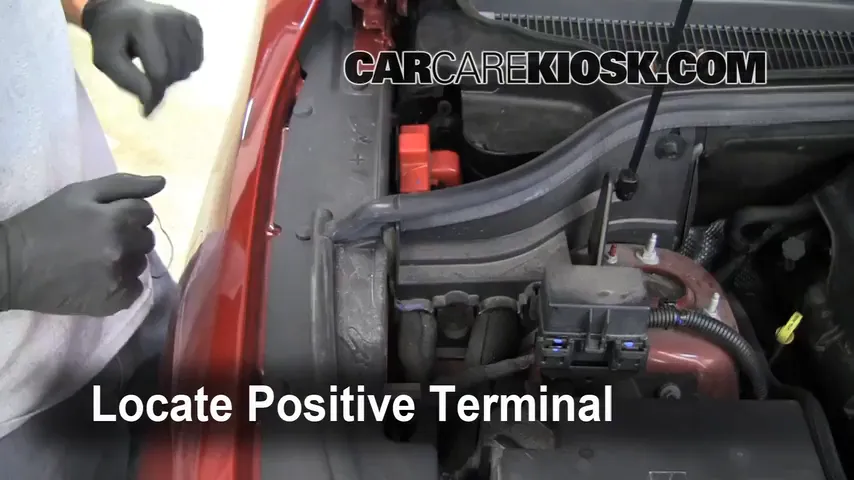
- Open the hoods: Locate the batteries. In some Grand Cherokees, the battery is under the passenger seat or in a covered compartment.
- Identify positive and negative terminals: The positive terminal usually has a red cover or “+” sign. The negative is often black or marked “-”.
Connecting The Jumper Cables
Order matters. Connect cables in this sequence:
- Red clamp to your Jeep’s positive terminal.
- Red clamp to the helper vehicle’s positive terminal.
- Black clamp to the helper vehicle’s negative terminal.
- Black clamp to an unpainted metal surface on your Jeep (not the battery). This reduces the risk of sparks near the battery.
Starting Up
- Start the helper vehicle and let it run for 2-3 minutes.
- Try to start your Jeep. If it doesn’t start, wait another minute or two and try again.
- Once your Jeep starts, let both vehicles idle for a few minutes.
Removing The Cables
Detach the cables in reverse order:
- Black clamp from your Jeep.
- Black clamp from the helper vehicle.
- Red clamp from the helper vehicle.
- Red clamp from your Jeep.
Make sure clamps do not touch each other during removal.

Important Safety Tips
Jump starting is usually safe, but these extra steps help avoid damage or injury:
- Never lean over the battery when connecting cables.
- Do not let clamps touch each other or any metal parts.
- If the battery is cracked or leaking, do not attempt to jump start.
- Remove any jewelry (rings, watches) to prevent accidental short circuits.
Quick Reference: Cable Connection Order
Here’s a simple table to summarize the cable connection sequence:
| Step | Action | Where |
|---|---|---|
| 1 | Red (+) clamp | Jeep positive terminal |
| 2 | Red (+) clamp | Helper vehicle positive terminal |
| 3 | Black (–) clamp | Helper vehicle negative terminal |
| 4 | Black (–) clamp | Jeep unpainted metal surface |
Common Mistakes To Avoid
Jump starting seems easy, but these mistakes can cause damage:
- Reversing cable order: Connecting cables incorrectly can damage your Jeep’s electronics.
- Jumping a faulty battery: If your battery is very old or damaged, jump starting might not work, and can be unsafe.
- Ignoring warning lights: If dashboard lights stay on after jumping, get your Jeep checked as soon as possible.
After Jump Starting: What To Do Next
Once your Jeep is running, keep the engine on for at least 20-30 minutes or drive around. This allows your alternator to recharge the battery. If your Jeep stalls again soon after, your battery or alternator may need professional attention.
A healthy battery voltage is usually 12.6 volts or higher when the engine is off. You can check this with a basic voltmeter.
Comparing Jump Starting To Other Solutions
Sometimes jump starting isn’t the only option. Here’s a quick look at how jump starting compares to using a portable jump starter or calling roadside assistance:
| Method | Speed | Cost | Convenience |
|---|---|---|---|
| Jump Cables + Helper Car | Fast (5-10 min) | Low | Needs another car |
| Portable Jump Starter | Very fast (2-5 min) | Medium | Solo use |
| Roadside Assistance | Slow (30+ min) | High | Wait time |
Portable jump starters are a handy investment, especially for remote areas or cold climates.
How Jeep Grand Cherokee Batteries Compare
Different Grand Cherokee models and years use different battery types. Here’s a comparison of common battery group sizes:
| Model Year | Battery Group Size | Cold Cranking Amps (CCA) |
|---|---|---|
| 2011–2020 | Group 94R | 650–800 |
| 2005–2010 | Group 34 | 700–800 |
| 1999–2004 | Group 65 | 650–850 |
Always check your owner’s manual for the correct battery type, as using the wrong size can cause electrical problems.
Two Non-obvious Tips For Jeep Owners
- Check for corrosion: Battery terminals with white or green build-up may block electricity. Clean terminals with a wire brush before jump starting.
- Electronic resets: Sometimes, after a jump, your Jeep’s radio, clock, or window controls may need to be reset. This is normal and can be found in your manual.
Frequently Asked Questions
Why Does My Jeep Grand Cherokee Battery Keep Dying?
Common reasons include old batteries, leaving lights on, or a failing alternator. Short trips in cold weather can also drain the battery faster.
Yes, but make sure your foot is firmly on the brake and the key fob is inside the vehicle. Some models have special battery terminals under the hood for jump starting.
Is It Safe To Jump Start In The Rain?
Jump starting in light rain is generally safe if you avoid puddles and keep connections dry. However, avoid standing water to reduce risk.
What If My Jeep Still Won’t Start After A Jump?
This could mean a dead battery, faulty starter, or electrical issue. Consider replacing the battery or contacting a mechanic.
Where Can I Find More Detailed Jeep Battery Specs?
The most reliable source is your owner’s manual or the official Jeep website for your model year.
Jump starting your Jeep Grand Cherokee is a skill every owner should know. With the right steps and a bit of caution, you can get back on the road quickly and safely, avoiding unnecessary delays and costly tows.