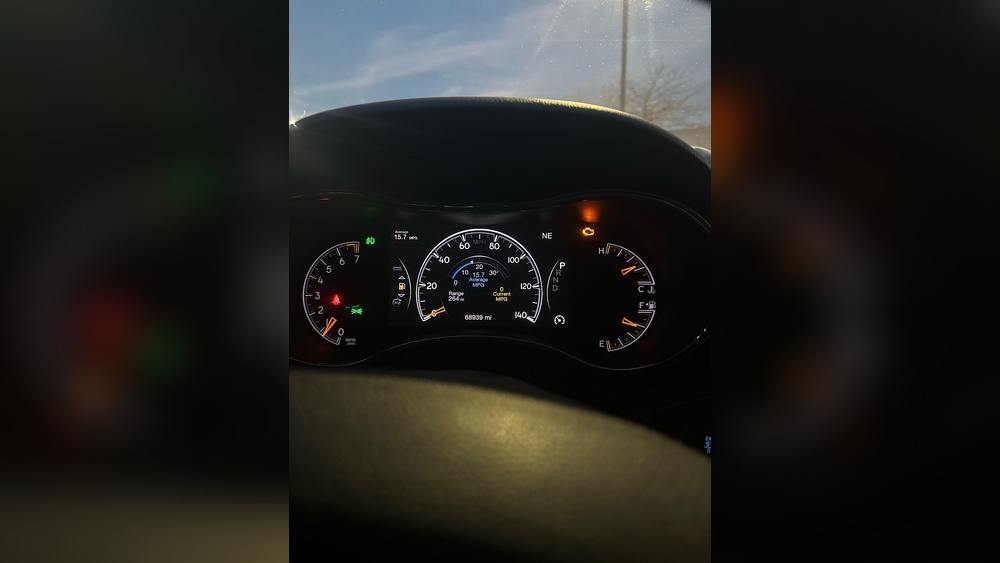
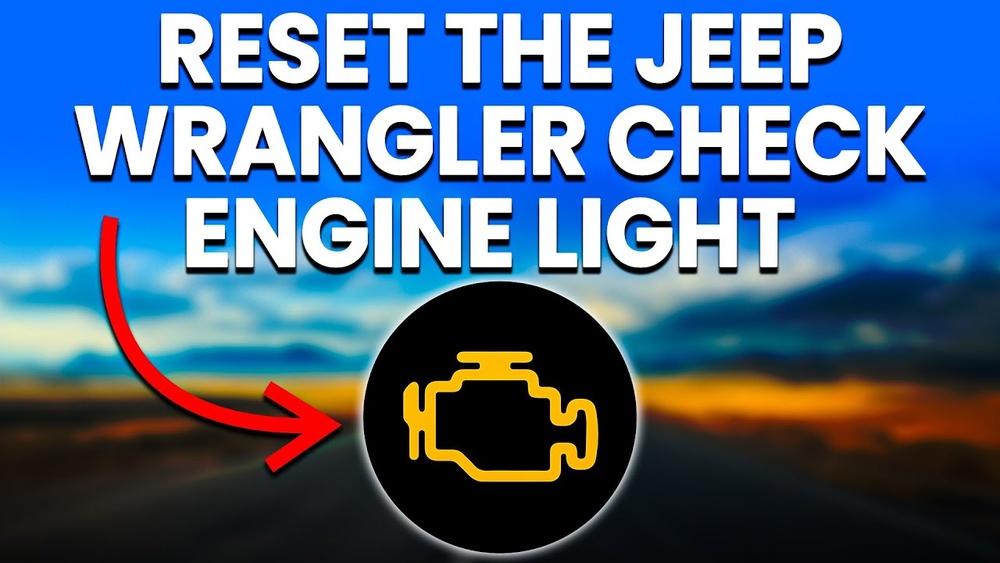
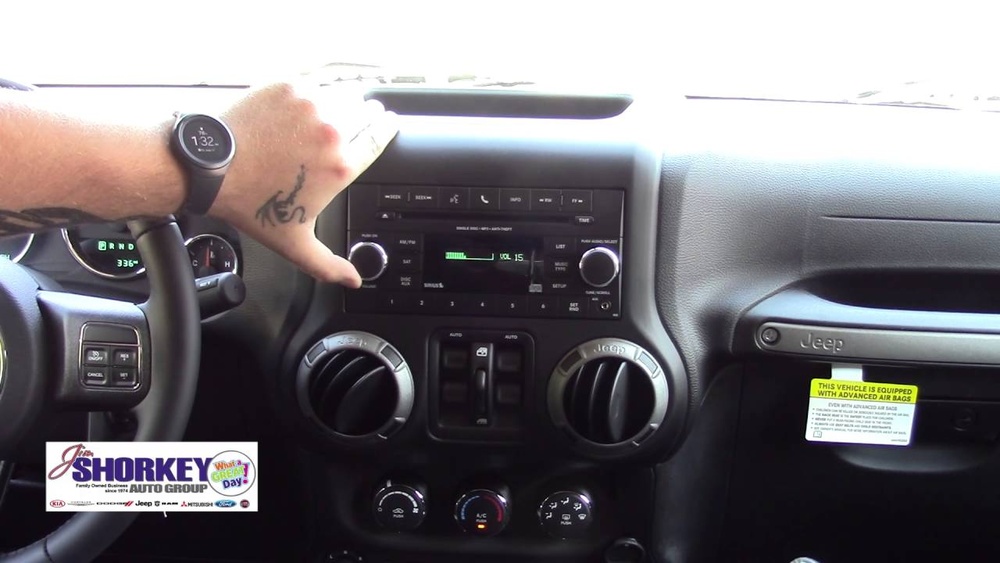
If you own a Jeep JK and that dreaded check engine light suddenly turns on, you probably want to know exactly what’s going on—and fast. Ignoring it isn’t a good idea, but you don’t always need to rush to a mechanic or buy an expensive scanner right away.
What if you could check the codes yourself, right from your driver’s seat? In this guide, you’ll learn simple, step-by-step methods to read your Jeep JK’s check engine codes without any complicated tools. Knowing how to quickly check your check engine light can save you time, money, and stress.
So, let’s dive in and get you back on the road with confidence.
Check Engine Light Basics
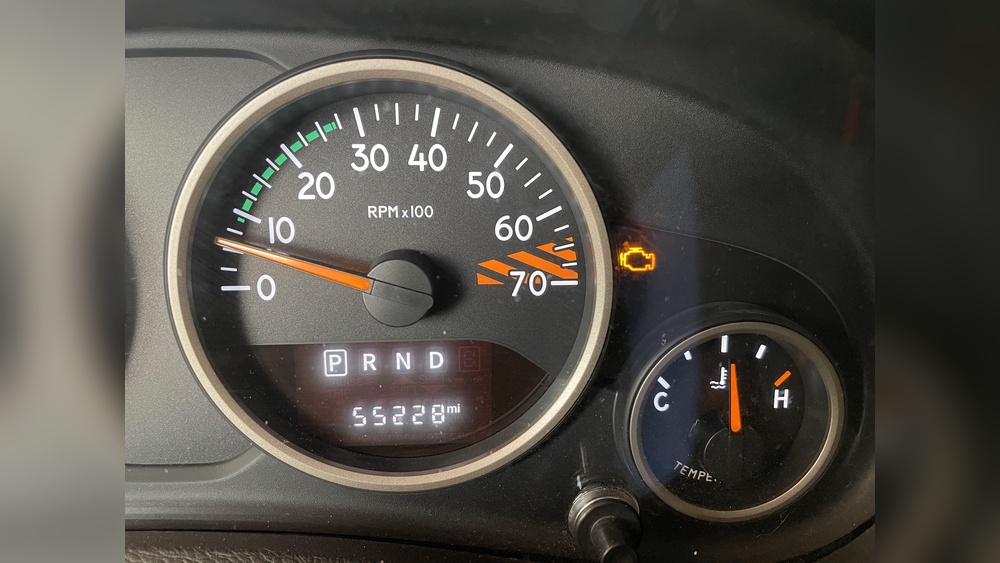
The check engine light on your Jeep JK signals an issue with the vehicle’s engine or emissions system. It alerts you to problems that need attention. Understanding this light helps you take quick action. This can prevent bigger repairs and keep your Jeep running smoothly.
The light may come on for many reasons. Some are simple, while others need a mechanic’s help. Knowing what the light means and common causes can save time and money.
What The Light Means
The check engine light is part of your Jeep’s onboard diagnostics. It turns on when the system detects a fault. This fault could affect engine performance or emissions. The light may stay steady or blink. A steady light means a minor issue. A blinking light means a serious problem that needs immediate attention.
Ignoring the light can lead to poor fuel economy or engine damage. The light does not always mean the engine is broken. It may indicate something simple, like a loose gas cap. Checking the light early helps keep your Jeep safe and efficient.
Common Causes On Jeep Jk
Several issues can cause the check engine light to come on in a Jeep JK. A loose or damaged gas cap is one of the most common reasons. It affects the fuel system pressure and triggers the light.
Faulty oxygen sensors often cause the light to appear. These sensors monitor exhaust gases and help control fuel mixture. Problems with spark plugs or ignition coils can also trigger the light. They affect engine combustion and performance.
Other causes include a failing catalytic converter or mass airflow sensor. These parts impact emissions and engine efficiency. Sometimes, the issue involves wiring or the vehicle’s computer system. Diagnosing the exact cause requires reading the error codes.
Retrieving Engine Codes Without A Scanner
When the check engine light turns on in your Jeep JK, you might want to find out the problem quickly. Not everyone owns a scanner tool. Good news: you can retrieve engine codes without a scanner. This saves money and time. The Jeep JK has a simple built-in way to show error codes. These codes help identify the issue with your vehicle. Follow these easy methods to check the codes yourself.
Using The Ignition Key Method
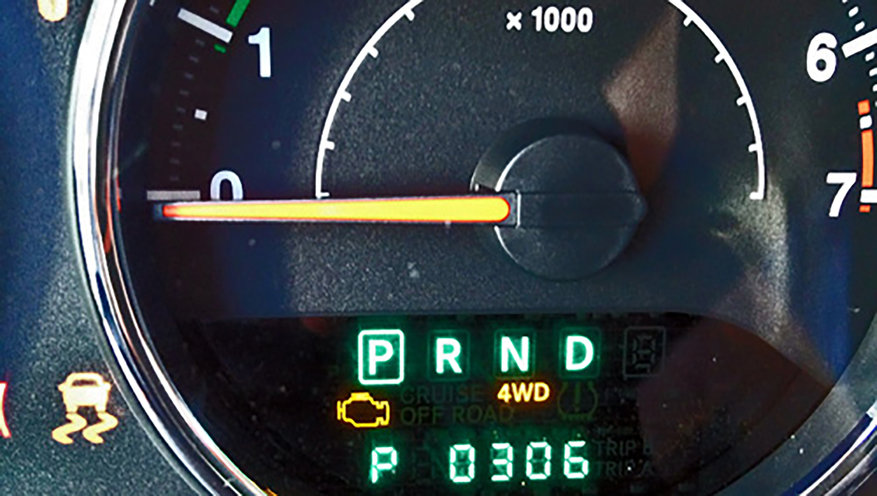
Insert your key into the ignition. Turn it to the “On” position without starting the engine. Push the key inward while turning it off and then back to “On” three times. End the process with the key in the “On” position. Do this smoothly and at a steady pace. The check engine light will start blinking. These flashes are your Jeep’s engine trouble codes. Count the flashes carefully to decode the problem. Pause between groups of flashes to separate different codes. This method works well for Jeep JK models without a scanner.
Reading Codes On The Odometer
After using the ignition key method, look at the odometer display. The engine codes appear as numbers on the screen. Each code is a series of flashes shown as digits. For example, two flashes, pause, then five flashes means code 25. Write down each code you see. These codes point to specific faults in your Jeep. Use a Jeep code chart or manual to understand what each code means. This step helps you decide whether to fix the issue yourself or visit a mechanic. Reading the odometer codes is a quick way to know your Jeep’s engine health.
Using An Obd-ii Scanner
Using an OBD-II scanner is a simple and effective way to check the check engine light on your Jeep JK. This device connects to your vehicle’s onboard computer and reads error codes. These codes help identify the problem causing the warning light.
Scanning for codes can save time and money. It lets you know if the issue is minor or needs a mechanic’s attention. Learning to use an OBD-II scanner is easy and useful for Jeep owners.
Choosing The Right Scanner
Select a scanner compatible with Jeep JK models. Basic code readers work well for simple diagnostics. More advanced scanners offer live data and code clearing features. Look for one with clear instructions and user-friendly controls. Budget and features both matter when picking a scanner.
Connecting To Your Jeep Jk
Locate the OBD-II port under the dashboard, near the steering column. Plug the scanner into this port firmly. Turn your Jeep’s ignition to the “On” position without starting the engine. The scanner will power up and start communicating with your vehicle’s computer.
Interpreting Scanner Codes
The scanner displays a code starting with a letter and followed by numbers. Each code corresponds to a specific issue or system. Use the scanner’s manual or an online database to understand the meaning. Some scanners provide brief descriptions of the problem. Knowing the code helps decide the next repair steps.
Resetting The Check Engine Light
Resetting the check engine light on your Jeep JK can clear minor issues and turn off the warning. This step often follows diagnosing the cause of the light. Resetting is simple but requires care to avoid hiding serious problems. Understanding when and how to reset keeps your Jeep running smoothly and safely.
When To Reset
Reset the check engine light only after fixing the problem. Clearing the light without repair can mask faults. Some issues may cause the light to come back quickly. Wait until the Jeep runs well and no new codes appear. Use resetting to confirm repairs and clear old warnings.
Reset Methods For Jeep Jk
One common method is using an OBD-II scanner. Plug the scanner into the Jeep’s port under the dashboard. Follow the device instructions to read and clear codes. Another way is disconnecting the battery for about 15 minutes. This can reset the engine control unit and turn off the light. Some Jeep JK models allow a key cycle reset. Turn the key on and off in a specific pattern to clear codes. Choose the method that suits your tools and skills.
Precautions Before Resetting
Always check the engine codes before reset. Ignoring codes can lead to bigger issues later. Make sure the Jeep is safe to drive after repairs. Resetting without repair may cause damage or poor performance. Keep track of any codes and symptoms for future reference. If unsure, consult a mechanic to avoid mistakes.
Addressing Common Issues
The check engine light on your Jeep JK signals a problem that needs attention. Some issues are simple to fix, while others require more care. This section helps you address common problems that cause the light to turn on. Understanding these basics can save time and money.
Start by checking easy things first. Then, inspect parts that often cause trouble. Finally, know when to get expert help. This approach keeps your Jeep running well and safe on the road.
Checking The Gas Cap
A loose or damaged gas cap often triggers the check engine light. The cap seals the fuel system and prevents fumes from escaping. Remove the gas cap and check for cracks or dirt. Tighten it firmly until you hear a click. Drive a short distance and see if the light goes off.
If the light stays on, try replacing the gas cap. This simple fix works for many Jeep JK owners. It prevents fuel vapors from leaking and causing errors in the system.
Inspecting Sensors And Wiring
Faulty sensors or damaged wiring can cause the check engine light. Common sensors include oxygen sensors and mass airflow sensors. Look under the hood for loose or broken wires. Check sensor connections for dirt or corrosion. Gently clean or reconnect them if needed.
Sometimes, sensors fail and must be replaced. Use an OBD-II scanner to identify the exact sensor causing trouble. This tool reads trouble codes and points to the problem. Fixing sensor issues improves engine performance and fuel efficiency.
When To Seek Professional Help
Some problems need a trained mechanic’s attention. If the check engine light stays on after simple fixes, visit a repair shop. Complex issues like engine misfires or catalytic converter problems require expert care.
Professional technicians have tools and knowledge to diagnose and fix hidden problems. Ignoring the check engine light may lead to costly damage. Early help protects your Jeep JK and keeps it reliable on every trip.
Preventing Future Check Engine Alerts
Preventing future check engine alerts on your Jeep JK helps avoid unexpected repairs. It also keeps your vehicle running smoothly. Taking simple steps regularly can reduce the chances of warning lights appearing. Staying proactive saves time and money. It also improves your Jeep’s reliability and performance.
Regular Maintenance Tips
Follow the manufacturer’s recommended maintenance schedule. Change the oil and oil filter regularly. Replace air filters to keep the engine clean. Check and replace spark plugs as needed. Inspect and fix any leaks or worn parts quickly. Use quality fuel to prevent engine issues. Keep the fuel system clean with additives occasionally. Regular maintenance helps catch problems before they trigger alerts.
Monitoring Vehicle Performance
Pay attention to how your Jeep drives every day. Notice any rough idling, stalling, or loss of power. Listen for unusual noises from the engine or exhaust. Watch for changes in fuel efficiency or acceleration. Check tire pressure and alignment regularly. Use an OBD-II scanner to read codes if the check engine light flashes. Early detection of issues helps prevent serious engine problems and keeps alerts away.

Frequently Asked Questions
How To Check Engine Codes Jeep Jk?
Insert the key and turn ignition On without starting. Push key in, turn Off then On three times, ending On. Read codes on odometer.
How Do I Check My Jeep Code Without A Scanner?
Turn the ignition key to the ON position without starting. Push and hold the key in, then cycle Off-On three times. Codes appear on the odometer.
How To Reset Check Engine Light Jeep Wrangler Jk?
Turn the ignition to ON without starting. Push and hold the key, turn OFF then ON three times. Drive to clear the light.
What Is The Most Common Check Engine Light On A Jeep Wrangler?
The most common check engine light on a Jeep Wrangler often indicates a loose or faulty gas cap. It can also signal oxygen sensor or catalytic converter issues. Regularly check and tighten the gas cap to prevent this warning and ensure proper vehicle performance.
Conclusion
Checking your Jeep JK’s check engine light is simple and important. Use the key method to read error codes without special tools. These codes help identify issues early and keep your Jeep running well. Regular checks prevent bigger problems and save money.
Stay alert to your Jeep’s signals and act quickly. This keeps your Jeep safe and reliable on every drive.