Jeep Wrangler owners love their vehicles for adventure, reliability, and off-road capability. However, nothing ruins a drive more than engine hesitation during acceleration. This problem feels like a pause or lag when you press the gas pedal, and it can be both annoying and unsafe, especially when merging or overtaking. Understanding why this happens and how to fix it is crucial for smooth performance and peace of mind.
Why Engine Hesitation Happens
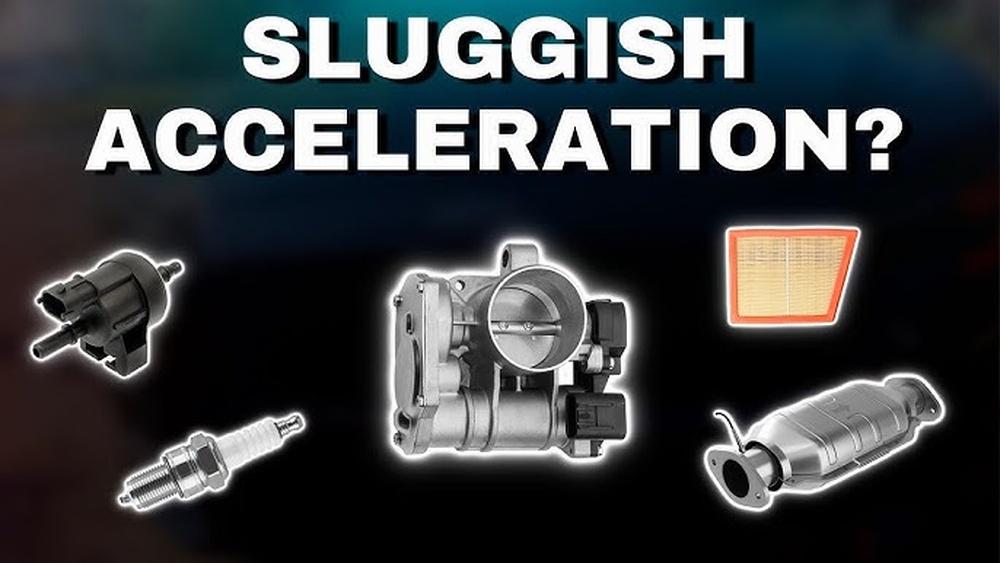
Engine hesitation is usually a sign that something is wrong with the fuel delivery, air intake, or ignition system. When your Jeep Wrangler hesitates, the engine isn’t getting the right mix of fuel and air, or it’s not firing properly. Common causes include:
- Dirty fuel injectors
- Faulty spark plugs
- Clogged air filter
- Bad sensors
- Vacuum leaks
- Weak fuel pump
Many drivers overlook basic maintenance, thinking their Wrangler can handle rough conditions without issue. But even tough vehicles need regular care.
Diagnosing The Problem
Finding the exact cause of hesitation saves time and money. Start with these steps:
- Check for error codes using an OBD-II scanner. Most Wranglers from 1996 onward have this feature. Codes like P0300 (random misfire) or P0171 (lean condition) point to specific issues.
- Listen for sounds. Hesitation often comes with unusual noises like sputtering or popping.
- Observe symptoms. Is hesitation worse when cold? Does it happen at certain speeds? These clues help narrow down the problem.
If you notice hesitation after filling up with gas, bad fuel could be the culprit—a non-obvious cause many owners miss.

Common Fixes For Engine Hesitation
Jeep Wranglers are known for their simple design, which makes repairs easier than with many modern SUVs. Here’s how to address the most frequent causes:
Clean Or Replace Fuel Injectors
Over time, fuel injectors can get clogged with deposits. This restricts fuel flow and causes hesitation.
- Use a fuel injector cleaner in your gas tank every 10,000 miles.
- For severe cases, remove injectors and clean them manually or replace if necessary.
Change Spark Plugs And Wires
Worn-out spark plugs or old wires cause weak ignition, leading to hesitation.
- Replace spark plugs every 30,000–50,000 miles.
- Upgrade to high-quality plugs for better performance.
Replace Air Filter
A clogged air filter restricts airflow, making the engine run lean.
- Change the air filter every 12,000–15,000 miles or more often if you drive in dusty areas.
- Choose OEM or high-efficiency filters.
Check Sensors
Modern Wranglers rely on sensors like the Mass Air Flow (MAF) and Throttle Position Sensor (TPS). Faulty sensors send incorrect data to the engine computer.
- Scan for error codes.
- Replace sensors if readings are abnormal.
Inspect For Vacuum Leaks
Vacuum leaks affect the air-fuel ratio, often causing hesitation.
- Look for cracked hoses or loose fittings.
- Use carburetor cleaner around the intake manifold; engine speed changes reveal leaks.
Test The Fuel Pump
A weak fuel pump means low pressure, so the engine struggles to accelerate.
- Check fuel pressure using a gauge (Wranglers typically need 47–51 psi).
- Replace the pump if pressure is too low.
A quick comparison of causes and symptoms makes diagnosis easier:
| Cause | Main Symptom | Test/Check |
|---|---|---|
| Dirty Injectors | Rough idle, hesitation | Injector cleaning, fuel additive |
| Bad Spark Plugs | Misfire, loss of power | Visual check, replace |
| Clogged Air Filter | Slow acceleration | Replace filter |
| Faulty Sensors | Check engine light | Scan with OBD-II |
| Vacuum Leak | High idle, stalling | Spray carb cleaner |
| Weak Fuel Pump | Hesitation at speed | Fuel pressure gauge |
Preventing Engine Hesitation
Routine maintenance is your best defense. Many Jeep owners skip scheduled services, thinking their vehicle’s ruggedness means less care is needed. This is a common mistake that leads to problems like hesitation.
Maintenance Schedule Comparison
Here’s how Jeep Wrangler maintenance compares to other SUVs:
| Vehicle | Spark Plug Change | Air Filter Change | Fuel System Cleaning |
|---|---|---|---|
| Jeep Wrangler | 30,000–50,000 miles | 12,000–15,000 miles | 10,000 miles |
| Toyota 4Runner | 60,000 miles | 15,000 miles | 15,000 miles |
| Ford Bronco | 30,000 miles | 10,000 miles | 12,000 miles |
Notice that Wranglers need more frequent spark plug and fuel system attention, especially if driven off-road.

When To Seek Professional Help
If you’ve tried the steps above and still experience hesitation, it’s time for expert help. Signs you need a mechanic include:
- Engine hesitation with loud noises
- Warning lights that don’t clear after repairs
- Strong smell of fuel or exhaust
Some fixes, like replacing sensors or fuel pumps, are best left to professionals, as mistakes can cause bigger problems.
Pro Tips For Wrangler Owners
- Use high-quality fuel to prevent injector clogs.
- Avoid aftermarket modifications that change air intake or exhaust without proper tuning.
- Keep your OBD-II scanner handy for quick diagnostics.
- Don’t ignore small symptoms—hesitation often gets worse with time.
Many beginners don’t realize that weather conditions can affect engine performance. Cold weather increases hesitation due to thicker oil and slower fuel atomization. Letting your engine warm up before driving helps reduce the problem.
Here’s a quick look at the cost of common fixes:
| Repair | Estimated Cost | DIY Difficulty |
|---|---|---|
| Fuel Injector Cleaning | $20–$200 | Easy–Moderate |
| Spark Plug Replacement | $30–$100 | Easy |
| Air Filter Replacement | $15–$40 | Easy |
| Sensor Replacement | $50–$150 | Moderate |
| Fuel Pump Replacement | $200–$600 | Difficult |

Frequently Asked Questions
What Are The First Signs Of Engine Hesitation In A Jeep Wrangler?
Early signs include slow acceleration, stumbling when you press the gas, or mild engine misfire. Sometimes, you might notice a short pause before the engine responds.
Can Bad Gasoline Cause Engine Hesitation?
Yes, low-quality gasoline or fuel with water or debris can cause hesitation. Always use fuel from reliable stations and avoid letting the tank run empty.
How Often Should I Clean My Fuel Injectors?
For most Jeep Wranglers, use a fuel injector cleaner every 10,000 miles. If you drive off-road or in dusty areas, consider cleaning more often.
Is It Safe To Drive With Engine Hesitation?
It’s not recommended. Engine hesitation may lead to stalling or sudden loss of power, which can be dangerous in traffic or off-road conditions.
Should I Use Performance Parts To Fix Hesitation?
Only use performance parts if you know how to tune your engine correctly. Many aftermarket parts can cause more problems if not installed and calibrated properly.
Fixing engine hesitation in your Jeep Wrangler is straightforward with the right approach. Regular maintenance, smart diagnostics, and quick action prevent small issues from becoming big headaches. For more technical details, visit the official Jeep website. With these tips, your Wrangler will stay ready for adventure and daily driving alike.