If you own a Jeep Liberty, you may need to open the hood for regular maintenance, refilling fluids, or checking the engine. While it seems simple, many owners find the process confusing, especially if they are new to the vehicle or if the hood release feels stuck. This guide will help you open your Jeep Liberty’s hood smoothly, avoid common mistakes, and keep your car in good shape.
Understanding The Hood Release Mechanism
Every Jeep Liberty, whether it’s a 2002 or a 2012 model, uses a cable-operated hood release. You pull a lever inside the vehicle, which releases the hood latch. Then, you must find a secondary latch under the front edge of the hood to fully open it. Knowing these steps prevents frustration and possible damage.
Typical Hood Release Location
In the Jeep Liberty, the hood release lever is found:
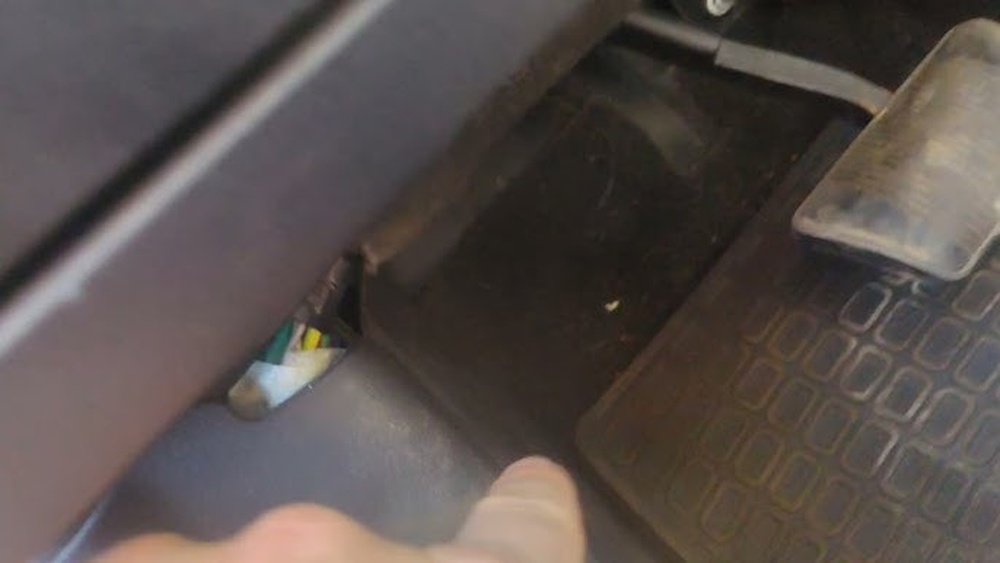
- Under the dashboard on the driver’s side
- Near the left footwell, sometimes above the parking brake
Some owners mistake the fuel door release for the hood lever. Always check the symbol: the hood release has a picture of a car with an open hood.
Step-by-step: How To Open The Hood
Follow these steps to open your Jeep Liberty’s hood safely:
1. Park On A Level Surface
Engage the parking brake. Make sure the vehicle is in park (automatic) or in gear (manual).
2. Locate The Interior Hood Release Lever
Sit in the driver’s seat. Look below the dashboard, left of the steering wheel. Pull the hood release lever firmly.
3. Listen For The Pop
When you pull the lever, you should hear a pop sound as the hood lifts slightly.
4. Go To The Front Of The Vehicle
Walk to the front and stand in front of the Jeep badge.
5. Find The Secondary Latch
Slide your hand under the center of the front edge of the hood. There is a small lever or tab—move it to the left or right (depending on the year/model).
6. Lift The Hood
While holding the secondary latch, lift the hood up. Use your other hand if needed.
7. Secure The Hood
Most Jeep Liberty models use a hood prop rod. Lift the rod and fit it into the designated hole to keep the hood open.
Quick Reference Table: Hood Opening Steps
| Step | Action | Tip |
|---|---|---|
| 1 | Pull hood release inside | Look for car-with-hood symbol |
| 2 | Go to front of Jeep | Stand at center of grille |
| 3 | Move secondary latch | Feel for latch under hood lip |
| 4 | Lift hood fully | Use prop rod if needed |
Troubleshooting Common Problems
Sometimes, the hood may not open easily. Here are solutions to common issues:
Hood Release Feels Stuck
- Try pulling the lever harder, but do not force it.
- Have a helper press down on the hood while you pull the lever.
- If the cable is stretched or broken, a mechanic may need to repair it.
Secondary Latch Won’t Move
- Wiggle the hood gently while moving the latch.
- Spray penetrating oil on the latch if it feels rusty.
Hood Won’t Stay Up
- If the prop rod is missing or bent, replace it.
- Some models have gas struts—if they fail, the hood may drop suddenly.
Table: Problems And Solutions
| Problem | Possible Cause | Solution |
|---|---|---|
| Hood won’t pop up | Stuck cable or frozen latch | Try helper pressing hood, lubricate latch |
| Latch won’t move | Rust or dirt | Spray lubricant, wiggle hood |
| Hood falls down | Broken prop rod or strut | Replace rod or strut |
Tips For First-time Jeep Liberty Owners
- Practice opening the hood before you need to. This reduces stress during emergencies.
- Keep the latch clean and lubricated. A sticky latch is a common problem, especially in older models.
- Do not force the hood if it does not open. Forcing can bend the latch or hood.
- Check your owner’s manual for diagrams and exact locations. Each model year might have minor differences.
- Watch video guides if you are still unsure. Visual learning can help many people.

Non-obvious Insights
Many new owners miss two things:
- The secondary latch may be off-center. On some Jeep Libertys, the release is slightly to the left or right, not directly in the middle.
- After heavy off-roading, mud or debris can block the latch. Clean the area regularly if you drive in rough conditions.
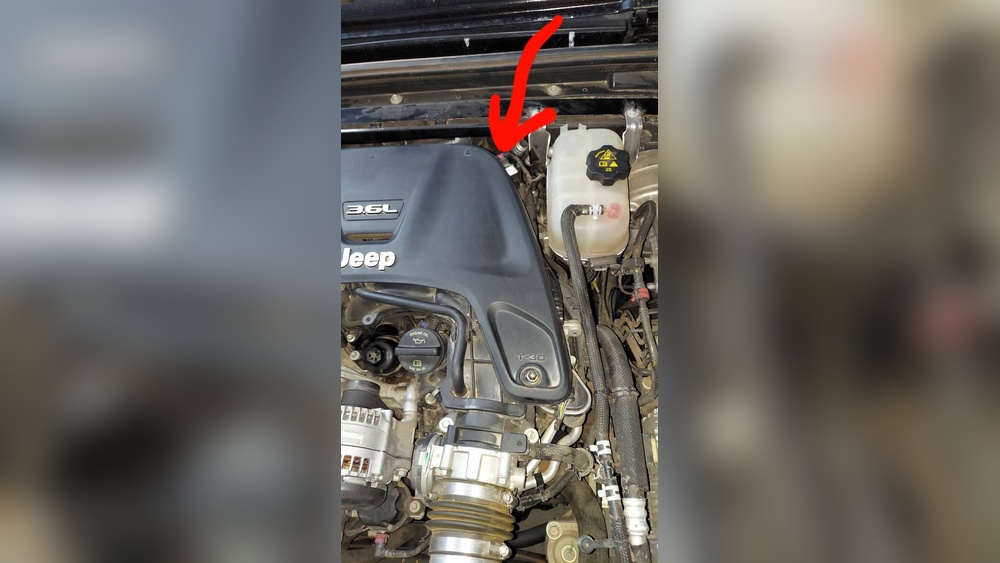
Another detail: If you install an aftermarket grille or bug shield, it may block access to the secondary latch. Always check hood operation after any front-end modification.
Jeep Liberty Model Differences
While the process is similar for all Jeep Liberty years, small changes exist:
| Model Year | Interior Lever Location | Secondary Latch Direction |
|---|---|---|
| 2002-2007 | Above parking brake | Left |
| 2008-2012 | Left kick panel | Right |
For more details, consult the official Jeep owner’s manual.

Safety Precautions
- Never open the hood while the engine is hot. Wait for the engine to cool down to avoid burns.
- Always use the prop rod or ensure hood struts are working.
- Keep fingers clear of latch mechanisms when closing the hood.
Closing The Hood
To close, remove the prop rod and secure it. Lower the hood to about 8 inches above the latch, then let it drop gently but firmly. Do not push the hood down with your hands, as this can dent the hood.

Frequently Asked Questions
How Do I Know If The Hood Is Fully Latched?
After closing the hood, gently pull up on the front edge. If it moves, it is not latched. Open and drop the hood again until it stays secure.
What If The Hood Release Lever Is Broken?
A broken lever or cable usually requires professional repair. In emergencies, a mechanic can access the latch from below, but do not try this without experience.
Can I Open The Hood Without The Interior Lever?
It is difficult and not recommended. The interior lever is designed for safety. If it fails, visit a repair shop.
Why Is The Hood Release Harder In Winter?
Cold weather can freeze the latch or stiffen the cable. Keep the latch lubricated with a silicone spray to prevent freezing.
Is It Safe To Drive If The Hood Is Not Fully Closed?
No. A hood that is not latched can fly open while driving, blocking your view and causing a serious accident.
Opening the hood on your Jeep Liberty is straightforward once you know the steps and understand the safety tips. Practice a few times in a safe environment, and you’ll be ready for any maintenance or emergency. With regular care, you can keep your hood mechanism working smoothly and avoid common frustrations.