If you own a Jeep Wrangler or another Jeep with a soft top, you probably love the freedom of open-air driving. Removing the soft top is a simple way to enjoy sunshine, fresh air, and a more adventurous ride. But the process can seem confusing, especially for first-time Jeep owners or anyone new to convertible tops. With the right steps and tips, you can safely take off your Jeep’s soft top in less than 30 minutes.
Understanding Soft Top Jeep Models
Jeep soft tops come in different designs. The most common types are factory soft tops and aftermarket soft tops. Factory tops usually have a simple folding frame and easy-to-remove windows, while some aftermarket tops use zipperless designs or extra latches.
Here’s a quick comparison of popular Jeep soft top models:
| Model | Top Type | Removal Time | Unique Features |
|---|---|---|---|
| Wrangler JK | Factory Frame | 20-30 min | Removable windows |
| Wrangler JL | Factory Frame | 15-25 min | Quick-release latches |
| Bestop Trektop | Aftermarket | 25-35 min | Zipperless side windows |
Knowing your model helps you find the right instructions and avoid mistakes. Most modern Jeeps use similar steps, but always check your owner’s manual for details.
Tools And Preparation
Before you start, gather a few basic tools and prepare your workspace. You don’t need special skills, but having the right items makes the job much easier.
- Soft top cleaner: To wipe dust before removing
- Torx driver (if your top has screws)
- Storage bags for windows and hardware
- Gloves (optional, for grip and protection)
Choose a flat spot, like a driveway or garage. This reduces risk of losing small parts and keeps your top clean.

Step-by-step Removal Process
Removing a soft top Jeep is not difficult, but patience and care will prevent damage. Here’s a detailed guide:
- Remove the windows: Start with the rear window, which usually unzips or unlatches. Next, take off the side windows. Put them in storage bags to avoid scratches.
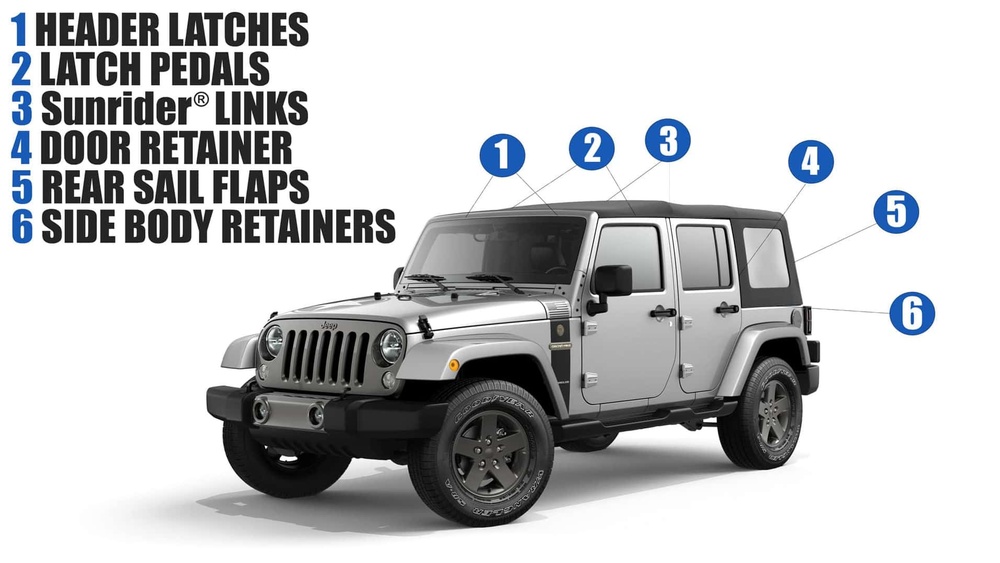
- Release latches: Most Jeep soft tops have two or more front latches near the windshield. Flip them open to unlock the top.
- Detach the frame: If your model uses a folding frame, gently push it back. Some tops have pins or clips—remove these as needed.
- Fold the top: Slowly fold the fabric and frame toward the rear of the Jeep. Avoid sharp bends, which can damage the material.
- Lift off the top: With help, lift the entire top off the Jeep. Most tops are light enough for one person, but two people make it safer.
- Store the top: Place the soft top in a cool, dry spot. Keep windows flat and avoid stacking heavy items on top of them.
Here’s a comparison of typical removal steps for the two main Jeep models:
| Step | Wrangler JK | Wrangler JL |
|---|---|---|
| Window Removal | Zipper | Zipperless/Clip |
| Latch Release | Manual | Quick-release |
| Frame Fold | Push back | Push back |
| Top Lift | One-person | One-person |
Common Mistakes And How To Avoid Them
Many Jeep owners make small mistakes that lead to bigger problems. Here are two non-obvious issues beginners miss:
- Storing windows incorrectly: If you stack windows or leave them exposed to sunlight, they can warp or scratch. Always keep windows in soft bags and away from direct heat.
- Forcing zippers or latches: If something feels stuck, do not pull hard. Check for dirt, misaligned fabric, or stuck clips. Forcing parts can tear the top or break hardware.
Also, avoid removing the soft top in windy conditions. Sudden gusts can blow away small parts or make folding difficult.
Practical Tips For Safe Removal
- Work slowly: Rushing increases risk of damage.
- Ask for help: Two people can handle large tops more safely.
- Clean before storing: Dirt and debris can wear out fabric faster.
- Check for loose hardware: Always keep screws and clips together.
If you plan to reinstall the top, take photos during each step. This helps you remember the order and avoid mistakes.
Weather And Seasonal Considerations
Removing your soft top is best done during warm, dry weather. Cold temperatures make the fabric stiff and more likely to crack. Most experts recommend waiting for 60°F (15°C) or warmer days.
If you live in a rainy area, keep the soft top and windows nearby for quick reinstallation. Some Jeep owners use hard tops in winter for extra insulation and security.

Storage Options For Your Soft Top
Proper storage keeps your top in good shape for years. Here are three popular methods:
- Garage shelf: Place the folded top and windows on a wide shelf, away from sunlight and moisture.
- Wall hooks: Hang the frame and fabric using strong hooks. This saves floor space.
- Special storage bags: These are made for Jeep soft tops and prevent dust, scratches, and bending.
Here’s a quick look at storage pros and cons:
| Method | Pros | Cons |
|---|---|---|
| Garage shelf | Easy access, good protection | Takes up space |
| Wall hooks | Saves floor space | Requires installation |
| Storage bags | Best for windows | Extra cost |
Frequently Asked Questions
How Long Does It Take To Remove A Jeep Soft Top?
For most models, removal takes 15 to 30 minutes. Some aftermarket tops may require more time due to extra hardware.
Can I Remove The Soft Top Alone?
Yes, but having another person helps, especially with larger tops or tight zippers. Always be careful lifting heavy parts.
What’s The Best Way To Clean The Soft Top Before Removal?
Use a gentle soft top cleaner and a soft cloth. Avoid harsh chemicals, which can damage the fabric and windows.
Is It Safe To Drive With The Soft Top Frame But No Fabric?
It’s possible, but not recommended. The frame alone does not protect you from rain, debris, or theft. Always reinstall the top or use a hard top for full safety.
Where Can I Find Official Instructions For My Jeep Model?
Check your owner’s manual or visit Jeep Official Manuals for step-by-step guides and model-specific tips.
Enjoying the open air in your Jeep is one of the best parts of ownership. Removing the soft top is easy if you follow the right steps and treat your Jeep’s hardware with care. With these instructions and practical tips, you can quickly take off your top, store it safely, and get ready for your next adventure.