For a long time, I felt stressed every time I checked my mail. I never knew if I would find another traffic camera fine waiting for me. It seemed like every month, a new ticket would arrive—sometimes for speeding, sometimes for running a red light by only a split second. The costs and points on my license kept adding up. But after making a few important changes in how I drive and plan my trips, I haven’t received a single camera fine in over two years. Here’s how I did it—and how you can too.
Understanding Why Camera Fines Happen
Traffic cameras are everywhere. Cities use them to catch speeding, red light violations, illegal turns, and even bus lane misuse. Most drivers are caught for small mistakes. Many people think they’re safe if they’re just a bit over the limit, but cameras don’t care. Even 2 mph over the limit can trigger a ticket.
There are two main types of traffic cameras:
| Type | Main Use | Common Locations |
|---|---|---|
| Speed Cameras | Catch drivers exceeding speed limits | Highways, school zones, accident-prone areas |
| Red Light Cameras | Catch drivers running red lights | Busy intersections, city centers |
Knowing how these cameras work is the first step to avoiding fines. Most use sensors, radar, or induction loops in the road. Some even take pictures from several angles.
Simple Changes That Stopped My Fines
I thought I was a careful driver, but I made small mistakes that cost me. Here are the changes that finally made a difference.
1. Always Know The Speed Limit
Many camera fines happen because drivers miss a change in the speed limit. I started paying attention to every speed sign, especially when limits drop suddenly near schools or construction zones.
A helpful tip: Modern navigation apps like Google Maps and Waze show current speed limits and warn if you go over. I began using these features every time I drove.
2. Use Technology To Stay Alert
I installed a simple dash cam with a GPS-based alert for camera zones. These devices beep when you approach known camera spots. While you must still drive safely everywhere, this reminder stopped me from making simple mistakes.
Here’s how common technology can help:
| Tool | How It Helps |
|---|---|
| Navigation apps | Show speed limits, warn of cameras |
| Dash cams with GPS | Alert for camera zones, record incidents |
| Smartphone reminders | Remind you to check speed in new areas |
3. Plan Routes To Avoid Camera Hotspots
After getting a few fines at the same intersections, I started checking for camera-heavy routes. Many cities have maps online showing camera locations. I checked these before driving in new areas.
If an area was full of cameras, I looked for a less busy street—even if it took a few minutes longer.
4. Treat Every Yellow Light As Red
A big mistake: trying to “beat the yellow.” Most red light cameras snap photos when you enter the intersection a second after the light turns red. I learned to stop as soon as I saw yellow, unless I was too close to stop safely.
This simple habit saved me from multiple fines each year.
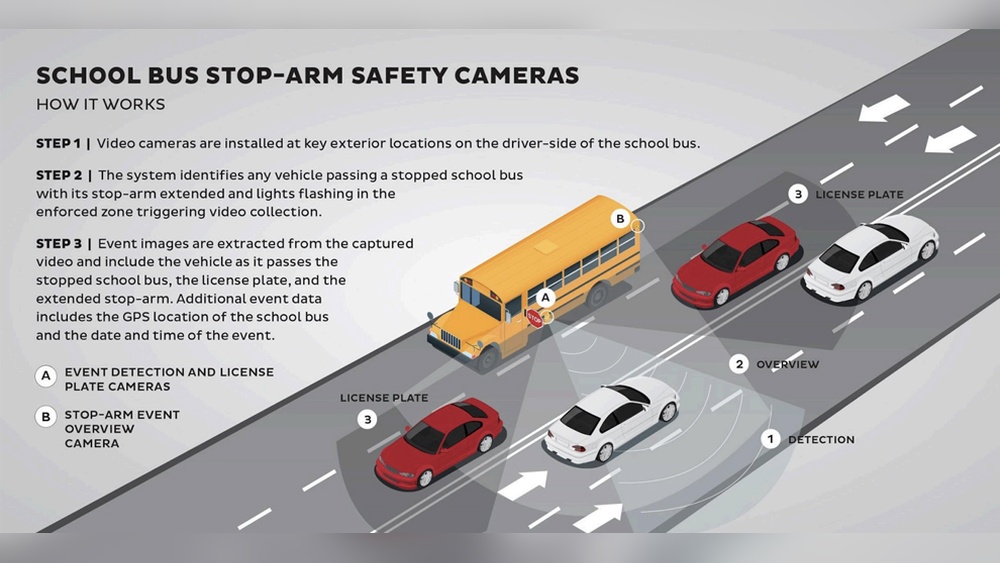
5. Watch For School And Bus Lane Signs
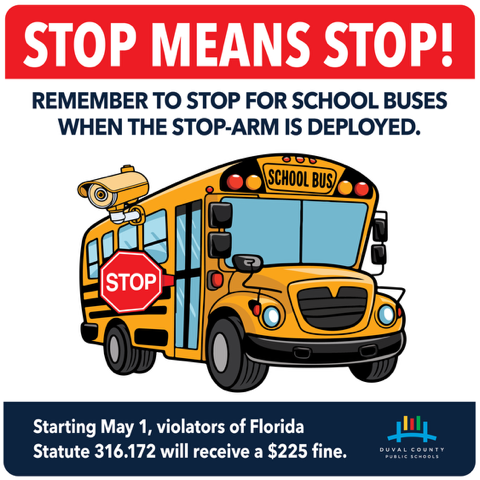
Many cameras are hidden in school zones and bus lanes. These fines can be expensive. I now slow down before school zones and avoid bus lanes during restricted hours, even if traffic is heavy.
A surprising fact: In some US cities, over 40% of camera fines are for bus lane and school zone violations.

Non-obvious Insights Most Drivers Miss
Many people believe that “everyone gets fines” and it’s just a cost of driving. But I noticed two key things that helped me avoid mistakes:
- Camera tolerance is often zero. Some cameras are set to fine you for being just 1 mph over the limit or for entering a bus lane for 2 seconds. Don’t rely on “leeway.”
- Repeating mistakes is expensive. In many places, fines double or triple for repeat offenses in the same year. One year, I lost over $500 for making the same mistake twice at the same intersection.
Comparing Before And After: Fines And Costs
Looking at my records, the difference is clear.
| Year | Number of Fines | Total Paid |
|---|---|---|
| 2020 | 7 | $820 |
| 2021 | 4 | $460 |
| 2022 | 0 | $0 |
The money saved is obvious, but the real benefit is less stress and a clean driving record.
Common Mistakes To Avoid
If you want to stop getting camera fines, avoid these errors:
- Ignoring speed changes after intersections or in tunnels
- Assuming cameras give a small tolerance
- Relying only on memory for camera locations
- Speeding up on yellow lights
- Not checking for temporary or mobile camera setups
Staying Fine-free: Long-term Tips
To keep a clean record, I follow these habits:
- Check maps for new cameras every few months
- Update navigation apps for the latest camera data
- Drive under the speed limit, not just at it
- Avoid shortcuts through bus lanes during busy hours
Also, it helps to stay up-to-date with local traffic laws. Cities sometimes change camera rules or add new types of cameras. For more on how traffic cameras are used, see this Wikipedia guide.

Frequently Asked Questions
What Should I Do If I Get A Camera Fine?
Check the fine notice for details. If you believe it’s an error, you can usually contest it online or by mail. Provide evidence, like dash cam footage or proof you weren’t driving.
Are Camera Fines Always Legal?
In most places, yes. But sometimes, cameras are installed incorrectly or signs are missing. You can check local rules or ask a legal advisor if you think something is wrong.
How Can I Find Where Cameras Are Located?
Many city websites publish camera maps. Navigation apps like Google Maps and Waze also show camera locations and warn you as you drive.
Will One Fine Affect My Driving Record Or Insurance?
Often, yes. Many insurance companies raise rates after a camera fine. Points may be added to your license, especially for speeding or red light tickets.
Can I Use Devices To Block Or Avoid Cameras?
Using radar jammers or similar devices is illegal in many places. Instead, use legal tools like navigation apps and stay alert to traffic signs.
By making a few smart changes and staying aware, I turned driving from a source of anxiety into a stress-free part of my day. You can do the same—and enjoy safe, fine-free driving for years to come.