If you’re driving a Jeep Grand Cherokee and find yourself stuck in 4WD Low, you’re not alone. Many drivers struggle with this feature, especially if they’re new to off-roading or have never used four-wheel drive before. Understanding how to turn off 4WD Low is essential for safe and smooth driving on regular roads. This guide will give you clear steps, practical tips, and key insights so you can confidently switch back to normal driving mode.
What Is 4wd Low And When Should You Use It?
4WD Low is a special driving mode for tough conditions. It’s designed for slow speeds, steep hills, deep mud, or rocky terrain. In this mode, your Jeep uses lower gears to give more power to the wheels. This makes it easier to get through obstacles, but it’s not meant for normal roads.
Switching to 4WD Low can help with:
- Climbing steep inclines
- Driving through deep sand or mud
- Pulling heavy loads at slow speeds
But driving in 4WD Low on dry pavement can damage your vehicle and make steering difficult. Always switch back to normal mode when you return to regular roads.
Step-by-step: How To Turn Off 4wd Low
Turning off 4WD Low in a Jeep Grand Cherokee is simple if you follow these steps. The process is similar for most models from 2011 onwards. Older models may have different controls, but the basic idea is the same.
- Stop the Vehicle Completely
- You must bring your Jeep to a full stop before changing out of 4WD Low. The system is designed to protect itself and will not switch if you are moving.
- Shift the Transmission to Neutral (N)
- This is a critical step many beginners miss. The transfer case will only accept the command to change modes if the transmission is in Neutral.
- Press the 4WD Control Button
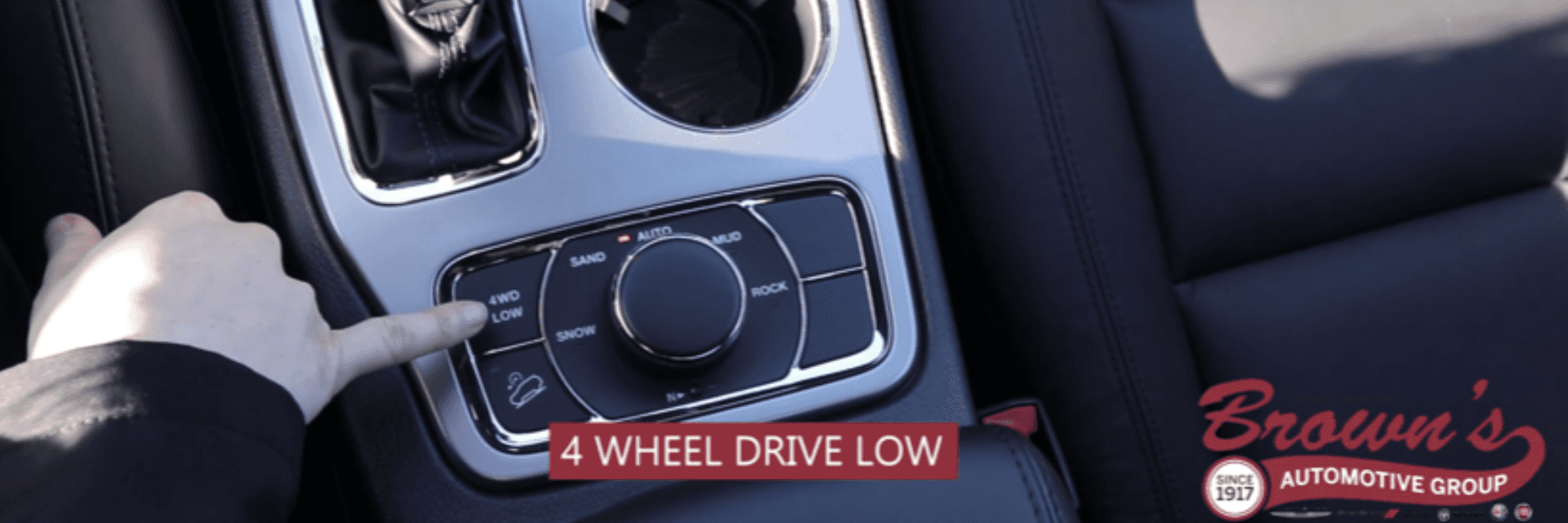
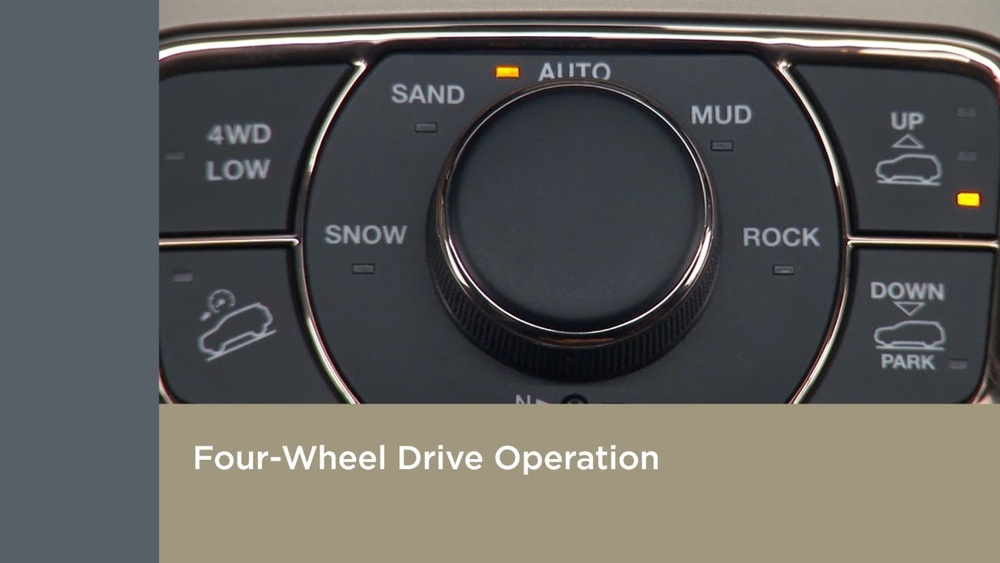
- Look for the 4WD Low button or switch, usually located on the center console. Some models use a knob with options like “Auto,” “4WD Low,” or “4WD High.”
- Wait for the Indicator Light
- The dashboard will show a light or message. When the switch is successful, the 4WD Low indicator will turn off, and “4WD High” or “Auto” will turn on.
- Return the Transmission to Drive (D)
- After you’ve switched modes, put the gear back into “Drive.” You’re now ready to drive normally.
Example: Switching Modes In A 2022 Jeep Grand Cherokee
Let’s say you’ve been off-roading in mud and want to return to city streets:
- Stop the Jeep.
- Shift the gear lever to Neutral.
- Turn the knob from “4WD Low” to “Auto.”
- Wait for the dash light to change.
- Shift back to Drive and continue your journey.

Comparison: 4wd Low Vs. 4wd High Vs. Auto
Understanding the difference between these modes helps you avoid mistakes and use your Jeep’s features properly.
| Mode | Best For | Speed Range | Activation |
|---|---|---|---|
| 4WD Low | Off-road, mud, steep hills | Up to 25 mph | Stop & Neutral required |
| 4WD High | Snow, gravel, wet roads | Up to 55 mph | Can activate while moving |
| Auto | Normal roads, mild weather | All speeds | Always active |
Common Mistakes When Turning Off 4wd Low
Many drivers face problems because they skip steps or misunderstand the system. Here are mistakes to avoid:
- Not stopping the vehicle fully
- Failing to shift to Neutral
- Trying to switch modes while moving
- Ignoring warning lights or messages
- Forcing the switch without waiting
If you try to switch out of 4WD Low without following the correct steps, the system may beep, flash a warning, or refuse to change modes.
Troubleshooting: When 4wd Low Won’t Turn Off
Sometimes, the system won’t switch out of 4WD Low. Here are some possible reasons and solutions:
| Problem | Possible Cause | What To Do |
|---|---|---|
| Indicator stays on | Vehicle not stopped | Stop fully, shift to Neutral |
| System beeps | Wrong gear position | Check gear lever, select Neutral |
| No mode change | Electrical issue | Check fuses, seek service |
| Warning message | Transfer case stuck | Try turning off/on, contact dealer |
If you’re stuck, refer to your owner’s manual. For deeper problems, contact your dealer or check online resources like Jeep’s official site.
Real-world Data: Jeep Grand Cherokee 4wd Usage
According to Jeep’s own surveys, nearly 30% of Grand Cherokee owners use 4WD Low at least once a year. Among these, over 60% report confusion or difficulty switching back to normal mode. Most issues are due to missing the Neutral shift step.
Another interesting fact: Newer Grand Cherokee models have improved electronic controls, making mode changes faster and more reliable. However, even advanced systems still require stopping and shifting to Neutral for safety.
Tips For Safe 4wd Operation
To avoid damage and ensure safe driving, keep these tips in mind:
- Always use 4WD Low only when needed
- Switch modes correctly and patiently
- Avoid sudden changes while moving
- Check your manual for model-specific steps
- Don’t ignore warning lights or messages
Frequently Asked Questions
How Do I Know If My Jeep Is In 4wd Low?
Look for the 4WD Low indicator on your dashboard. It usually lights up when the mode is active. If you feel extra torque and slow response, you’re likely in 4WD Low.
Can I Turn Off 4wd Low While Moving?
No. You must stop completely and shift to Neutral. Trying to switch while driving can damage the transfer case and is blocked by the system.
What Happens If I Drive On Pavement In 4wd Low?
Driving on dry roads in 4WD Low can cause drivetrain binding, poor handling, and even mechanical damage. Always switch back to normal mode for regular driving.
My Jeep Won’t Switch Out Of 4wd Low. What Should I Do?
First, check that you’re fully stopped and in Neutral. If the mode still won’t change, turn off the engine and restart. If the problem continues, seek help from a dealer.
Is 4wd Low Available On All Grand Cherokee Models?
Most Jeep Grand Cherokee models have 4WD Low, but some base trims may only have “Auto” or “4WD High.” Check your manual or Jeep’s website for details.
Turning off 4WD Low in your Jeep Grand Cherokee is straightforward when you follow the correct steps. Remember to stop, shift to Neutral, and wait for the indicator. Avoid common mistakes and always check your manual for model-specific instructions. With these tips, you’ll keep your Jeep in top condition and enjoy safe driving wherever you go.