Removing dead bugs from your windshield is more than just a cosmetic task. Driving with bug residue can reduce visibility, create distracting smears, and even damage the glass over time. Many car owners try to wipe away bugs with wipers or water, but these methods often leave streaks or stubborn spots.
Knowing how to clean bugs off a windshield efficiently can keep you safe and help your windshield last longer.
Why Bug Residue Is Hard To Remove
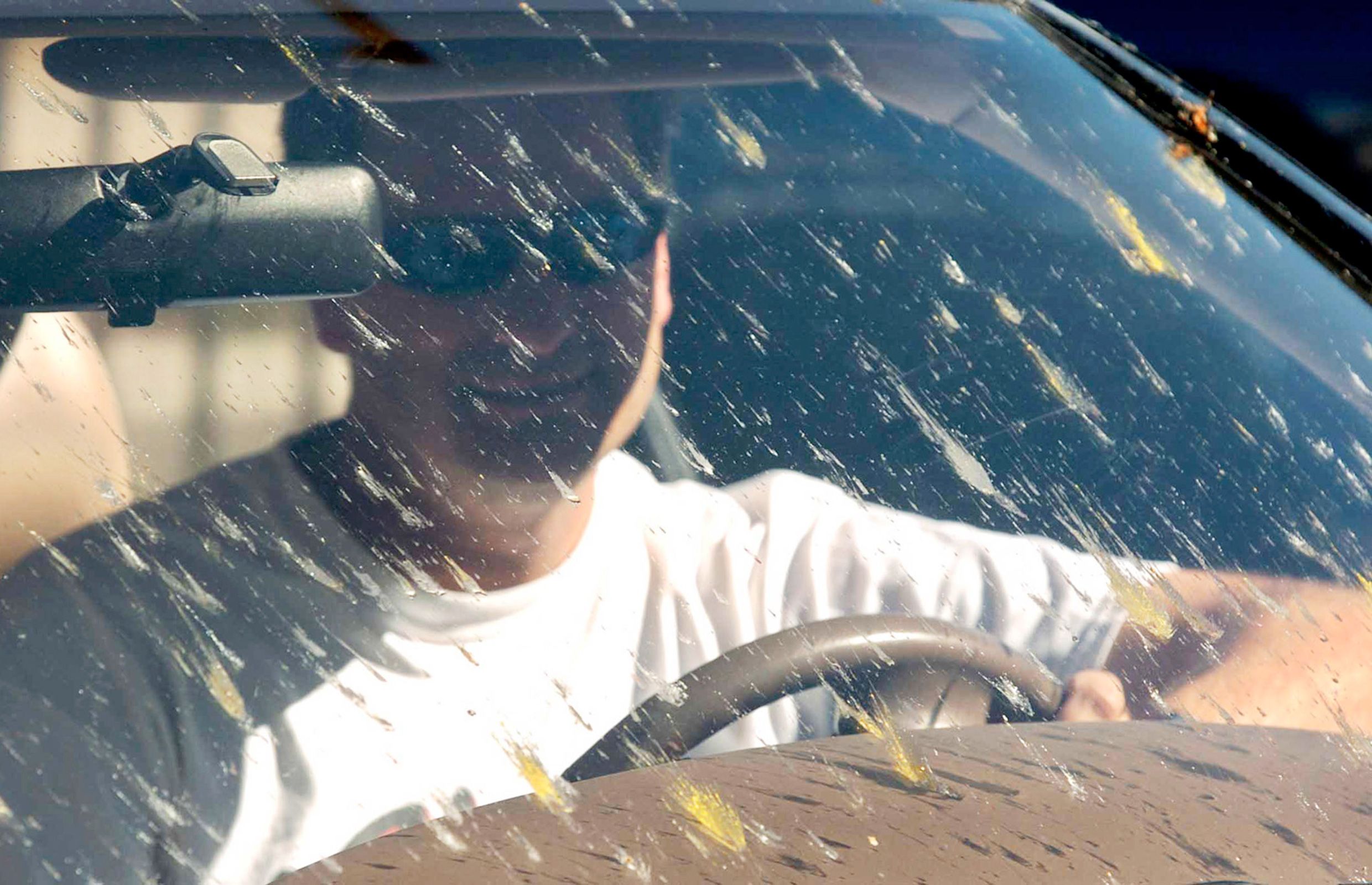
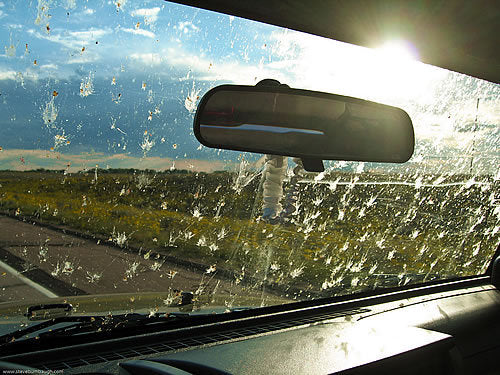
Bugs stick to windshields because their bodies contain proteins and acids. When a car is moving fast, the impact makes the residue even harder. Sunlight quickly bakes these remains onto the glass, creating tough, sticky spots. Regular cleaners or plain water do not dissolve the proteins and acids well, which is why you see streaks or tough marks after a simple wipe.
What You Need For Cleaning
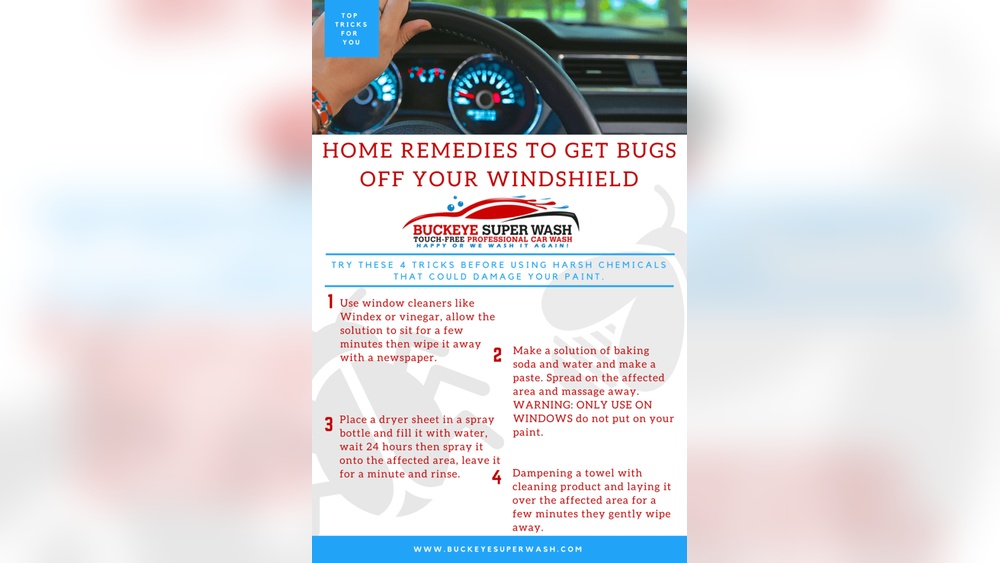
A few key tools and products can make a big difference:
- Bug remover spray (special formula for bug residue)
- Microfiber towels (gentle and absorbent)
- Soft sponge or scrub pad (non-scratch)
- Bucket of warm water
- Glass cleaner (for final shine)
- Rubber gloves (optional but helpful)
Using the right items prevents scratches and removes bugs more completely.
Step-by-step: Cleaning Bugs Off A Windshield
Cleaning bug residue is a process. Here’s an effective way to do it:
- Soften the bugs: Wet a microfiber towel with warm water. Lay it across the bug-covered area for 5-10 minutes. This loosens dried residue.
- Apply bug remover: Spray a commercial bug remover directly onto the softened spots. Let it sit for another 2-3 minutes. Some people use a mix of water and baking soda as a mild DIY option.
- Gently scrub: Use a soft sponge or scrub pad to loosen the bugs. Move in small circles. Don’t use rough pads, as they can scratch glass.
- Rinse: Use a clean, wet towel or a bucket of water to rinse off the loosened residue and cleaning solution.
- Clean with glass cleaner: Spray a glass cleaner over the windshield and wipe with a fresh microfiber towel for a streak-free finish.
- Inspect and repeat if needed: Stubborn spots may need a second round.
Comparing Cleaning Methods
Different methods can affect your results. Here’s a comparison:
| Method | Effectiveness | Risk of Scratching | Time Required |
|---|---|---|---|
| Bug remover spray | High | Low | 5-10 mins |
| Soapy water only | Medium | Low | 10-15 mins |
| Windshield wipers | Low | Low | 1 min |
| Rough scrub pads | High | High | 5 mins |
Common Mistakes To Avoid
Some cleaning habits can actually make things worse:
- Scraping with blades: Razor blades or metal scrapers can scratch or chip the glass.
- Using dry towels: This can grind dirt into the glass, causing micro-scratches.
- Ignoring bug residue: Leaving bugs for days allows acids to etch the glass, making removal harder.
- Cleaning in direct sunlight: Products dry too quickly and leave streaks.
Preventing Bug Build-up
It’s easier to prevent bug residue than to remove it. Here are some tips:
- Wax your windshield: A thin layer of automotive wax makes it harder for bugs to stick.
- Install a bug deflector: These plastic shields help direct airflow and reduce bug impact.
- Wash regularly: Clean bugs off within 24 hours to avoid stubborn stains.
- Use a windshield treatment: Products like rain repellent can help bugs slide off more easily.
Diy Vs. Commercial Products
You might wonder if homemade solutions work as well as store-bought ones.
| Product Type | Pros | Cons |
|---|---|---|
| Commercial bug remover | Fast, strong formula, safe for glass | Cost, may contain chemicals |
| DIY (baking soda, vinegar) | Cheap, easy to find | Less effective, may require more scrubbing |
A non-obvious insight: some commercial bug removers also protect the glass for weeks after use, while most DIY options do not. This can reduce future cleaning time.
How Often Should You Clean?
For people who drive in areas with lots of insects, cleaning the windshield every week is best. If you notice bugs after a long drive, try to clean them the same day. Regular upkeep keeps your view clear and protects the windshield surface.

Safety And Environmental Tips
Always use cleaning products in a well-ventilated area. Avoid letting chemical cleaners run off into drains, as some products can harm the environment. Choose biodegradable or eco-friendly options when possible. If you want more details on car windshield care, check out resources like the Wikipedia entry on windshields.
Frequently Asked Questions
How Do I Remove Baked-on Bugs From My Windshield?
Soak the bugs with a wet towel for 10 minutes to soften the residue. Then use a bug remover spray and a soft scrub pad. Repeat if necessary for tough spots.
Can I Use Vinegar To Clean Bugs Off My Windshield?
Vinegar can help loosen residue, but it’s less effective than specialized bug removers. Always rinse the glass well to prevent streaks.
Is It Safe To Use A Razor Blade On My Windshield?
No, using a razor blade risks scratching or chipping your windshield. Use a non-scratch scrub pad instead.
Why Do Bugs Leave Stains On Glass?
Bug bodies contain proteins and acids. When these bake in the sun, they bond tightly to glass and may even leave permanent marks if not cleaned quickly.
What Is The Best Way To Prevent Bugs From Sticking To My Windshield?
Applying a layer of automotive wax or a rain repellent product creates a smooth surface, making it harder for bugs to stick and easier to clean them off later.
With the right products and a bit of patience, you can keep your windshield clear, safe, and looking good all year round. Regular care not only improves your driving visibility but also helps your car retain its value.