If you’ve noticed the TPMS light glowing on your Jeep Grand Cherokee’s dashboard, you’re probably wondering how to reset it quickly and safely.
This warning light is your vehicle’s way of telling you that one or more tires may not be at the right pressure, which can affect your ride’s safety and performance.
But don’t worry resetting the Tire Pressure Monitoring System (TPMS) on your Jeep Grand Cherokee is easier than you might think.
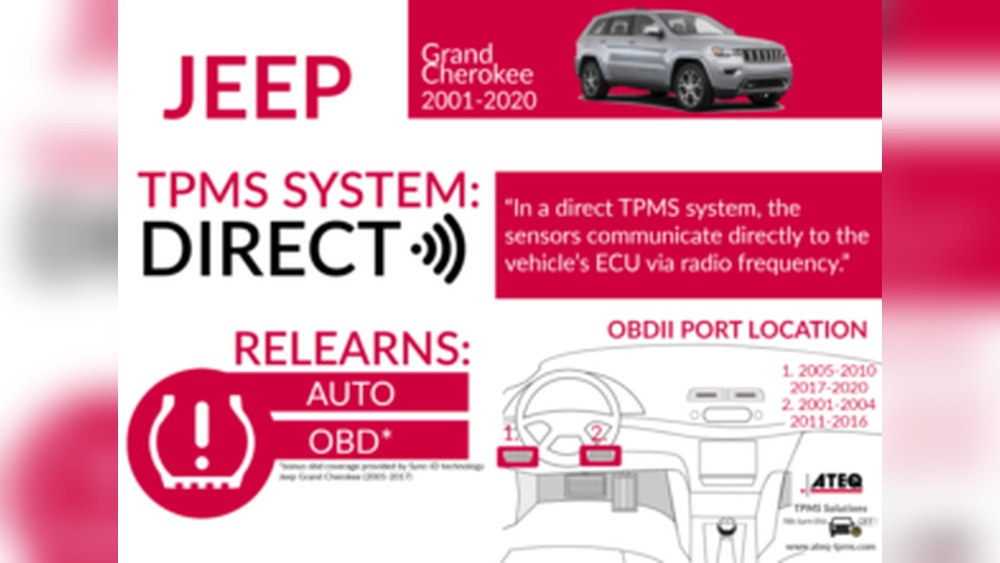
In this guide, you’ll discover simple steps to get your TPMS back to normal, so you can drive with confidence and peace of mind.
Keep reading to learn exactly what to do next and avoid unnecessary trips to the mechanic.

Tpms Basics In Jeep Grand Cherokee
The Tire Pressure Monitoring System (TPMS) in a Jeep Grand Cherokee alerts you to tire pressure issues. Recognizing when the TPMS needs a reset helps keep your vehicle safe. This section explains the signs that show your TPMS requires attention or resetting.
Tpms Warning Light Behavior
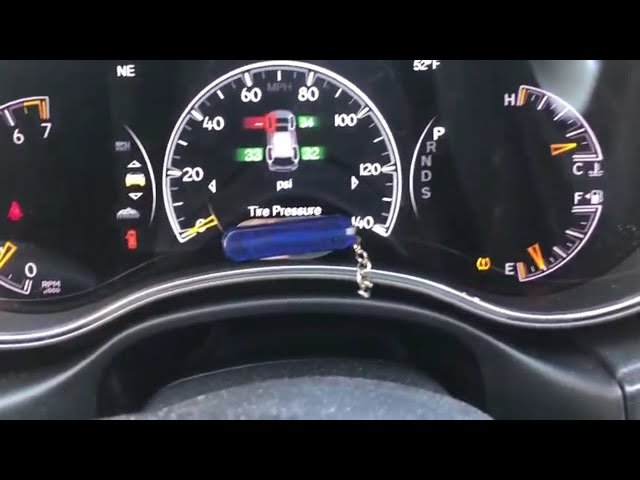
The TPMS warning light appears on the dashboard when the system detects low tire pressure. It may blink or stay on steadily.
A blinking light often means a sensor fault or system error. A steady light usually signals low tire pressure in one or more tires.
After inflating tires to the proper pressure, the light should turn off. If the light stays on or returns quickly, the TPMS might need a reset.
Sometimes, the light remains after tire rotation or replacement. This behavior indicates the system has not recalibrated yet.
Common Causes For Activation
Low tire pressure caused by leaks or temperature changes often triggers the TPMS. Sensors can also fail or lose battery power, causing false alerts.
Changing or rotating tires without resetting the TPMS can activate the warning light.
Driving on rough roads or hitting curbs may damage sensors, leading to warning signals. Seasonal weather changes affect tire pressure and can cause repeated alerts.
Knowing these causes helps you decide when to reset or check the TPMS system.
Signs Tpms Needs Reset
Preventing TPMS issues keeps your Jeep Grand Cherokee running smoothly. Proper care avoids warning lights and sensor errors. Simple steps help maintain tire pressure and sensor health. These tips save time and money on repairs.
Regular Tire Maintenance
Check tire pressure monthly using a reliable gauge. Keep tires inflated to the recommended PSI.
Inspect tires for damage like cuts or punctures. Rotate tires every 5,000 to 7,000 miles to ensure even wear.
Balanced tires reduce sensor strain and improve vehicle safety.
Seasonal Tire Pressure Adjustments
Temperature changes affect tire pressure significantly. Lower temperatures cause pressure to drop, triggering TPMS alerts.
Increase tire pressure slightly in cold months. Reduce pressure to normal levels in warm weather.
Adjusting pressure seasonally prevents false TPMS warnings and extends tire life.

Conclusion
Resetting the TPMS on your Jeep Grand Cherokee is simple and quick. Keep your tires properly inflated to the recommended pressure.
Drive a short distance to allow the system to update. If the light stays on, check for sensor issues or visit a service center.
Regular tire checks improve safety and save fuel. Stay alert to any warning lights for a smooth, safe ride.