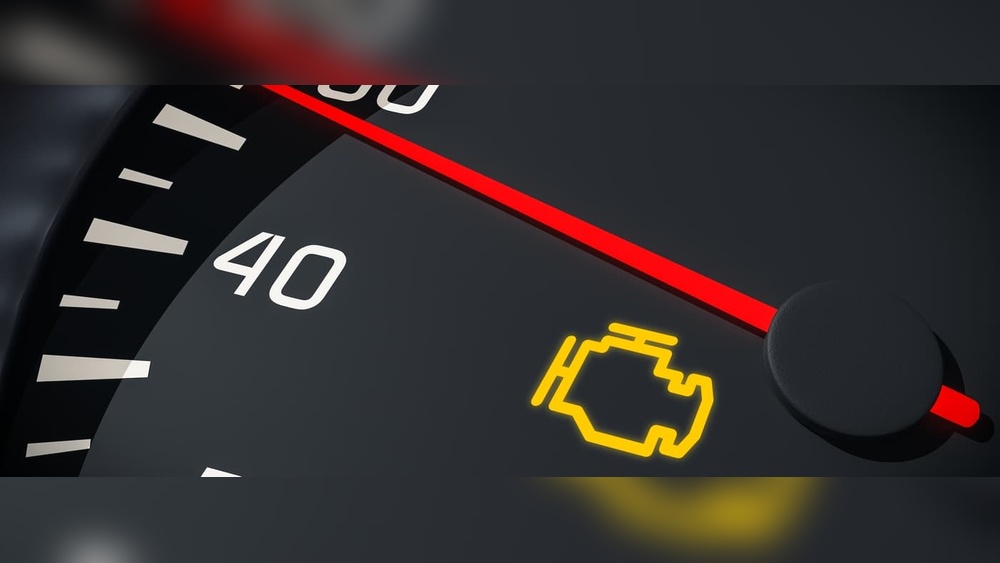
If your 2013 Jeep Wrangler’s check engine light just came on, you’re probably wondering what’s going on under the hood. That little light can feel like a big warning sign, but don’t panic just yet.
Your Jeep’s check engine light is a helpful alert from the vehicle’s diagnostic system, signaling that something isn’t quite right. It could be something simple like a loose gas cap or a more serious engine issue that needs immediate attention.
Understanding what that light means and knowing what steps to take can save you time, money, and stress. Keep reading to learn how to check your Jeep’s codes, what common problems trigger the light, and what you should do next to keep your Wrangler running smoothly.
Check Engine Light Basics
The check engine light on a 2013 Jeep Wrangler signals a problem detected by the vehicle’s computer. This light helps drivers know when the engine or related systems need attention. Understanding what triggers this light and its behavior is key to keeping your Jeep running smoothly.
Ignoring the check engine light can lead to bigger issues. Learning the basics helps you take quick action to avoid costly repairs. The light can appear in different ways, which tells you how serious the problem might be.
What Triggers The Light
The check engine light turns on when the Jeep’s onboard computer finds a fault. This fault can be in the engine, transmission, or emissions system. Common causes include a loose gas cap, faulty oxygen sensors, or issues with spark plugs. Sometimes, it also comes on due to problems with fuel or air intake. The light alerts you to check these parts or get a diagnostic scan.
Flashing Vs Solid Light
A solid check engine light means a minor issue. You can still drive the Jeep but should get it checked soon. A flashing light means a serious problem, like an engine misfire. This can damage the catalytic converter quickly. Stop driving right away if the light flashes. Turn off the engine and seek help to prevent costly damage.

Common Causes
The check engine light on a 2013 Jeep Wrangler signals a problem. It can mean many things. Understanding common causes helps you spot issues early. Some problems are simple fixes. Others need professional help.
Here are the usual reasons why the check engine light comes on in this Jeep model.
Loose Or Damaged Gas Cap
A loose or damaged gas cap can trigger the light. It allows fuel vapors to escape. The car’s computer detects this and sets off the warning. Tighten the cap or replace it if cracked.
Faulty Oxygen Sensor
The oxygen sensor monitors engine emissions. A faulty sensor sends wrong data to the engine control unit. This causes poor fuel economy and higher emissions. Replacing the sensor usually clears the problem.
Bad Catalytic Converter
The catalytic converter reduces harmful gases. A bad converter clogs or breaks down. This leads to reduced performance and more pollution. The check engine light signals this issue clearly.
Engine Misfire
An engine misfire happens when one or more cylinders fail to fire correctly. It causes rough running and lower power. The check engine light flashes in many cases. Fixing spark plugs or ignition coils often helps.
Snapped Or Leaking Hoses
Hoses carry air and fluids to the engine. Snapped or leaking hoses disrupt the flow. This can confuse the engine control system. The check engine light will come on to warn you.
Reading Codes Without A Scanner
When the check engine light comes on in your 2013 Jeep Wrangler, it signals a problem the vehicle’s computer has detected. Usually, a scanner is needed to read these trouble codes. But there is a simple way to check codes without a scanner. This method uses the odometer display to show the codes directly on your dashboard. It saves time and money for Jeep owners who want to diagnose issues quickly.
Using The Odometer Display Method
Sit in the driver’s seat and close all doors. Insert the key and turn the ignition from OFF to ON three times. End in the ON position without starting the engine. The odometer will begin to flash numbers. These numbers are the Diagnostic Trouble Codes (DTCs). The codes appear as two-digit numbers. Watch carefully as the codes cycle through.
After the codes finish, the odometer will show “done.” Write down the codes for later reference. This method works on many Jeep Wrangler models, including the 2013 version. It is a quick way to get the vehicle’s error codes without any special tools.
Interpreting Diagnostic Trouble Codes
Each code corresponds to a specific issue in the Jeep’s system. For example, code P0301 means a misfire in cylinder one. Use an online database or Jeep manual to match your codes. The codes help identify engine, transmission, or emission problems.
Once you know the codes, you can decide if a simple fix is possible. Some issues, like a loose gas cap, are easy to fix. Others may need a mechanic’s help. Knowing the codes helps you avoid unnecessary repairs and expenses.
Using Professional Scanning Tools
Using professional scanning tools is key to understanding why your 2013 Jeep Wrangler’s check engine light is on. These tools connect to your vehicle’s onboard computer and read error codes. The codes help identify specific problems quickly. This saves time and guesswork when diagnosing engine issues.
Many Jeep owners think they must visit a mechanic to use these scanners. That is not true. You can access scanning tools in various ways, some even for free. Knowing how to use these tools gives you control over your vehicle’s health.
Free Scanning Options At Auto Parts Stores
Many auto parts stores offer free diagnostic scanning. Stores like AutoZone, O’Reilly Auto Parts, and Advance Auto Parts provide this service. You just need to bring your Jeep and park near the service desk. They will connect a scanner to your Jeep’s OBD-II port.
The scan retrieves diagnostic trouble codes (DTCs). These codes point to the cause of the check engine light. You get a printout or verbal report of the codes. This service costs nothing and takes only a few minutes.
Benefits Of Professional Diagnostics
Professional scanning tools provide detailed and accurate diagnostics. They detect issues that simple code readers might miss. These tools can read live data, freeze frame data, and manufacturer-specific codes.
Professional diagnostics help mechanics pinpoint problems faster. This reduces repair time and cost. They also confirm if a repair fixed the issue by clearing codes and retesting. Using professional tools ensures your Jeep runs safely and efficiently.
Immediate Actions To Take
The check engine light on a 2013 Jeep Wrangler signals the vehicle’s onboard system has found a problem. Acting quickly can prevent further damage. Knowing the right steps to take keeps you safe and protects your Jeep.
Immediate action depends on the light’s behavior. A solid light often means a less urgent issue. A flashing light can indicate a severe problem that needs quick attention. Follow these steps to handle the situation properly.
When To Pull Over Immediately
A flashing check engine light means a serious engine misfire or other critical issue. Stop driving right away. Find a safe spot on the side of the road. Turn off the engine to avoid damage to the catalytic converter. Continuing to drive can lead to costly repairs.
Safe Driving With A Solid Light
A steady check engine light usually means a minor problem. You can keep driving but stay cautious. Avoid heavy acceleration or high speeds. Schedule a service appointment soon to check the cause. Ignoring the light may cause the issue to worsen over time.
Checking The Gas Cap
A loose or damaged gas cap often triggers the check engine light. Stop and check your gas cap first. Tighten it until it clicks firmly. If damaged, replace it as soon as possible. After fixing the gas cap, the light may turn off after a few drives.
Quick Fixes For Common Issues
When the 2013 Jeep Wrangler check engine light comes on, quick fixes often solve common problems. These fixes save time and money. Many issues are simple and easy to address. Understanding these fixes helps keep your Jeep running smoothly.
Tightening Or Replacing The Gas Cap
A loose or damaged gas cap often triggers the check engine light. The gas cap seals the fuel system, preventing vapors from escaping. Tighten the cap by turning it clockwise until it clicks. If the cap is cracked or worn, replace it with a new one. This fix usually turns off the light after a few drives.
Replacing Snapped Hoses
Snapped or cracked hoses can cause engine problems and trigger the light. Check hoses around the engine for visible damage. Replace any broken hoses with new ones that fit properly. This prevents air leaks and improves engine performance. Fixing hoses is a quick, low-cost repair that often resolves the warning.
Addressing Engine Misfires
Engine misfires cause rough running and increase emissions. They often trigger a flashing check engine light. Common causes include bad spark plugs, faulty ignition coils, or dirty fuel injectors. Replace worn spark plugs and ignition parts to restore smooth engine operation. Regular maintenance helps prevent misfires and keeps the light off.
When To Visit A Mechanic
Knowing the right time to visit a mechanic is key when your 2013 Jeep Wrangler’s check engine light comes on. Some issues need urgent care, while others can wait a bit. Recognizing the signs that require professional help protects your Jeep from further damage. It also saves you from costly repairs later.
Persistent Light After Fixes
If the check engine light stays on after you try simple fixes, it is time to see a mechanic. Sometimes, tightening the gas cap or replacing a sensor might not solve the problem. A persistent light means the issue could be deeper. A professional mechanic can run a full diagnostic to find hidden faults. Do not ignore the light just because it is not flashing anymore.
Symptoms Requiring Professional Help
Strong signs mean you should visit a mechanic without delay. These include rough engine running, strange noises, or poor fuel economy. Also, if your Jeep stalls or has trouble starting, get help fast. A flashing check engine light signals a serious engine misfire. This can damage the catalytic converter. Pull over safely and call for service if the light flashes while driving.
Resetting The Check Engine Light
Resetting the check engine light on a 2013 Jeep Wrangler can clear minor issues after repairs. It helps you know if the problem returns or if the fix worked. The light will stay off unless the system detects a new fault.
There are simple ways to reset the check engine light without visiting a mechanic. Some methods require no tools, while others use special scanners for faster results. Choose the best option based on your comfort and tools.
Manual Reset Techniques
One way to reset the check engine light is by disconnecting the battery. First, turn off the engine and remove the key. Then, disconnect the negative battery cable with a wrench.
Wait about 15 minutes to let the system reset. Reconnect the battery cable tightly. Start the engine and check if the light is off. This method clears the memory but may erase radio settings and clocks.
Another manual method uses the ignition key cycle. Insert the key and turn it to the ON position without starting the engine. Repeat switching it OFF and ON three times, ending in ON.
This action may reset the light and clear some stored codes. It works best for minor faults or after fixing simple problems like a loose gas cap.
Using Obd-ii Scanners
Using an OBD-II scanner is a quick way to reset the check engine light. These devices plug into the vehicle’s diagnostic port under the dashboard. They read error codes and can erase them.
Turn off the engine and connect the scanner. Turn the ignition to ON but do not start the engine. Follow the scanner’s instructions to read codes and select the reset option.
The scanner clears the codes stored in the Jeep’s computer, turning off the check engine light. This method is reliable and does not affect other vehicle settings.
Many auto parts stores offer free use of OBD-II scanners. You can borrow one or buy a basic model for home use. This tool also helps diagnose future problems quickly.
Frequently Asked Questions
What Is The Most Common Check Engine Light On A Jeep Wrangler?
The most common Jeep Wrangler check engine light indicates an oxygen sensor or loose gas cap issue. Check codes for exact cause.
How To Reset Check Engine Light On A 2013 Jeep Wrangler?
Turn the ignition key ON and OFF three times, ending in the ON position without starting. Codes show on the odometer. Use an OBD-II scanner to clear the check engine light. Drive safely and address any issues promptly.
Can I Drive My Jeep With The Engine Light On?
You can drive your Jeep if the engine light is solid, but get it checked soon. Stop immediately if it flashes.
What Are The Common Causes Of A Solid Check Engine Light?
Common causes of a solid check engine light include a loose gas cap, faulty oxygen sensor, bad spark plugs, or catalytic converter issues.
Conclusion
The 2013 Jeep Wrangler’s check engine light signals a problem to address. Ignoring the light can lead to costly repairs. Use simple steps to read diagnostic codes yourself. Many auto parts stores offer free scans to help you. Drive carefully if the light is solid, but stop immediately if flashing.
Early action keeps your Jeep running smoothly and safely. Stay alert to any unusual sounds or performance issues. Taking prompt care saves time and money in the long run.