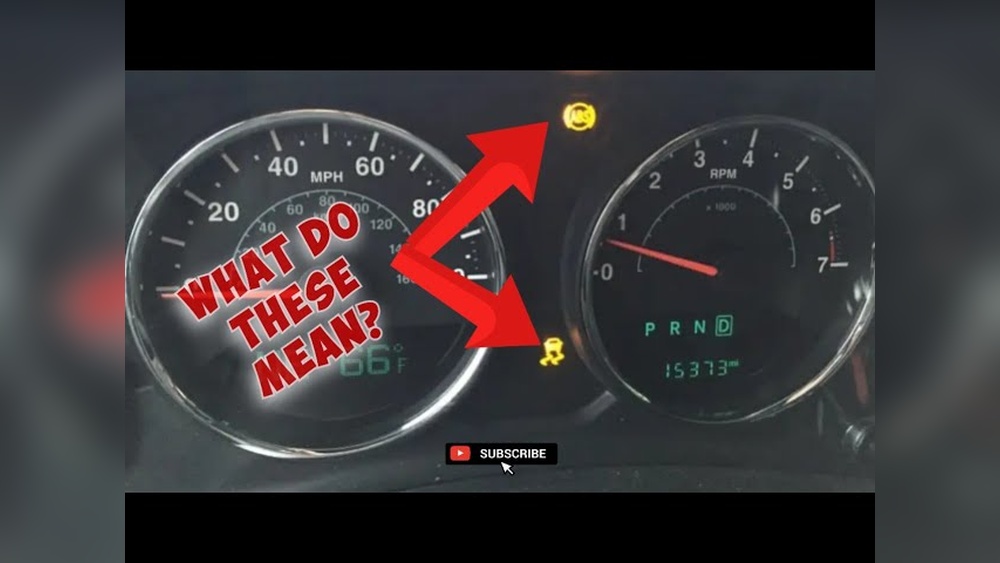
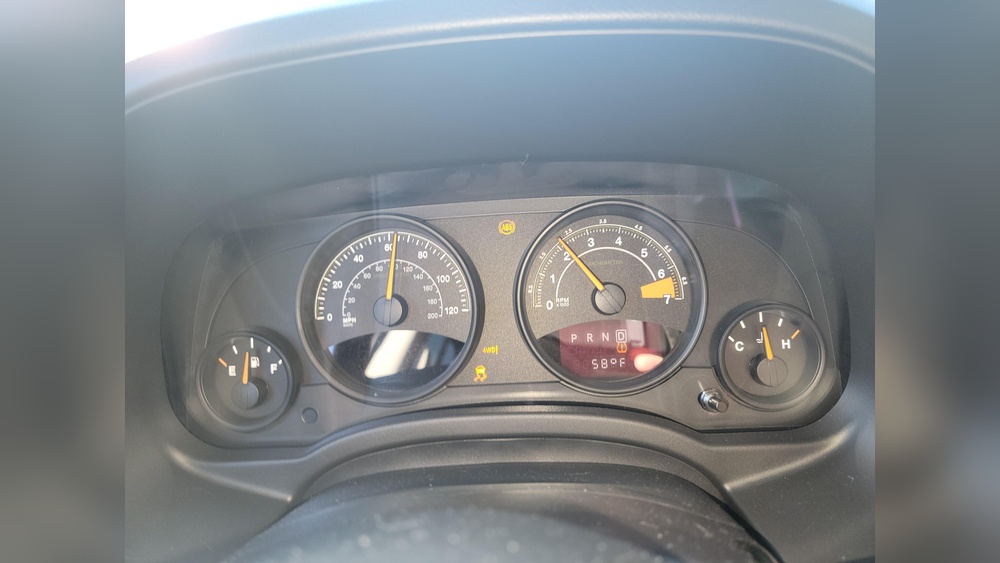
Have you noticed the ABS light glowing on your Jeep’s dashboard and wondered what it means? That little warning can be more than just a flicker—it’s your Jeep’s way of telling you there’s a problem with your braking system.
Ignoring it could put your safety at risk and lead to costly repairs. But don’t worry—understanding why the ABS light comes on and what steps you can take is easier than you think. Keep reading to learn exactly what that warning light means, common causes behind it, and what you should do next to keep your Jeep—and you—safe on the road.

Abs Light Basics
The ABS light on your Jeep’s dashboard is a warning signal. It alerts you to issues with the Anti-lock Braking System (ABS). Understanding this light helps you stay safe and maintain your vehicle properly.
ABS is a vital safety feature. It helps prevent your wheels from locking during hard braking. This section explains what the ABS light means and how ABS works in Jeeps.
What The Abs Light Means
The ABS light turns on when the system detects a problem. It could be a sensor fault, low brake fluid, or electrical issues. The light means the ABS is not working correctly.
When the ABS light is on, your brakes still work, but without ABS support. Your Jeep may lose the extra control ABS offers during sudden stops. Ignoring this warning can reduce your vehicle’s safety.
Some common causes include a damaged wheel speed sensor or faulty wiring. Brake fluid leaks or problems with the ABS module can also trigger the light.
How Abs Works In Jeeps
ABS helps keep your Jeep stable during emergency braking. It uses sensors to monitor wheel speed. If a wheel starts to lock, the system reduces brake pressure on that wheel.
This prevents skidding and helps you maintain steering control. ABS pulses the brakes quickly to allow the wheels to keep rolling.
Jeeps use ABS to improve traction on rough or slippery roads. The system works with other safety features like traction control and electronic stability control.
Common Causes Of Abs Light
The ABS light on your Jeep signals issues with the anti-lock braking system. Understanding common causes helps you act quickly. This light often means a safety feature is not working properly. Ignoring it can lead to brake problems or loss of control.
Faulty Wheel Speed Sensors
Wheel speed sensors track each wheel’s rotation speed. If one fails, the ABS light turns on. Dirt, damage, or wiring problems can cause sensor failure. The ABS system uses this data to prevent wheel lock-up during braking. A faulty sensor disrupts this process.
Low Or Contaminated Brake Fluid
Brake fluid is essential for hydraulic pressure in brakes. Low fluid levels or dirty fluid can trigger the ABS warning. Leaks or old fluid reduce braking efficiency and affect ABS function. Regular fluid checks keep your brakes and ABS working well.
Damaged Wheel Bearings
Wheel bearings help wheels spin smoothly. When damaged, they cause irregular wheel speeds. This confuses the ABS sensors and turns the light on. Noise or looseness in wheels often signals bearing problems. Fixing bearings restores ABS accuracy.
Wiring And Connector Issues
Loose or broken wires disrupt communication between ABS parts. Connectors exposed to dirt or corrosion also cause faults. Wiring problems prevent the ABS module from receiving correct signals. Checking wiring and connectors helps solve ABS light issues.
Leaking Rear Axle Seals
Leaking axle seals let grease reach wheel speed sensors. Grease buildup blocks sensor signals and triggers the ABS light. This issue is common in Jeep models with rear axle seals. Repairing leaks protects sensors and restores ABS function.
Impact On Driving Safety
The ABS light on your Jeep signals a problem with the anti-lock braking system. This warning affects your driving safety in several ways. Understanding these impacts helps you know how to respond and keep safe on the road.
Effect On Braking Performance
ABS helps prevent the wheels from locking during hard braking. Without it, your Jeep may skid on slippery surfaces. This increases stopping distance and reduces control. Braking may feel different or less stable, especially in wet or icy conditions.
Traction Control System Interaction
The traction control system often works with ABS to maintain grip. If the ABS light is on, traction control might not work properly. This can cause loss of stability when accelerating on slick roads. Your Jeep may be more prone to slipping or sliding.
Is It Safe To Drive With Abs Light On?
It is usually safe to drive short distances with the ABS light on. Normal brakes still work, but without ABS protection. Drive carefully and avoid sudden stops or sharp turns. Have the system checked and repaired soon to restore full safety features.

Diagnosing Abs Light Problems
The ABS light on your Jeep signals a problem with the anti-lock braking system. Diagnosing ABS light problems requires careful steps. These steps help find the exact cause of the warning. Proper diagnosis prevents further damage and ensures safe driving.
Using A Scan Tool
A scan tool reads the Jeep’s ABS system codes. It connects to the vehicle’s OBD-II port. The tool shows error codes stored in the ABS module. These codes pinpoint the part causing the issue. Using a scan tool saves time and avoids guesswork.
Visual Inspection Tips
Start with a visual check of the ABS parts. Look at the wheel speed sensors near each wheel. Check for dirt, damage, or loose connections. Inspect the wiring harness for breaks or corrosion. Examine brake fluid levels and condition. A simple look can reveal obvious problems quickly.
Common Error Codes
Some error codes appear often in Jeep ABS problems. Code C0035 means a problem with the left front wheel speed sensor. Code C0040 points to the right front sensor fault. Code C0050 shows rear left sensor issues. These codes guide repairs and help you understand what to fix first.
Fixing Abs Light Issues
The ABS light in your Jeep signals a problem with the anti-lock braking system. Fixing ABS light issues involves checking several key components. Some fixes are simple. Others might need professional help.
Addressing these problems promptly keeps your brakes working safely. Here are common ways to fix ABS light problems in a Jeep.
Replacing Wheel Speed Sensors
Wheel speed sensors monitor each wheel’s speed. They send data to the ABS control module. A faulty sensor causes the ABS light to turn on. Dirt, damage, or wear can affect sensors.
Replacing a bad wheel speed sensor restores proper ABS function. The process involves removing the old sensor and installing a new one. This fix often clears the ABS warning light.
Brake Fluid Maintenance
Brake fluid is essential for hydraulic brake function. Low or contaminated brake fluid can trigger the ABS light. Check fluid levels regularly. Change the brake fluid according to the service schedule.
Flushing old brake fluid and refilling with fresh fluid keeps the braking system healthy. Proper brake fluid maintenance prevents ABS issues and ensures safe stopping power.
Repairing Wiring And Connectors
Wiring and connectors link sensors to the ABS module. Damaged wires or loose connectors cause communication errors. This may turn on the ABS warning light.
Inspect wiring for cuts, corrosion, or loose connections. Repair or replace damaged wires and clean connectors. Restoring good electrical connections often solves ABS light problems.
Addressing Wheel Bearing Problems
Wheel bearings support wheel rotation and house sensors. Worn or damaged bearings can affect sensor signals. This may cause the ABS light to activate.
Check for wheel bearing noise or looseness. Replace faulty bearings promptly. Fixing bearing issues helps restore proper ABS sensor readings and clears the warning light.
Cost And Diy Considerations
The ABS light on your Jeep signals a problem with the anti-lock braking system. Understanding the cost and repair options helps you decide the next steps. Repairs vary widely depending on the issue. Some fixes are simple and affordable, while others can be costly. Knowing what you can do yourself saves time and money. It also helps you spot when professional help is necessary. This section covers typical repair costs, DIY possibilities, and when to see a professional.
Typical Repair Costs
Repair costs depend on the cause of the ABS light. A faulty wheel speed sensor is a common issue. Replacing this sensor usually costs between $100 and $300. Brake fluid changes or topping off fluid cost around $50 to $100. More complex repairs, like fixing the ABS control module, can reach $500 or more. Labor rates vary by location, which affects the total price. Always get a detailed estimate before any repair work.
Can You Fix It Yourself?
Some ABS problems are easy to fix at home. Checking and refilling brake fluid is a simple task. Replacing a wheel speed sensor might be possible if you have basic tools. Use an OBD-II scanner to read ABS trouble codes first. This helps identify the faulty part. Follow the Jeep repair manual for step-by-step guidance. Avoid DIY if you lack experience with brake systems. Mistakes can cause safety issues or further damage.
When To See A Professional
Seek professional help if the repair involves complex parts. ABS control module issues require specialized tools and skills. Persistent or multiple warning lights also need expert diagnosis. If the brakes feel abnormal or the ABS light stays on, visit a mechanic. Professionals can ensure the system works correctly and safely. Timely repairs prevent bigger problems and save money in the long run.
Preventing Abs Light Activation
The ABS light on your Jeep signals issues in the anti-lock braking system. Preventing this light from turning on avoids costly repairs and keeps your vehicle safe. Simple care steps help stop the ABS light from activating unexpectedly.
Routine attention to brakes and wheel parts reduces the chance of ABS problems. Avoiding harsh impacts also protects sensor and wiring systems. Following these tips helps your Jeep run smoothly without warning lights.
Regular Brake System Checks
Check brake fluid levels often. Low or dirty fluid can trigger the ABS light. Inspect brake pads and rotors for wear. Replace parts that look thin or damaged. Ensure brake lines have no leaks or cracks. A well-maintained brake system prevents many ABS faults.
Maintaining Wheel Components
Clean wheel speed sensors regularly. Dirt and grease block sensor signals. Tighten loose wheel bearings to avoid sensor errors. Check the wiring for damage or corrosion. Keep tires balanced and aligned. Healthy wheel parts keep the ABS system working right.
Avoiding Off-road Damage
Off-road driving can harm ABS sensors and wiring. Avoid hitting rocks or deep ruts hard. Use proper Jeep accessories like skid plates. Inspect undercarriage after rough trips. Quick repairs prevent sensor failures. Protecting your Jeep off-road lowers ABS light risks.

Frequently Asked Questions
Can I Drive A Jeep With An Abs Light On?
You can drive a Jeep with the ABS light on, but the anti-lock braking system may not function properly. Have it checked soon.
Is It Expensive To Fix An Abs Light?
Fixing an ABS light usually costs between $100 and $300, depending on the issue. Common repairs involve wheel speed sensors or brake fluid. Costs vary by vehicle model and labor rates. Regular maintenance can prevent expensive repairs.
Can I Drive If My Abs Light Is On?
You can drive with the ABS light on, but your anti-lock braking system may not work properly. Drive cautiously and have it checked soon.
Can I Fix An Abs Light Myself?
You can fix some ABS light issues yourself by checking brake fluid or cleaning sensors. Use a scan tool to identify faults. Complex repairs need professional help for safety and accuracy.
Conclusion
The ABS light on your Jeep signals a problem with the braking system. Common causes include faulty wheel speed sensors or low brake fluid. Ignoring this light can reduce your vehicle’s safety features. It’s best to have your Jeep checked by a mechanic soon.
Timely repairs help keep you safe on the road. Don’t wait until the issue worsens. Understanding what triggers the ABS light helps you act quickly. Stay alert and maintain your Jeep regularly for smooth, safe driving.