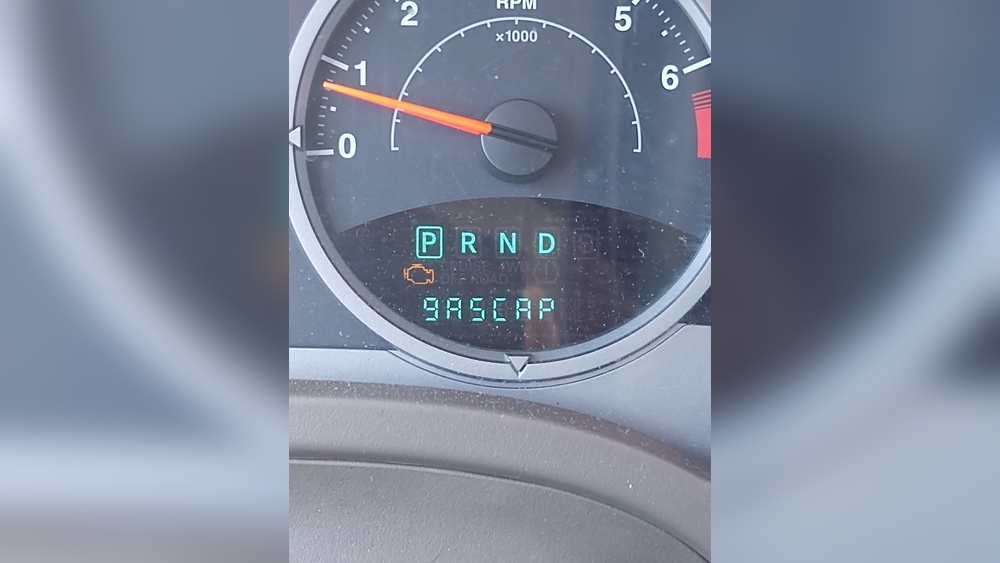
If you’ve noticed the gas cap light on your Jeep Patriot flickering on, you’re not alone—and it’s important not to ignore it. This warning isn’t just a random alert; it’s your vehicle’s way of telling you there might be an issue with your fuel system, often related to the gas cap itself.
You might wonder, “Is it something serious? Can I fix it myself? ” The good news is that many times, the problem is simple and easy to solve. But if you don’t address it, you could face bigger headaches down the road, like decreased fuel efficiency or even a failed emissions test.
Keep reading to discover why that gas cap light comes on, what you should check first, and how to get it off so you can drive with peace of mind again.
Gas Cap Light Causes
The gas cap light on your Jeep Patriot signals a problem with the fuel system’s seal. This light often comes on due to issues that allow fuel vapors to escape. It points to a potential leak in the evaporative emissions system (EVAP). The causes can range from simple to more complex problems. Understanding these causes helps you address the issue quickly and keep your vehicle running smoothly.
Loose Or Improperly Sealed Cap
A gas cap that is not tight enough can trigger the warning light. The cap must be twisted firmly until it clicks. This seal prevents fuel vapors from escaping. A loose cap is the most common reason for this light. Always check that the cap is properly sealed after refueling.
Damaged Gas Cap Seal
The rubber gasket on the gas cap wears out over time. Cracks or breaks in this seal allow vapors to leak. A damaged seal cannot hold the pressure inside the fuel tank. Replacing the gas cap with an original equipment manufacturer (OEM) part is best. This fix often solves the problem quickly.
Rust On Filler Neck
Rust can form around the metal opening where the gas cap fits. This corrosion stops the cap from sealing tightly. Dirt and debris may also build up, causing leaks. Cleaning the filler neck carefully can restore the seal. Use fine sandpaper or a wire brush to remove rust gently.
Faulty Evap System Components
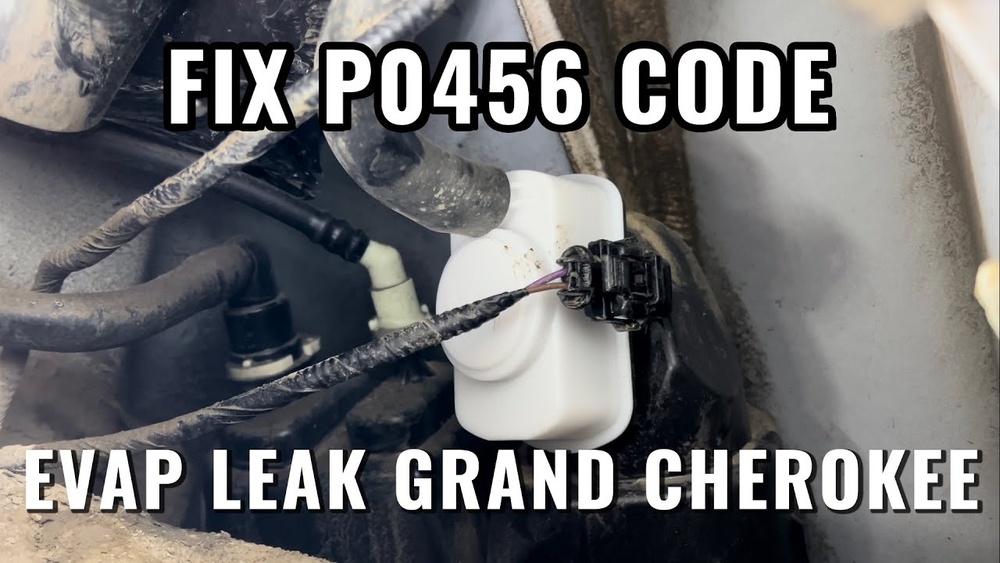
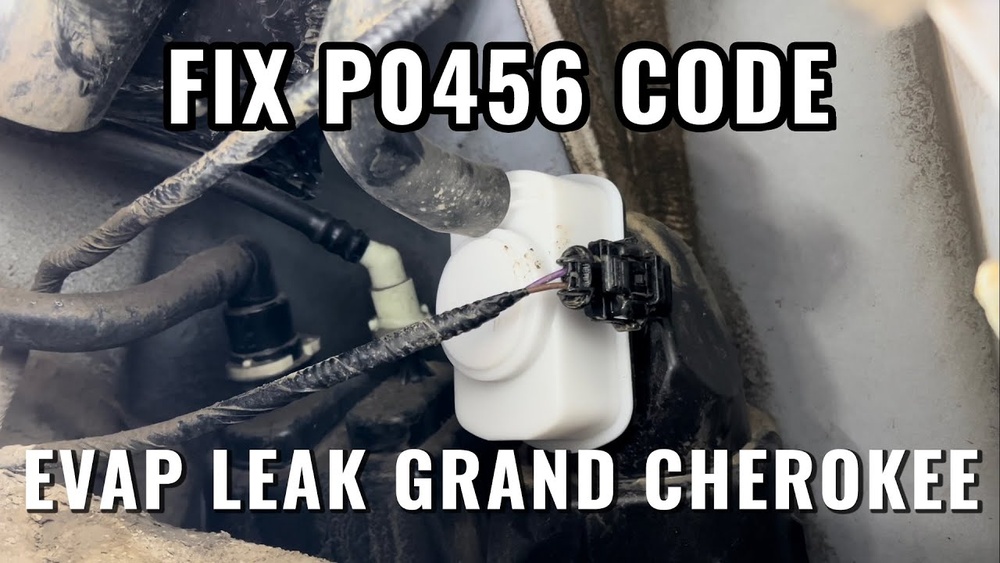
The EVAP system has valves and sensors that control fuel vapor flow. Faulty parts in this system can cause the gas cap light to come on. Problems include cracked hoses or broken valves. These issues require professional diagnosis and repair. Ignoring them can lead to poor fuel economy and emissions failure.

Quick Fixes For Gas Cap Light
Knowing when to replace the gas cap on your Jeep Patriot helps keep the fuel system sealed. A worn or damaged cap can cause the gas cap light to turn on. This light signals a possible leak in the evaporative emissions system. Timely replacement prevents fuel loss and engine problems. Follow these tips to spot issues and choose the right replacement.
Signs Of Wear And Damage
Check the gas cap regularly for cracks or wear. The rubber gasket may dry out or tear over time. A loose or damaged cap cannot seal the fuel tank properly. You might notice fuel odors or see the gas cap light on frequently. Rust on the filler neck can also stop the cap from sealing tightly. These signs mean it is time to replace the gas cap.
Choosing An Oem Replacement
Buy an original equipment manufacturer (OEM) gas cap for your Jeep Patriot. OEM parts fit perfectly and meet factory standards. They help maintain the seal and avoid triggering the gas cap light. Non-OEM caps may not fit well or last as long. Check your vehicle manual or ask a dealer for the correct cap model. Using the right cap protects your fuel system and emissions controls.
Cost And Installation Tips
Replacing the gas cap is usually inexpensive. Prices range from $15 to $40 depending on the part and seller. You can install it yourself without special tools. Remove the old cap by unscrewing it counterclockwise. Screw the new cap on until you hear a firm click. This ensures a tight seal. If the gas cap light stays on after replacement, inspect the seal or visit a mechanic.
When To Replace The Gas Cap
The gas cap light on your Jeep Patriot often points to EVAP system issues. The EVAP system controls fuel vapors to reduce emissions. Problems here trigger the warning light. Checking this system helps find leaks or faults. Simple inspections can save time and money.
Understanding the EVAP system parts and how leaks affect your vehicle is key. Using the right tools can also speed up diagnosis.
Common Evap Components To Inspect
Start with the gas cap itself. A loose or damaged cap often causes leaks. Look for cracks or worn rubber seals on the cap. Next, check the fuel filler neck for rust or dirt. These can stop the cap from sealing properly. Inspect EVAP hoses for cracks or loose connections. The charcoal canister stores fuel vapors and should be intact. Finally, examine the purge valve and vent valve for proper function.
How Evap Leaks Trigger The Light
The EVAP system seals fuel vapors inside the tank. A leak lets vapors escape. This changes the pressure inside the system. Sensors detect the pressure drop and alert the engine computer. The computer then turns on the gas cap warning light. Even a small leak, like a loose cap, can cause this. Larger leaks may cause fuel smell or poor engine performance.
Professional Diagnostic Tools
Mechanics use scan tools to read error codes from the engine computer. These codes point to specific EVAP faults. Smoke machines help find hidden leaks by filling the system with smoke. The smoke escapes from cracks or loose parts, making leaks visible. Pressure testers check if the system holds pressure. These tools give a clear picture of the EVAP condition.
Checking Evap System Issues
Keeping the gas cap light off your Jeep Patriot involves regular care and simple habits. Taking steps early helps avoid bigger issues with the fuel system. Preventive measures focus on maintaining the gas cap and its components in good shape. These actions ensure a tight seal and proper function, reducing false alerts and fuel vapor leaks.
Regular Gas Cap Maintenance
Check the gas cap often for cracks or damage. Dirt and debris can build up on the cap and gasket. Clean the cap with a soft cloth and mild soap. Inspect the rubber seal to ensure it is soft and intact. Replace the gas cap if the seal looks worn or brittle. A good seal stops fuel vapors from escaping and keeps the warning light off.
Avoiding Over-tightening
Screw the gas cap on until you hear a clear click sound. This click means the cap is tight enough to seal properly. Do not force the cap beyond this point. Over-tightening can damage the threads or gasket. Damaged parts cause leaks that trigger the gas cap warning light. Proper tightening protects the gas cap and filler neck.
Protecting Against Rust And Corrosion
Rust can form on the metal filler neck where the gas cap screws in. This corrosion prevents the cap from sealing fully. Inspect the filler neck regularly for rust or dirt. Clean any buildup gently with fine sandpaper or a wire brush. Apply a rust inhibitor spray to keep corrosion away. Protecting these parts stops leaks and warning light errors.
Preventive Measures
The gas cap light on your Jeep Patriot signals a problem with the fuel system seal. Knowing when to visit a service center can save time and avoid bigger issues. Some problems require professional tools and expertise to diagnose and fix.
Early visits prevent damage to the EVAP system and help maintain fuel efficiency. Trusting experts ensures your vehicle stays safe and runs smoothly.
Persistent Warning Light
If the gas cap light stays on after tightening or replacing the cap, it needs professional attention. The issue might not be the cap but a leak or sensor problem. Ignoring this warning can lead to more costly repairs.
Advanced Evap Repairs
The EVAP system controls fuel vapors and emissions. Repairs can involve replacing valves, hoses, or sensors. These parts require specific knowledge and tools to handle correctly. A service center can perform thorough diagnostics and fix complex problems.

Frequently Asked Questions
What Is The Gas Cap Warning On A Jeep Patriot?
The gas cap warning on a Jeep Patriot signals a loose, damaged, or improperly installed fuel cap. It indicates a possible EVAP system leak. Tighten the cap until it clicks. If the warning persists, inspect for a cracked seal or rust on the filler neck and replace the gas cap if needed.
Why Does My Jeep Keep Saying Check Gas Cap?
Your Jeep says “check gas cap” due to a loose, damaged, or improperly installed gas cap. Tighten or replace it.
How Many Miles Until Empty When Gas Light Comes On A Jeep Patriot?
The Jeep Patriot’s gas light typically comes on with about 2 to 3 gallons left. This equals roughly 30 to 40 miles until empty. Mileage may vary based on driving conditions and vehicle maintenance. Always refuel promptly to avoid running out of gas.
What Else Can Cause A Gas Cap Light To Come On?
A gas cap light can also come on due to a damaged seal, rust on the filler neck, or a loose gas cap. Check for cracks or corrosion that prevent a proper seal.
Conclusion
The gas cap light on your Jeep Patriot signals a possible fuel system leak. Tighten the gas cap firmly until it clicks to clear the warning. Check the cap’s rubber seal for cracks or damage. Clean any rust around the filler neck to ensure a proper seal.
If the light stays on, consider replacing the gas cap with an OEM part. Addressing these simple steps can keep your Jeep running smoothly and avoid further issues. Regular checks help prevent the gas cap light from turning on unexpectedly.