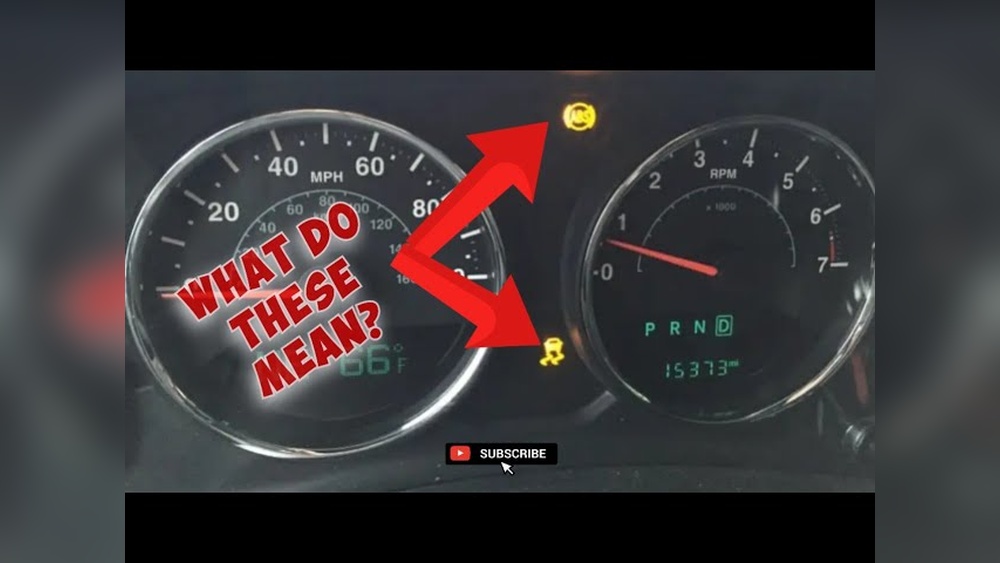
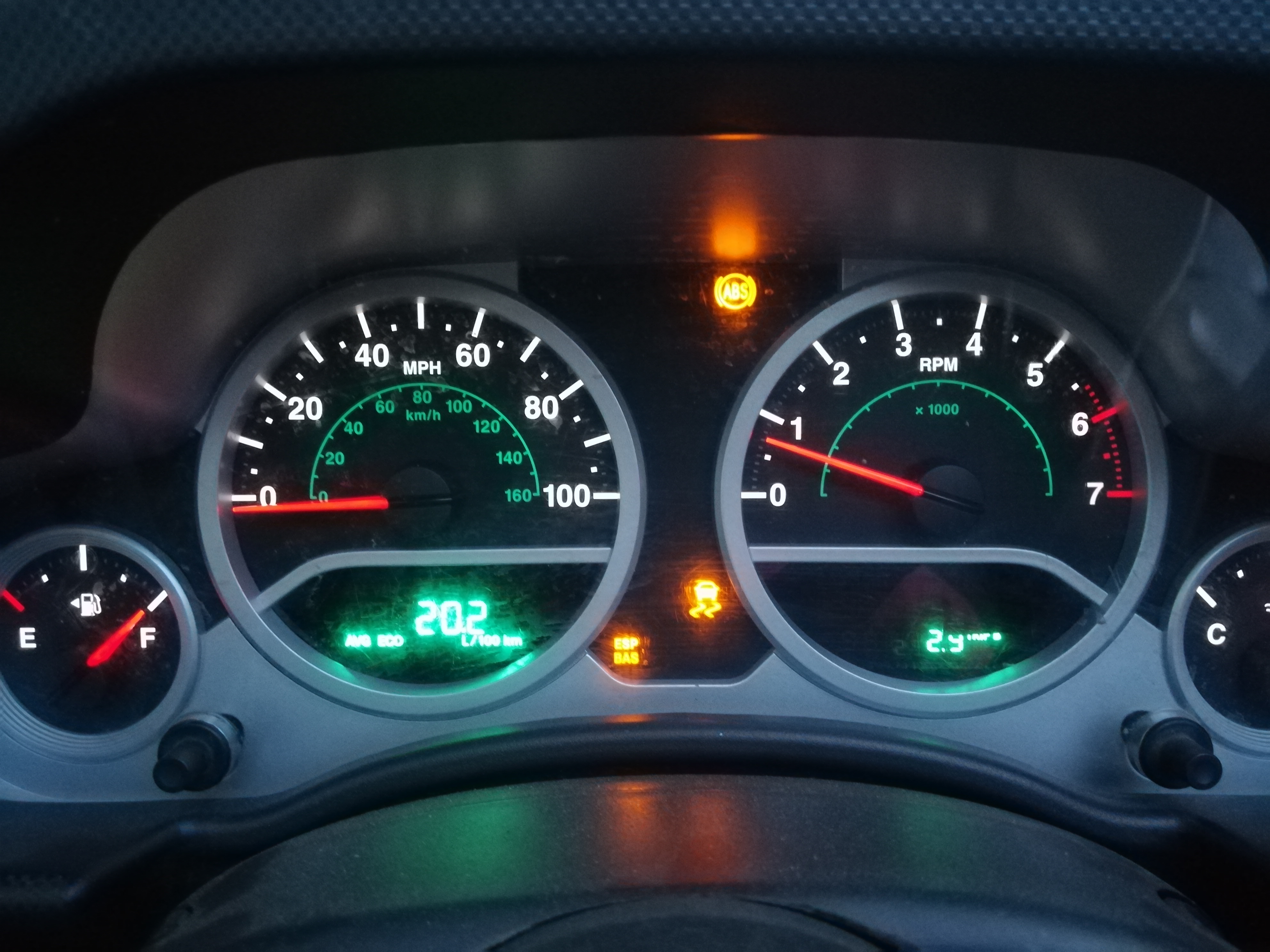
If you’ve noticed the ABS light glowing on your Jeep Wrangler’s dashboard, you’re probably wondering what it means and whether it’s safe to keep driving. That little warning light can cause a lot of concern, especially if you rely on your Wrangler for daily driving or off-road adventures.
The ABS system is crucial for keeping your brakes working properly and preventing wheel lock-up in slippery conditions. Ignoring that light could put you and your Jeep at risk. You’ll learn the common reasons why the ABS light comes on in Jeep Wranglers, what it means for your safety, and simple steps you can take to fix the problem before it becomes serious.
Keep reading to protect your Jeep and your peace of mind.
Common Causes
The ABS light on a Jeep Wrangler signals a problem with the anti-lock braking system. This light comes on due to several common issues. Identifying the cause helps to fix the problem quickly and safely. Below are typical reasons the ABS light might illuminate.
Faulty Wheel Speed Sensors
Wheel speed sensors track each wheel’s speed. If a sensor fails or gets dirty, the ABS light turns on. These sensors can be damaged by dirt, debris, or corrosion. Replacing a bad sensor often clears the warning.
Low Brake Fluid Levels
Brake fluid helps the braking system work properly. Low fluid can trigger the ABS light. Leaks or worn brake pads cause fluid levels to drop. Checking and refilling brake fluid keeps the system healthy.
Bad Abs Module
The ABS module controls the anti-lock system. If it malfunctions, the ABS light will appear. Electrical faults or water damage can cause module failure. A mechanic may need to test and replace this part.
Contaminated Brake Fluid
Brake fluid can absorb moisture over time. This contamination reduces braking efficiency and triggers the ABS light. Flushing and replacing the brake fluid restores proper function.
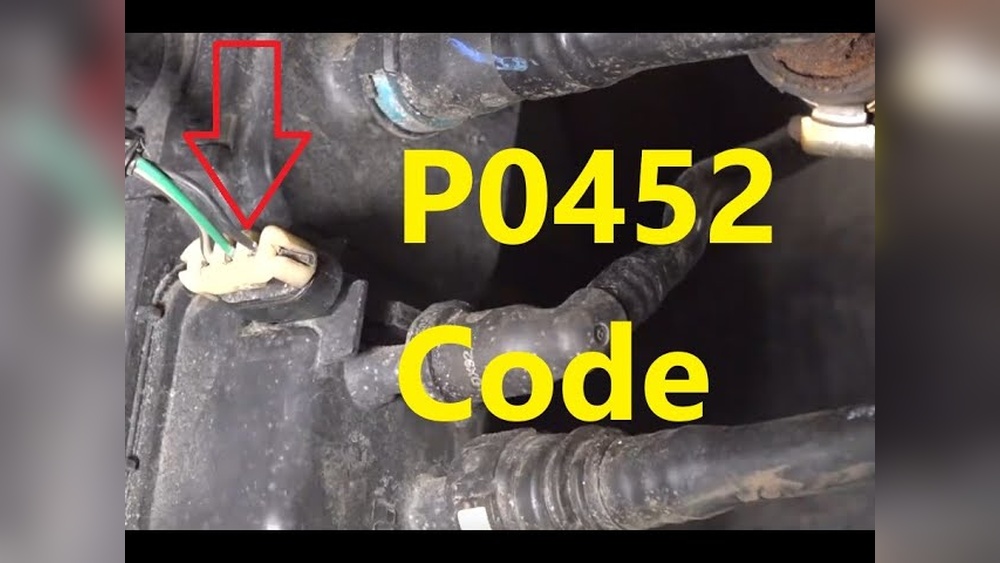
Damaged Wiring Or Connectors
Wiring connects all ABS components. Damage or loose connectors disrupt signals. This interruption causes the ABS light to come on. Inspecting and repairing wires often solves the issue.
Leaking Rear Axle Seal Effects
A leaking rear axle seal can drip grease onto wheel speed sensors. This grease blocks sensor signals, lighting the ABS warning. Cleaning or fixing the leak clears the problem.
Wheel Bearing Issues
Bad wheel bearings affect sensor readings and braking performance. Worn bearings may cause noise and looseness. Replacing damaged bearings can turn off the ABS light.
Diagnosing Abs Issues
Diagnosing ABS issues in a Jeep Wrangler requires careful steps. The ABS light signals a problem with the anti-lock brake system. Ignoring this light can reduce braking safety. Proper diagnosis helps find the exact cause and guides effective repair. The following methods help identify common ABS problems clearly.
Using A Scan Tool
A scan tool reads error codes from the ABS system. It connects to the Jeep’s OBD-II port. The tool shows specific faults in the ABS module. This saves time by pinpointing the problem area. Many auto shops and DIYers use this tool first.
Checking Wheel Speed Sensors
Wheel speed sensors detect the rotation of each wheel. Dirt or damage can cause sensor failure. Inspect sensors for dirt, cracks, or loose mounting. Clean sensors gently to remove debris. Replace faulty sensors to restore ABS function.
Inspecting Brake Fluid
Brake fluid level affects ABS performance. Low fluid can trigger the ABS light. Check the brake fluid reservoir for proper levels. Use the recommended fluid type for your Jeep. Top off or replace fluid if it looks dirty or low.
Examining Wiring And Connectors
Wiring issues often cause ABS faults. Look for frayed wires or loose connectors near sensors. Corrosion or broken wires can disrupt signals. Repair or replace damaged wiring to fix ABS errors. Secure all connectors tightly after inspection.
Testing Wheel Bearings
Bad wheel bearings affect wheel speed readings. Listen for grinding or humming noises from wheels. Check for excessive play by shaking the wheel. Replace worn bearings to prevent ABS malfunctions. Proper bearings keep sensors accurate and system safe.
Diy Fixes
The ABS light in a Jeep Wrangler can signal several brake system issues. Some problems are simple to fix without a mechanic. Basic checks and repairs can often turn off the ABS warning light. This section guides you through easy DIY fixes to try at home.
Cleaning Or Replacing Sensors
Wheel speed sensors can get dirty or damaged, causing the ABS light to come on. Remove the sensor carefully and clean it with a soft brush and brake cleaner. If the sensor looks damaged or worn, replace it with a new one. Check the sensor’s wiring for corrosion or breaks. Reinstall the sensor firmly to ensure proper contact.
Refilling Or Flushing Brake Fluid
Low or dirty brake fluid can trigger the ABS warning. Check the fluid level in the master cylinder reservoir. Add the correct brake fluid type if the level is low. Old brake fluid can reduce braking efficiency. Flush and replace the brake fluid every two years or as recommended by Jeep. Use a clean container and avoid introducing air bubbles during refilling.
Repairing Wiring Damage
Wiring issues often cause ABS light problems. Inspect the wires connected to the ABS sensors and module for cracks or breaks. Use a multimeter to test for electrical continuity. Repair damaged wires by splicing and soldering or using electrical tape and heat shrink tubing. Secure loose wires to avoid future damage from movement or heat.
Tightening Or Replacing Wheel Bearings
Loose or worn wheel bearings can affect the ABS sensors and cause the light to turn on. Check for wheel play by rocking the tire back and forth. Tighten the wheel bearings if they are loose. If the bearings make noise or feel rough, replace them. Properly installed bearings ensure accurate sensor readings and safe braking.

When To Seek Professional Help
The ABS light on your Jeep Wrangler is more than just a warning. It signals a potential problem with your braking system. Some issues are simple and can be fixed at home. Others are complex and need expert care. Knowing when to seek professional help can save you time and money.
Complex Module Repairs
The ABS module controls the anti-lock braking system. It is an electronic part that can fail or develop faults. Repairing or replacing this module requires special tools and knowledge. A professional mechanic can diagnose the exact problem. They have the right equipment to fix it safely and correctly.
Hydraulic System Issues
The ABS system uses hydraulic lines to control brake pressure. Leaks or damage in this system can cause brake failure. These issues are hard to find and fix without experience. Professionals can inspect the hydraulic parts thoroughly. They can replace or repair damaged components to restore full brake function.
Abs System Calibration
After repairs, the ABS system often needs calibration. This step ensures the system works with your Jeep’s sensors and brakes. Calibration requires special diagnostic tools. It cannot be done manually or by guesswork. A skilled technician will perform this procedure to keep your Jeep safe on the road.
Expert Tips
The ABS light in your Jeep Wrangler signals the status of the anti-lock braking system. Knowing expert tips helps keep the system reliable and safe. These tips focus on routine care and quick action to avoid bigger problems.
Regular Maintenance Checks
Check the ABS system regularly to catch issues early. Inspect brake fluid levels and condition often. Test wheel speed sensors to ensure they work properly. Clean sensors and connectors to avoid dirt buildup. Schedule professional inspections to maintain system health.
Avoiding Contamination
Keep brake components free from grease and dirt. Avoid spills of oil or brake fluid near sensors. Use clean tools and parts during repairs. Contamination can cause false ABS warnings or sensor failure. Protect the system by maintaining a clean environment around brakes.
Using Quality Replacement Parts
Choose OEM or high-quality parts for repairs. Cheap parts may cause sensor errors or fail early. Ensure sensors and wiring match your Jeep’s specifications. Quality parts improve system reliability and vehicle safety. Replace worn components promptly for best performance.
Addressing Issues Promptly
Do not ignore the ABS light if it turns on. Diagnose problems quickly with a scan tool or mechanic. Fix faulty sensors, wiring, or fluid leaks immediately. Driving with a faulty ABS can risk wheel lock and accidents. Prompt action ensures your Jeep stays safe on the road.
Driving With Abs Light On
Driving with the ABS light on in your Jeep Wrangler requires caution. This warning means the Anti-lock Braking System has a problem. The system may not work during sudden stops. Understanding the risks can help keep you safe on the road.
Risks Involved
The ABS light signals the system is off or faulty. Without ABS, your wheels can lock during hard braking. Locked wheels reduce steering control and increase stopping distance. This raises the chance of skidding or losing control. Wet or icy roads make these risks worse. Always drive carefully if the ABS light stays on.
Emergency Braking Considerations
Emergency stops are more dangerous without ABS. Your Jeep may slide instead of stopping quickly. Pump the brakes gently to avoid wheel lockup. Keep a safe distance from other vehicles. Be ready to steer around hazards if your Jeep skids. Practice calm, controlled braking to improve safety.
Short-term Vs Long-term Driving
Short-term driving with the ABS light on is possible but not ideal. Use extra caution and avoid heavy braking. Long-term driving should not happen without fixing the issue. A broken ABS can lead to brake failure or worse accidents. Have a mechanic check your Jeep as soon as possible. Do not ignore the warning for your safety.
Cost Expectations
The cost to fix the ABS light in a Jeep Wrangler varies. It depends on which part needs repair or replacement. Some issues are simple and cheap. Others require more work and higher expenses.
Understanding these costs helps you prepare for the repair. Below are common expense categories for ABS system repairs.
Sensor Replacement Costs
Wheel speed sensors often cause ABS light problems. Replacing a sensor usually costs between $50 and $150. This price covers the part alone. Labor fees are extra and vary by shop.
Brake Fluid Service Pricing
Low or dirty brake fluid can trigger the ABS light. Flushing and refilling brake fluid typically costs $70 to $120. This service is quick but important for ABS function.
Module Repair Or Replacement Expenses
The ABS control module is more complex and costly. Repairing it can cost $200 to $400. Replacing the module may range from $400 to $900. Prices depend on the Jeep model and part availability.
Labor Charges
Labor costs vary by location and mechanic skill. Expect to pay $80 to $150 per hour. ABS repairs usually take one to two hours. Confirm labor rates before authorizing work.
Frequently Asked Questions
Can I Drive My Jeep With The Abs Light On?
Driving your Jeep with the ABS light on is risky. The ABS system may be disabled, increasing wheel lock-up during braking. Have a professional inspect and repair the issue promptly to ensure safe braking and vehicle control.
What Causes Abs Light To Come On In A Jeep?
The ABS light in a Jeep turns on due to faulty wheel speed sensors, low brake fluid, or a bad ABS module. Grease contamination, damaged wires, or wheel bearing issues also trigger it. These faults disable the ABS system, risking wheel lock-up during braking.
Can I Drive When The Abs Light Is On?
Driving with the ABS light on is not recommended. The ABS system may be disabled, increasing brake lock-up risk during emergencies.
Is It Expensive To Fix An Abs Light?
Fixing an ABS light can cost between $100 and $300, depending on the issue. Sensor replacement is usually affordable. Complex problems may increase repair costs.
Conclusion
The ABS light in your Jeep Wrangler signals a potential brake system issue. Ignoring it can lead to unsafe driving conditions, like wheel lock-up. Common causes include faulty wheel speed sensors or low brake fluid. Addressing the problem quickly keeps you and others safe on the road.
Regular maintenance helps prevent ABS light problems. Trust your Jeep’s warning system—it’s there to protect you. Stay alert and get your ABS checked by a professional when the light appears. Safe driving starts with a healthy brake system.