If you’ve recently seen the P0430 code pop up on your Jeep’s dashboard, you’re probably wondering what it means and how it affects your vehicle. This code signals that your Jeep’s catalytic converter isn’t working as efficiently as it should.
Ignoring it can lead to poor engine performance, increased emissions, and even costly repairs down the road. But don’t worry—you’re in the right place. You’ll learn what causes the P0430 code, how to diagnose the problem, and the steps you can take to fix it.
Keep reading to protect your Jeep and get back on the road with confidence.
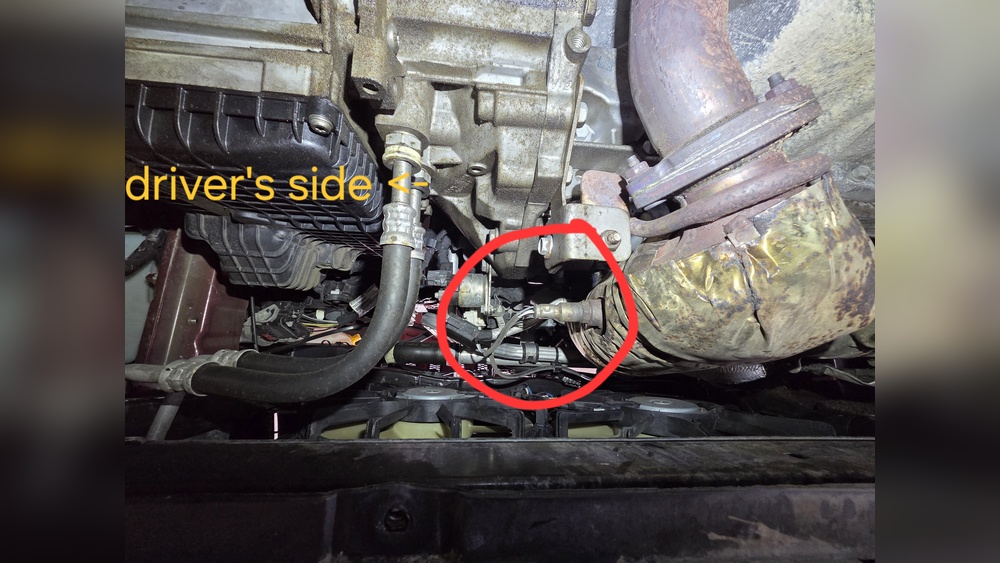

P0430 Code Basics
The P0430 code signals a problem with your Jeep’s catalytic converter. This code means the converter is not working as it should. Understanding this code helps you spot issues early. It also guides you on what needs fixing.
What P0430 Means
The P0430 code means “Catalyst System Efficiency Below Threshold (Bank 2).” Your Jeep has two banks of cylinders. Bank 2 is the side with the second set of cylinders. The code shows the catalytic converter on this side is not cleaning exhaust gases properly.
This happens when sensors detect poor converter performance. It may mean the converter is damaged or clogged. Sometimes, other problems can cause this code, like exhaust leaks or sensor issues.
How It Affects Your Jeep
A faulty catalytic converter hurts your Jeep’s performance. You may notice lower power or poor fuel economy. The engine might run rough or stall at times. Emissions will increase, which can fail emissions tests.
Driving with this code can damage other parts of your Jeep. It can lead to costly repairs if ignored. Fixing the P0430 code helps keep your Jeep running smooth and clean.
Common Causes
The P0430 code in Jeep vehicles signals a problem with the catalytic converter’s efficiency. This code appears when the engine control module detects that the converter is not cleaning exhaust gases properly. Understanding common causes helps in quick diagnosis and repair.
Most issues relate to the catalytic converter itself, the exhaust system, or engine performance. Each factor affects the converter’s ability to reduce emissions. Let’s explore these causes in detail.
Catalytic Converter Issues
The catalytic converter can fail or clog over time. Heat and chemical reactions wear out the internal material. A damaged converter cannot filter exhaust gases effectively. This failure triggers the P0430 code.
Old converters lose efficiency and may cause poor fuel economy. Physical damage from road debris can also harm the converter. Replacement is often necessary if cleaning does not help.
Exhaust Leaks
Leaks in the exhaust system affect sensor readings. Cracks or loose bolts in the exhaust manifold allow extra air inside. This unmetered air confuses oxygen sensors. The sensors then report incorrect data to the engine control module.
Even small leaks can cause the P0430 code. The engine thinks the converter is not working well. Fixing leaks usually clears the error and restores proper function.
Engine Performance Problems
Issues like misfires, rich fuel mixtures, or oil burning damage the catalytic converter. Poor combustion sends harmful particles into the converter. These particles clog or overheat the converter material.
Running the engine poorly for long periods shortens converter life. Addressing engine problems early prevents converter failure and P0430 errors. Regular maintenance keeps the engine and converter healthy.
Diagnosing The Problem
The Jeep P0430 code signals a problem with the catalytic converter’s efficiency. This issue can sometimes be fixed quickly without costly repairs. Trying simple solutions first saves time and money. These quick fixes address common causes and improve your Jeep’s performance. They are easy to perform and often restore proper function.
Fuel Additives For Cleaning
Fuel additives help clean the catalytic converter and fuel system. They remove carbon buildup that blocks exhaust flow. Additives like Cataclean or Sea Foam are popular choices. Pour the additive into the fuel tank as directed. Drive the Jeep normally to allow the cleaner to work. This method can clear minor deposits and reset the P0430 code.
Replacing Faulty Sensors
Oxygen sensors monitor exhaust gases and help control emissions. Faulty sensors can give false readings and trigger the P0430 code. Replacing bad sensors restores accurate data to the engine computer. It is important to check both upstream and downstream sensors. New sensors improve engine efficiency and reduce emissions issues.
Tightening Exhaust Components
Leaks in the exhaust system can confuse sensors and cause error codes. Check for loose bolts, gaskets, or cracks in the exhaust manifold. Tighten any loose parts securely to prevent air leaks. Fixing leaks stops unmetered air from entering the system. This simple step can clear the P0430 code and improve engine performance.
Quick Fixes To Try
Knowing the right moment to replace your Jeep’s catalytic converter helps avoid bigger problems. The catalytic converter reduces harmful emissions and keeps the engine running smoothly. Over time, it can wear out or get damaged, leading to the P0430 trouble code. This code signals that the converter is not working efficiently. Acting at the right time keeps your Jeep safe and eco-friendly.
Signs Of Converter Failure
Watch for these signs to spot a failing converter early. Your Jeep may lose power or acceleration. The engine might run rough or stall unexpectedly. You could notice a rotten egg smell from the exhaust. The check engine light will often come on. Fuel efficiency might drop without any other reason. Strange noises like rattling may come from under the vehicle. These symptoms show your converter needs attention.
Choosing The Right Replacement
Select a catalytic converter that fits your Jeep’s model and year. OEM parts match original factory specifications for best performance. Aftermarket options can be cheaper but vary in quality. Look for converters with good reviews and warranty coverage. Consider converters that meet emissions standards in your state. Quality matters to avoid repeat problems and ensure durability. Always check compatibility before buying a replacement part.
Installation Tips
Prepare your Jeep by lifting it safely on a stable surface. Let the exhaust system cool down completely before starting. Remove the old converter carefully to avoid damaging sensors or pipes. Clean the mounting surfaces to ensure a tight fit for the new part. Use new gaskets and hardware to prevent leaks. Tighten bolts evenly and follow the torque specs. After installation, clear any error codes and test drive your Jeep to confirm the fix.
Frequently Asked Questions
How Do I Fix Error Code P0430?
To fix error code P0430, inspect and replace a failing catalytic converter. Check for exhaust leaks and engine issues. Use fuel additives to clean minor deposits. Clear the code and test drive to confirm the fix. Consult a mechanic if problems persist.
Does P0430 Mean I Need A New Catalytic Converter?
P0430 indicates your catalytic converter’s efficiency is below standard. It doesn’t always require replacement. Diagnose exhaust leaks, engine issues, or sensor faults first. Cleaning additives may help if buildup exists. Replace the converter only if tests confirm failure after thorough inspection.
What Is The Code Po430 On A Jeep?
The code P0430 on a Jeep indicates the catalytic converter is not working efficiently on Bank 2. This may cause increased emissions and reduced performance.
Is P0430 Bank 1 Or Bank 2?
The P0430 code refers to Bank 2, indicating the catalytic converter’s efficiency is below the threshold on that side.
Conclusion
A P0430 code points to issues with your Jeep’s catalytic converter. Fixing it early prevents bigger engine problems later. Simple checks like inspecting for leaks or sensor faults can help. Cleaning additives may improve converter function if damage is minor.
Always use a reliable scanner to confirm the code. Proper maintenance keeps your Jeep running smoothly and saves money. Don’t ignore warning signs or delays might lead to costly repairs. Stay alert and address the P0430 code promptly for best results.