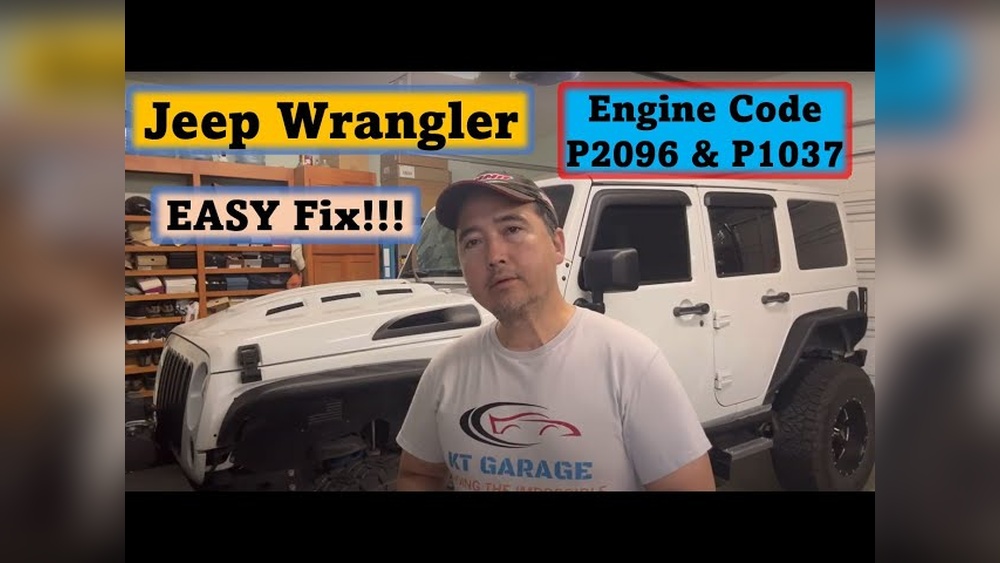
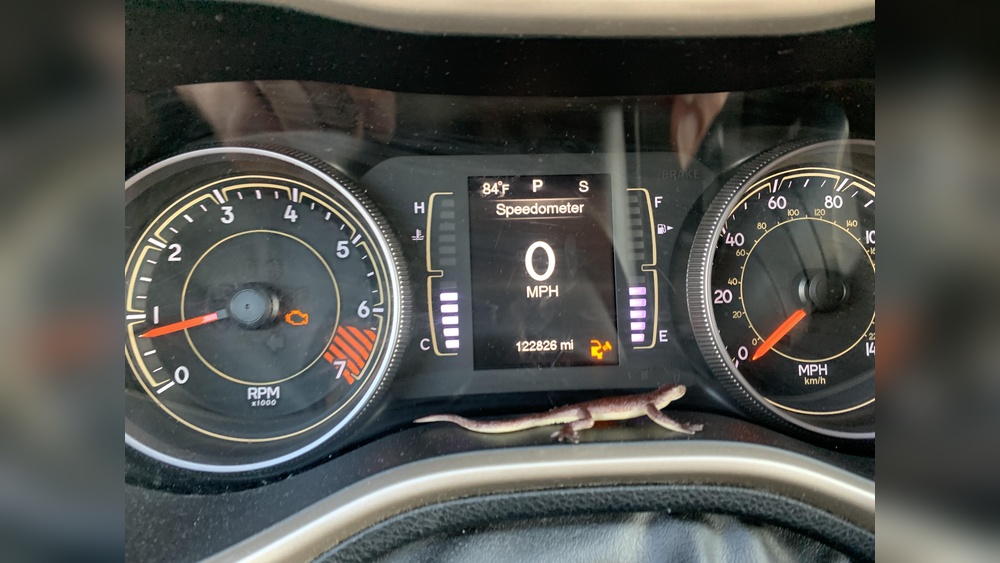
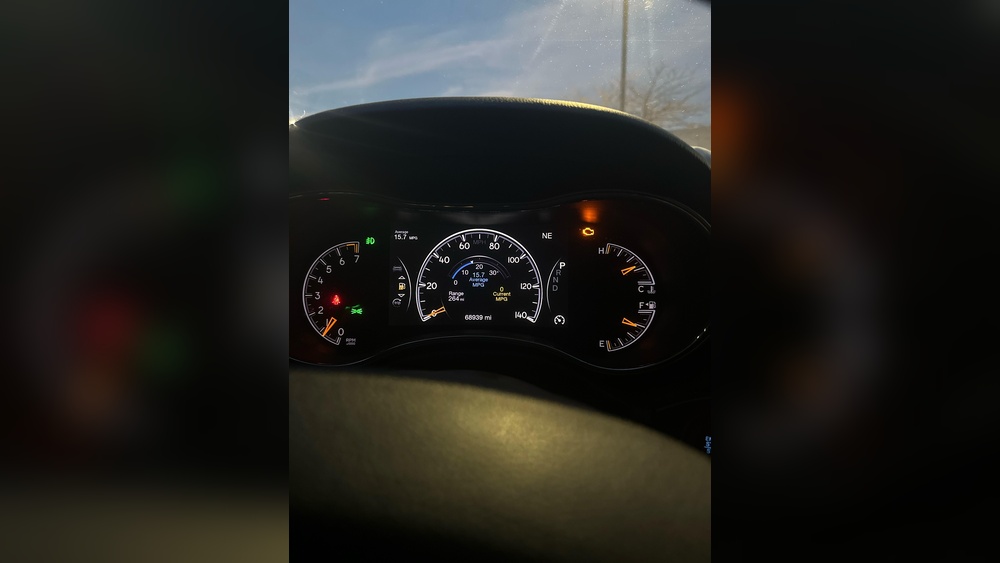
If your Jeep’s Check Engine Light just came on and you noticed the code P0118, you might be wondering what it means and how it affects your ride. This code points to a problem with your Engine Coolant Temperature (ECT) sensor, a small but crucial part that keeps your engine running smoothly.
When the sensor sends incorrect signals, your Jeep can start rough, waste fuel, or even overheat. You don’t have to be a mechanic to understand what’s going on or how to fix it. You’ll discover the common signs of a P0118 code, why it happens, and simple steps you can take to get your Jeep back in top shape.
Stick around—it’s easier than you think to protect your engine and avoid costly repairs.
Symptoms Of P0118 Code
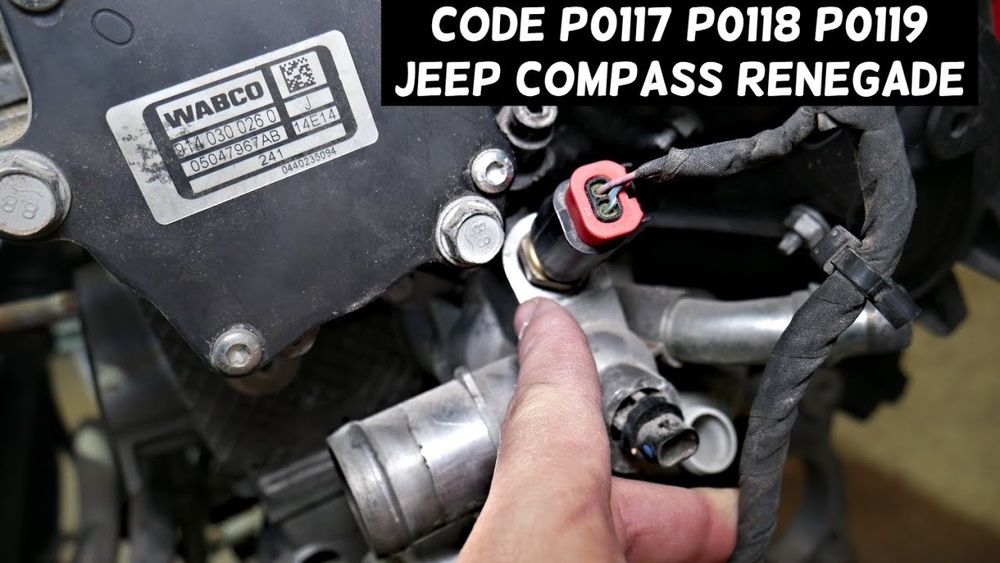
The P0118 code signals a problem with the engine coolant temperature (ECT) sensor in your Jeep. This sensor helps the engine control module adjust fuel injection and ignition timing. When it fails or sends incorrect data, the engine might act differently. Recognizing the symptoms early helps avoid further damage and costly repairs.
Symptoms of the P0118 code often show up during daily driving. They can affect your Jeep’s performance and fuel economy. Understanding these signs can guide you to diagnose the issue faster.
Check Engine Light Alerts
The most common sign is the check engine light turning on. The light stays on steadily or flashes. It means the powertrain control module (PCM) found a problem with the ECT sensor voltage. Ignoring this alert can cause engine damage over time.
Starting Issues When Warm
Your Jeep may struggle to start when the engine is warm. The sensor sends wrong temperature signals. This causes the engine to misjudge fuel delivery. You might notice rough idling or stalling after the engine heats up.
Reduced Fuel Efficiency
Faulty ECT sensor data can make your engine run rich or lean. This wastes fuel and lowers miles per gallon. You may see a sudden drop in fuel efficiency. Fixing the sensor often restores normal fuel consumption.

Common Causes
The Jeep P0118 code signals a problem with the engine coolant temperature sensor circuit. This code often appears when the sensor sends a higher voltage than expected to the Powertrain Control Module (PCM). Understanding the common causes helps diagnose the issue quickly and avoid further damage.
Several factors can trigger this code. The coolant temperature sensor itself may fail. Wiring problems can interfere with the sensor’s signal. Low coolant levels or air pockets might also cause incorrect readings. Each cause has distinct signs and requires specific attention.
Faulty Coolant Temperature Sensor
The sensor measures the engine’s temperature to help the PCM adjust fuel and timing. A faulty sensor sends incorrect signals, causing the P0118 code. Over time, heat and wear can damage the sensor’s internal parts. Replacing the sensor often fixes the problem.
Wiring And Connector Problems
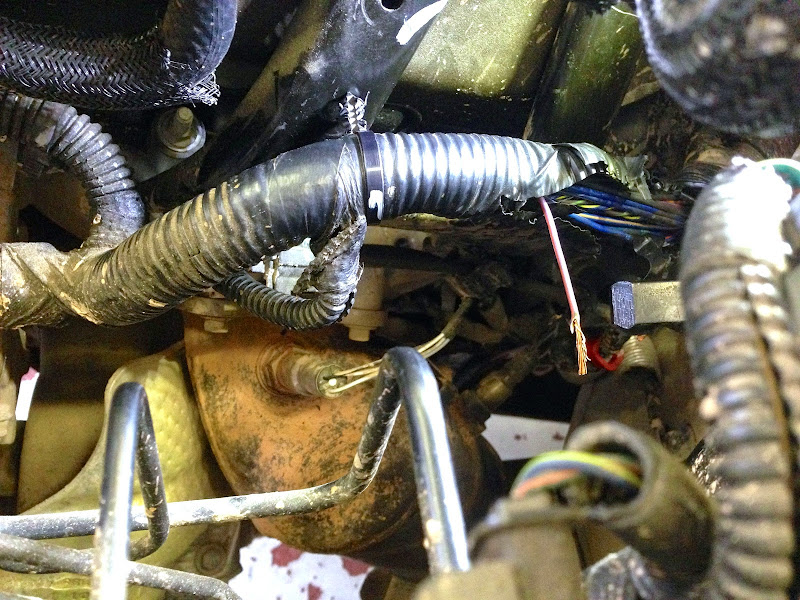
Wires and connectors link the sensor to the PCM. These parts face heat, vibration, and corrosion. Damaged wires or loose connectors cause signal errors. Inspecting and repairing wiring can restore proper communication. Secure connections prevent future issues.
Low Coolant Levels And Air Pockets
Coolant surrounds the sensor to help it measure temperature accurately. Low coolant levels or trapped air reduce contact with the sensor. This creates false temperature readings and triggers the P0118 code. Checking coolant levels and bleeding air pockets solves this issue.
Inspecting Wiring And Connectors
Inspecting the wiring and connectors of the Jeep P0118 code is crucial for accurate diagnosis. Faulty wiring or loose connectors often cause the sensor to send wrong signals. Careful examination prevents unnecessary replacement of parts.
Start by locating the exact position of the Engine Coolant Temperature (ECT) sensor. This helps in tracking the wiring and connectors effectively. Pay close attention to the condition of the wires and connectors to ensure they work properly.
Locating The Ect Sensor
The ECT sensor is usually near the thermostat housing on the intake manifold. It has a small electrical connector with one or two wires attached. Identifying this spot makes it easier to check the wiring without confusion.
Checking For Damage And Corrosion
Look closely at the wires for any cuts, frays, or burns. Corrosion on the connectors can block signals and cause errors. Use a flashlight to spot hidden damage inside the connector housing. Damaged wires or corroded contacts need immediate attention.
Ensuring Secure Connections
Make sure the connector is fully seated on the sensor. A loose connection can cause intermittent faults. Check that the locking tab clicks into place firmly. Wiggle the connector slightly to confirm it stays tight and does not move freely.
Coolant Level And System Checks
Maintaining the right coolant level and ensuring the cooling system works properly are key to avoiding Jeep P0118 errors. Regular checks help prevent engine overheating and sensor issues. These steps keep your engine running smoothly and extend its life.
Verifying Coolant Amount
Open the hood and locate the coolant reservoir. Check the coolant level against the marks on the side. The coolant should be between the “MIN” and “MAX” lines. If low, add the correct type of coolant slowly. Never open the radiator cap when the engine is hot. This prevents burns and pressure release.
Identifying Leaks
Look under your Jeep for any puddles or wet spots. Check hoses and connections for cracks or loose clamps. Inspect the radiator and water pump for signs of leakage. A sweet smell or visible fluid often indicates a coolant leak. Fix leaks immediately to stop coolant loss and engine damage.
Removing Air From The Cooling System
Air trapped in the cooling system causes poor sensor readings and overheating. To remove air, use the bleed valve if your Jeep has one. Run the engine with the radiator cap off and heater on high. Watch for bubbles escaping from the reservoir. When bubbles stop, close the valve and replace the cap. This keeps the coolant flowing properly.
Replacing The Coolant Temperature Sensor
Replacing the coolant temperature sensor in your Jeep is a task you can handle at home. This sensor helps the engine control module monitor engine temperature. A faulty sensor can cause rough starts and poor fuel economy. Swapping it out restores proper engine function and clears the P0118 error code.
Tools And Parts Needed
- New coolant temperature sensor compatible with your Jeep model
- Socket wrench set
- Flathead screwdriver
- Coolant drain pan
- Gloves and safety glasses
- Rags or paper towels
- Coolant for topping off
Step-by-step Sensor Replacement
- Make sure the engine is cool before starting work.
- Locate the coolant temperature sensor near the thermostat housing.
- Place the drain pan under the radiator drain plug.
- Drain some coolant to lower the level below the sensor.
- Unplug the electrical connector from the old sensor.
- Use the socket wrench to remove the sensor carefully.
- Install the new sensor and tighten securely.
- Reconnect the electrical connector to the new sensor.
- Refill the coolant to the proper level.
- Check for leaks and clean any spilled fluid.
Resetting The Error Code
After replacing the sensor, the error code may stay in the system. You need to clear it to turn off the check engine light. Use an OBD-II scanner to reset the code. Connect the scanner to your Jeep’s port, follow the instructions, and erase the P0118 code. Start the engine and verify the light is off. This confirms the sensor replacement was successful.
Testing And Diagnostics
Testing and diagnostics play a key role in fixing the Jeep P0118 error. This error points to a problem with the Engine Coolant Temperature (ECT) sensor. Accurate testing helps find the root cause quickly. Proper tools and methods ensure precise results. This section covers how to test the sensor and confirm repairs.
Using A Multimeter For Sensor Testing
A multimeter measures electrical values in the ECT sensor. Set it to read resistance or voltage. Disconnect the sensor from the wiring harness. Connect the multimeter probes to the sensor terminals. Check the resistance against the manufacturer’s specs. Values out of range indicate a faulty sensor. Also, test the wiring for breaks or shorts. This step helps spot wiring problems early.
Reading Temperature Data
Scan tools show live data from the ECT sensor. Connect the scan tool to the vehicle’s OBD-II port. Turn the ignition on without starting the engine. Observe the temperature reading on the scan tool screen. The value should match the engine’s actual temperature. A reading that is too high or too low signals sensor issues. This data guides the diagnostic process.
Confirming Repair Success
After replacing or fixing the sensor, clear error codes with a scan tool. Run the engine and monitor temperature readings again. The Check Engine Light should stay off if the repair is good. Take the vehicle for a short drive to check sensor performance. Consistent and accurate readings confirm the repair success. Proper confirmation avoids repeat issues later.
Preventive Maintenance Tips
Preventive maintenance helps avoid Jeep P0118 error codes and engine troubles. Keeping your cooling system in top shape improves engine life. Small, regular care steps stop costly repairs later.
Regular Coolant Flushes
Flush the coolant system every 30,000 miles or as recommended. Old coolant loses its ability to control temperature well. Fresh coolant prevents rust and buildup inside the engine. This keeps the Engine Coolant Temperature (ECT) sensor working properly.
Inspecting Wiring Harness Periodically
Check the wiring harness near the ECT sensor regularly. Heat and vibration can damage or wear the wires. Look for cracks, frays, or loose connectors. Fixing wiring issues early prevents false sensor signals and error codes. Keep connections clean and secure.
Using Quality Replacement Parts
Choose OEM or high-quality parts for any sensor or wiring replacements. Cheap parts may fail quickly and cause more problems. Reliable parts ensure accurate sensor readings. This helps your Jeep run smoothly and avoids P0118 errors.
Resources For Jeep Owners
Jeep owners often seek reliable resources to maintain and repair their vehicles. Finding the right information can save time and money. Several platforms provide valuable guidance for dealing with issues like the Jeep P0118 code. These resources offer practical advice and step-by-step help for Jeep maintenance and troubleshooting.
Jeep Enthusiast Forums
Online forums bring together Jeep fans and experts. Members share their experiences and solutions for various problems. You can find discussions specifically about the P0118 error code. These forums often include detailed fixes and tips for your Jeep model. Asking questions here connects you with a helpful community.
Official Mopar Service Guides
Mopar provides official service manuals for Jeep vehicles. These guides cover detailed repair instructions and parts information. Using Mopar manuals ensures you follow manufacturer-recommended procedures. They explain how to diagnose and fix sensor issues like the P0118 code. Accessing these guides gives you trusted, accurate information.
Helpful Youtube Tutorials
YouTube hosts many videos showing Jeep repairs and maintenance. Visual tutorials make complex tasks easier to understand. You can watch step-by-step instructions to replace or test the coolant temperature sensor. These videos often show tools and techniques for working on your Jeep. Watching tutorials helps you complete repairs with confidence.
Frequently Asked Questions
How Do I Fix Error Code P0118?
To fix error code P0118, inspect and secure the coolant temperature sensor wiring. Check coolant levels and refill if low. Replace the faulty sensor if necessary. Clear the code with a scanner and test drive to confirm the fix.
How Do I Reset My Temperature Sensor?
To reset your temperature sensor, disconnect the battery for 10 minutes. Reconnect it and restart your vehicle. Check for error codes and clear them using an OBD-II scanner if needed. Ensure the sensor and wiring are intact before resetting.
What Sensors Can Trigger A P0118 Code?
The P0118 code is triggered by the Engine Coolant Temperature (ECT) sensor. Wiring issues or connector problems can also cause this code.
How Serious Is The P0118 Code?
The P0118 code signals a high voltage from the coolant temperature sensor. It can cause poor fuel economy and engine performance issues. Prompt diagnosis prevents overheating and costly repairs.
Conclusion
The Jeep P0118 code signals a problem with the engine coolant temperature sensor. Fixing it can improve your Jeep’s performance and fuel efficiency. Check the sensor, wiring, and coolant level first. Simple steps often solve the issue. For complex problems, seek help from a professional or Jeep forums.
Keeping this sensor working well helps your engine run smoothly and saves you money in the long run.