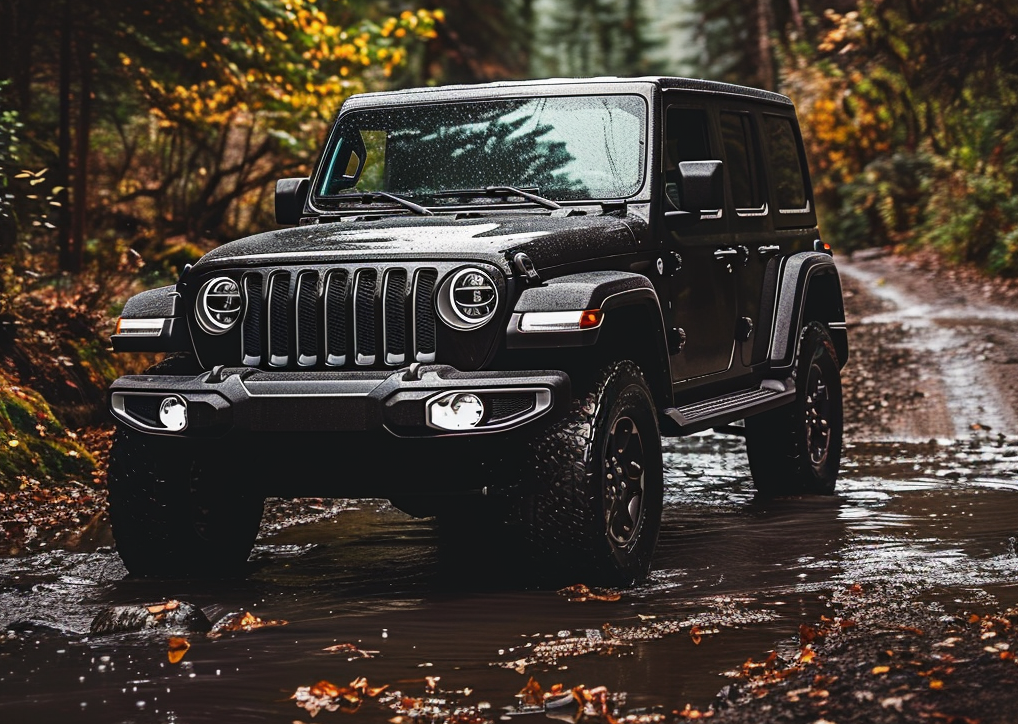
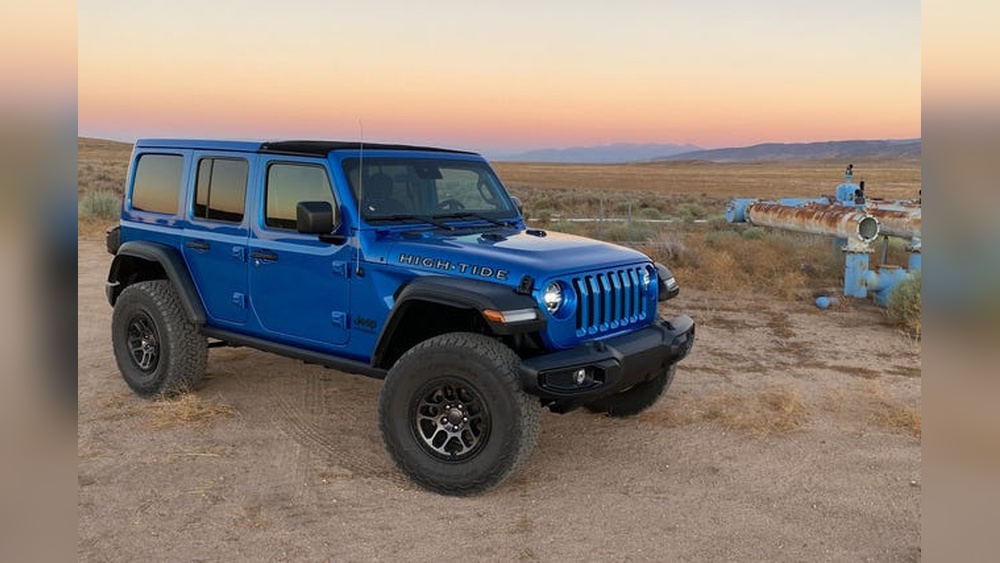
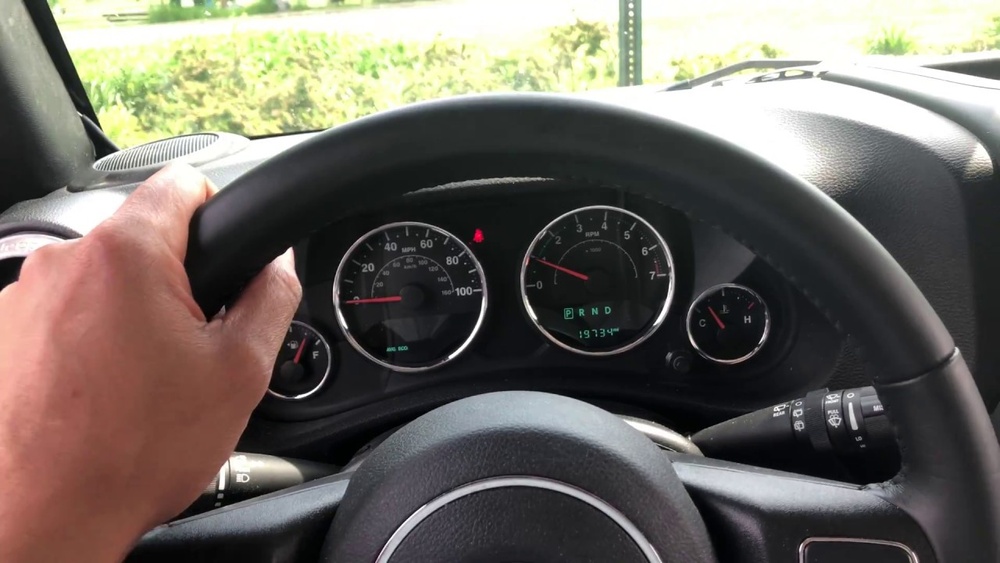
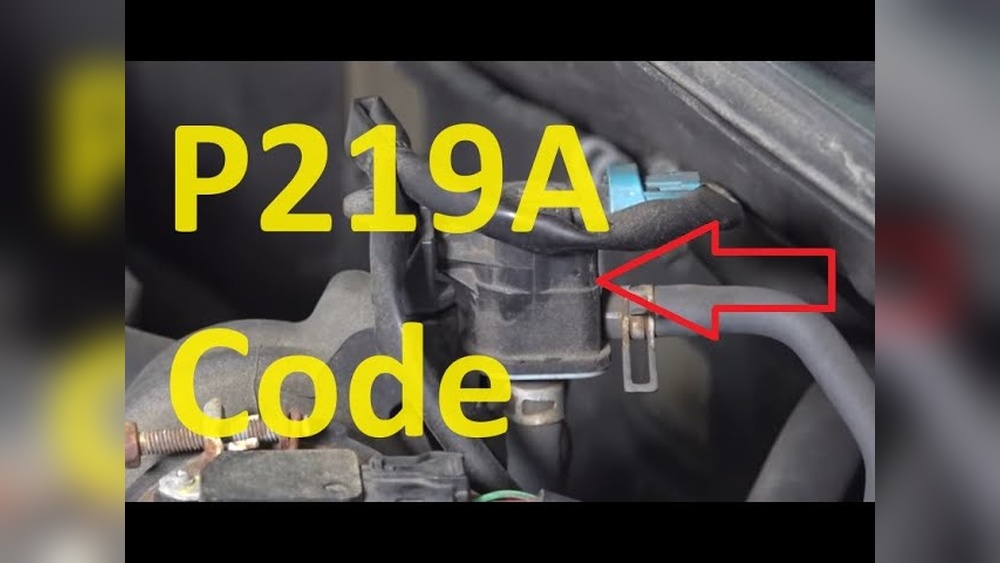
Owning a Jeep Wrangler is a dream for many. Its rugged look, off-road ability, and strong brand make it popular. But before you jump in, you might wonder: Are Jeep Wranglers expensive to maintain? Let’s break down the real costs, common repairs, and how Wranglers compare to other SUVs.
How Much Does Jeep Wrangler Maintenance Cost?
The average annual maintenance cost for a Jeep Wrangler is about $694, according to data from RepairPal. This is a bit higher than the average for midsize SUVs, which sits around $521 per year. These costs include oil changes, brake pads, tire rotations, and other regular services.
Here’s a quick comparison of maintenance costs for popular SUVs:

| Model | Average Annual Maintenance ($) |
|---|---|
| Jeep Wrangler | 694 |
| Honda CR-V | 407 |
| Toyota RAV4 | 429 |
| Ford Explorer | 732 |
Wranglers are more expensive than most Japanese SUVs, but not the most costly in their class. Still, the difference is noticeable.
Common Jeep Wrangler Repairs And Costs
Some repairs are typical for Jeep Wranglers. Knowing these can help you prepare for ownership.
- Brakes: Pads and rotors often wear out faster, especially with off-road use. Expect to pay $300–$700 per job.
- Suspension: Ball joints, bushings, and shocks may need replacement after heavy use. Costs range from $350–$900.
- Transmission: Older Wranglers sometimes have transmission issues. Repairs can cost $1,000–$3,000.
- Electrical Problems: Sensors and wiring issues are common. Repairs usually cost $150–$400.
- Rust and Body Repairs: Wranglers used in tough conditions may develop rust. Body work can reach $500–$2,000.
You may not face all these problems, but Wranglers are built for hard use, so some repairs are more likely.
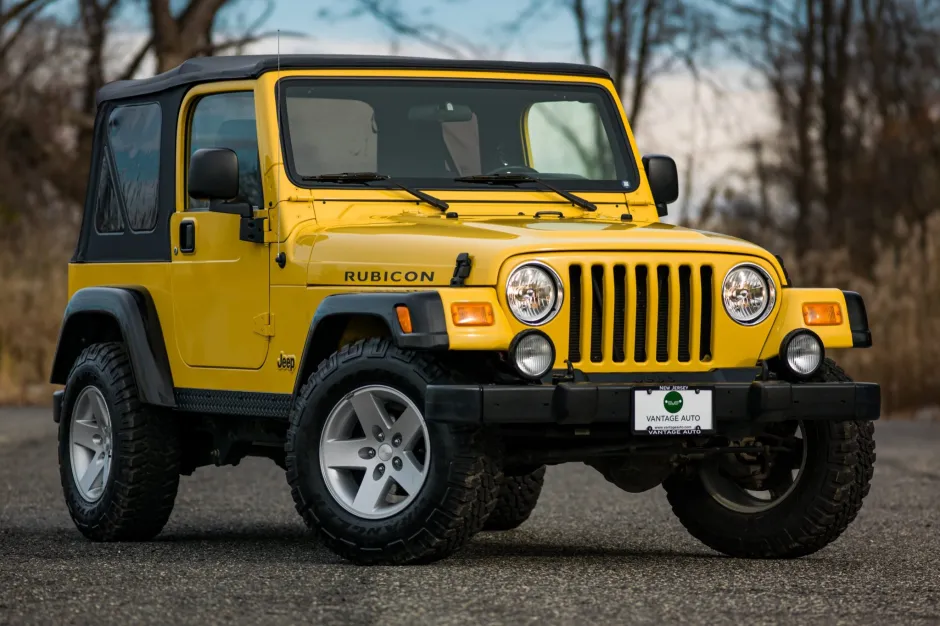
Why Are Jeep Wranglers More Expensive To Maintain?
Several factors make Jeep Wrangler maintenance higher than average.
- Off-road design: Wranglers are made for rough terrain, which puts more stress on parts.
- Unique parts: Some Wrangler parts are special and cost more than standard SUV parts.
- Labor costs: Repairs can be tricky, so labor is sometimes higher.
- Frequent upgrades: Owners often add lifts, bigger tires, and accessories, which can affect wear.
Here’s a look at how Wrangler parts compare to regular SUV parts:
| Part | Wrangler Cost ($) | Common SUV Cost ($) |
|---|---|---|
| Brake Pads | 120–180 | 80–120 |
| Shock Absorbers | 180–250 | 120–170 |
| Alternator | 410–600 | 250–400 |
Parts for Wranglers are often more expensive, especially those designed for off-road durability.
Can You Lower Wrangler Maintenance Costs?
Many Wrangler owners manage costs with a few smart moves:
- Do basic maintenance yourself: Oil changes, air filters, and tire rotations are simple.
- Buy quality parts: Cheap parts wear out faster and cost more in the long run.
- Avoid extreme off-roading: Heavy use increases repairs. Limit tough trails if you want lower costs.
- Regular inspections: Catch problems early to avoid big repair bills.
A non-obvious tip: Wranglers hold their value well. Even with higher maintenance costs, resale prices are strong. This helps offset expenses over time.

Jeep Wrangler Vs Other Suvs: Reliability And Long-term Costs
Wranglers are known for durability, but they are not the most reliable in their class. Consumer Reports gives Wranglers below-average reliability scores, mostly due to electrical and body issues.
Here’s a quick data table on reliability ratings:
| Model | Reliability Score (out of 5) | 10-Year Repair Cost ($) |
|---|---|---|
| Jeep Wrangler | 2.5 | 7,500 |
| Honda CR-V | 4.5 | 4,800 |
| Toyota RAV4 | 4.7 | 4,600 |
| Ford Explorer | 3.0 | 8,200 |
Wranglers are not the worst, but they cost more to keep running compared to Japanese SUVs. If you want a vehicle for tough terrain, the extra cost may be worth it. But for city driving, cheaper SUVs make more sense.
Non-obvious Insights About Wrangler Ownership
Many first-time buyers overlook these points:
- Insurance is higher: Because Wranglers are often used off-road, insurance costs can be more than regular SUVs.
- Aftermarket parts change maintenance: Adding lifts or big tires increases stress and repair frequency. Choose upgrades wisely.
Some owners find that joining Jeep forums or clubs helps them save money. Members often share repair tips and trusted mechanics.
Is A Jeep Wrangler Worth The Maintenance Costs?
If you love adventure, value resale, and enjoy DIY repairs, the Jeep Wrangler is a good choice. For daily city driving, you might find maintenance frustrating and expensive. Wranglers are built for fun and tough conditions. With smart care, you can keep costs in check, but be ready for higher bills than average SUVs.
Frequently Asked Questions
How Often Do Jeep Wranglers Need Servicing?
Most Wranglers need basic service every 5,000 miles. This includes oil changes, tire rotation, and checking fluids. More complex service may be needed yearly.
Are Jeep Wranglers Reliable For Daily Use?
Wranglers are reliable for basic driving, but electrical and body issues are common. They are best for mixed use, not just city driving.
Does Off-roading Increase Repair Costs?
Yes, off-roading puts more stress on parts. Expect more frequent repairs and higher bills if you use your Wrangler on tough trails.
Can I Do Jeep Wrangler Maintenance Myself?
Many basic tasks like oil changes and air filter replacement can be done at home. Some repairs, like transmission or suspension, require a mechanic.
Where Can I Find More Jeep Wrangler Maintenance Data?
You can find detailed maintenance and repair data at Consumer Reports for up-to-date information.
Owning a Jeep Wrangler is not cheap, but for many, the adventure and resale value make it worth the cost. If you plan ahead and use smart tips, you can handle the higher maintenance and enjoy the ride.