If you’ve seen the P0152 code pop up on your Jeep Wrangler’s dashboard, you’re probably wondering what it means and how it affects your ride. This code points to a problem with your oxygen sensor, a small but vital part that helps your engine run smoothly and efficiently.
Ignoring it could lead to poor fuel economy, rough idling, or even bigger engine issues down the road. You’ll learn exactly what causes the P0152 code, how to spot the symptoms, and what steps you can take to fix it quickly.
Keep reading to get your Jeep back to peak performance without the guesswork.
P0152 Code Causes
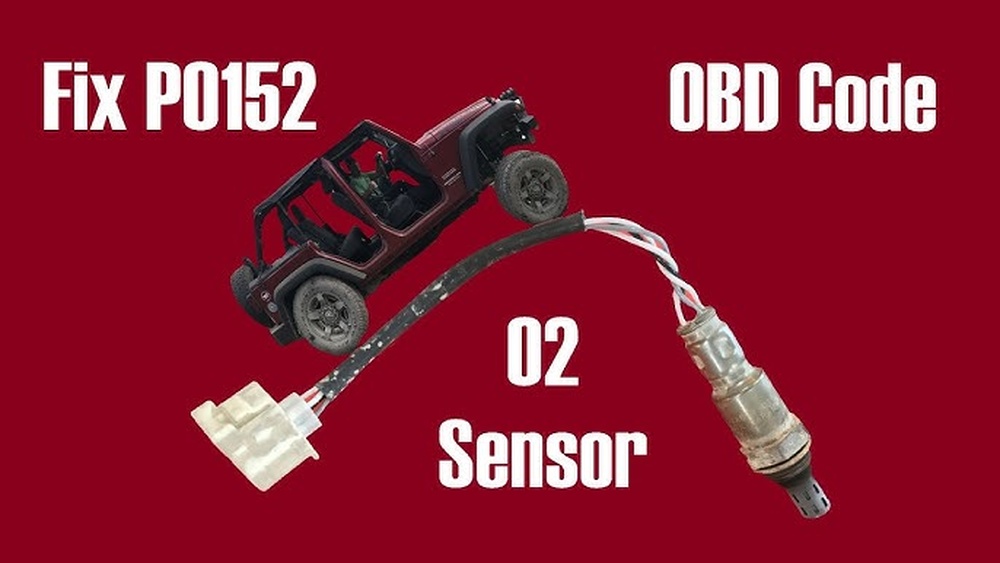
The P0152 code on a Jeep Wrangler signals a problem with the oxygen sensor circuit. This code points to an abnormal voltage reading from the sensor. The causes usually relate to sensor issues or fuel mixture problems. Understanding these causes helps in quick and accurate repairs.
Faulty Oxygen Sensor
The most common cause of the P0152 code is a faulty oxygen sensor. The sensor may fail due to age or contamination. Dirt and debris can coat the sensor, affecting its readings. A damaged sensor cannot send correct signals to the engine control module. This leads to incorrect fuel adjustments and engine problems.
Wiring Problems
Wiring issues often cause the P0152 code. Wires may become corroded or broken over time. A short circuit or open connection can disrupt sensor signals. Poor wiring connections may cause voltage spikes or drops. Checking the wiring harness and connectors can reveal these faults.
Rich Fuel Mixture
A rich fuel mixture means too much fuel and not enough oxygen in the exhaust. This condition affects the oxygen sensor’s voltage readings. Excess fuel can damage the sensor and trigger the P0152 code. Fuel system problems, like a leaking injector, often cause this rich mixture. Fixing the fuel delivery restores proper sensor function.

Common Symptoms
The P0152 code in a Jeep Wrangler points to issues with the oxygen sensor circuit. Recognizing symptoms helps identify this problem early. These signs affect your vehicle’s performance and fuel efficiency.
Watch for clear signals from your engine. Some symptoms show up during driving. Others may appear as warning lights on your dashboard.
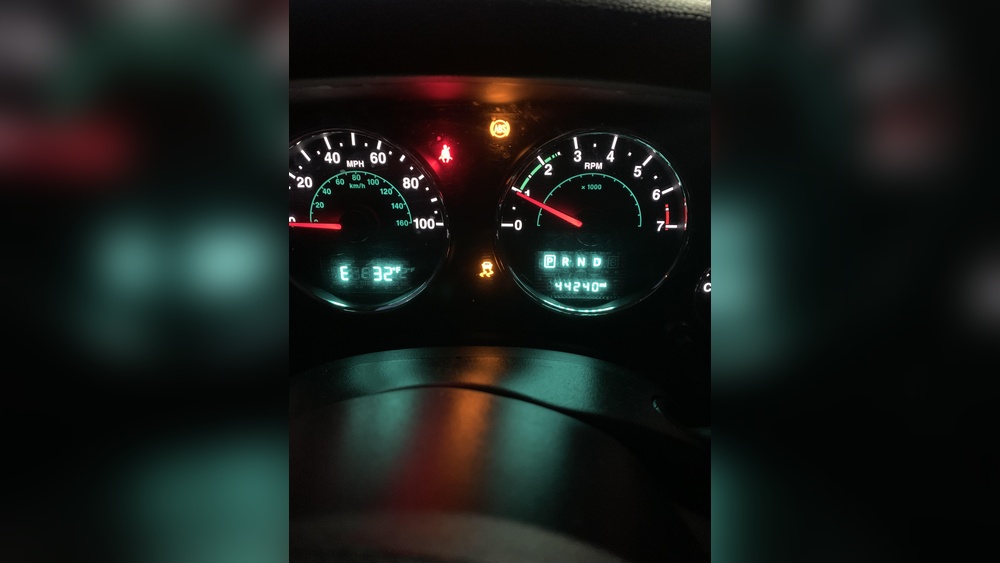
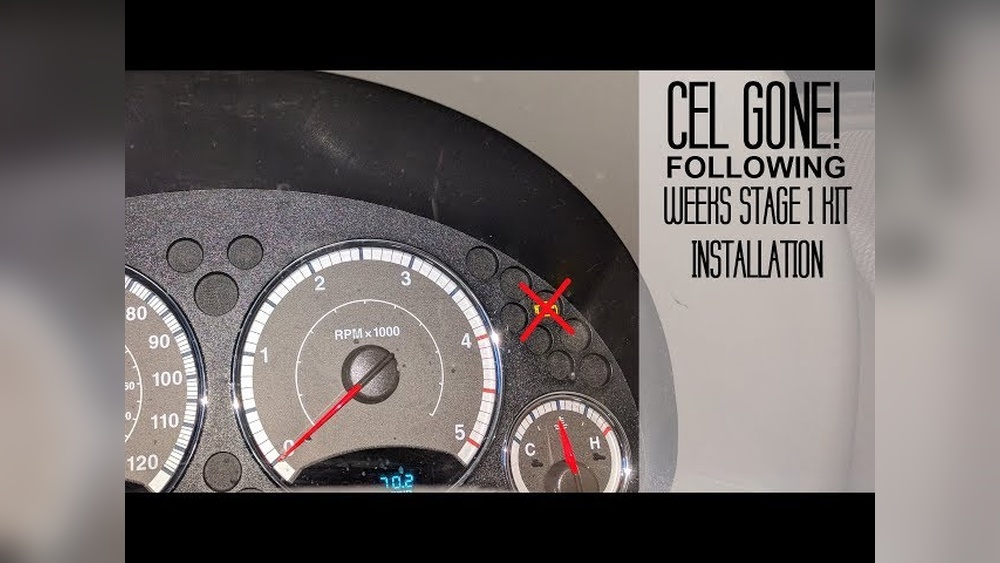
Check Engine Light
The most common sign is the Check Engine Light turning on. It glows due to a detected fault in the oxygen sensor circuit. This warning indicates a need for immediate attention to avoid further damage.
Engine Roughness
The engine may run unevenly or feel rough. This happens because the sensor sends wrong data to the engine control unit. The result is poor combustion and unstable engine operation.
Hesitation During Acceleration
Your Jeep might hesitate or jerk when accelerating. Faulty sensor readings affect fuel delivery and timing. This leads to slow responses or stalling during speed increases.
Diagnosing The Issue
Diagnosing the P0152 code on a Jeep Wrangler requires careful checks. This code points to a problem with the oxygen sensor circuit. The sensor may be sending a high voltage signal or not working correctly. Proper diagnosis can save time and money by avoiding unnecessary parts replacement. Start with basic inspections and tests to find the root cause.
Check For Exhaust Leaks
Exhaust leaks can affect oxygen sensor readings. Inspect the exhaust manifold and pipes for cracks or holes. Pay special attention to areas near the driver’s side sensor. Even small leaks can cause false sensor signals. Seal any leaks found before moving to the next step.
Inspect Oxygen Sensor Wiring
Wiring issues often trigger the P0152 code. Look for damaged, corroded, or loose wires around the sensor. Check connectors for dirt or moisture. Wiring shorts or breaks can mimic sensor failure. Repair or replace faulty wiring to restore proper sensor function.
Test Sensor Voltage
Measure the oxygen sensor voltage with a multimeter. The sensor should produce a fluctuating voltage between 0.1 and 0.9 volts. A constant high voltage reading suggests a problem. Compare readings to the manufacturer’s specifications. Replace the sensor if it fails the voltage test.
Quick Fixes
Fixing the P0152 code in a Jeep Wrangler does not always mean a big repair. Some quick fixes can solve the issue fast. These fixes focus on the oxygen sensor and related parts. Simple steps help get the Jeep back on the road.
Replace Faulty Oxygen Sensor
The oxygen sensor is often the main cause of the P0152 code. It measures oxygen in the exhaust gas. A bad sensor sends wrong signals to the engine control unit. This causes poor engine performance and higher emissions.
Replacing the faulty oxygen sensor is a direct fix. Use a sensor made for the Jeep Wrangler model. This ensures proper fit and function. After replacement, clear the error codes with a scanner. This resets the system and stops the warning light.
Repair Or Replace Wiring
Wiring problems can cause false P0152 codes. Wires may break, corrode, or short circuit. Check the wiring harness near the oxygen sensor. Look for cracks, rust, or loose connections.
Repair damaged wires by cutting out bad parts. Use new wire and connectors made for automotive use. If wires are too damaged, replace the whole harness. This prevents future errors and keeps signals clear.
Address Fuel System Problems
Fuel system issues can also trigger the P0152 code. Too much fuel makes the exhaust rich in fuel and low in oxygen. This confuses the oxygen sensor.
Check the fuel injectors for leaks or clogs. Clean or replace any faulty parts. Inspect the fuel pressure regulator and fuel pump. Fixing these parts balances the fuel and air mix. This stops the sensor from sending error signals.
Preventive Maintenance Tips
Preventive maintenance is key to avoiding the P0152 code on your Jeep Wrangler. This code often points to problems with the oxygen sensor or its circuit. Regular care helps keep these parts working well. It also prevents costly repairs and keeps your Jeep running smoothly. Below are simple tips to maintain your vehicle and reduce sensor issues.
Regular Sensor Inspections
Check your oxygen sensors regularly for dirt and damage. Sensors in poor condition can cause wrong readings. Use a scanner to monitor sensor performance. Replace sensors that show wear or faults. This keeps your engine running efficiently and lowers emissions.
Keeping Wiring Clean And Secure
Inspect wiring connected to sensors for corrosion or breaks. Clean dirty connectors with proper electrical cleaner. Make sure wires are tight and not rubbing against sharp edges. Loose or damaged wiring can cause false sensor signals. Secure wiring helps maintain a strong sensor connection.
Fuel System Tune-ups
Keep your fuel system in good shape to avoid rich fuel mixtures. Replace fuel filters and clean fuel injectors regularly. A well-maintained fuel system supports proper oxygen sensor function. This reduces the chance of the P0152 code appearing. Tune-ups improve engine performance and fuel economy.
Frequently Asked Questions
What Can Cause A P0152 Code?
A P0152 code can result from a faulty oxygen sensor, damaged wiring, or a rich fuel mixture causing high voltage.
Where Is The Oxygen Sensor Bank 2 Sensor 2 Located?
The oxygen sensor bank 2 sensor 2 is located on the exhaust system, after the catalytic converter on the passenger side. It monitors emissions and ensures proper catalytic converter function.
How To Fix Fault Code 157?
To fix fault code 157, check and replace the faulty oxygen sensor. Inspect wiring for damage or corrosion. Repair exhaust leaks. Clear the code and test drive to confirm the issue is resolved.
How Do You Fix The P0155 Code?
To fix the P0155 code, inspect and replace the faulty oxygen sensor. Check and repair damaged wiring or connectors. Ensure no exhaust leaks exist. Clear the code after repairs and test drive to confirm the issue is resolved.
Conclusion
The P0152 code in your Jeep Wrangler points to an oxygen sensor problem. This issue can cause poor engine performance and higher emissions. Checking the sensor and wiring helps find the root cause. Fixing leaks and replacing faulty parts restores smooth driving.
Regular maintenance prevents this code from returning. Stay alert to warning signs and address them quickly. A healthy Jeep runs better and lasts longer. Keep your Wrangler in top shape by acting on these tips.