You’re driving your Jeep Wrangler, enjoying the ride, when suddenly the engine light flickers on. That little warning can instantly spike your anxiety—what’s wrong?
Is it serious? Can you keep driving? The truth is, the check engine light is your Jeep’s way of telling you something needs attention. But before you panic or rush to the mechanic, it helps to understand what this light means and how you can quickly identify the problem.
You’ll learn simple steps to check your Jeep Wrangler’s engine codes without expensive tools, discover common reasons why the light turns on, and find out what you should do first to protect your vehicle and your wallet. Keep reading—getting ahead of this issue can save you time, money, and stress.
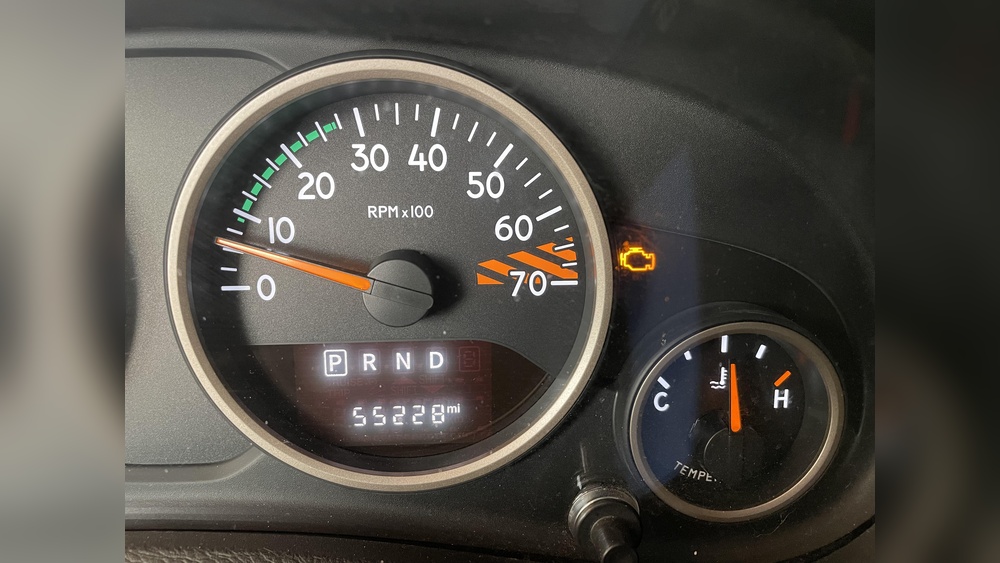
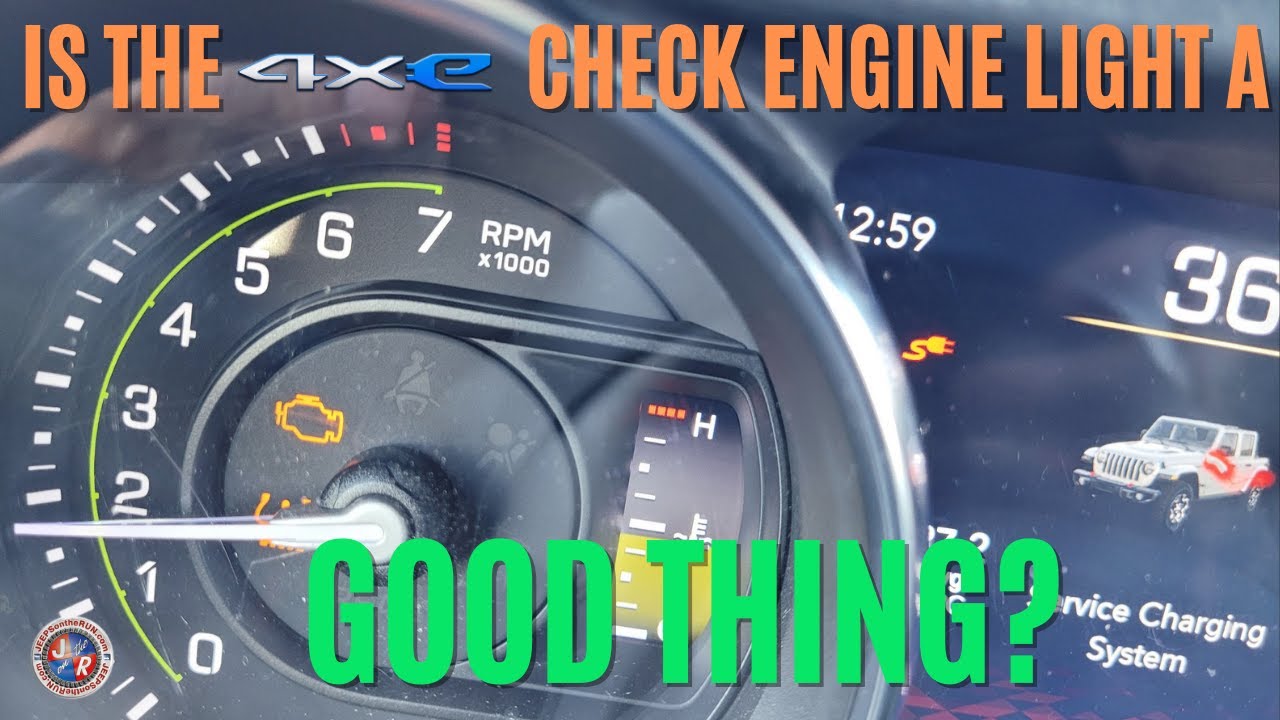
Why The Engine Light Comes On
Reading error codes on your Jeep Wrangler is possible without a scanner. This method helps you identify engine issues using your vehicle’s dashboard. It saves time and money by allowing quick diagnosis. Each Jeep model may have a slightly different process. Follow simple steps to access and understand the codes.
Using The Gauge Sweep Method
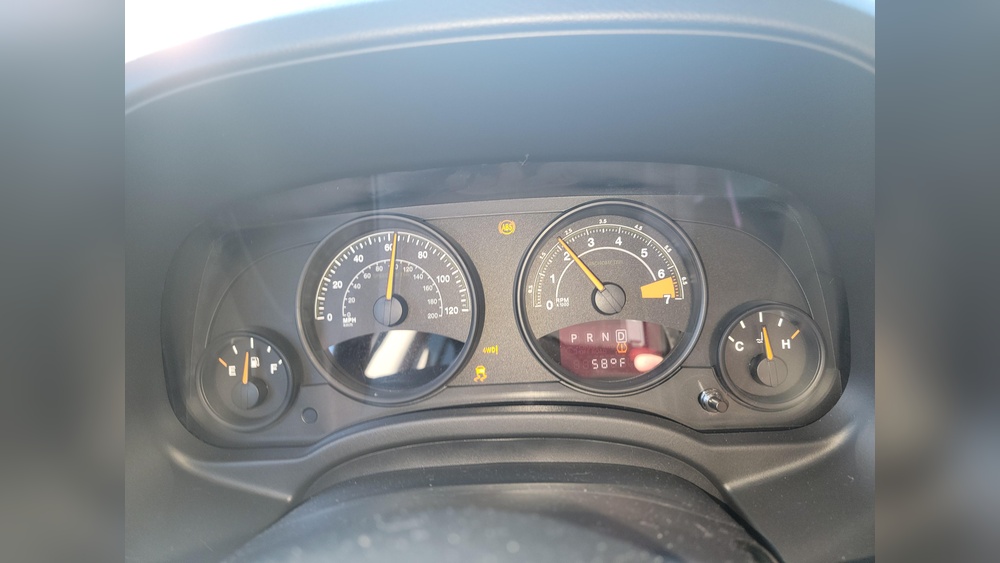
Insert your key into the ignition without starting the engine. Hold down the trip odometer reset button on the dashboard. Turn the key to the ON position while holding the button. Release the button once the gauges start moving. Watch the gauges sweep across the dashboard. The trouble codes will appear as numbers on the display. Note these numbers to decode the error later.
Key Cycling To Display Codes
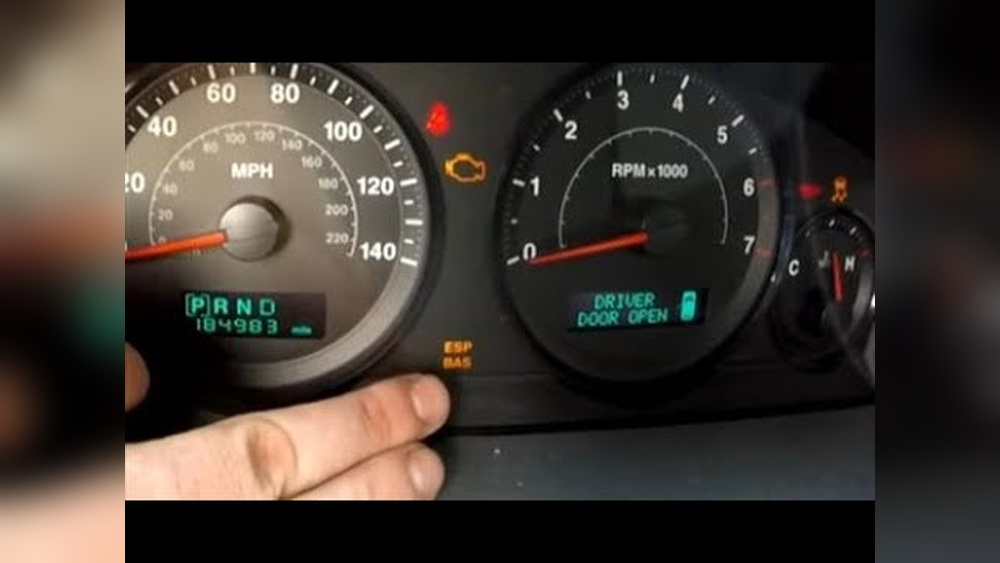
Turn the ignition key to the ON position without starting the engine. Then switch it OFF and repeat this cycle three times. End with the key in the ON position. The dashboard will flash the error codes on the odometer screen. Each code consists of two or three digits. Write down the codes carefully for decoding.
Decoding The Dashboard Messages
The codes shown on your dashboard reveal the engine problem. Use your vehicle manual or online resources to understand each code. Common codes point to sensor failures or emissions issues. Knowing the meaning helps decide if you can fix it yourself. Some issues require professional repairs or scanner tools for deeper diagnosis.

Reading Error Codes Without A Scanner
Using an OBD-II scanner is a simple way to find out why the engine light is on in your Jeep Wrangler. The scanner connects to your vehicle’s computer and reads trouble codes stored inside. These codes help identify the issue causing the warning light.
This process saves time and money by letting you understand the problem before visiting a mechanic. Most OBD-II scanners are easy to use and give quick results.
Locating The Diagnostic Port
The diagnostic port on a Jeep Wrangler is usually under the dashboard. Look near the driver’s side, below the steering wheel. It is a small, trapezoid-shaped connector.
The port is easy to reach without tools. Plug your OBD-II scanner into this port to start reading codes.
How To Read Trouble Codes
Turn the ignition to the “on” position but do not start the engine. Power on your OBD-II scanner. Follow the scanner’s instructions to connect to your Jeep.
The scanner will communicate with your Jeep’s computer and display trouble codes. These codes appear as letters and numbers, such as P0300 or P0420.
Write down these codes. They point to specific issues that need attention.
Interpreting Common Jeep Codes
Some codes appear often on Jeep Wranglers. For example, code P0171 means the engine is running too lean, which may signal a vacuum leak or dirty air filter.
Code P0300 indicates a random misfire, which can cause rough engine performance. Code P0420 points to a problem with the catalytic converter.
Use online resources or your scanner’s guide to learn what each code means. This helps you decide if you can fix the problem or need professional help.
Quick Checks Before Repair
The engine light on your Jeep Wrangler can signal various issues. Some problems are simple and can be fixed at home. Others need expert attention. Knowing when to seek professional help protects your vehicle and your safety.
Understanding Complex Codes
Some engine codes are hard to understand without training. These codes may show problems with the engine, transmission, or emissions system. A professional mechanic uses special tools to read and interpret these codes. They know how to find the exact cause quickly. Trying to fix complex issues alone may cause more damage.
Finding A Trusted Jeep Mechanic
Choose a mechanic who knows Jeeps well. Look for certified technicians with good reviews. A trusted mechanic will explain the problem and the needed repairs clearly. They will use original parts and follow Jeep guidelines. This ensures your Wrangler stays reliable and safe on the road.
Repair Cost Expectations
Costs vary based on the problem’s severity. Simple fixes may cost less, while major repairs can be expensive. A mechanic will give an estimate before starting work. Ask about parts, labor, and warranty. Knowing costs upfront helps you plan and avoid surprises.

Frequently Asked Questions
What Can Cause A Check Engine Light To Come On In A Jeep Wrangler?
A check engine light in a Jeep Wrangler can be caused by a loose gas cap, faulty oxygen sensor, engine misfire, or low oil levels. It also signals issues like a snapped hose, bad catalytic converter, or sensor failures affecting emissions and performance.
Can I Drive My Jeep With The Engine Light On?
You can drive your Jeep with the engine light on, but only for short distances. Have the problem checked soon to avoid damage.
Can I Drive $1000 Miles With The Check Engine Light On?
Driving 1000 miles with the check engine light on risks worsening damage. Diagnose the issue immediately and avoid long trips until repaired.
What Does A Solid Check Engine Light Mean?
A solid check engine light means your vehicle’s computer detected an emissions or performance problem. Check codes promptly.
Conclusion
The engine light on your Jeep Wrangler warns of possible issues. Ignoring it can lead to bigger problems and costly repairs. Simple checks like oil level can sometimes solve the issue. Use the dashboard or a scanner to read the error codes.
Knowing the code helps you understand what needs fixing. Act quickly to keep your Jeep running smoothly and safely. Regular maintenance prevents most engine light alerts. Stay attentive and address the warning without delay. Your Jeep will thank you with better performance and reliability.