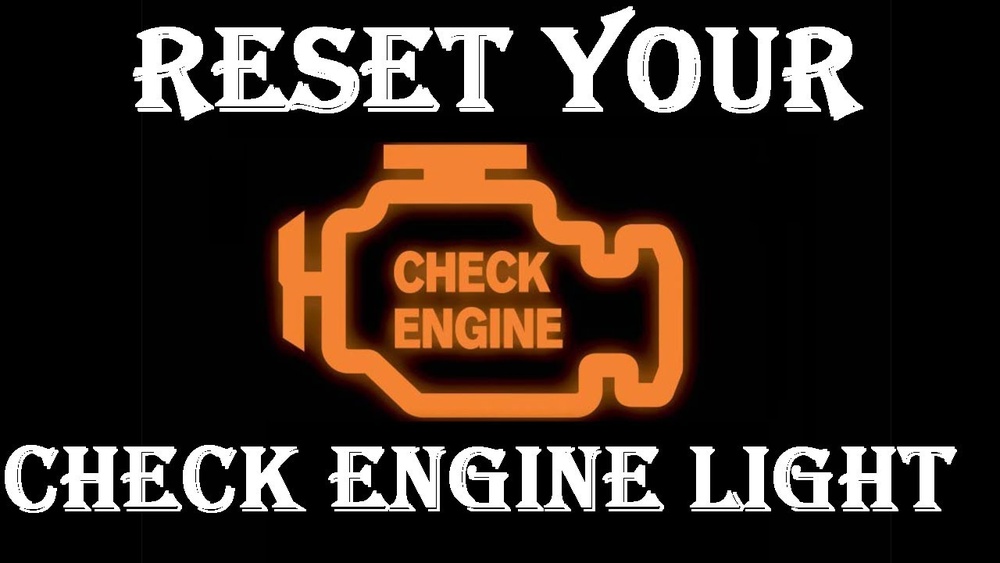
If the check engine light just popped on your Jeep Grand Cherokee’s dashboard, you might be feeling a mix of confusion and worry. What does it mean?
Is it safe to keep driving? And most importantly, how do you fix it? You’re not alone—this little warning light can signal anything from a simple loose gas cap to more serious engine troubles. You’ll discover exactly why your check engine light is on, how to quickly diagnose the issue, and what steps you should take next to protect your Jeep and your wallet.
Keep reading—understanding this warning could save you time, money, and stress.
Common Causes
Preventive maintenance plays a key role in keeping your Jeep Grand Cherokee running smoothly. It helps avoid the check engine light from turning on due to small issues. Regular care improves engine performance and extends vehicle life.
Simple maintenance tasks catch problems early. This reduces repair costs and keeps your Jeep reliable on Austin roads. Focus on key areas like engine tune-ups, fuel system cleaning, and watching for warning signs.
Regular Engine Tune-ups
Schedule engine tune-ups every 30,000 miles or as recommended. Tune-ups include checking spark plugs, ignition coils, and air filters. Replacing worn parts prevents engine misfires that trigger the check engine light. A well-tuned engine runs more efficiently and uses less fuel.
Fuel System Cleaning
Keep the fuel system clean to avoid performance issues. Dirt and deposits can clog fuel injectors or the catalytic converter. Cleaning the fuel system helps maintain proper fuel flow and combustion. This reduces engine strain and lowers the chance of warning lights.
Monitoring Warning Signs
Watch for unusual engine sounds, rough idling, or reduced power. These signs often appear before the check engine light turns on. Addressing problems early can stop damage to engine parts. Regularly check your dashboard and listen carefully to your Jeep.

Frequently Asked Questions
Why Would The Check Engine Light Come On A Jeep Grand Cherokee?
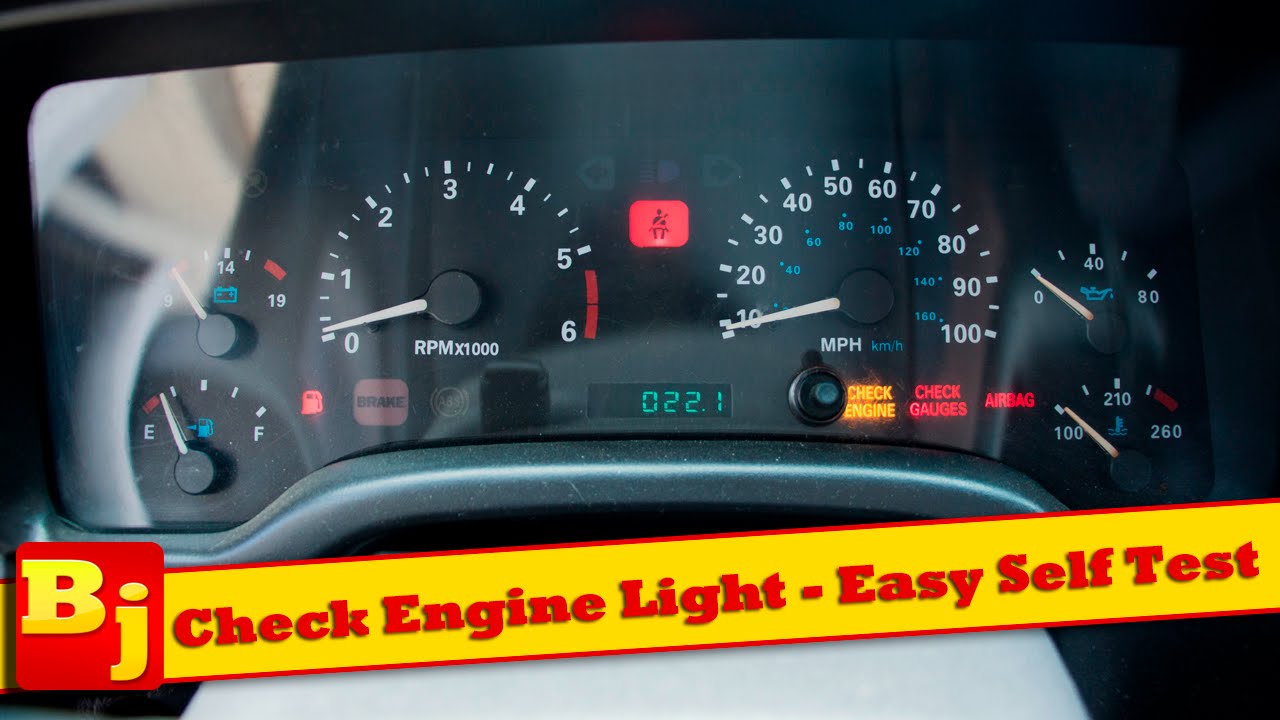
The check engine light on a Jeep Grand Cherokee signals engine, transmission, or emissions system issues. Common causes include faulty spark plugs, ignition coils, catalytic converter problems, or a loose gas cap. A flashing light warns of serious engine misfires requiring immediate attention.
What Is The First Thing To Check When The Check Engine Light Comes On?
First, check the gas cap to ensure it’s tight and clicks securely. A loose cap often triggers the light. Then, use an OBD-II scanner or visit an auto parts store to read diagnostic trouble codes. Address any flashing light immediately by stopping safely and seeking professional help.
Can I Drive My Jeep With The Engine Light On?
Driving your Jeep with the engine light on is possible but not recommended. A flashing light means serious engine issues; stop immediately. Check the gas cap or use an OBD-II scanner to diagnose. Ignoring the light can cause costly damage.
Seek professional help promptly.
Can Low Oil Cause A Check Engine Light?
Low oil can trigger the check engine light by causing engine overheating or sensor malfunctions. Check oil levels promptly.
Conclusion
The check engine light on your Jeep Grand Cherokee warns you about engine or emissions issues. Don’t ignore it, as small problems can grow costly. Start by checking the gas cap and scanning for error codes. Drive carefully, and if the light flashes, stop immediately and seek help.
Regular maintenance helps prevent these warnings. Stay alert to keep your Jeep running smoothly and safely.