If your Jeep Grand Cherokee’s engine light just came on, you’re probably wondering what it means and what you should do next. That little warning light is your vehicle’s way of telling you that something isn’t quite right under the hood.
Ignoring it could lead to costly repairs, but don’t panic just yet. You’ll learn the most common reasons why the engine light turns on, how to quickly check for simple fixes, and when it’s time to get professional help. Keep reading to take control of your Jeep’s health and avoid unexpected breakdowns.
Common Causes
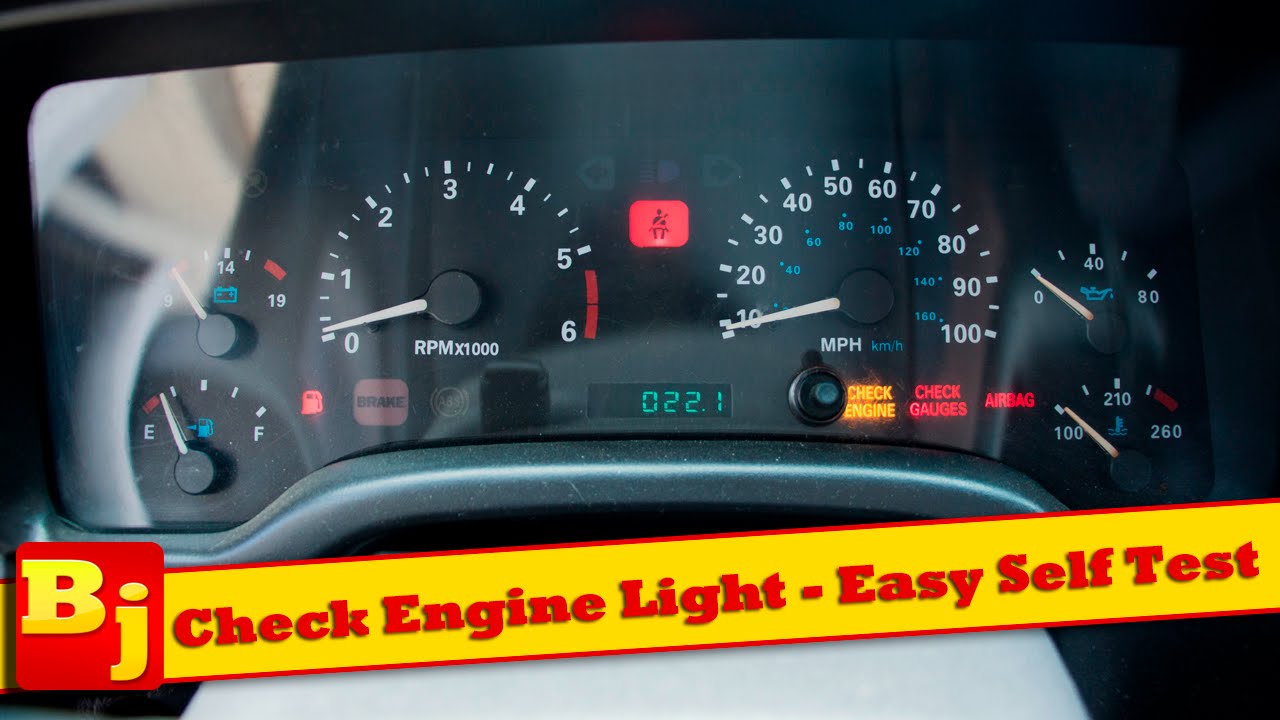
The check engine light in your Jeep Grand Cherokee signals a detected issue in the engine or emissions system. This warning helps prevent further damage by alerting you early. Understanding common causes can save time and money on repairs.
Many problems trigger the engine light. Some are simple to fix, while others need professional care. Identifying the cause helps you decide the next step.
Loose Gas Cap
A loose gas cap is a frequent reason for the engine light to come on. It can cause fuel vapors to leak, upsetting the emissions system. Tighten the cap until it clicks to solve this issue quickly.
Faulty Oxygen Sensor
The oxygen sensor checks exhaust gases to control fuel mix. A faulty sensor sends wrong data, causing poor fuel economy and higher emissions. Replacing this sensor often clears the light.
Catalytic Converter Issues
The catalytic converter reduces harmful exhaust gases. Problems here can trigger the engine light and affect engine performance. A damaged converter may need cleaning or replacement.
Worn Spark Plugs
Spark plugs ignite the fuel-air mix in the engine. Worn plugs cause misfires and rough running. Changing spark plugs restores smooth engine operation and turns off the light.
Mass Airflow Sensor Problems
The mass airflow sensor measures air entering the engine. Faults cause incorrect fuel delivery and poor performance. Cleaning or replacing this sensor often fixes the warning light issue.
Fuel Injection Malfunctions
Fuel injectors deliver fuel to the engine precisely. Malfunctions here lead to rough idling and poor acceleration. Repairing or replacing injectors can switch off the engine light.
Low Oil Levels
Low oil can cause engine damage and trigger the check engine light. Regularly check oil levels and refill as needed to protect the engine. This simple step can prevent costly repairs.
Quick Fixes
The engine light on your Jeep Grand Cherokee signals a detected problem. Some issues are simple fixes you can try quickly. These quick fixes often clear the light without needing a mechanic. They save time and money. Here are easy steps to address common causes.
Tighten Or Replace Gas Cap
A loose or damaged gas cap often triggers the engine light. Check the gas cap and tighten it until it clicks. If it looks worn or cracked, replace it with a new one. Drive for a few miles after tightening or replacing to see if the light goes off.
Replace Faulty Sensors
Faulty oxygen or mass airflow sensors can cause the engine light to turn on. These sensors monitor engine performance and emissions. Replace any sensor that shows error codes or poor readings. Replacing sensors improves fuel efficiency and reduces emissions.
Resetting The Engine Light
Resetting the engine light can clear false alarms after fixing the issue. Some Jeep models allow a reset by turning the ignition on and off several times. This resets the onboard computer. Make sure the problem is fixed before resetting to avoid repeated warnings.
Battery Disconnection Method
Disconnecting the battery can reset the engine light. Remove the negative battery cable and wait for 15 minutes. Reconnect the cable and start the Jeep. This clears the engine light memory. Use this method only if the cause of the light is fixed.
Using An Obd-ii Scanner
An OBD-II scanner reads and clears engine trouble codes. Plug the scanner into your Jeep’s diagnostic port. It shows specific codes causing the engine light. After repairs, use the scanner to clear the codes. This turns off the engine light safely and accurately.
Diagnostic Tools
The engine light on your Jeep Grand Cherokee signals a detected problem. Diagnostic tools help identify the exact issue quickly and accurately. These tools give you control and understanding of your vehicle’s health. They range from simple scanners to advanced professional services.
Obd-ii Scanners
OBD-II scanners connect to your Jeep’s diagnostic port. They read error codes stored by your vehicle’s computer. These codes point to engine, transmission, or emissions problems. Many affordable models display codes and their meanings. Some allow code clearing after repairs. Using an OBD-II scanner saves time and money on diagnostics.
Mobile Apps For Jeep Diagnostics
Mobile apps pair with Bluetooth OBD-II adapters. They provide real-time engine data on your phone. Apps show detailed code descriptions and repair tips. Some apps track vehicle performance over time. They offer a user-friendly way to monitor your Jeep’s condition. Mobile diagnostics bring convenience and instant insights anywhere.
Professional Diagnostic Services
Experts use advanced scanners to diagnose complex issues. They access deeper data not available to consumer tools. Professionals also perform physical inspections and tests. Their experience helps identify hidden or intermittent problems. A professional diagnosis ensures accurate repairs and peace of mind. This service works best for persistent or serious engine light warnings.
Diy Code Reading At Auto Parts Stores
Many auto parts stores offer free code reading. They use handheld OBD-II scanners to check your Jeep’s codes. Staff can explain what the codes mean in simple terms. This option is quick, easy, and cost-effective. It helps decide if you can fix the issue yourself or need professional help. DIY code reading is a great first step for engine light issues.
When To Seek Help
The check engine light on your Jeep Grand Cherokee is a signal from your vehicle. It tells you that something needs attention. Knowing when to seek help can save time and money. It also keeps your vehicle safe and reliable. Watch for signs that need professional care without delay.
Flashing Check Engine Light
A flashing check engine light means a serious problem. It often shows an engine misfire. Driving with this can harm the catalytic converter. Stop driving as soon as it is safe. Have your Jeep towed to a repair shop. Avoid further damage and costly repairs.
Persistent Warning After Fixes
If the light stays on after repairs, do not ignore it. The problem might not be fully fixed. Or a new issue could have started. Visit a mechanic to diagnose the fault codes again. Proper repairs help prevent bigger problems later.
Strange Noises Or Performance Issues
Unusual sounds or poor performance are warning signs. Listen for knocking, rattling, or hissing noises. Notice if your Jeep hesitates or loses power. These symptoms often link to engine or transmission faults. Seek expert help to avoid breakdowns.
Towing And Professional Repairs
Some engine problems need towing and professional repair. Use towing services if your Jeep is unsafe to drive. Certified technicians have the tools and skills to fix complex issues. Trust their work to restore your Jeep’s performance and safety.
Maintenance Tips
Proper maintenance helps keep the check engine light off. It ensures your Jeep Grand Cherokee runs smoothly. Simple tasks prevent engine issues that cause warning lights. Follow these easy steps to avoid costly repairs.
Regular Oil Checks
Check your engine oil level every month. Use the dipstick to see if oil is low or dirty. Change the oil and filter as recommended in your owner’s manual. Clean oil keeps engine parts lubricated and prevents damage.
Scheduled Spark Plug Replacement
Spark plugs ignite the fuel in your engine. Worn plugs cause misfires and trigger the check engine light. Replace spark plugs at intervals suggested by Jeep. New plugs improve fuel efficiency and engine performance.
Air Filter Cleaning
A dirty air filter blocks airflow to the engine. This causes poor fuel combustion and engine problems. Clean or replace the air filter every 12,000 to 15,000 miles. A clean filter helps your engine breathe better and run cleaner.
Fuel System Maintenance
Keep your fuel system clean to avoid engine faults. Use fuel additives occasionally to remove deposits in fuel injectors. Replace the fuel filter according to your maintenance schedule. Clean fuel systems reduce the chance of check engine light alerts.
Preventive Measures
Preventive measures help keep the check engine light off in your Jeep Grand Cherokee. Simple habits protect the engine and reduce faults. Staying alert to small details avoids costly repairs and keeps your vehicle running smoothly.
Regular care improves engine health and performance. Focus on these easy steps to prevent problems that trigger the engine light.
Keep Gas Cap Secure
A loose gas cap often causes the engine light to turn on. Make sure the cap clicks tight after refueling. This seals the fuel system and stops vapor leaks. Check the cap regularly for cracks or wear. Replace it if damaged to avoid fuel system errors.
Monitor Engine Performance
Watch for changes in your Jeep’s performance. Rough idling, poor acceleration, or strange noises signal possible engine issues. Address these signs early to stop bigger problems. Use diagnostic tools or visit a mechanic to check for trouble codes. Early detection helps prevent the check engine light from staying on.
Avoid Short Trips
Short trips prevent your engine from fully warming up. This can cause moisture buildup and fuel system issues. Longer drives allow the engine to reach optimal temperature and burn off deposits. Try to combine errands to reduce short trip frequency. This keeps the engine cleaner and lowers emission problems.
Use Quality Fuel
Fuel quality affects engine health and sensor function. Use fuel from trusted stations with good reviews. Low-quality fuel can cause deposits, misfires, and sensor errors. Choose the recommended octane level for your Jeep Grand Cherokee. Clean fuel helps maintain smooth engine operation and avoids triggering the engine light.

Frequently Asked Questions
Why Would My Check Engine Light Come On In My Jeep Grand Cherokee?
Your Jeep Grand Cherokee’s check engine light signals engine, transmission, or emissions system issues. Common causes include faulty oxygen sensors, loose gas caps, spark plug problems, or fuel system malfunctions. A flashing light indicates a serious problem needing immediate attention to avoid costly damage.
Can I Drive $1000 Miles With The Check Engine Light On?
Driving 1,000 miles with the check engine light on is risky. A flashing light means severe issues; stop immediately. A steady light may allow short trips but get a diagnostic soon. Ignoring it can cause costly engine damage. Always address check engine warnings promptly.
Can Low Oil Cause A Check Engine Light?
Low oil levels can trigger the check engine light by causing engine lubrication problems. This warning helps prevent severe engine damage.
Can Autozone Clear A Check Engine Light?
AutoZone can read and clear check engine light codes using their free OBD-II scanner service. Visit a local store to use this service.
Conclusion
The engine light on your Jeep Grand Cherokee signals a possible issue. Tighten the gas cap and check if the light turns off. Use a code reader or visit an auto parts store for free diagnostics. A flashing light means stop driving and get help immediately.
Regular checks can prevent costly repairs later. Stay alert and address the warning promptly to keep your Jeep running smoothly. Taking quick action helps protect your vehicle and your safety on the road.