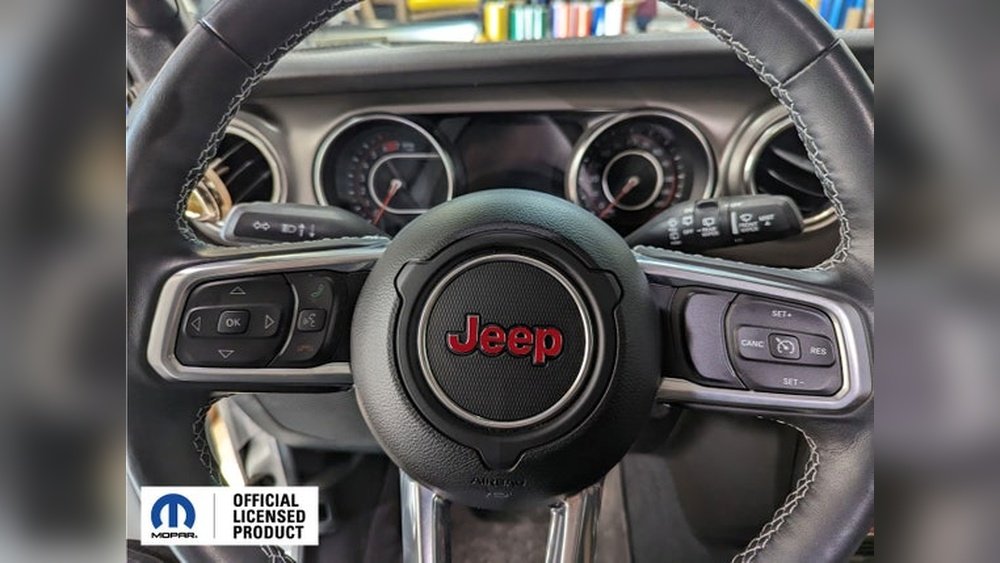
If you drive a Jeep Wrangler, you probably know it’s made for adventure. One of its unique features is the ability to switch between different drive modes, like 2H, 4H, and 4L. For many drivers, knowing when and how to use 4H (Four High) can be confusing. If you’re new to off-roading or just want to understand your Jeep better, this guide will help you switch to 4H confidently, avoid common mistakes, and get the most out of your vehicle.
What Is 4h In A Jeep Wrangler?
The 4H mode stands for “Four High.” When you use 4H, power goes to all four wheels. This helps when driving on snow, ice, gravel, or other low-traction roads. Unlike 4L (Four Low), 4H is for higher speeds and lighter off-road conditions.
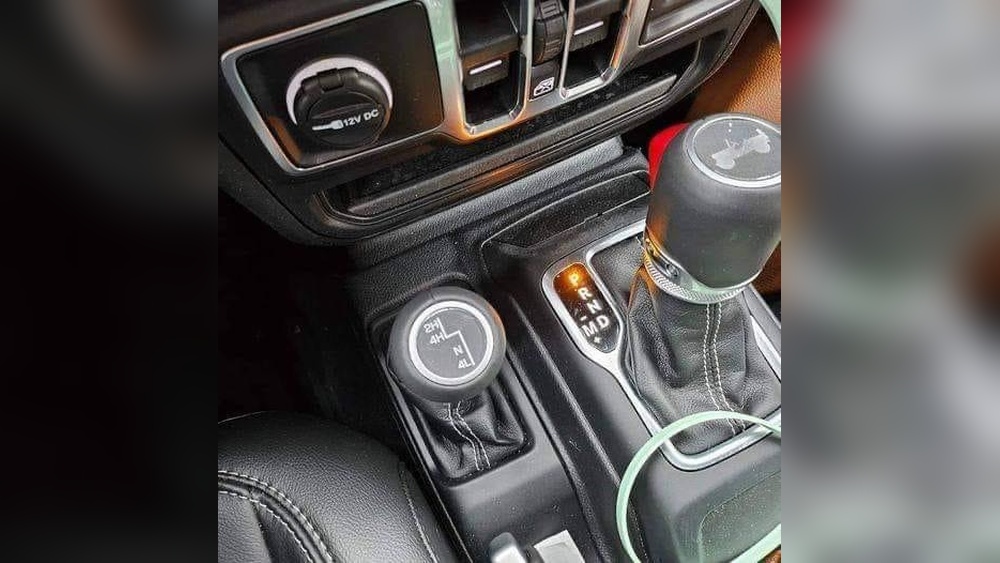
Most Wranglers have a lever or a switch near the main gear shifter. The exact method depends on your model year, but the basics are similar.
When Should You Use 4h?
Switching to 4H is not for everyday use. The main times you should use 4H include:
- Snowy or icy roads – 4H helps your Jeep grip slippery surfaces.
- Gravel or dirt roads – It keeps you stable and reduces wheel spin.
- Wet or muddy conditions – 4H helps you avoid getting stuck.
- Sand driving – Power to all wheels keeps you from sinking.
Do not use 4H on dry pavement. It can damage your drivetrain and tires.
How To Switch To 4h In A Jeep Wrangler
Switching to 4H is simple, but there are a few important steps. Here’s a step-by-step guide:
- Slow Down: Reduce your speed to below 55 mph (88 km/h). Most Wranglers allow you to shift to 4H “on the fly” (while moving), but slow speeds make it smoother.
- Move the Lever/Switch: With your Jeep in drive or neutral, pull the transfer case lever straight back from 2H to 4H. In models with a button or dial, turn or press to select 4H.
- Feel the Engagement: You may feel a slight “clunk” as the system engages. This is normal.
- Check the Dash Light: Look for the 4WD or 4H indicator on your dashboard. If it lights up, you’re in 4H.
- Drive Normally: You can now drive at higher speeds, but avoid sharp turns on grippy surfaces.
Here’s a quick comparison between the main drive modes:
| Mode | Best For | Speed Range | How to Switch |
|---|---|---|---|
| 2H | Normal roads | All speeds | While stopped or moving |
| 4H | Loose or slippery terrain | <55 mph | On the fly (slow speeds) |
| 4L | Steep hills, rocks | <25 mph | Stop, shift to neutral first |
Common Mistakes When Using 4h
Many Jeep owners make small errors that can lead to bigger problems. Here are some mistakes to avoid:
- Using 4H on dry pavement: This can cause drivetrain binding and wear out parts quickly.
- Switching at high speed: Always slow down before shifting to 4H.
- Not checking the indicator light: If the 4H light does not come on, the system may not be engaged.
- Forgetting to switch back to 2H: After you leave slippery roads, return to 2H to save fuel and reduce wear.

Tips For Smooth 4h Operation
To keep your Wrangler in top shape, follow these tips:
- Practice shifting in a safe area before you need it on the road.
- Listen for noises: Some sound is normal, but loud grinding means you should stop and check.
- Use 4H regularly: Run the system for a few minutes every month to keep it working smoothly.
- Read your owner’s manual: Each Jeep model may have special instructions.
Real-world Example: Switching To 4h On Snow
Imagine you are driving in a sudden snowstorm. The road is covered, and your Jeep starts to slide.
- You slow down to 30 mph.
- You pull the lever from 2H to 4H while moving in a straight line.
- The 4WD light comes on.
- Your Jeep feels more stable, and you continue driving safely.
This is a typical way 4H improves your control.

Key Differences: 4h Vs 4l
Many people confuse 4H and 4L. They serve different purposes:
| Feature | 4H | 4L |
|---|---|---|
| Speed | Up to 55 mph | Below 25 mph |
| Terrain | Snow, mud, sand | Steep hills, deep mud |
| Shifting | On the fly | Stop & shift to neutral |
Extra Insights Most Beginners Miss
- Tire pressure matters: Lower tire pressure can help traction in tough conditions, but don’t go too low or you risk a flat. Check your manual for safe limits.
- Turning radius changes: In 4H, your Jeep’s turning is tighter and may feel “grabby” on hard surfaces. This is normal but avoid tight turns unless necessary.
- Maintenance alert: If you hear repeated clicking or grinding after shifting, it could mean your transfer case needs service.
Wrapping Up
Switching to 4H in your Jeep Wrangler is simple once you know the steps. Use it only when needed, avoid common mistakes, and your Jeep will handle tough roads with ease. Remember, practice and understanding your model’s features are key to a safe drive.
For deeper technical information, the official Jeep 4×4 Guide is a good resource.
Frequently Asked Questions
How Fast Can I Drive In 4h?
You can usually drive up to 55 mph in 4H, but always check your owner’s manual for your Jeep’s specific limit.
Can I Shift To 4h While Driving?
Yes, you can shift “on the fly” at low speeds (under 55 mph), but always shift in a straight line and avoid sudden turns.
What Happens If I Use 4h On Dry Pavement?
Using 4H on dry, hard pavement can cause drivetrain binding and damage your Jeep. Only use 4H on slippery or loose surfaces.
Is 4h Good For Towing?
4H can help with traction when towing on slippery roads, but it’s not meant for towing on dry pavement. Always follow Jeep’s towing guidelines.
How Do I Know If 4h Is Engaged?
A 4WD or 4H light will appear on your dashboard. If it doesn’t, try shifting again or consult your manual.