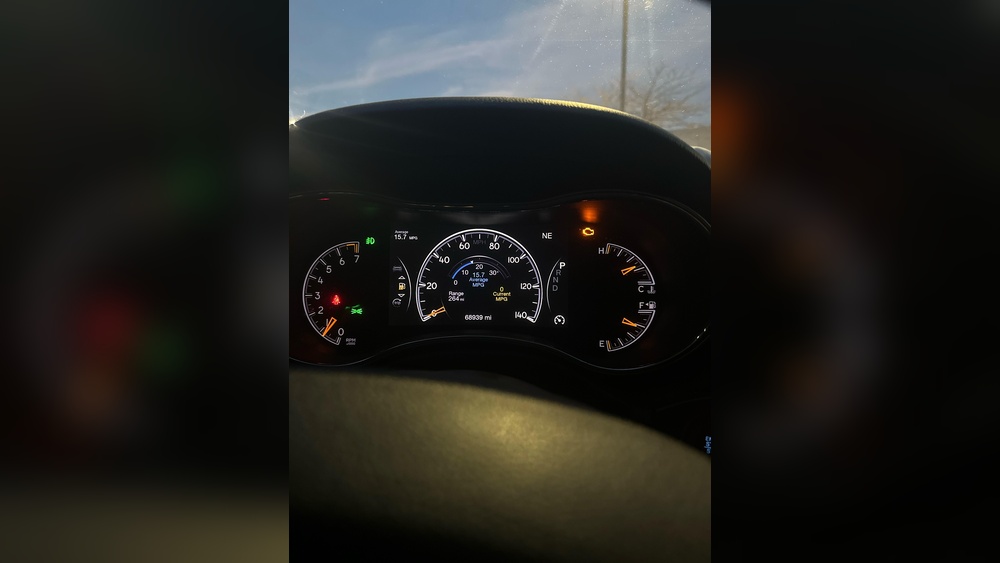
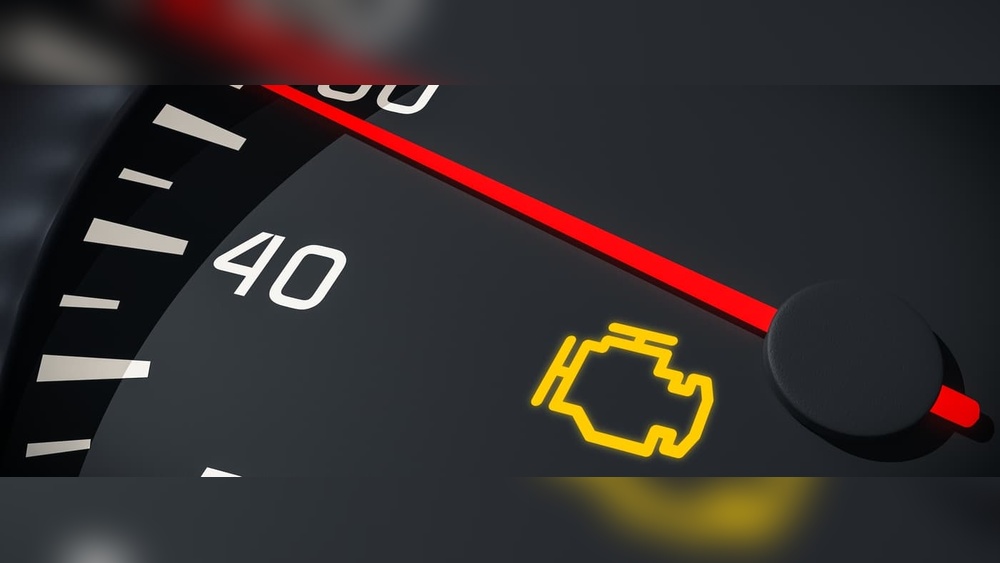
If you’re driving your Jeep and notice the ABS light glowing on your dashboard, you might be wondering, “What does this mean for me and my vehicle?” That little warning light is more than just a flicker—it’s your Jeep’s way of telling you there’s an issue with the Anti-lock Brake System, which plays a crucial role in keeping you safe on the road. Ignoring it could affect how your brakes respond in an emergency.
But don’t worry—understanding why the ABS light comes on and what steps you should take can help you avoid costly repairs and keep your Jeep running smoothly. Keep reading to discover the most common reasons your ABS light lights up and what you can do about it right now.

Abs Light Basics
The ABS light on your Jeep’s dashboard is a key alert. It tells you about the health of the Anti-lock Brake System (ABS). This system helps keep your vehicle safe during hard braking. Understanding this light can help you stay safe and avoid costly repairs.
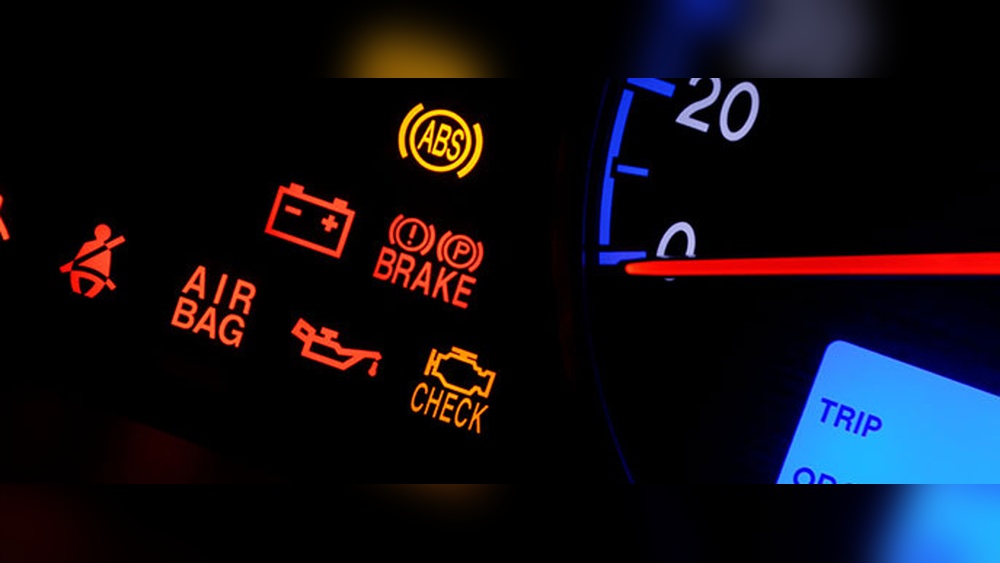
The ABS light usually turns on briefly when you start the Jeep. This is normal. It means the system is doing a self-check. But if the light stays on, it signals a problem that needs attention.
Purpose Of The Abs Light
The ABS light warns you about issues with the anti-lock brake system. It turns on when the system detects a fault. This fault can affect the braking performance.
The ABS light helps prevent brake failure. It alerts you early so you can get the system checked. Driving with the ABS light on means the ABS might not work properly.
How Abs Works In Jeeps
The ABS stops your wheels from locking during hard braking. This helps you keep control of the Jeep. The system uses sensors on each wheel to monitor speed.
When the ABS senses a wheel is about to lock, it reduces brake pressure. It does this repeatedly very fast. This prevents skidding and keeps the Jeep stable.
On rough or slippery roads, ABS helps maintain steering control. This can be very important for off-road driving.
Common Causes For Abs Light
The ABS light on a Jeep signals an issue with the Anti-lock Brake System. This system helps keep your wheels from locking during sudden stops. Understanding common causes for the ABS light can help you react quickly. Early attention prevents bigger problems and keeps you safe on the road.
Faulty Wheel Speed Sensor
The wheel speed sensor measures each wheel’s speed. A faulty sensor sends wrong data to the ABS system. Dirt, debris, or damage can cause sensor failure. Off-road driving often leads to sensor problems. A bad sensor usually triggers the ABS light.
Damaged Sensor Wiring
Wiring connects sensors to the ABS control module. Wires can get crushed or cut by rocks or debris. Damaged wiring stops signals from reaching the system. This causes the ABS light to turn on. Inspect wires near wheels for any visible damage.
Low Brake Fluid Levels
Brake fluid is essential for proper brake function. Low fluid levels may trigger the ABS warning light. Leaks or worn brake pads cause fluid loss. Check the brake fluid reservoir under the hood. Keep fluid at the recommended level for safety.
Battery Issues And Voltage Sensitivity
Jeep ABS systems are sensitive to battery voltage. Low or unstable voltage can cause the ABS light to flash. Loose or corroded battery terminals reduce power flow. A weak battery may also affect the ABS system. Ensure battery connections are clean and tight.
Wheel Bearing And Hub Assembly Problems
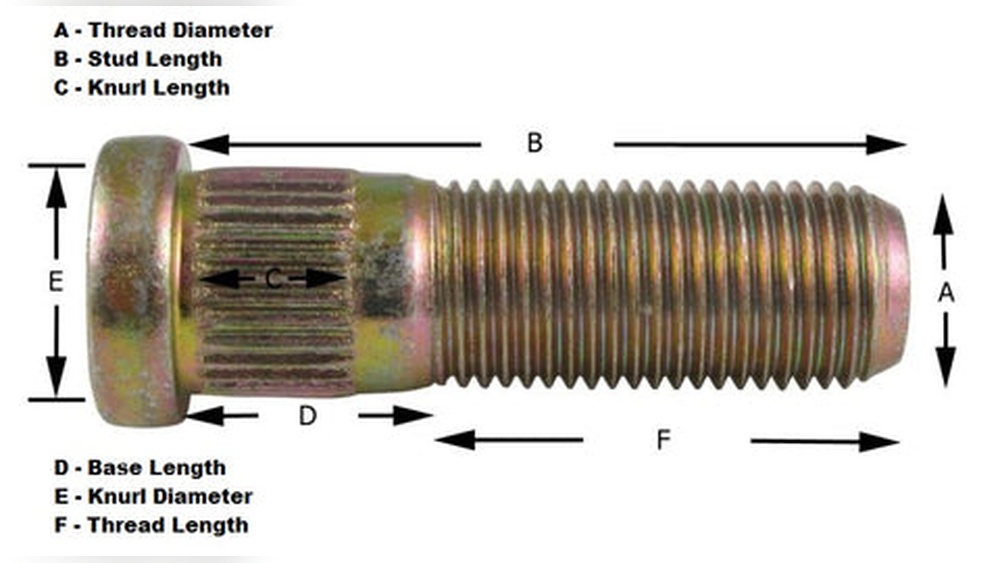
Many Jeeps have ABS sensors built into the wheel bearing. A worn or damaged bearing can affect sensor readings. This issue often causes the ABS light to illuminate. Listen for noise or feel looseness in the wheel. Repair or replace faulty bearings promptly.
Symptoms And Warning Signs
The ABS light on a Jeep signals issues in the braking system. Recognizing symptoms helps prevent serious problems. Some signs appear before the light turns on. Others happen at the same time.
Knowing these warning signs keeps you safe and avoids costly repairs. Watch for changes in your vehicle’s behavior. The following sections explain key symptoms related to the ABS light.
Traction Control And Abs Light Together
Both lights on usually mean a shared problem. The ABS and traction control systems work closely. If one fails, the other often warns you too. This can happen due to a faulty wheel speed sensor. Bad sensors send wrong signals to both systems. Driving might feel less stable on slippery roads.
Noise Or Looseness In Wheels
Strange noises from wheels can hint at ABS issues. A grinding or humming sound may come from a bad wheel bearing. Loose wheels also cause sensor problems. These noises often grow louder over time. Check wheels for any play or wobble. This helps spot worn parts early.
Brake Performance Changes
ABS problems can change how brakes respond. The pedal might feel different or harder to press. The brakes may lock up during sudden stops. This reduces control and increases accident risk. Notice any unusual brake behavior immediately. It signals the ABS system needs attention.

Diagnosing Abs Light Issues
Diagnosing ABS light issues on a Jeep requires a clear approach. The ABS light signals a problem with the anti-lock braking system. It helps prevent wheel lockup during hard stops. Ignoring this light can reduce braking safety. Proper diagnosis ensures the right fix and safe driving.
Using A Scan Tool For Error Codes
A scan tool reads the ABS system’s error codes. These codes point to the exact problem area. Plug the scan tool into the Jeep’s OBD-II port. Follow the tool’s instructions to retrieve codes. Write down or save the codes for reference. This step saves time and avoids guesswork. It shows if sensors or circuits fail.
Visual Inspection Tips
Check the wheel speed sensors and wiring first. Look for dirt, mud, or damage near the brake rotors. Mud or grease can block sensor signals. Inspect wires for cuts or pinches. Check the sensors’ mounting positions. Loose sensors cause false warnings. Also, look at the brake fluid level. Low fluid can trigger the ABS light. Clean the area if needed to improve sensor function.
Battery And Electrical Checks
Test the Jeep’s battery and connections next. Weak or dying batteries affect the ABS system. Check battery terminals for corrosion or looseness. Clean and tighten them securely. Use a voltmeter to check battery voltage. A healthy battery should read about 12.6 volts when off. Electrical issues can create false ABS warnings. Ensure all electrical parts work well for accurate ABS operation.
Diy Fixes And Maintenance
The ABS light on a Jeep signals a problem in the anti-lock brake system. Many issues can cause this warning light. Some fixes are simple and can be done at home. Doing basic maintenance may solve the problem without a mechanic. Here are some easy DIY fixes to try first.
Cleaning And Securing Battery Terminals
Dirty or loose battery terminals can cause the ABS light to come on. Check the battery terminals for corrosion or dirt. Use a wire brush to clean them gently. Tighten the terminals to make sure they fit snugly. A stable battery connection helps avoid false ABS warnings.
Inspecting And Repairing Sensor Wiring
The ABS sensors use wires to send signals. These wires can get damaged by dirt or rocks. Look behind the wheels for any broken or crushed wires. Clean away mud or debris around the sensors. Repair or replace any damaged wiring to restore proper function.
Checking And Refilling Brake Fluid
Low brake fluid often triggers the ABS light. Open the hood and find the brake fluid reservoir. Check the fluid level against the markings. Add the correct brake fluid type if the level is low. Keep the fluid clean and at the right level for safe braking.
Examining Wheel Bearings
Wheel bearings affect the ABS sensors on many Jeeps. A worn wheel bearing can cause the ABS light to stay on. Listen for grinding or unusual noises from the wheels. Check for looseness in the wheel hub. Replace bad wheel bearings to fix the ABS issue.
When To Seek Professional Help
The ABS light on your Jeep signals issues that may need expert attention. Some problems are simple, but others require professional tools and skills. Knowing when to seek help can save time and prevent further damage. Here are key situations to consider.
Complex Sensor Or Wiring Issues
ABS sensors and wiring can be delicate. Off-road driving or debris often damages these parts. Repairing crushed wires or faulty sensors needs precise work. Professionals have the right tools to test and fix these issues safely. Attempting repairs without experience may worsen the problem.
Hub And Bearing Replacement
Many Jeeps have ABS sensors built into wheel hubs and bearings. A worn or damaged bearing can trigger the ABS light. Replacing these parts requires removing the wheel assembly. Mechanics ensure proper installation and alignment. Incorrect replacement can affect braking and vehicle safety.
Advanced Diagnostics
Sometimes the ABS light stays on despite simple fixes. This calls for advanced diagnostics using specialized scanners. Professionals read error codes and check the entire brake system. They identify hidden faults in the ABS module or wiring harness. Early diagnosis avoids costly repairs later.
Driving With The Abs Light On
Driving with the ABS light on in your Jeep is a sign to pay attention. The ABS light means the anti-lock brake system has a problem. This system helps keep your brakes from locking up during sudden stops. Without it, your Jeep may not stop as safely in emergencies.
You can still drive with the ABS light on, but extra care is needed. The brakes will work, but the safety features tied to ABS may not. Understanding the risks helps you stay safe on the road.
Safety Considerations
Without ABS, your Jeep’s brakes can lock during hard stops. This can cause the vehicle to skid. Skidding lowers your control and increases stopping distance. Drive slower and keep more space from cars ahead. Avoid sudden braking to reduce accident risk.
Potential Risks On Different Terrains
On wet or icy roads, the risk of skidding grows. Loose gravel or dirt roads also challenge your Jeep’s grip. ABS helps prevent wheel lock in these conditions. Without it, braking on rough terrain becomes less stable. Drive cautiously and lower your speed on such surfaces.
Impact On Traction Control
ABS and traction control systems often work together. When the ABS light is on, traction control may stop working too. This reduces your Jeep’s ability to maintain grip on slippery roads. You might feel less stable during turns or climbs. Be careful and avoid risky driving maneuvers.
Preventing Future Abs Problems
Preventing future ABS problems in your Jeep helps keep the brakes reliable. It reduces repair costs and improves safety on every drive. Simple care habits protect the ABS system from damage and keep the warning light off.
Regular Vehicle Inspections
Check your Jeep often for any signs of brake issues. Look for worn brake pads and low brake fluid levels. Inspect the ABS sensors near the wheels for dirt or damage. Early detection stops small problems from becoming big repairs.
Avoiding Off-road Damage
Off-roading can harm the ABS sensors and wiring. Avoid driving over sharp rocks or deep mud that may crush sensor wires. Clean the wheels and brake area after off-road trips. Keeping these parts clean prevents sensor errors and ABS light warnings.
Battery Maintenance Tips
The ABS system depends on a healthy battery and good electrical connections. Check battery terminals for corrosion and tightness regularly. Replace an old or weak battery to avoid electrical glitches. A strong battery helps the ABS function correctly without warning lights.
Frequently Asked Questions
Can I Drive A Jeep With An Abs Light On?
Driving a Jeep with the ABS light on is possible but not recommended. The ABS may not function properly, increasing stopping distance and risk. Have the system checked promptly to ensure safe braking performance and avoid further damage.
Can I Drive If The Abs Light Is On?
You can drive with the ABS light on, but your anti-lock brakes may not work properly. Get the system checked soon.
Is It Expensive To Fix An Abs Light?
Fixing an ABS light can cost between $100 and $1,000, depending on the issue. Common problems include sensor replacement or wiring repairs.
What Is The Most Common Cause Of The Abs Light To Come On?
The most common cause of the ABS light is a faulty wheel speed sensor or damaged sensor wiring. Low brake fluid and battery issues also trigger it.
Conclusion
The ABS light on your Jeep signals a problem with the braking system. It often points to issues like a faulty wheel speed sensor or low brake fluid. Driving with the light on is risky because the anti-lock brakes may not work properly.
Always check the battery and wheel area for damage or dirt. Fixing the cause quickly keeps you safe on the road. Regular maintenance helps prevent ABS problems and keeps your Jeep running smoothly. Stay alert and act fast if the ABS light appears.