Measuring wheel studs correctly is crucial for safe and reliable vehicle maintenance. Whether you are replacing wheels, upgrading brakes, or checking for wear, knowing the precise stud dimensions helps avoid mistakes and ensures parts fit as they should.
Many people find this task confusing, especially with different stud patterns and measuring systems.
This guide explains everything you need to measure wheel studs accurately, even if you’re new to auto work.
What Is A Wheel Stud And Why Accurate Measurement Matters
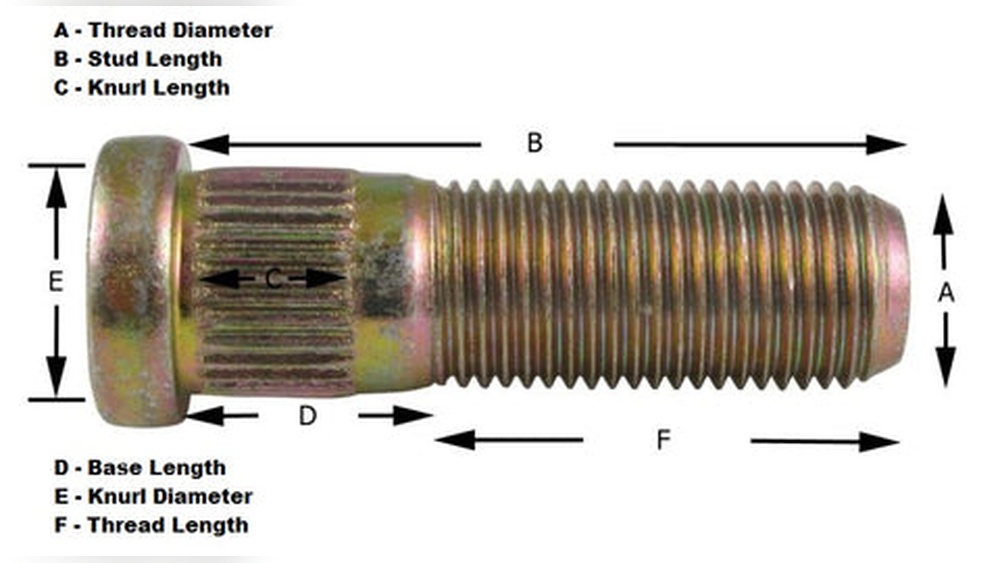
A wheel stud is a threaded bolt that sticks out from the wheel hub. The wheel fits over these studs and is secured with lug nuts. Accurate measurement is important for several reasons:
- Ensures that new wheels or spacers fit your vehicle without damaging parts.
- Prevents dangerous situations caused by loose or misfitting wheels.
- Helps when ordering replacement studs, as sizes vary by make and model.
A mistake here can lead to costly repairs or even accidents. For example, using studs that are too short might not hold the wheel tightly, while oversized studs can damage the hub.
Tools Needed For Measuring Wheel Studs
You don’t need expensive tools, but accuracy is essential. Here are the basics:
- Digital caliper – Measures diameter and thread length precisely.
- Thread pitch gauge – Identifies the number of threads per inch (imperial) or per millimeter (metric).
- Ruler or tape measure – Useful for quick checks, but less precise.
Most auto parts stores sell these tools, and they are a good investment if you work on cars regularly.
Key Wheel Stud Measurements Explained
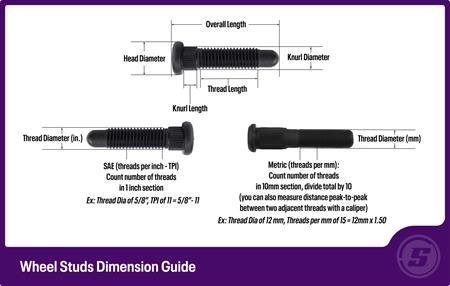
There are three main measurements to focus on:
- Diameter – The thickness of the stud shaft (usually in millimeters or inches).
- Thread pitch – The distance between threads, which tells you how coarse or fine the threads are.
- Stud length – The usable threaded part, not including the head or knurl.
Let’s break these down with a simple example:
- A common wheel stud size is M12 x 1.5 x 35mm. This means:
- M12: 12 mm diameter
- 1.5: 1.5 mm between threads
- 35mm: 35 mm long threaded section
Check your car’s manual or manufacturer’s website for factory specs. However, measuring yourself is always a good idea, especially with older vehicles or custom setups.
How To Measure Wheel Stud Diameter
- Clean the stud with a wire brush to remove dirt or rust.
- Set your caliper to zero.
- Place the caliper jaws on the stud’s threaded part (not the tip).
- Read the measurement. Most cars use either 12 mm (M12), 14 mm (M14), 1/2 inch, or 7/16 inch.
If you don’t have a caliper, a metric or imperial open-end wrench that fits snugly can give a rough idea, but it’s less reliable.
Common Wheel Stud Diameters
| Stud Size | Metric (mm) | Imperial (inch) | Typical Vehicles |
|---|---|---|---|
| M12 | 12 | 0.472 | Most passenger cars |
| M14 | 14 | 0.551 | Trucks, SUVs |
| 1/2″ | 12.7 | 0.5 | Older US vehicles |
How To Measure Thread Pitch
Thread pitch is critical when matching lug nuts or ordering new studs.
- Use a thread pitch gauge and line it up with the stud’s threads.
- For metric studs, count the space between threads in millimeters.
- For imperial studs, count the number of threads in one inch.
If you don’t have a thread gauge, carefully compare your stud to a known sample. For example, if your lug nut fits a 1.
5 mm thread pitch, it should screw on smoothly. Forcing the wrong pitch can ruin both the stud and the nut.
Thread Pitch Comparison
| Stud Size | Metric Pitch (mm) | Imperial TPI (threads/inch) | Notes |
|---|---|---|---|
| M12 | 1.25, 1.5, 1.75 | — | Check car specs |
| 1/2″ | — | 20 | Common for US cars |
How To Measure Stud Length
Stud length can affect both safety and looks, especially if you use wheel spacers or aftermarket wheels.
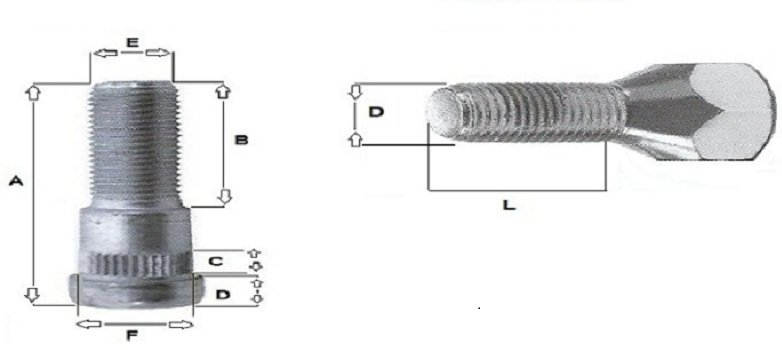
- Remove the lug nut and measure from the base (where the stud meets the hub) to the tip.
- Only measure the usable threaded part, not the knurled (press-fit) section.
- For replacement, match or slightly exceed your original length, especially for custom wheels.
Remember, too long a stud may stick out and look odd, while too short could compromise safety.
Example Stud Lengths
| Application | Typical Length (mm) | Notes |
|---|---|---|
| Factory wheels | 35-45 | Standard fitment |
| With spacers | 50-60 | Extra length needed |
Common Mistakes To Avoid
Many beginners make errors that lead to bad fitment or safety risks:
- Mixing up metric and imperial sizes. Always double-check with a caliper.
- Ignoring thread pitch. Even if diameter matches, wrong pitch can strip threads.
- Measuring only the visible part of the stud. Always measure from the hub’s base.
- Forgetting about wheel type. Some aftermarket wheels need longer studs for proper lug nut engagement.
One non-obvious tip: Aftermarket wheels often require tapered seat lug nuts, which need more stud thread engagement than flat-seat nuts. Always check the lug nut type your wheels require.
When To Replace Wheel Studs
Replace your wheel studs if you notice:
- Stripped threads
- Bent or broken studs
- Visible rust or corrosion
- Difficulty installing lug nuts
It’s better to replace all studs on a wheel if one is damaged, as they may all be weakened.
Final Checks Before Reassembly
After measuring and before installing new studs:
- Clean the hub and holes to remove debris.
- Use a torque wrench to tighten lug nuts to the manufacturer’s specifications.
- Test fit the wheel and spin it by hand to ensure nothing rubs or binds.
If you are unsure, consult a professional mechanic or refer to reliable sources like NHTSA for safety guidelines.
A careful approach to measuring wheel studs saves money, time, and, most importantly, keeps you safe on the road.
Frequently Asked Questions
How Do I Know If My Wheel Studs Are Metric Or Imperial?
Check your car’s manual or use a caliper. Metric sizes are in millimeters (M12, M14), while imperial sizes are in inches (1/2", 7/16").
Comparing a metric and imperial wrench can also help.
Can I Reuse Old Wheel Studs With New Wheels?
You can, as long as the studs are in perfect condition no damaged threads, bends, or rust. However, if you use wheel spacers or thicker wheels, you may need longer studs.
What Happens If I Use The Wrong Thread Pitch?
Using the wrong pitch can strip both the stud and the lug nut, making it unsafe to drive. Always double-check the thread pitch with a gauge or by matching with your lug nuts.
How Much Thread Engagement Is Safe For Lug Nuts?
A good rule is that the lug nut should be fully engaged on the stud at least as many threads as the stud’s diameter. For example, an M12 stud should have at least 12 mm of thread contact with the nut.
Do Aftermarket Wheels Always Need Longer Studs?
Not always, but many do especially if they have a thicker mounting pad or if you add spacers. Measure carefully and check the manufacturer’s recommendations to be sure.
By following these guidelines, you can measure your wheel studs confidently and avoid common mistakes that lead to unsafe installations.