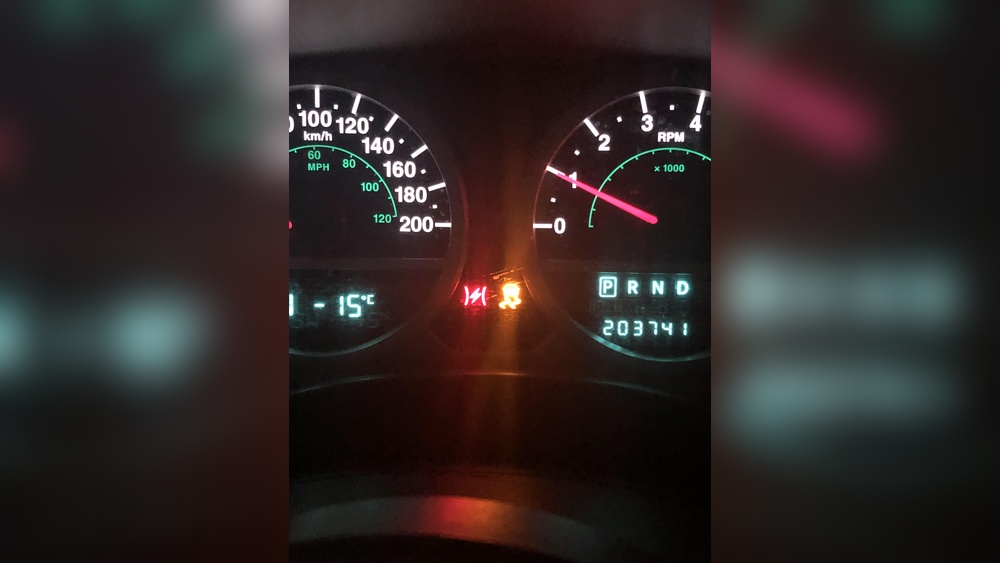
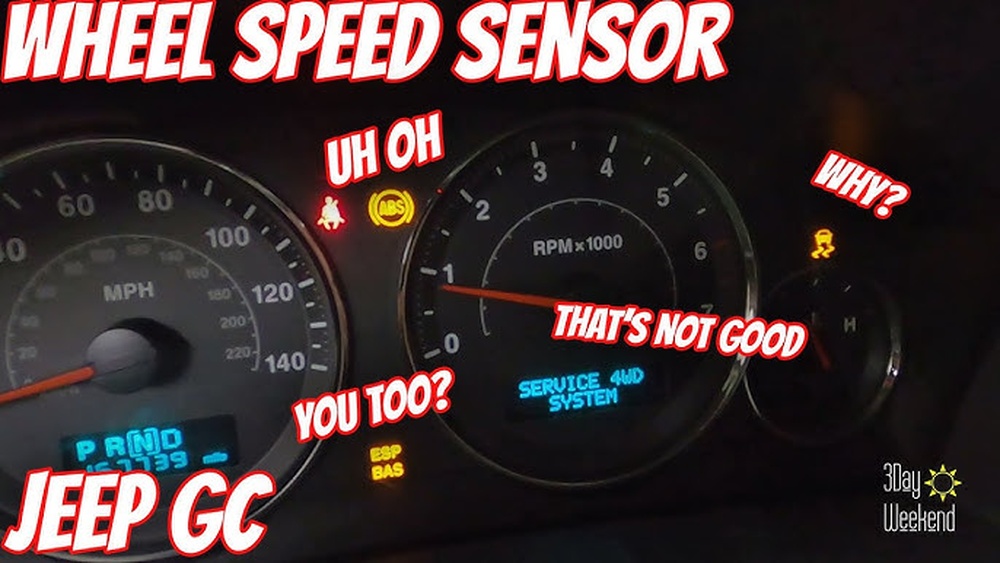
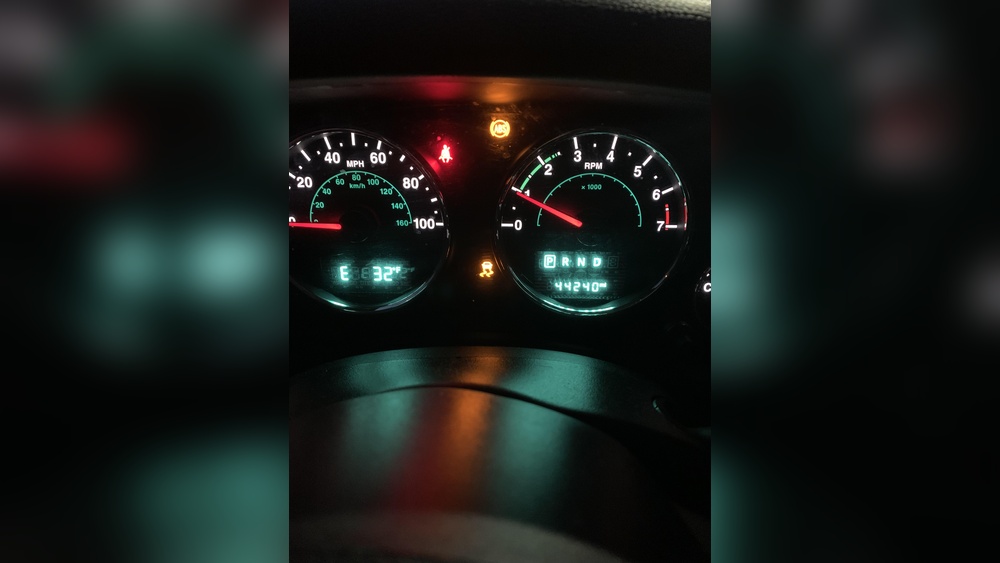
If you’ve noticed the ABS light glowing on your Jeep Wrangler’s dashboard, you’re probably wondering what it means and if it’s something serious. That little warning light is trying to tell you there’s a problem with your vehicle’s braking or traction system—something you definitely don’t want to ignore.
But don’t panic just yet. The good news is, many common causes are easy to identify and fix, and understanding what’s behind that warning can save you time, money, and stress. Keep reading to find out why your ABS light is on, what it means for your Jeep, and the simple steps you can take to get back on the road safely.
Common Causes
The ABS light on your Jeep Wrangler usually signals a problem with the braking or traction control system. Many common issues can cause this warning light to appear. Knowing these causes helps you find the right fix quickly. Here are the most frequent reasons your ABS light turns on.
Dirty Wheel Speed Sensor
Each wheel has a sensor that measures its speed. Dirt, mud, or brake dust can cover the sensor. This stops it from working correctly. The ABS system then gets wrong data and turns on the light. Cleaning the sensor often solves this problem.
Damaged Sensor Wiring
The wiring to the wheel speed sensors can get damaged by rough roads. Rocks, sticks, or off-road trails can cut or fray the wires. Broken wiring means the sensor can’t send signals properly. The ABS light will come on because the system loses track of wheel speed.
Uncentered Steering Wheel
If your steering wheel is off-center, the ABS system may think the vehicle is sliding. This happens often after an alignment or a lift kit installation. The ABS light turns on to warn you. Straightening the steering wheel can clear this issue.
Failing Battery Or Loose Terminals
Jeep Wranglers need steady power for the ABS to work right. An old battery or loose battery terminals can cause voltage drops. These drops confuse the ABS system and trigger the warning light. Checking battery health and tightening terminals helps.
Faulty Wheel Bearing
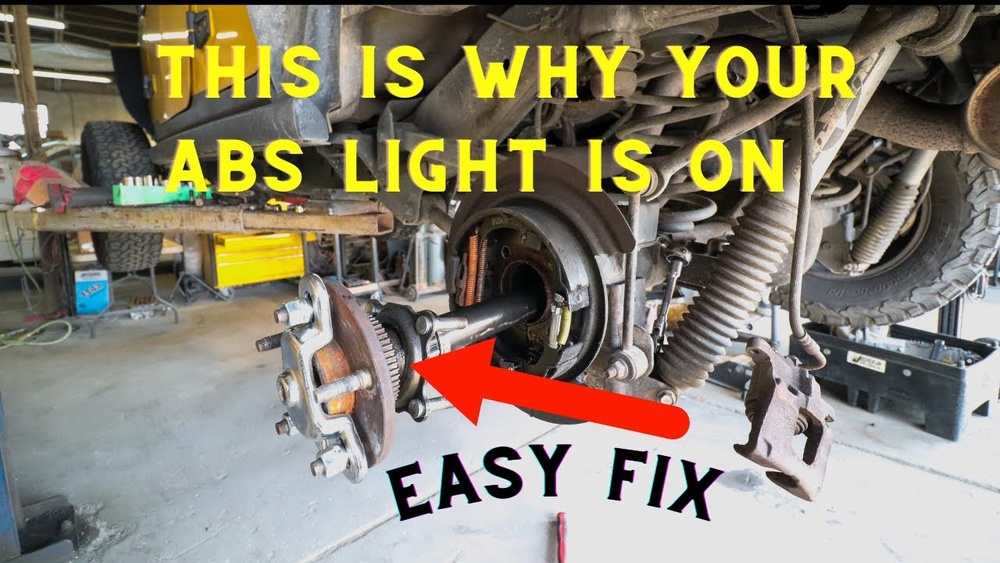
On many Jeep Wranglers, the ABS sensor is inside the wheel bearing assembly. When the bearing wears out, it affects the sensor’s signal. This wear causes the ABS light to come on. Replacing the bad wheel bearing usually fixes the problem.
Diagnosing The Issue
Diagnosing the reason behind the ABS light on your Jeep Wrangler requires a careful and step-by-step approach. The ABS system monitors various parts related to braking and wheel movement. Identifying the exact cause helps avoid unnecessary repairs and keeps your vehicle safe. Below are key checks to perform for accurate diagnosis.
Using A Scan Tool
A scan tool reads error codes stored in your Jeep’s computer. These codes pinpoint which part causes the ABS light. Many auto shops offer this service, or you can buy a basic scan tool. The tool shows if a sensor or module is faulty. It saves time and guides your next steps.
Checking Wheel Speed Sensors
Each wheel has a speed sensor that tells the ABS when to engage. Dirt, mud, or brake dust can cover these sensors. Cleaning them might fix the problem. If cleaning does not help, the sensor could be damaged and need replacement. Check all four wheels for sensor issues.
Inspecting Wiring And Connectors
Wires connect the sensors to the ABS control module. Off-road driving can loosen or damage these wires. Look for frayed, broken, or disconnected wires near each wheel. Also, check connectors for corrosion or dirt. Secure and clean all wiring to ensure good contact.
Testing Battery Health
A weak or dying battery can cause the ABS light to come on. Modern Jeeps need steady voltage to run the ABS system properly. Test the battery with a voltmeter or have it tested at an auto shop. Tighten any loose battery terminals to maintain a strong connection.
Assessing Steering Wheel Alignment
If the steering wheel is off-center, the ABS system may sense a false slide. This usually happens after a new alignment or lift kit installation. Check if the steering wheel sits straight when driving straight. Misalignment can confuse the ABS sensors, triggering the warning light.
Diy Fixes
DIY fixes can often solve the ABS light issue in your Jeep Wrangler. These simple steps help you save time and money. Most of these repairs need only basic tools and little experience. Start with easy checks and move to more detailed fixes if needed.
Cleaning Sensors And Wheels
Dirt and debris can cover the wheel speed sensors. Remove mud, brake dust, and grease from sensors and wheel areas. Use a soft brush or cloth with mild cleaner. Clean wheels thoroughly near sensor spots. This can restore sensor signals and turn off the ABS light.
Re-centering The Steering Wheel
A steering wheel that is off-center can confuse the ABS system. Check if the wheel is straight when driving straight. Adjust the wheel or get a quick alignment. This helps the computer read accurate data. It often clears ABS warnings linked to steering angle errors.
Securing Battery Terminals
Loose or corroded battery terminals cause voltage drops. This may trigger false ABS warnings. Inspect the battery terminals for tightness and clean off corrosion. Use a wire brush or terminal cleaner. Secure the terminals firmly. This simple fix stabilizes voltage and may reset the ABS light.
Repairing Sensor Wiring
Wiring damage is common from off-roading or road debris. Inspect wires near each wheel sensor for cuts or frays. Repair or replace broken wires using electrical tape or connectors. Protect wires from future damage with a wrap or conduit. Proper wiring ensures sensor signals reach the ABS module correctly.
Replacing Faulty Wheel Bearings
Worn wheel bearings affect the ABS sensor in the hub assembly. Listen for grinding or humming noises from the wheels. Check for play by rocking the wheel side to side. Replace the wheel bearing if it shows wear or damage. This fix often resolves persistent ABS light issues on front wheels.

When To See A Mechanic
The ABS light on your Jeep Wrangler signals a potential issue with your braking system. Knowing when to see a mechanic can prevent bigger problems. Some ABS light issues fix themselves, but others need professional help. Understanding these signs saves time and keeps you safe.
Persistent Abs Light
The ABS light stays on after multiple restarts. It means the problem is not temporary. A mechanic can run a diagnostic to find the exact cause. Do not ignore this light, as it affects braking safety.
Complex Electrical Issues
Jeep Wranglers have advanced electrical systems. Sometimes the ABS light comes on due to wiring or sensor faults. These problems need expert tools and knowledge. A mechanic can test and repair the electrical system correctly.
Wheel Bearing Replacement
A worn wheel bearing can trigger the ABS light. The sensor often sits inside the bearing assembly. If the bearing is damaged, it affects the sensor’s signal. Replacing the bearing requires mechanical skill and special tools.
Abs Module Problems
The ABS module controls the anti-lock braking system. Faults in this module cause the ABS light to stay on. Module issues are complex and need a professional mechanic. They can repair or replace the ABS module safely.
Preventive Tips
Preventing the ABS light from turning on in your Jeep Wrangler starts with simple, regular care. Small steps can keep sensors and systems working well. These tips help avoid common issues that trigger the ABS warning light.
Regular Sensor Cleaning
Wheel speed sensors can get dirty from mud, dust, or brake dust. Clean them often to ensure they read data correctly. Use a soft brush and mild cleaner. Avoid harsh chemicals that could damage the sensor. Keeping sensors clean prevents false ABS warnings.
Routine Battery Checks
The ABS system depends on stable power from the battery. Check battery terminals for corrosion or looseness. Test battery health regularly, especially in extreme weather. A weak battery can cause the ABS light to come on without real faults. Replace old batteries promptly.
Avoiding Off-road Damage
Off-road driving can damage sensor wiring and wheel bearings. Inspect wiring for cuts, frays, or loose connections after rough trips. Protect wiring harnesses with covers or tape. Avoid deep water and heavy mud to prevent sensor failure. Gentle off-roading extends sensor life.
Timely Wheel Alignments
An uncentered steering wheel can confuse the ABS system. Get wheel alignments done at recommended intervals or after suspension work. Proper alignment ensures sensors detect wheel speeds accurately. This keeps the ABS light off and improves vehicle handling.

Driving With Abs Light On
Driving with the ABS light on in your Jeep Wrangler calls for caution. The ABS (Anti-lock Braking System) helps keep your vehicle stable during hard braking. When the ABS light is on, it means the system has detected a problem and may not work properly. This could affect your Jeep’s braking ability, especially on slippery roads.
Safety Considerations
Without ABS, your Jeep may skid during sudden stops. The brakes could lock up, causing loss of control. Drive slower than usual and keep extra distance from cars ahead. Avoid sharp turns or quick stops. Be alert and prepared for longer braking distances.
Potential Risks
Ignoring the ABS light can lead to serious accidents. Skidding and loss of steering control increase on wet or icy roads. The risk of collisions grows, especially in emergency braking. Your Jeep’s traction control might also be affected, reducing stability on rough terrain.
Temporary Driving Tips
Drive carefully and avoid heavy braking. Test your brakes gently to understand how they respond. Keep your tires properly inflated for better grip. Plan your route to avoid steep hills or rough roads. Schedule a repair appointment soon to fix the ABS issue and restore full safety.

Frequently Asked Questions
Can I Drive My Jeep With The Abs Light On?
You can drive your Jeep with the ABS light on, but brake performance may reduce. Get it checked soon to ensure safety.
How To Reset Abs Light On Jeep Wrangler?
Use an OBD-II scanner to read ABS codes, fix identified issues like faulty sensors, then clear the codes to reset the ABS light.
Can I Fix The Abs Light Myself?
Yes, you can fix the ABS light yourself by cleaning sensors or checking battery connections. Use a scan tool to identify errors. For complex issues, consult a professional mechanic.
What Is The Most Common Cause Of The Abs Light To Come On?
The most common cause of the ABS light coming on is a faulty or dirty wheel speed sensor. Dirt, mud, or damage disrupts sensor signals.
Conclusion
The ABS light on your Jeep Wrangler signals a braking or sensor issue. Common causes include dirty sensors, damaged wiring, or a crooked steering wheel. Check the battery and sensor cleanliness to avoid false warnings. Fixing these problems early keeps your Jeep safe and reliable.
Don’t ignore the light—address it to maintain proper braking function. Simple checks can save you time and money later. Stay alert and drive confidently with a well-maintained ABS system.