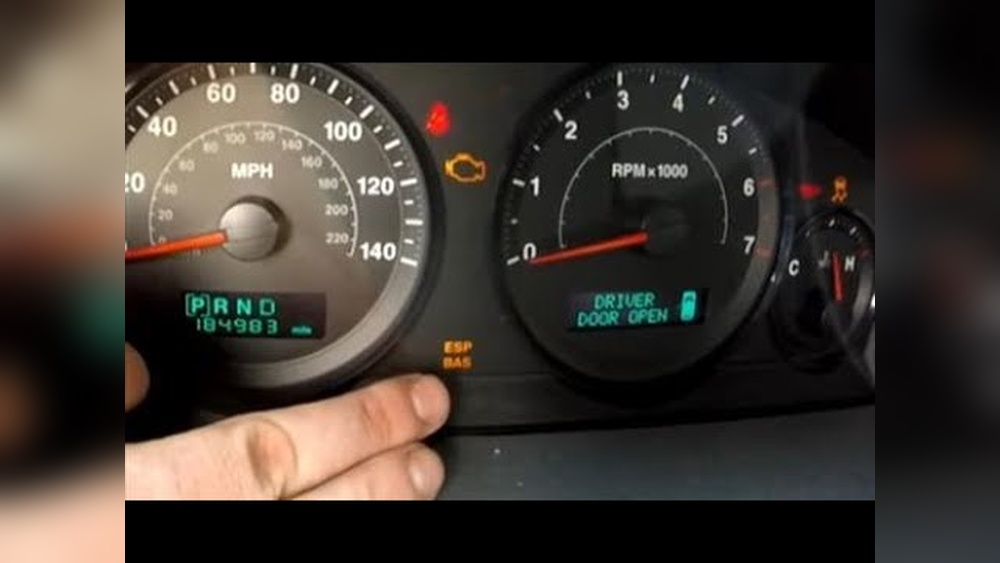
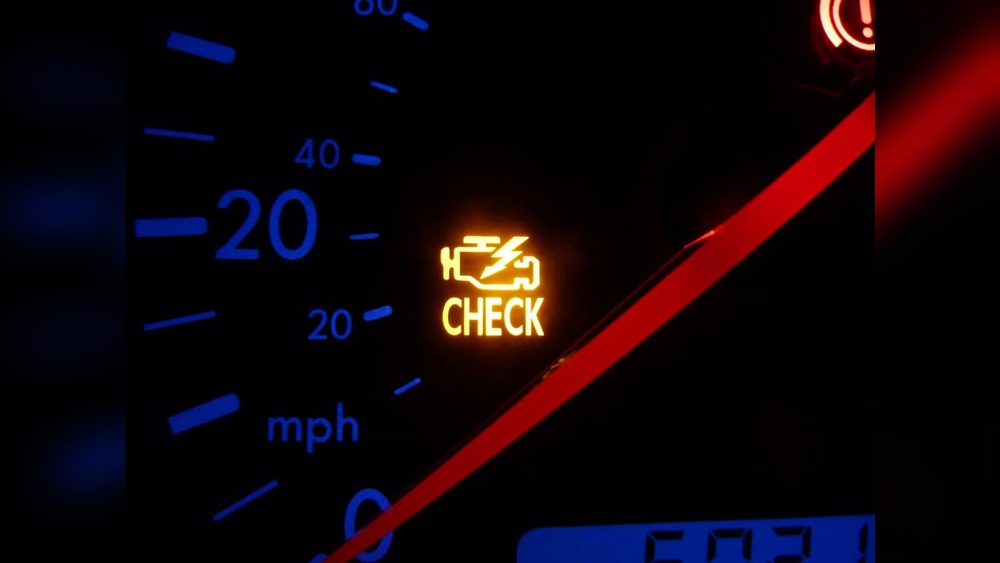
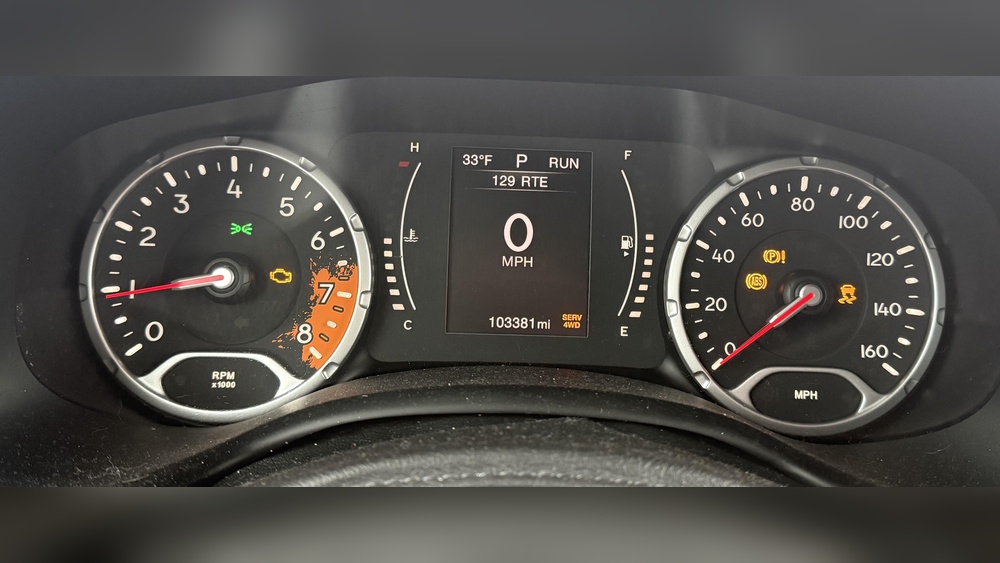
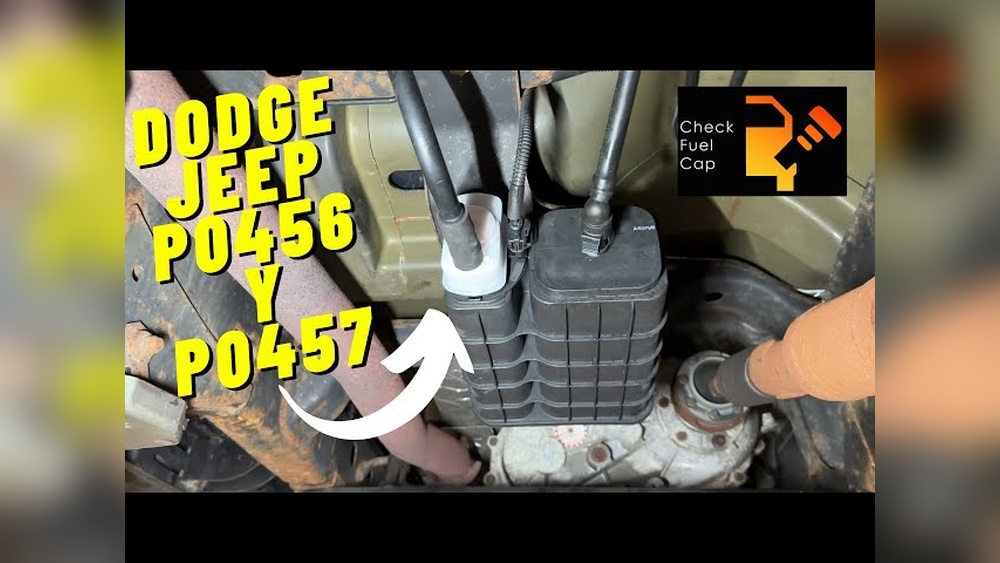
If you’ve ever noticed the ABS warning light glowing on your Jeep Grand Cherokee’s dashboard, you might be wondering what it really means for you and your vehicle. This small light could be signaling a simple sensor issue or something more serious affecting your braking system.
Ignoring it isn’t a good idea because your safety on the road depends on how well your brakes perform, especially in tricky conditions. You’ll discover what triggers the ABS warning light, why it matters, and what steps you can take to fix the problem before it turns into an expensive repair.
Keep reading to make sure your Jeep stays safe and reliable every time you drive.
Abs Warning Light Basics
The ABS warning light on a Jeep Grand Cherokee signals the status of the Anti-lock Braking System. This system helps prevent wheel lock-up during sudden stops. Understanding the ABS warning light is important for safe driving and vehicle maintenance.
The light gives drivers an early alert if something is wrong with the ABS. Knowing its meaning and timing can help avoid bigger problems.
Meaning Of The Abs Light
The ABS light shows a problem with the anti-lock brakes. When it lights up, the ABS may not work properly. The regular brakes still work, but without ABS, wheels can lock during hard braking. This can cause loss of control on slippery roads.
The light stays on until the issue is fixed. It means the system detected a fault. Common causes include faulty wheel speed sensors, damaged wiring, or ABS module failure.
When The Light Typically Turns On
The ABS light usually comes on during the car’s startup as a system check. It should turn off after a few seconds if all is fine.
If the light stays on or turns on while driving, it signals a problem. It may also blink in some cases, showing a more serious fault. The light can come on after rough terrain, wheel sensor damage, or electrical issues.
Ignoring the warning can lead to unsafe driving conditions. It is best to have the system checked promptly.

Common Causes Of Abs Light Activation
The ABS warning light on your Jeep Grand Cherokee signals a problem in the anti-lock braking system. This light activates to alert you that the ABS may not function properly. Knowing common causes helps you identify the issue faster. Here are the main reasons why the ABS light turns on.
Wheel Speed Sensor Issues
Wheel speed sensors monitor each wheel’s speed and send data to the ABS system. Dirt, damage, or corrosion can cause these sensors to fail. A faulty sensor can trigger the ABS light. Sometimes, sensor wiring or connections may also have problems. Replacing or cleaning the sensors often fixes the issue.
Brake Switch Problems
The brake switch tells the system when you press the brake pedal. A malfunctioning brake switch can confuse the ABS module. This confusion may cause the ABS warning light to turn on. Worn or broken brake switches need replacement to restore proper function.
Electrical And Battery Concerns
Weak batteries or electrical problems affect the ABS system’s performance. Low voltage or bad wiring can trigger the ABS light. Corroded battery terminals or loose connections also cause faults. Ensuring a healthy battery and clean connections keeps the ABS system running smoothly.
Transfer Case Control Module Faults
The transfer case control module manages power distribution in four-wheel drive models. Faults in this module can affect ABS operation. When the module sends incorrect signals, the ABS light may come on. Diagnosing and repairing module issues requires a professional scan and repair.
Impact On Jeep Grand Cherokee Performance
The ABS warning light on your Jeep Grand Cherokee signals issues with the anti-lock braking system. This system plays a key role in maintaining vehicle control during hard braking. When the ABS light turns on, it means the system might be disabled or malfunctioning. This affects how your Jeep performs on the road, especially in emergency stops or slippery conditions.
Abs System Disabled Effects
When the ABS system is disabled, your Jeep loses its ability to prevent wheel lock-up. Locked wheels reduce steering control and increase stopping distance. This can make braking less effective on wet or icy roads. The vehicle may skid during heavy braking. Normal brakes still work but without ABS support, safety is compromised.
Risks Of Driving With Abs Light On
Driving with the ABS warning light on carries several risks. The main danger is reduced control during sudden stops. On slippery surfaces, the Jeep may slide or fishtail more easily. This increases the chance of accidents. Also, other systems like traction control may not function properly. It is safer to get the ABS checked and repaired quickly.

Diagnosing Abs Light Problems
The ABS warning light on your Jeep Grand Cherokee signals a potential problem with the anti-lock braking system. Diagnosing these issues quickly ensures your vehicle remains safe and reliable. This section covers key steps to identify the cause of ABS light problems. Understanding the root cause helps avoid costly repairs and keeps your brakes functioning properly.
Using Abs Module Scanning Tools
ABS module scanning tools read fault codes stored in the vehicle’s computer. These codes indicate specific malfunctions within the ABS system. Mechanics connect the scanner to the OBD-II port under the dashboard. The tool retrieves error codes that point to the exact problem. This method saves time and improves diagnosis accuracy. Clear codes after repair to confirm the fix.
Checking Wheel Bearings And Sensors
Wheel bearings and speed sensors play a critical role in ABS function. Faulty bearings can cause sensor errors and trigger the ABS light. Inspect each wheel for looseness or unusual noise. Clean or replace dirty or damaged sensors. Proper sensor alignment is vital for accurate wheel speed readings. Faulty sensors often cause intermittent ABS light activation.
Common Diagnostic Trouble Codes
Common ABS trouble codes include C0035, C0040, and C0050. These codes relate to wheel speed sensor circuits and signal loss. Code C0100 often points to ABS pump or motor issues. Code C0235 indicates a problem with the right rear wheel sensor. Knowing these codes helps target repairs efficiently. Use the codes to guide parts replacement or further inspection.
Diy Fixes And Maintenance Tips
Experiencing the ABS warning light on your Jeep Grand Cherokee can be stressful. Simple DIY fixes often solve the problem without costly repairs. Routine maintenance helps keep your braking system in top shape. Below are practical tips you can try at home to fix and maintain your ABS system.
Replacing Wheel Speed Sensors
Wheel speed sensors monitor each wheel’s rotation and send data to the ABS system. Faulty sensors often cause the ABS warning light to activate. Locate the sensor near the wheel hub. Remove any dirt and debris around it before inspection. If the sensor is damaged or worn, replace it with a new one. Use a wrench to remove the sensor bolts carefully. Install the new sensor and tighten the bolts firmly. Test drive your Jeep to check if the ABS light turns off.
Inspecting And Repairing Wiring
Wiring issues can interrupt signals between sensors and the ABS control module. Start by examining the wiring harness near each wheel sensor. Look for broken wires, corrosion, or loose connections. Use a multimeter to test wire continuity. Repair any damaged wires by splicing and insulating them with electrical tape. Make sure connectors are secure and free of dirt. Proper wiring ensures accurate sensor data and keeps the ABS system running smoothly.
Resetting The Abs Light
Sometimes, the ABS light stays on after a minor fault clears. Resetting the light can turn it off. Use an OBD-II scanner to access the ABS module. Connect the scanner to the Jeep’s diagnostic port under the dashboard. Follow the scanner’s instructions to clear ABS trouble codes. If you do not have a scanner, disconnect the vehicle’s battery for 15 minutes. Reconnect the battery and start the engine. Check if the ABS warning light has reset. Drive the vehicle to confirm the light stays off.

When To See A Professional
The ABS warning light on your Jeep Grand Cherokee signals an issue with the anti-lock braking system. Knowing when to see a professional can save you time and money. Minor problems might seem manageable, but some situations require expert attention to keep your vehicle safe and reliable. Recognizing these signs early helps avoid costly repairs and dangerous driving conditions.
Complex Electrical Issues
ABS systems rely on complex electronics and sensors. Sometimes, electrical faults cause the warning light to stay on. Diagnosing these issues needs special tools and knowledge. Professionals can test the wiring and connections safely. They can spot hidden problems that could worsen over time.
Abs Module Replacement
The ABS module controls the braking system’s anti-lock function. If this part fails, the ABS warning light will not turn off. Replacing the ABS module is not a simple task. It involves precise programming and calibration. A trained mechanic ensures the module fits and works correctly with your Jeep’s system.
Brake System Safety Checks
The ABS light may indicate a deeper brake system problem. A professional can perform a full safety check of your brakes. They inspect pads, rotors, and fluid levels. This check ensures your braking system works properly. Safety checks prevent accidents and maintain vehicle control on the road.
Cost Considerations For Abs Repairs
Understanding the costs involved in repairing the ABS warning light on your Jeep Grand Cherokee helps you prepare financially. ABS repairs vary widely in price depending on the exact problem. Planning ahead can prevent unexpected bills and keep your vehicle safe.
Typical Repair Expenses
Common ABS repairs include replacing wheel speed sensors, the ABS module, or brake components. Sensor replacements usually cost between $100 and $300. If the ABS control module needs repair or replacement, costs can rise to $400 or more. Brake part repairs vary but often run from $150 to $500 depending on the extent of damage.
Factors Affecting Repair Costs
Repair costs depend on the model year and trim of your Jeep Grand Cherokee. Labor rates in your area also affect the total price. Genuine OEM parts cost more than aftermarket alternatives. Sometimes the issue is electrical, requiring diagnostic tests that add to the bill. Severity of the problem directly influences the repair expense.
Preventive Maintenance To Save Money
Regularly checking your brakes and ABS sensors reduces repair costs. Keep your wheel speed sensors clean and free from debris. Timely brake fluid changes and inspections help maintain the ABS system. Catching problems early avoids major repairs and keeps your Jeep safe on the road.
Frequently Asked Questions
Can I Drive My Jeep With The Abs Light On?
You can drive your Jeep with the ABS light on, but the ABS system may be disabled. Brake lock-up risk increases. Get it checked soon.
Is It Expensive To Fix An Abs Light?
Fixing an ABS light can range from $50 to $300, depending on the issue and parts needed. Simple sensor fixes cost less.
Why Is My Abs Light On In My Jeep Grand Cherokee?
The ABS light in your Jeep Grand Cherokee usually indicates a problem with wheel speed sensors, brake switch, or electrical issues.
What Is The Most Common Cause Of The Abs Light To Come On?
The most common cause of the ABS light is a faulty wheel speed sensor. It detects wheel rotation issues affecting ABS function.
Conclusion
The ABS warning light on your Jeep Grand Cherokee signals a problem with the braking system. It often means the ABS system is off, increasing brake lock risk. Common causes include faulty wheel speed sensors or electrical issues. Driving with this light on can be risky, so have your vehicle checked soon.
Regular maintenance helps keep your brakes safe and reliable. Understanding this warning light keeps you prepared and protects your Jeep on the road.