If you’ve seen the P0700 code pop up on your Jeep’s dashboard, you’re probably wondering what it means and what you should do next. This code signals a problem with your transmission control system, and ignoring it can lead to costly repairs or even leave you stranded.
But don’t worry—understanding the P0700 code is the first step to fixing it quickly and getting back on the road with confidence. You’ll discover the common causes behind the P0700 Jeep code, how to spot the symptoms early, and simple steps you can take to diagnose and resolve the issue yourself.
Keep reading to protect your Jeep’s performance and avoid unexpected breakdowns.

P0700 Code In Jeeps
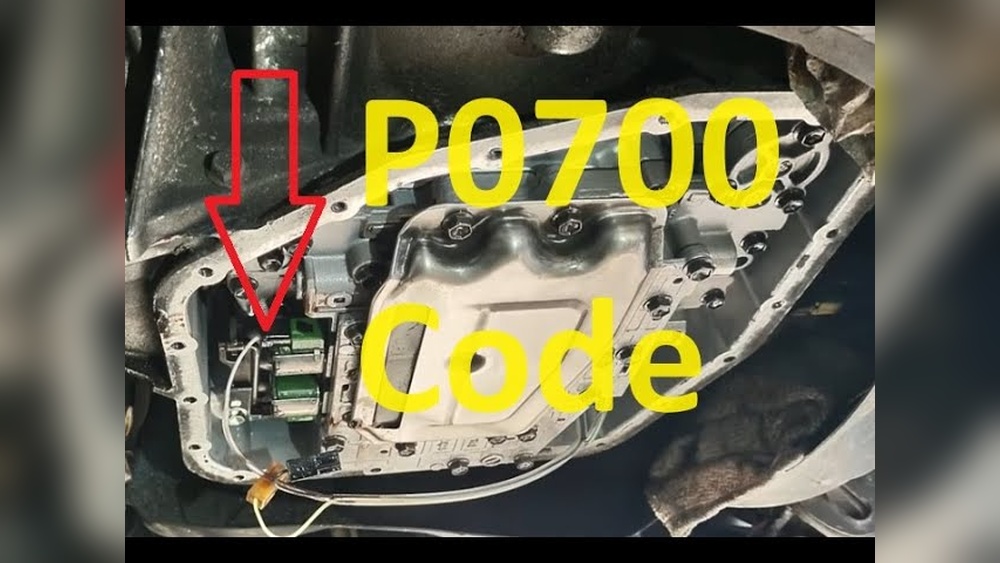
The P0700 code in Jeeps signals a transmission problem. This code is a warning from the vehicle’s system. It alerts the driver that the Transmission Control Module (TCM) found an issue. The Check Engine Light usually turns on alongside this code. The P0700 code does not specify the exact problem. Instead, it indicates that the transmission needs attention.
Many Jeep owners see this code when their vehicle shifts poorly. The Jeep’s transmission may slip, hesitate, or shift roughly. These symptoms often prompt a diagnostic scan. Mechanics use the P0700 code as a starting point to find deeper faults. Understanding this code helps Jeep owners act quickly.
What Triggers The Code
The P0700 code triggers when the TCM detects transmission faults. It appears if the transmission shifts improperly or fails internal tests. Common causes include low or dirty transmission fluid. Fluid problems can block smooth gear changes. Faulty sensors or solenoids inside the transmission may also trigger the code. Wiring issues like damaged cables or loose connectors interfere with signals. Problems in the TCM itself, such as electrical failures, can cause the code.
Transmission Control Module Role
The Transmission Control Module manages the Jeep’s transmission functions. It monitors gear shifts and controls solenoids. The TCM receives data from various sensors. It adjusts transmission actions for smooth driving. When the TCM detects a fault, it stores the P0700 code. The module then alerts the engine control unit to light the Check Engine Light. The TCM helps prevent severe damage by signaling early problems. Proper TCM operation is crucial for Jeep transmission health.
Common Causes
The P0700 code in Jeep vehicles signals a problem with the transmission control system. This code does not specify the exact issue but indicates the Transmission Control Module (TCM) has found a fault. Several common causes can trigger this error, ranging from simple fluid issues to more complex electronic problems.
Understanding these causes helps in identifying the right repair approach. Each factor affects the transmission’s ability to operate smoothly and efficiently.
Low Or Contaminated Fluid
Transmission fluid plays a key role in shifting gears correctly. Low fluid levels cause poor hydraulic pressure, leading to shifting problems. Contaminated or old fluid loses its effectiveness and can damage internal parts. Checking fluid regularly prevents many transmission issues and error codes.
Faulty Transmission Control Module
The TCM controls transmission functions and gear changes. A faulty TCM may fail due to electrical problems or internal damage. Cracked solder joints or worn-out circuits can cause erratic signals. Replacing or repairing the TCM often resolves the P0700 code.
Sensor And Solenoid Failures
Sensors and solenoids send vital information to the TCM. Output shaft speed sensors and transmission range sensors monitor gear status. Internal shift solenoids control fluid flow for gear changes. Malfunction in any of these components leads to transmission errors and poor performance.
Wiring And Connector Problems
Wiring issues commonly cause transmission faults. Corroded, loose, or damaged wires disrupt communication between the TCM and transmission. Connectors that are dirty or not seated properly also cause signal loss. Inspecting and fixing wiring problems can clear the P0700 code quickly.
Symptoms To Watch For
Knowing the symptoms of the P0700 code in your Jeep helps you spot issues early. This code points to a problem in the Transmission Control Module (TCM). Catching these symptoms can prevent bigger transmission problems and costly repairs.
Warning Lights
The Check Engine Light often turns on with a P0700 code. Sometimes, the Transmission warning light also appears. These lights warn you of transmission trouble. Ignoring them can lead to serious damage.
Shifting Issues
You may notice harsh or delayed gear shifts. The transmission might slip or shift erratically. These problems make driving unsafe and uncomfortable. They signal the TCM is not working properly.
Limp Mode Activation
In some cases, the Jeep enters limp mode. This limits speed and power to protect the transmission. Limp mode helps avoid further damage but reduces performance. It shows a serious transmission control issue.
Diagnosing The Issue
Diagnosing the P0700 code in your Jeep requires a careful step-by-step approach. This code signals a transmission control issue. Pinpointing the exact cause helps avoid unnecessary repairs. Start with the basics and move to advanced checks.
Checking Transmission Fluid
First, check the transmission fluid level. Use the dipstick with the engine warm and running. The fluid should be bright red or pink. Dark or burnt fluid signals a problem. Low fluid can cause shifting issues and trigger the P0700 code. Top off the fluid if it is low. Change the fluid if it looks dirty or smells burnt.
Inspecting Wiring And Connectors
Next, examine the wiring and connectors near the transmission. Look for damaged, loose, or corroded wires. Clean dirty connectors to ensure good contact. Wiring issues can interrupt signals to the Transmission Control Module. Fix any visible damage or corrosion to restore proper function.
Testing Sensors And Solenoids
Check sensors like the output shaft speed sensor and transmission range sensor. Also, test the shift solenoids. Faulty sensors or solenoids often cause transmission errors. Use a multimeter to check sensor resistance and continuity. Replace parts that fail these tests to prevent further problems.
Using Diagnostic Tools
Use an OBD-II scanner to read transmission codes. This tool helps identify specific faults inside the transmission system. Some scanners allow live data viewing for detailed analysis. Advanced tools can reset the transmission control module after repairs. Regular scanning helps catch issues early.
Fixing Transmission Problems
Transmission problems in your Jeep can cause serious driving issues. Fixing these problems quickly helps avoid further damage. Several common repairs restore smooth shifting and reliable performance. Understanding each repair step makes the process clearer and easier.
Fluid Replacement And Filter Change
Old or dirty transmission fluid reduces system efficiency. Replacing the fluid restores proper lubrication and cooling. Changing the filter removes trapped debris and contaminants. Clean fluid and filter improve shifting and extend transmission life. This service is a simple but crucial fix for many issues.
Repairing Or Replacing Wiring
Faulty wiring often causes transmission error codes like P0700. Inspect wires for damage, corrosion, or loose connections. Repairing broken wires or replacing damaged harnesses restores signal flow. Proper wiring ensures accurate communication between sensors and the control module. This step often solves electrical-related transmission problems.
Solenoid And Sensor Repairs
Transmission solenoids and sensors control shifting and gear selection. Malfunctioning parts cause erratic or delayed shifts. Testing solenoids and sensors identifies faulty components. Repairing or replacing these parts restores smooth shifting. This fix targets internal transmission issues causing trouble codes.
Replacing The Transmission Control Module
The Transmission Control Module (TCM) manages shifting operations. A failing TCM can trigger the P0700 code and shift problems. Replacing the TCM resets the control system and clears faults. Proper programming of the new module ensures correct transmission function. This repair is necessary when the control unit itself malfunctions.

Resetting The Transmission Control Module
Resetting the Transmission Control Module (TCM) is a key step in resolving the P0700 code on your Jeep. This code signals that the transmission system has an issue. Resetting the TCM can clear error codes and improve shifting performance. It can be done manually or with specialized tools. Understanding these methods helps you maintain your Jeep’s transmission health.
Manual Reset Procedures
To reset the TCM manually, start by turning off the engine. Remove the transmission fuse or disconnect the battery for about 15 minutes. This cuts power to the TCM and clears stored codes. Reinstall the fuse or reconnect the battery. Start the engine and check if the Check Engine Light is off. Drive the Jeep for a short distance to let the system recalibrate. This method works for simple resets but may not fix deeper issues.
Using Scan Tools
A scan tool or OBD-II reader can reset the TCM quickly. Connect the device to the Jeep’s diagnostic port. Follow the tool’s instructions to access transmission codes. Select the option to clear or reset the transmission codes. This method often provides more accurate results than manual resets. It also allows you to read live data and monitor transmission performance. Scan tools are useful for ongoing maintenance and troubleshooting.
When To Seek Professional Help
Resetting the TCM may not fix all transmission problems. Persistent P0700 codes or shifting issues need expert diagnosis. Professional mechanics use advanced scanners and experience to find root causes. They can check wiring, sensors, and solenoids thoroughly. Transmission repairs require skill and special tools. Visiting a professional ensures your Jeep runs smoothly and safely. Avoid driving with serious transmission faults to prevent damage.
Preventive Maintenance Tips
Preventive maintenance is key to avoiding the P0700 code on your Jeep. Small actions can keep your transmission and control module working well. These tips help catch problems early and extend your vehicle’s life.
Regular Fluid Checks
Check your transmission fluid often. Low or dirty fluid causes shifting problems and triggers the P0700 code. Look for pink or red fluid. Dark or burnt fluid means it needs changing. Keep fluid at the right level to protect your transmission.
Keeping Electrical Connections Clean
Clean electrical connections near the transmission and TCM. Dirt and corrosion block signals and cause errors. Use a soft brush and contact cleaner to remove grime. Tighten loose wires and connectors. Good connections keep the system running smoothly.
Timely Software Updates
Keep your Jeep’s software updated. Manufacturers fix bugs and improve control module functions through updates. Visit your dealer or use a trusted mechanic to update the system. Updated software helps prevent false codes and improves transmission performance.
When To Consult A Mechanic
The P0700 code on your Jeep signals a transmission control problem. Deciding when to see a mechanic is crucial. Some issues may seem minor but can worsen quickly. Others need professional tools and skills to diagnose correctly. Knowing the signs helps you avoid costly repairs and unsafe driving.
Persistent Codes
If the P0700 code returns after clearing, it shows a deeper issue. Temporary glitches usually clear on their own. Persistent codes mean the problem is ongoing. A mechanic has advanced scanners to identify root causes. They can prevent further damage by fixing the source promptly.
Complex Transmission Issues
Transmission problems can involve many parts, like sensors and solenoids. Some faults require careful disassembly and testing. DIY attempts might cause more harm than good. A professional mechanic knows how to handle complex repairs. They ensure your Jeep shifts smoothly and safely again.
Safety Considerations
Transmission faults can affect your vehicle’s control and safety. Erratic shifting or slipping gears can lead to accidents. Ignoring these signs puts you and others at risk. A mechanic can check and fix issues before they cause harm. Safety should always be a top priority with transmission trouble.
Conclusion
The P0700 code in your Jeep signals transmission trouble. Addressing it early avoids costly repairs. Check fluid levels and condition first. Inspect wiring and connectors for damage or corrosion. Faulty sensors or solenoids may also cause issues. Proper diagnosis helps restore smooth shifting and driving safety.
Keep your Jeep running reliably by monitoring transmission health regularly. Don’t ignore warning lights; they protect your vehicle. Taking action promptly keeps your Jeep on the road longer.