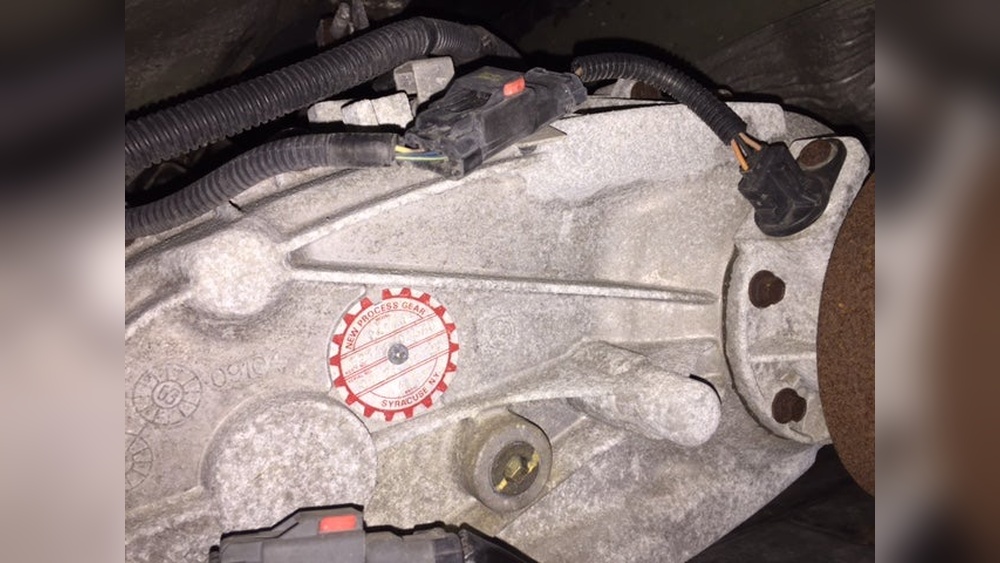
If you’ve seen the U1418 code pop up on your Jeep’s dashboard, you’re probably wondering what it means and what you should do next. This code isn’t just a random error—it points to a specific issue that can affect your Jeep’s steering and safety systems.
Ignoring it could lead to bigger problems down the road, but understanding the cause can help you fix it quickly and get back on the road with confidence. You’ll learn exactly what the U1418 code means, common reasons it appears, and simple steps you can take to troubleshoot and resolve it.
Keep reading to protect your Jeep and keep your drives smooth and safe.
Symptoms Of U1418 Code
The U1418 code in a Jeep signals a problem with the wheel speed sensor or related wiring. This fault can affect many vehicle systems. Recognizing the symptoms early helps prevent bigger issues. Below are common signs to watch for with the U1418 code.
Warning Lights Activation
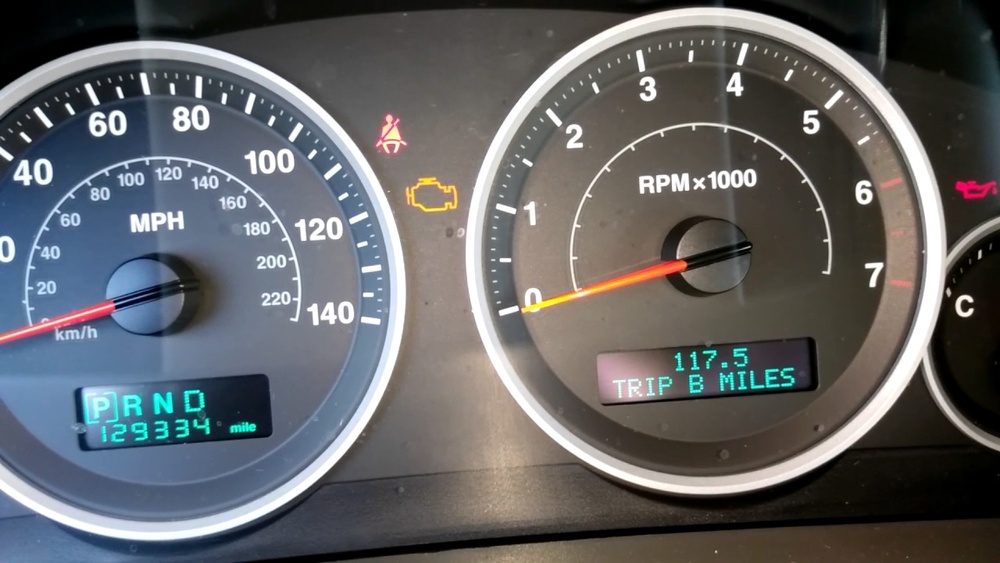
The most obvious symptom is the illumination of warning lights. The Check Engine Light often turns on. The ABS and Traction Control lights may also glow. These lights indicate sensor or wiring trouble. Ignoring them can lead to safety risks on the road.
Cruise Control Issues
Cruise control may stop working correctly or fail to engage. The system depends on accurate wheel speed data. The U1418 code disrupts this data flow. As a result, the cruise control system may shut down to avoid errors.
Abs And Traction Control Malfunctions
The ABS and traction control systems rely on wheel speed sensors. Faulty signals cause these systems to malfunction. You might feel the ABS activating unnecessarily or not at all. Traction control may fail to prevent wheel slip during turns or slippery conditions.
Common Causes
The U1418 code on a Jeep often points to issues with the wheel speed sensor system. Understanding the common causes helps with quick diagnosis and repair. Several factors can trigger this code, each affecting the sensor’s ability to send accurate signals. Identifying the root cause avoids unnecessary part replacements and saves time. Below are the key reasons why this fault appears.
Damaged Wiring Harness
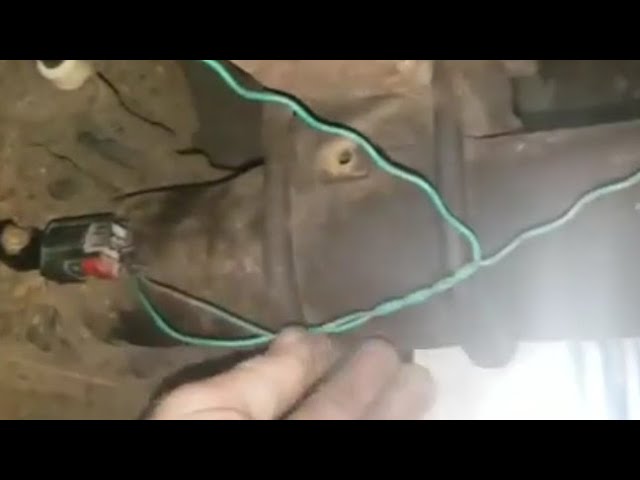
The wiring harness connects the wheel speed sensor to the vehicle’s computer. Wires can get pinched, broken, or corroded over time. Damage often occurs near the wheel well or suspension parts. Even small breaks stop signals from reaching the system. Visual checks can reveal wear or frayed wires. Fixing or replacing the wiring restores proper sensor communication.
Faulty Wheel Speed Sensor
The sensor itself may fail due to age or impact. A faulty sensor cannot accurately read wheel speed. Symptoms include error codes and warning lights on the dashboard. Testing the sensor’s resistance and output can confirm its condition. Replacing a bad sensor usually clears the U1418 code and restores function.
Sensor Contamination
Dirt, mud, and brake dust can cover the sensor lens. This contamination blocks the sensor from detecting wheel movement. Cleaning the sensor often solves the problem. Use a soft brush or cloth to remove grime gently. Avoid harsh chemicals that could damage the sensor surface.
Initial Troubleshooting
Initial troubleshooting helps identify the root cause of the U1418 code in Jeep vehicles. This step saves time and avoids unnecessary part replacements. It involves simple checks and procedures that anyone can perform.
Start by addressing the steering angle sensor, which often triggers this fault code. Followed by a careful inspection of the wiring and connectors. These steps can often resolve the issue or guide further repairs.
Steering Angle Relearn Procedure
The steering angle sensor may lose calibration after impacts or battery disconnection. Relearning the sensor resets its position data and clears errors.
To perform the relearn, turn the steering wheel fully left, then fully right. Repeat this motion three times smoothly. Return the wheel to center and restart the Jeep. This simple process can fix the error without extra tools.
Visual Inspection Of Wiring And Connectors
Check all wiring linked to the steering angle sensor and wheel speed sensors. Look for broken, pinched, or corroded wires. Damaged wiring often causes signal issues triggering the U1418 code.
Inspect connectors for loose pins, dirt, or moisture build-up. Clean any dirty contacts gently with electrical cleaner. Secure loose connectors firmly. This inspection ensures reliable sensor communication with the vehicle’s control module.
Sensor Cleaning And Replacement
Maintaining the sensor in your Jeep is essential for smooth performance. Dirt and damage can cause the U1418 code to appear. Cleaning or replacing the sensor helps fix this issue quickly. Keeping the sensor in good shape prevents further problems with your vehicle’s systems.
Removing And Cleaning The Sensor
Start by locating the faulty sensor, usually near the wheel hub. Disconnect the sensor’s electrical connector carefully. Remove any bolts or clips holding the sensor in place. Pull the sensor out gently to avoid damage.
Use a soft brush or cloth to clean the sensor surface. Avoid harsh chemicals that might harm the sensor. Remove all dirt, mud, and metal shavings for clear signals. Let the sensor dry completely before reinstalling it.
After cleaning, place the sensor back carefully. Secure all bolts or clips tightly. Reconnect the electrical connector to ensure proper function. Test drive the Jeep to see if the U1418 code clears.
Replacing A Damaged Sensor
Identify the damaged sensor by inspection or diagnostic tools. Purchase the exact replacement sensor for your Jeep model. Disconnect the battery before starting to avoid electrical issues.
Remove the old sensor by unplugging and unbolting it from its place. Install the new sensor by reversing these steps. Make sure the sensor fits snugly and connections are secure.
Reconnect the battery and turn on the vehicle. Check for warning lights and drive to confirm the problem is fixed. Replacing a damaged sensor often restores proper vehicle control and safety.
Wiring Harness Repair
Wiring harness repair plays a vital role in fixing the U1418 code on Jeep models. The wiring harness connects various electrical parts in your vehicle. Damage or faults in this harness can trigger error codes and affect vehicle performance.
Proper repair ensures signals flow correctly between sensors and the control module. This section explains how to identify wire damage and methods to fix or replace wiring effectively.
Identifying Wire Damage
Start by visually inspecting the wiring harness near the affected components. Look for cuts, frays, or exposed wires. Check for corrosion or burnt spots on connectors and wires. Damaged insulation may cause short circuits or signal loss.
Use a multimeter to test continuity in suspicious wires. A break in the wire will show no continuity. Wiggle wires gently to detect intermittent faults. Also, listen for any unusual electrical sounds when the ignition is on.
Fixing Or Replacing Wiring
Minor damage can be fixed by splicing and soldering wires. Use heat-shrink tubing to insulate repairs and protect from moisture. Clean corroded connectors with electrical contact cleaner before reconnecting.
Replace the entire wiring harness if damage is extensive or hard to trace. Use OEM or high-quality aftermarket harnesses to ensure compatibility. Secure wiring properly to prevent future wear from vibration or rubbing.
Test the repair by clearing error codes and checking if the U1418 code returns. Repeat inspections after a few days to confirm the fix holds under driving conditions.

Using Diagnostic Tools
Using diagnostic tools is essential for understanding and fixing the U1418 code on Jeep vehicles. These tools help identify the exact problem. They save time and money by pinpointing the issue quickly. They also allow car owners and mechanics to read and clear error codes efficiently.
Diagnostic tools connect to the vehicle’s onboard computer. They provide real-time data about the car’s systems. This data helps detect faults in sensors, wiring, or modules related to the U1418 code. Proper use of these tools avoids guesswork and unnecessary repairs.
Reading And Clearing Codes
Reading codes is the first step in diagnosing the U1418 issue. A diagnostic scanner displays the error codes stored in the vehicle’s computer. These codes explain the nature of the problem. Clearing codes after repairs resets the system. It confirms whether the fix was successful. Clearing codes too early can hide ongoing issues. Always read the codes carefully before clearing them.
Avoiding Unnecessary Part Replacement
Diagnostic tools prevent costly and unnecessary part replacements. The U1418 code often relates to sensor or wiring faults. Without proper diagnosis, many replace parts that are still good. Testing each component with a scanner identifies the real problem. This approach saves money and reduces waste. It also ensures the Jeep runs correctly after repair.
Advanced Fixes
Advanced fixes for the U1418 code Jeep go beyond basic checks. These fixes target deeper issues that cause the code to appear. Many Jeep owners face stubborn problems that need precise steps. This section covers important methods to help resolve these complex faults.
Checking Abs Module Connections
The ABS module controls wheel speed sensors and braking functions. Loose or corroded connections here can trigger the U1418 code. Start by inspecting the wiring harness connected to the ABS module.
Look for damaged wires, corrosion, or dirt on the connectors. Clean the connectors gently with electrical contact cleaner. Ensure each plug fits tightly and locks in place. A poor connection can cause signal loss, leading to error codes.
After cleaning and securing connections, clear the codes with a scan tool. Test drive the Jeep to see if the code returns. If the code stays, deeper electrical testing may be necessary.
Addressing Suspension And Steering Issues
Suspension and steering parts affect wheel alignment and sensor signals. Worn or damaged components can confuse the control module, triggering the U1418 code. Check ball joints, tie rods, and control arms for play or damage.
Look for leaks or damage in shock absorbers and struts. Broken or sagging springs also impact sensor readings. Tighten any loose bolts and replace worn parts to restore proper function.
Steering angle sensors must be calibrated correctly. If steering feels off or the sensor is damaged, recalibration or replacement is needed. These steps help prevent false fault codes and improve vehicle safety.
Diy Maintenance Tips
Maintaining your Jeep and addressing the U1418 code can feel overwhelming. Simple DIY steps help keep sensors working well. These tips save time and money.
Regular checks prevent small issues from becoming big problems. Clean and inspect sensors often for best results. Here are key maintenance tips to follow.
Regular Sensor Inspection
Check the sensors every few weeks or after rough drives. Look for cracks, loose wires, or corrosion. Use a flashlight to see hard-to-reach areas clearly. Gently wipe the sensor surface with a soft cloth. Avoid using harsh chemicals that can damage sensors.
Preventing Sensor Contamination
Keep sensors free from dirt, mud, and brake dust. Avoid driving through deep water or heavy mud. Apply protective sprays designed for electronic parts. Do not spray directly on connectors; use a cloth instead. Clean the wheel wells regularly to remove debris buildup. Clean sensors help prevent false readings and error codes.
When To Seek Professional Help
Knowing when to seek professional help for U1418 code issues in your Jeep is crucial. Some problems are simple to fix, but others need expert skills. Acting at the right time saves you from bigger repairs and safety risks.
Complex Electrical Issues
U1418 code often links to complex electrical problems. These involve sensors, wiring, or the vehicle’s control modules. Troubleshooting requires special tools and knowledge. Incorrect handling can cause more damage. Professionals use diagnostic equipment to locate exact faults fast. They also have the training to repair or replace parts safely. If your Jeep shows strange electrical behavior, visit a mechanic.
Persistent Warning Lights
Warning lights that stay on after resets are a bad sign. The U1418 code may trigger ABS, traction control, or check engine lights. Persistent lights mean the system detects ongoing faults. Ignoring these can affect braking and stability systems. A professional can interpret the codes fully and test components. They ensure your Jeep’s safety systems work correctly again. Don’t delay if lights keep flashing or glowing.
Conclusion
The U1418 code in Jeep signals a problem with the right rear wheel sensor. Addressing it quickly keeps your ABS and traction control working. Start by checking the sensor and its wiring for damage or dirt. Resetting the steering angle can sometimes fix the issue.
If the code stays, replacing the sensor might be needed. Regular maintenance helps prevent these problems. Stay alert to warning lights and act early to ensure safe driving. Understanding the U1418 code helps keep your Jeep reliable and safe on the road.