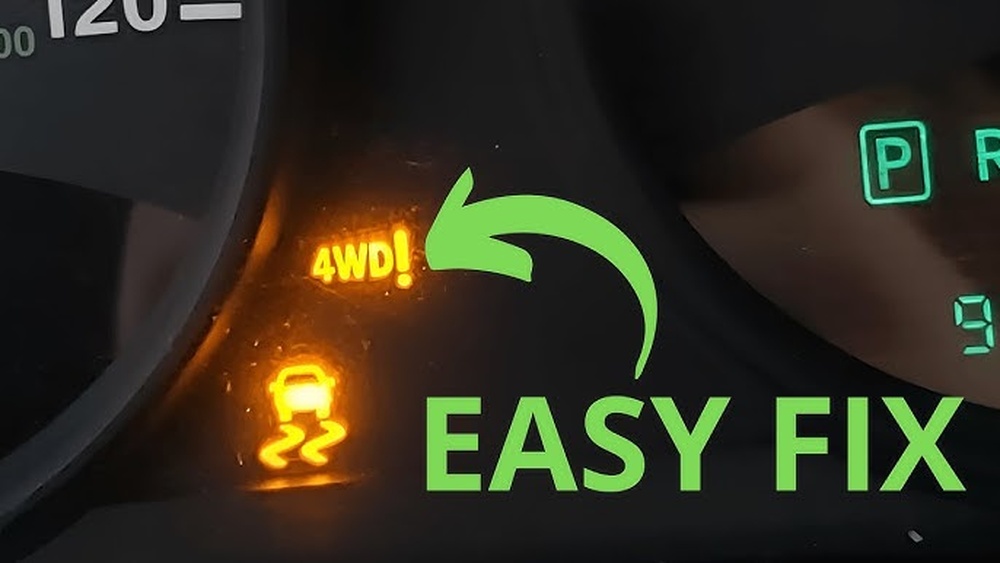
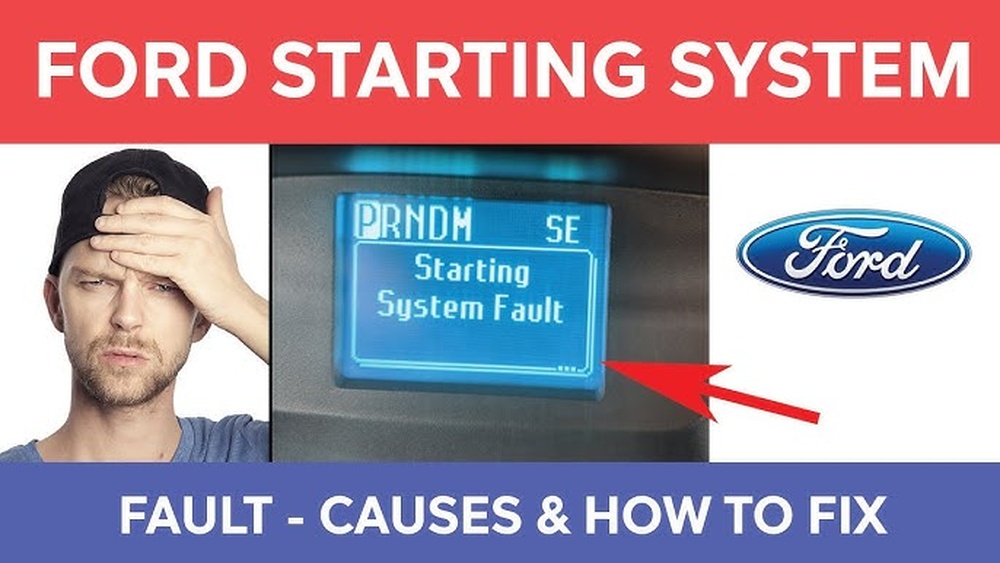
If you’ve seen the P0452 code pop up on your Jeep’s dashboard, you’re probably wondering what it means and how it affects your vehicle. This code points to a problem in your Jeep’s evaporative emission system, specifically related to the fuel tank pressure sensor.
Ignoring it can lead to fuel smells, a stubborn gas cap warning, or even trouble passing emissions tests. But don’t worry—understanding what triggers the P0452 code and how to fix it can save you time and money. Keep reading to learn what you need to do to get your Jeep running smoothly again.
Symptoms Of P0452 Code
The P0452 code in a Jeep indicates a problem with the EVAP system’s pressure sensor. This sensor monitors fuel vapors to prevent pollution. When this sensor fails, the Jeep shows specific symptoms. Recognizing these signs helps in early diagnosis and repair.
Check Engine Light Activation
The check engine light turns on when the P0452 code appears. This light signals a fault in the EVAP system. It stays on until the problem is fixed. Ignoring it may lead to more issues.
Fuel Smell Near Vehicle
A noticeable fuel smell often comes from the vehicle. This happens because fuel vapors escape the system. It is a clear sign the pressure sensor is not working right. The smell is stronger near the gas tank area.
Gas Tank Filling Issues
Filling the gas tank becomes difficult with this code. The fuel pump may shut off repeatedly while filling. This causes the gas nozzle to click on and off. It happens because the EVAP system pressure is abnormal.

Common Causes Of P0452
The P0452 code in Jeep vehicles points to a low voltage issue in the EVAP system. This system controls fuel vapor emissions and ensures your Jeep runs clean. Understanding common causes helps in quick diagnosis and repair. Here are the main culprits behind P0452.
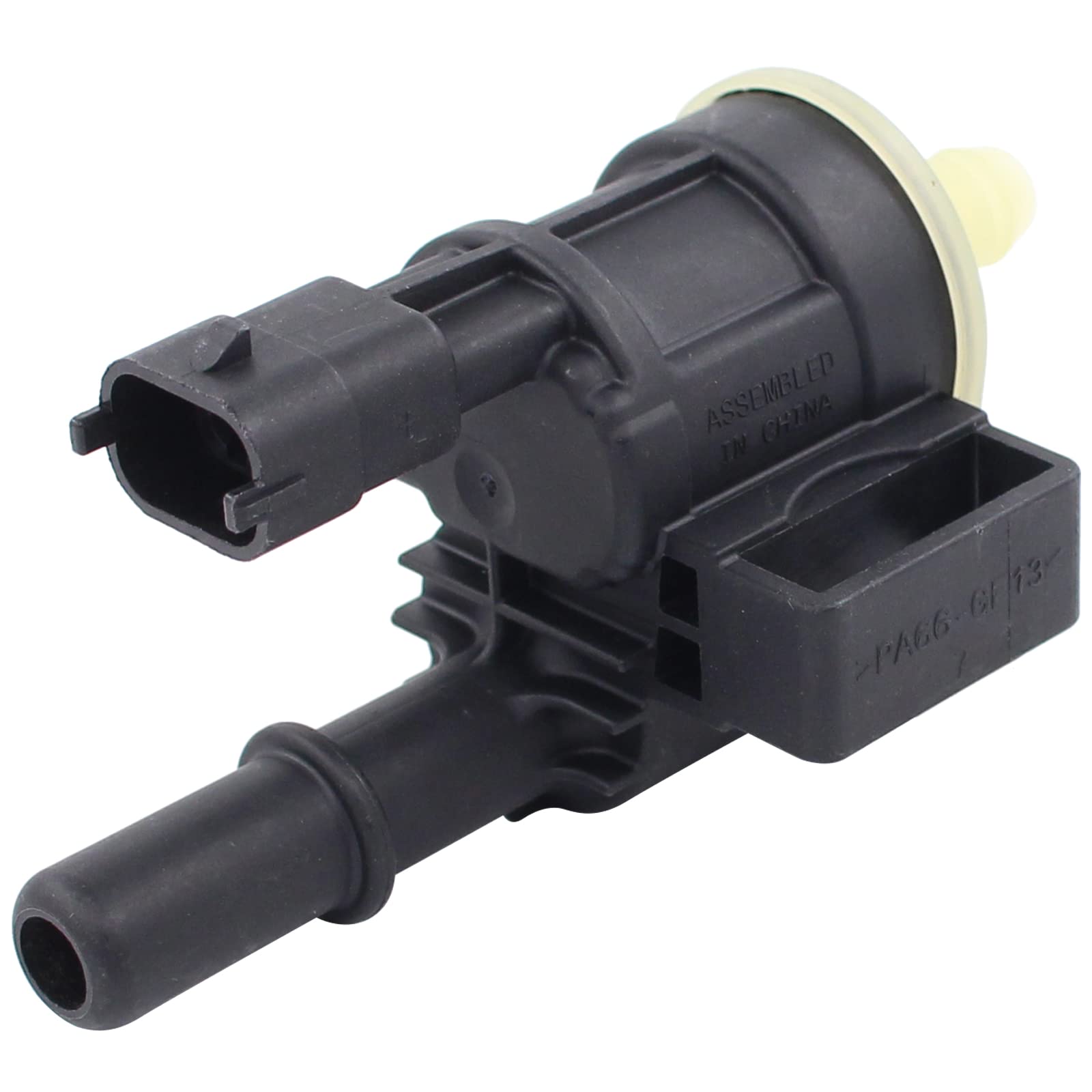
Faulty Evap Pressure Sensor Or Nvld Switch
The EVAP pressure sensor or Natural Vacuum Leak Detection (NVLD) switch monitors fuel tank pressure. A faulty sensor sends wrong signals to the engine control unit. This low voltage reading triggers the P0452 code. Sensors can fail due to age, heat, or contamination. Replacing the faulty sensor often fixes the problem.
Damaged Or Loose Gas Cap
A loose, damaged, or missing gas cap can cause pressure leaks in the EVAP system. The gas cap seals the fuel tank and maintains pressure. If it does not fit properly, vapors escape. This loss triggers the P0452 code. Check the gas cap for cracks or worn seals. Tighten it until you hear a click.
Corroded Or Faulty Wiring
The wiring connecting the EVAP pressure sensor can corrode or break over time. Corrosion causes poor electrical signals and low voltage readings. Faulty wiring may also create short circuits or open connections. Inspect the wiring harness and connectors near the sensor. Repair or replace damaged wiring to restore proper function.
Quick Fixes For P0452 Jeep
Facing the P0452 code on your Jeep? Quick fixes can save time and money. These solutions target common causes of the issue. Start with simple checks and move to part replacements as needed. Follow these steps to restore your Jeep’s EVAP system.
Tighten Or Replace Gas Cap
Begin by checking the gas cap. A loose or damaged cap often triggers the P0452 code. Remove the cap and inspect the seal for cracks or wear. Tighten the cap firmly until it clicks. If the seal looks damaged, replace the gas cap with a new one. This simple step can restore proper system pressure and clear the code.
Inspect And Repair Wiring
Next, examine the wiring connected to the EVAP pressure sensor or NVLD switch. Look for signs of corrosion, fraying, or loose connections. Damaged wiring can cause low voltage signals and set off the P0452 code. Repair any broken wires or replace connectors as needed. Clean corroded terminals to ensure good electrical contact. Proper wiring keeps the sensor reading accurate.
Replace Evap Pressure Sensor Or Nvld Switch
The EVAP pressure sensor or NVLD switch often fails and causes the P0452 code. Locate the sensor near the fuel tank or charcoal canister. Test it with a multimeter or scan tool for proper operation. If faulty, replace it with an OEM part for best results. Installing a new sensor restores accurate pressure readings and fixes the code. This repair often solves persistent EVAP system issues.
Locating Evap Components
The EVAP system in your Jeep controls fuel vapor emissions. Knowing where its parts are helps in diagnosing issues like the P0452 code. The system has several key components that work together to keep fuel vapors sealed.
Finding these parts can be a challenge. Each one has a specific role and place under or near the vehicle. Understanding their location makes repairs or inspections easier and faster.
Finding The Nvld Assembly
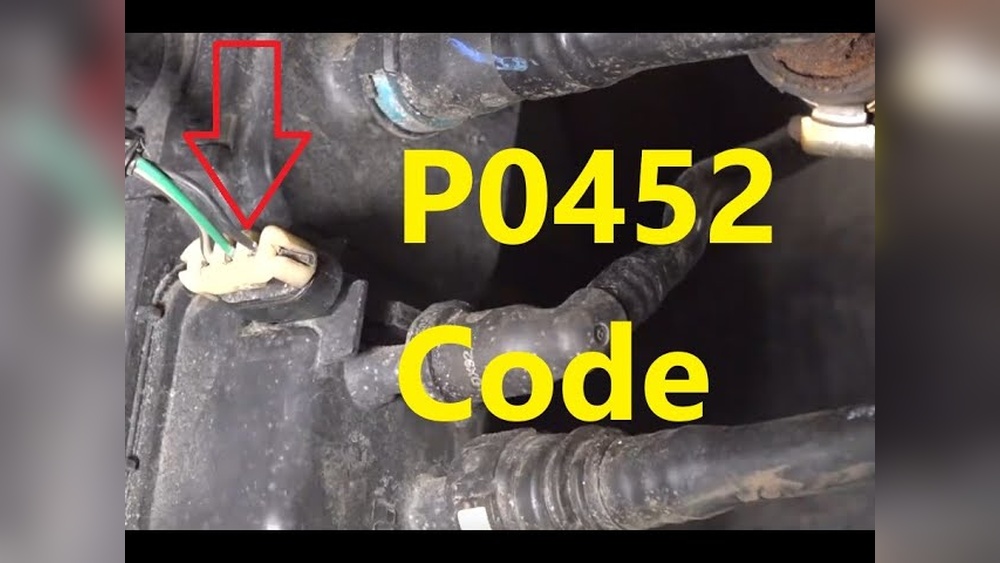
The NVLD assembly stands for Natural Vacuum Leak Detection. It is usually attached near the fuel tank. This part monitors pressure changes to detect leaks in the system. On many Jeep models, it looks like a small box with wiring connected.
To find it, check under the rear of the Jeep near the fuel tank area. It often mounts on or close to the charcoal canister. Look for a sensor with electrical connectors and vacuum lines attached.
Charcoal Canister And Esim Detector
The charcoal canister stores fuel vapors temporarily. It is located near the fuel tank or under the rear of the vehicle. This canister traps vapors to prevent them from escaping into the air.
The ESIM detector, or Evaporative System Integrity Module, works with the canister. It checks the system for leaks or faults. The ESIM is often integrated or mounted close to the charcoal canister. Both parts have hoses and wiring that connect to the EVAP system.
Look for a black plastic box with multiple hoses near the rear wheel well or fuel tank area. These components are key in maintaining your Jeep’s emission system.
Tools And Parts Needed
Fixing a P0452 code on a Jeep requires the right tools and parts. Using proper equipment saves time and prevents damage. Prepare all items before starting the repair. This helps ensure a smooth process and better results.
Oem Replacement Sensors
Choose OEM sensors for reliable performance. These parts fit your Jeep exactly. OEM sensors match factory specs and last longer. Avoid cheap alternatives that may cause more problems. Replacing the faulty sensor with an OEM part ensures accurate readings and proper system function.
Basic Diagnostic Tools
A quality OBD-II scanner is essential for reading trouble codes. It helps confirm the P0452 code and clear it after repair. Use a multimeter to test voltage and continuity on wires. Basic hand tools like screwdrivers and pliers help remove connectors and fasteners. These tools make diagnosis and repair efficient and safe.
Safety Equipment For Vehicle Lifting
Lift the Jeep safely for undercarriage access. Use sturdy jack stands to support the vehicle securely. A hydraulic floor jack makes lifting easier and safer. Never rely on a jack alone to hold the vehicle. Safety gear protects you and prevents accidents during repair.
Step-by-step Repair Guide
The P0452 Jeep error code points to a problem with the EVAP pressure sensor or NVLD switch. Fixing this issue involves a few careful steps. Each step helps pinpoint and repair the fault. Follow the guide below to tackle the problem safely and effectively.
This guide is easy to follow. It uses simple terms and clear instructions to help you repair your Jeep.
Removing And Inspecting Gas Cap
Start by removing the gas cap. Turn it counterclockwise until it comes off. Check the cap for cracks or damage. Look closely at the rubber seal for wear or dirt. Clean the seal gently with a cloth if dirty. Replace the gas cap if the seal is cracked or missing. Put the gas cap back and twist it clockwise until it clicks. A loose or damaged cap often causes the P0452 code.
Checking Sensor Wiring And Connectors
Locate the EVAP pressure sensor or NVLD switch near the fuel tank. Inspect the wiring harness and connectors carefully. Look for broken wires, corrosion, or loose plugs. Clean any corroded connectors using electrical contact cleaner. Reconnect all plugs firmly to ensure a tight fit. Damaged wiring or loose connectors can cause false low voltage signals. Repair or replace any damaged wiring before proceeding.
Replacing The Nvld Pressure Switch
If the sensor wiring is fine, the NVLD switch may be faulty. Purchase an OEM replacement part for best results. Disconnect the battery to avoid electrical shocks. Remove the old NVLD switch by unscrewing or unclipping it from its mount. Install the new switch in the same position. Reconnect the wiring harness securely. Reconnect the battery and start the vehicle. Clear the error codes with a scan tool and check if the P0452 code returns.
Preventive Maintenance Tips
Preventive maintenance plays a key role in avoiding the P0452 error on your Jeep. This error code often points to issues within the EVAP system, which controls fuel vapors. Keeping this system in good shape prevents costly repairs and helps your Jeep run smoothly. Follow these simple tips to maintain the EVAP system and reduce the chances of a P0452 code.
Regular Gas Cap Checks
Check your gas cap regularly for tightness and damage. A loose or cracked gas cap can cause vapor leaks, triggering the P0452 code. Remove the cap and inspect the seal for cracks or dirt. Replace it if the seal looks worn. Always tighten the gas cap until you hear it click. This keeps the fuel system sealed properly.
Routine Wiring Inspections
Inspect the wiring connected to the EVAP system often. Look for signs of wear, corrosion, or loose connections. Damaged wiring can cause low voltage signals and set off error codes. Use a flashlight to check wires near the fuel tank and charcoal canister. Repair or replace any faulty wiring to maintain good electrical flow.
Scheduled Evap System Testing
Have your EVAP system tested during regular service visits. Mechanics can perform pressure tests to find leaks in the system. This testing helps catch small problems before they cause a P0452 code. Follow the manufacturer’s recommended schedule for EVAP inspections. Early detection saves money and keeps your Jeep’s emissions system working well.
When To Seek Professional Help
Knowing when to get professional help for a P0452 Jeep code saves time and money. Some problems are simple to fix at home. Others need expert tools and skills. Understanding the signs helps you decide the right moment to visit a mechanic.
Persistent Check Engine Light
A check engine light that stays on after basic fixes means a deeper issue. If you tighten the gas cap and the light returns, seek professional help. Mechanics have scanners to pinpoint exact problems quickly. Ignoring the light can cause damage to your Jeep’s engine or emission system.
Complex Electrical Issues
The P0452 code involves the EVAP system’s pressure sensor. Wiring or sensor faults need careful inspection. Corroded or damaged wires can cause false signals. Professionals test electrical connections with special tools. DIY fixes risk making the problem worse or missing hidden faults.
Advanced Diagnostic Requirements
Some repairs require advanced equipment like smoke machines or scan tools. These tools find leaks or sensor failures invisible to the eye. A trained technician can trace trouble in the EVAP system precisely. Proper diagnostics ensure the right part is fixed or replaced, avoiding extra costs.

Conclusion
The P0452 code in your Jeep signals an issue with the EVAP system. This code often points to a faulty pressure sensor or a loose gas cap. Fixing it usually means checking these parts first. Regular maintenance helps prevent this problem from returning.
Pay attention to warning signs like the Check Engine light. Addressing the issue early keeps your Jeep running smoothly. Staying informed about this code saves time and money. Trust simple steps to keep your vehicle in good shape.