Seeing the check engine light turn on in your Jeep Wrangler can be alarming, but don’t panic. You might wonder what’s wrong and how to find out without spending a fortune at the mechanic.
The good news? You can check your Jeep Wrangler’s check engine codes quickly and easily—right from your driver’s seat. In this guide, you’ll learn simple, step-by-step methods to read your check engine light codes, even without a scanner. By understanding what your Jeep is trying to tell you, you’ll save time, avoid unnecessary repairs, and get back on the road with confidence.
Keep reading to discover exactly how to check your Jeep Wrangler’s check engine light and what to do next.
Check Engine Light Basics
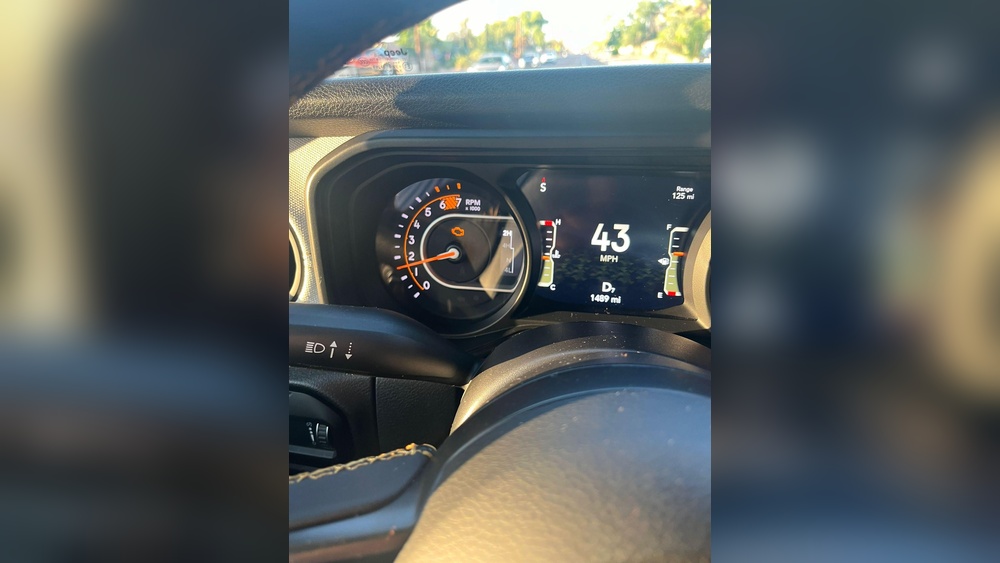
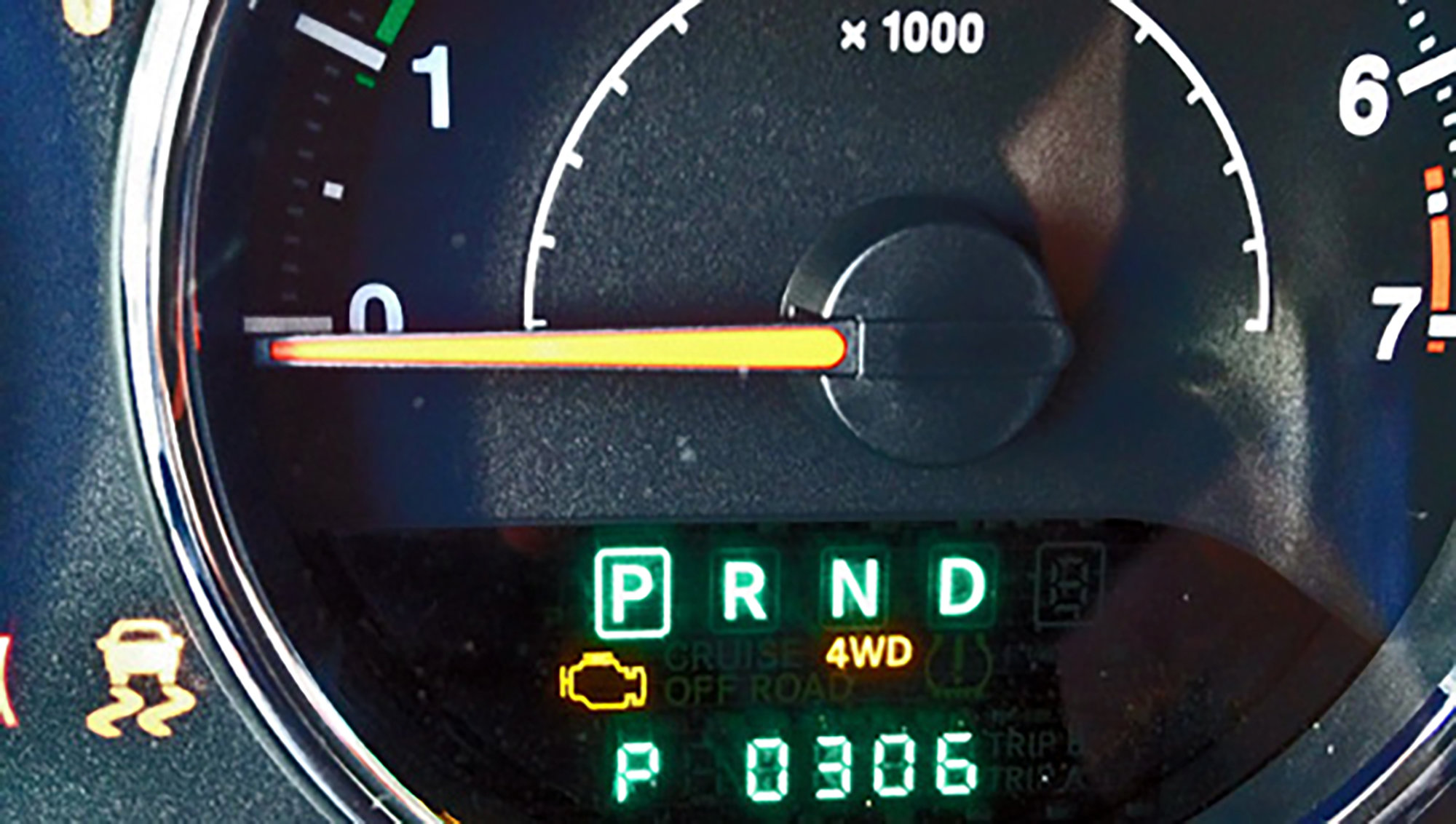
The check engine light is a key alert on your Jeep Wrangler’s dashboard. It signals that the vehicle’s computer has detected a problem. Understanding the basics helps you react quickly and avoid further damage.
This light can turn on for many reasons. Some issues are simple, while others need expert care. Knowing what the light means and common causes can save you time and money.
Common Causes
A loose gas cap often triggers the check engine light. It is the easiest fix and the first thing to check. Oxygen sensor problems also cause this light to come on. These sensors measure the air-fuel mixture in your engine.
Catalytic converter issues may cause the light to stay on. This part reduces harmful emissions from your Jeep. Mass airflow sensor problems affect engine performance and fuel efficiency. Faulty ignition coils or spark plugs can also cause the light to flash or stay lit.
What The Light Means
The check engine light can show steady or flashing signals. A steady light means a minor problem. It is usually safe to drive but should be checked soon. A flashing light signals a serious issue. It means the engine is misfiring and can cause damage.
Ignoring the light can lead to costly repairs. The vehicle’s computer stores codes that explain the problem. Reading these codes helps identify the exact issue. This is the first step in fixing your Jeep Wrangler’s problem.
Ignition Key Method
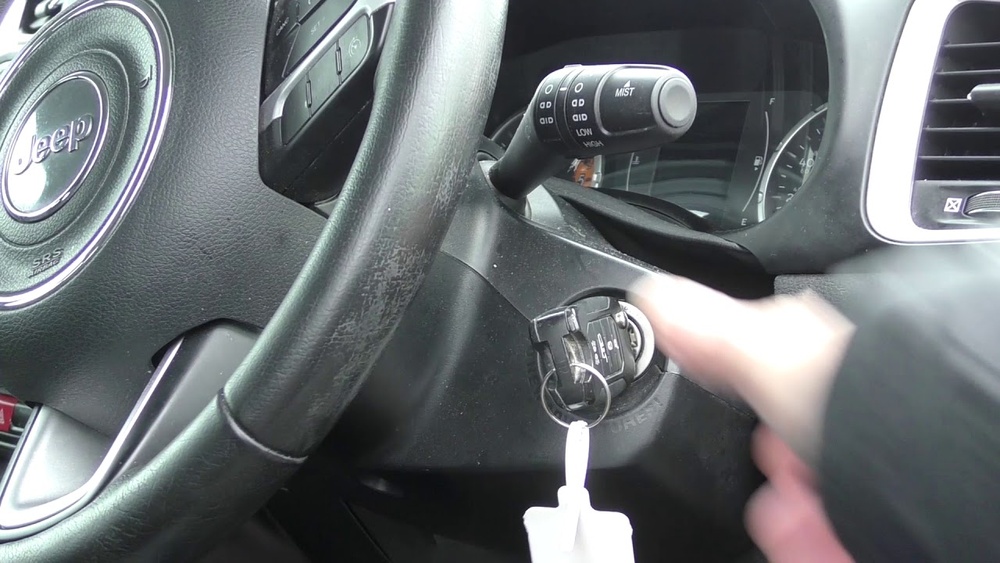
The Ignition Key Method lets you check your Jeep Wrangler’s check engine codes quickly. No scanner needed. Just your key and the odometer display.
This method works on many Jeep models and is simple to do. It shows the trouble codes directly on the odometer screen.
Step-by-step Guide
First, sit in your Jeep and close the door fully. Insert the key into the ignition.
Turn the key from OFF to ON, then back to OFF. Repeat this three times fast. The final position must be ON, but do not start the engine.
The sequence is: OFF – ON – OFF – ON – OFF – ON.
After the last ON position, watch the odometer for flashing codes.
Reading Codes On Odometer
The odometer will show a series of numbers blinking. These are your diagnostic trouble codes.
Each code has two or three digits. For example, “12” means no trouble, and “44” indicates a specific fault.
Write down all codes you see. They help identify what needs fixing.
Use your Jeep’s manual or an online database to find what each code means.
Using An Obd-ii Scanner
Using an OBD-II scanner is a simple and effective way to check the check engine light on a Jeep Wrangler. This tool reads the diagnostic trouble codes (DTCs) stored in your vehicle’s computer. These codes help identify issues causing the check engine light to come on. An OBD-II scanner gives clear information, saving time and guesswork.
Most Jeep Wranglers made after 1996 have an OBD-II port under the dashboard. This port connects to the scanner and allows it to access the car’s data. Reading the codes helps you understand if the problem is serious or minor. You can decide to fix it yourself or visit a mechanic with the right information.
Free Scanner Access At Auto Parts Stores
Many auto parts stores offer free OBD-II scanning services. Stores like AutoZone, O’Reilly, and Advance Auto Parts provide this service at no cost. You drive your Jeep Wrangler to the store and ask them to scan the vehicle. They plug the scanner into your Jeep’s OBD-II port and read the codes.
This service helps you check your check engine light without buying a scanner. The store staff usually print out the code report for you. Use the report to learn what the issue might be. Free scanning is a good option if you want a quick code check.
How To Use A Scanner
First, locate the OBD-II port in your Jeep Wrangler. It is usually under the dashboard near the steering wheel. Turn off the engine before connecting the scanner. Plug the scanner into the port firmly.
Next, turn your Jeep’s ignition to the ON position without starting the engine. Turn on the scanner and wait for it to communicate with your vehicle. The scanner will display any stored trouble codes. Write down the codes or save them on the scanner.
Use the scanner’s manual or an online code database to understand the codes. Each code points to a specific issue in your Jeep. Clear the codes after noting them to reset the check engine light. If the light comes back, the problem still exists.
Gas Cap And Simple Fixes
The check engine light on a Jeep Wrangler often points to simple fixes. One common cause is the gas cap. A loose or damaged gas cap can let fuel vapors escape. This triggers the light and sets off a warning code.
Before visiting a mechanic, check the gas cap first. It is a quick and easy step. Fixing this may turn off the check engine light without extra tools or costs. Other small checks can also help find the problem fast.
Checking The Gas Cap
Start by turning off your Jeep and opening the gas tank door. Remove the gas cap and inspect it for cracks or damage. Check if the seal is worn out or dirty. Clean the cap with a cloth if needed.
Put the gas cap back on and twist it until you hear a click. This ensures a tight seal. Drive your Jeep for a few miles and watch the dashboard. The check engine light should turn off if the gas cap was the issue.
Other Quick Checks
Look under the hood for loose or disconnected hoses. Check the engine air filter for dirt and replace if dirty. Inspect spark plugs for wear or damage. Sometimes, these small issues cause the check engine light.
Reset the light by turning the ignition on and off three times without starting the engine. This can clear minor errors. If the light stays on, use an OBD-II scanner or visit an auto parts store for a free code check.
Interpreting Trouble Codes
Understanding the trouble codes from your Jeep Wrangler’s check engine light is important. These codes reveal the problem area in your vehicle. Reading them is the first step to fixing issues quickly. The codes are a mix of letters and numbers. Each code points to a specific part or system that needs attention.
Knowing what these codes mean helps you decide the next step. It can save time and money by avoiding unnecessary repairs. You do not need to be a mechanic to interpret basic codes. Many codes are common and easy to understand. Let’s look at some common code examples and what to do after you read them.
Common Code Examples
P0171 means your engine is running too lean, or not enough fuel. P0300 shows random or multiple cylinder misfires. P0443 signals a problem with the evaporative emission control system. P0420 means the catalytic converter is not working efficiently. P0135 points to a faulty oxygen sensor heater circuit. These codes are common in Jeep Wranglers and indicate where to start troubleshooting.
Next Steps After Reading Codes
Write down the trouble codes clearly. Check the Jeep Wrangler manual or trusted websites for code meanings. Fix simple issues like tightening the gas cap if P0443 appears. For complex codes, consider visiting a mechanic. Use an OBD-II scanner to clear codes after repairs. Drive the Jeep and watch if the light returns. Persistent codes mean deeper inspection is needed.
Clearing Check Engine Codes
Clearing check engine codes on your Jeep Wrangler can help reset the dashboard light after you have addressed the issue. This process removes stored error codes from the vehicle’s computer system. It allows you to see if the repair was successful and if the light will stay off. Clearing codes is a simple step but needs to be done carefully.
Many Jeep owners clear codes using an OBD-II scanner or by disconnecting the battery. Both methods erase the codes but do not fix the underlying problem. Understanding when and how to clear these codes can save you time and avoid further damage to your Jeep.
When And How To Clear Codes
Clear engine codes only after fixing the problem that caused the light. Use an OBD-II scanner to read and erase codes easily. Plug the scanner into the Jeep’s diagnostic port under the dashboard. Turn the ignition on but do not start the engine. Follow the scanner’s instructions to clear codes.
Another method is disconnecting the battery for about 15 minutes. This resets the Jeep’s computer and clears codes. Reconnect the battery and start the engine to check if the light is off. Drive the Jeep for a few miles to let the system run checks.
Risks Of Clearing Codes Prematurely
Clearing codes without fixing the issue can hide serious problems. The check engine light may turn off temporarily, but the problem remains. This can lead to worse engine damage or poor performance. It may also cause your Jeep to fail emissions tests.
Prematurely clearing codes can confuse mechanics during diagnosis. They rely on stored codes to find the root cause. Always diagnose and repair before clearing the codes. This ensures your Jeep runs safely and efficiently.
Driving With The Check Engine Light On
Driving with the check engine light on in your Jeep Wrangler can cause worry. This light means the vehicle’s computer has found an issue. Some problems are minor, while others need quick attention. Understanding when it is safe or risky to keep driving helps protect your vehicle and your safety.
When It’s Safe To Drive
A steady check engine light usually means a minor issue. You can drive for short distances to a repair shop. Pay attention to how the Jeep runs. If it feels normal with no strange noises or smells, driving is okay. Check the gas cap to ensure it is tight. A loose cap can cause the light to come on.
Keep the trips short and avoid heavy acceleration. Watch the temperature gauge to prevent overheating. If the light stays on but no new symptoms appear, the problem is likely not urgent. Still, plan to get the Jeep checked soon to prevent damage.
When To Seek Immediate Help
The check engine light flashes or blinks, stop driving immediately. This signals a serious engine misfire. Driving further may damage the engine or harm the catalytic converter. Pull over safely and turn off the engine.
Look for signs like loss of power, strange noises, or smoke. If you notice these, call for roadside assistance. Also, if the light comes on with the oil or temperature warning lights, seek help right away. Quick action can save you costly repairs and keep you safe on the road.
Conclusion
Checking the check engine light on your Jeep Wrangler can be simple and quick. Using the ignition key method helps you read error codes without extra tools. If this doesn’t work, local auto parts stores often offer free code reading.
Always check your gas cap first, as a loose cap can trigger the light. Understanding the code helps you decide whether to drive or visit a mechanic. Staying aware keeps your Jeep running safely and avoids bigger problems. Keep these easy steps in mind for peace of mind on the road.